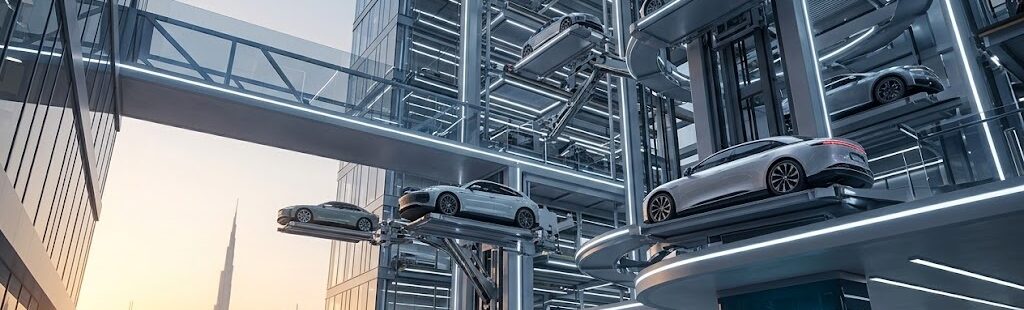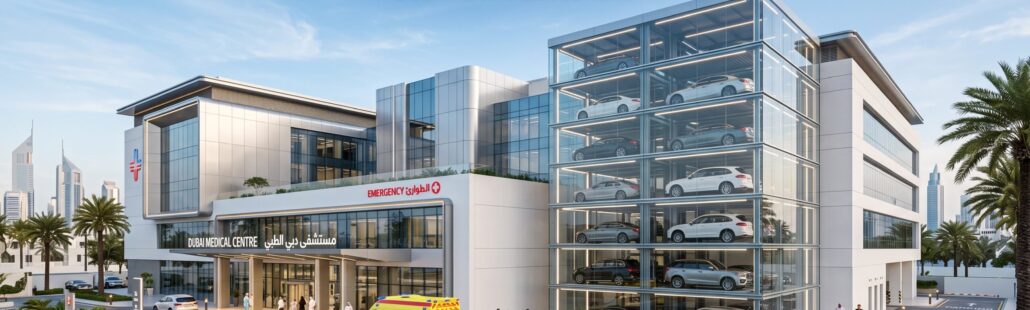



Over the past two decades, Doha has evolved into one of the Middle East’s fastest-growing cities. Major developments such as Lusail City, The Pearl-Qatar, West Bay, Msheireb Downtown Doha, and Education City have redefined the country’s urban landscape, creating a skyline filled with luxury towers, premium hotels, business districts, and mixed-use communities.
This remarkable growth has transformed the expectations of both developers and property buyers. Today, a successful project is no longer measured only by its architecture or location. Residents, investors, and visitors expect seamless accessibility, premium amenities, and efficient parking solutions that complement the quality of the development itself.
As land becomes more valuable within Doha’s most prestigious districts and projects continue to grow vertically, conventional parking garages are becoming increasingly difficult to justify. Large ramps, oversized circulation areas, and multiple underground parking levels consume valuable space while increasing construction costs.
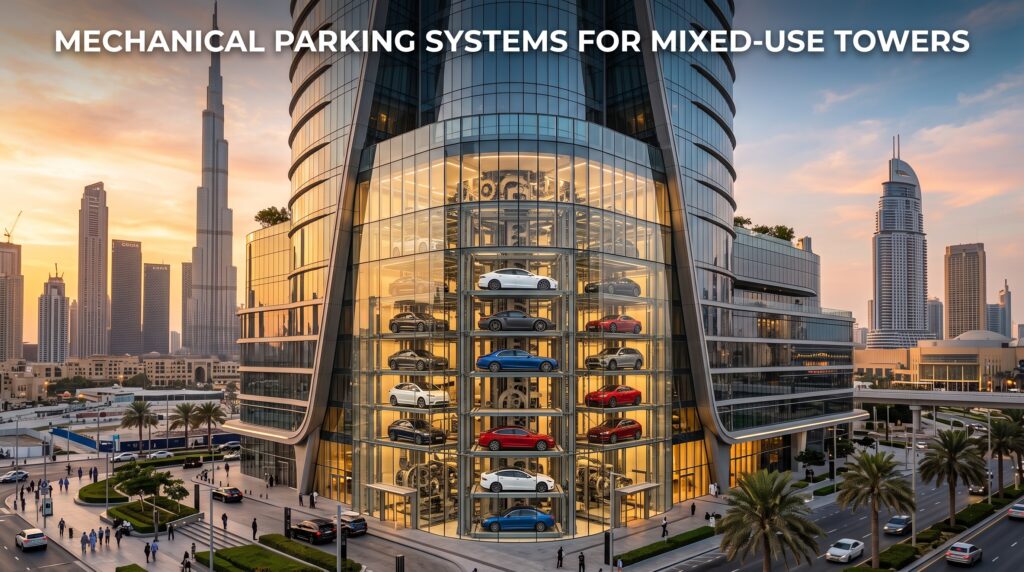
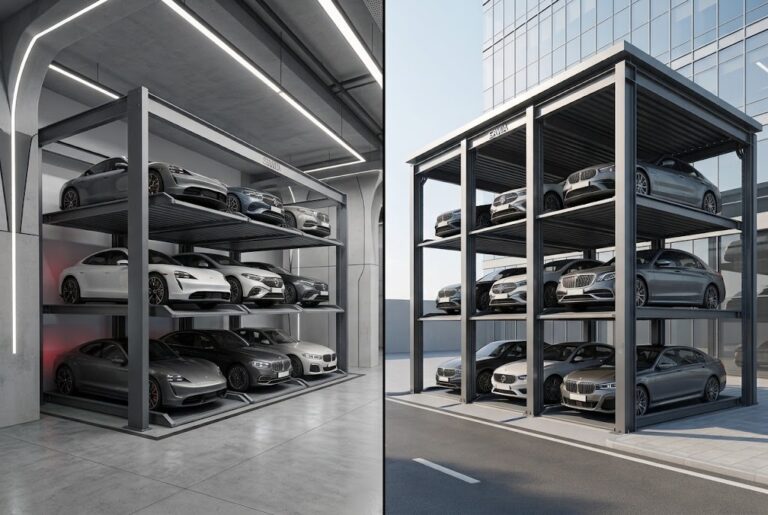
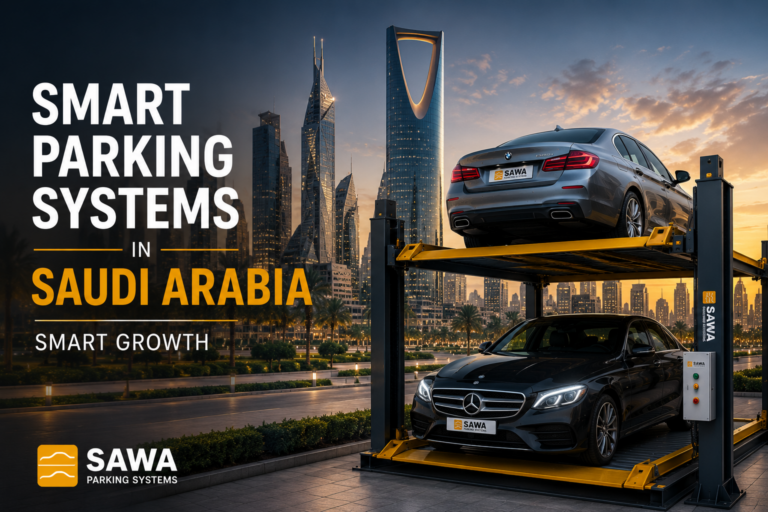
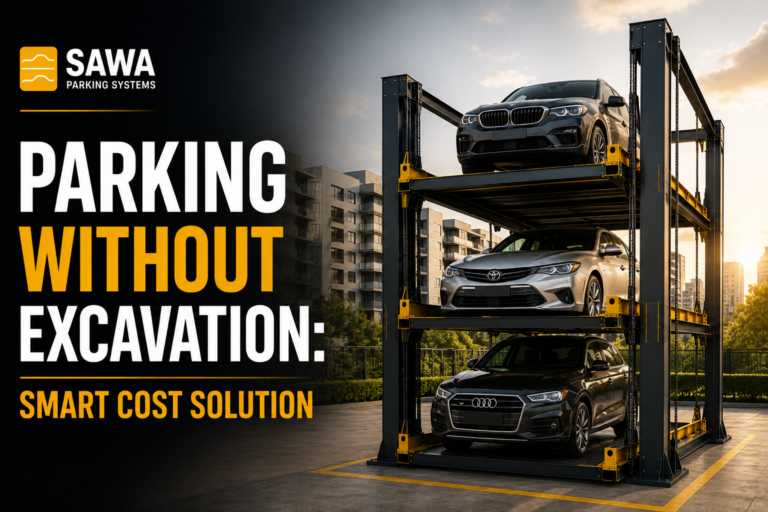
For this reason, Mechanical Parking Systems in Doha are emerging as one of the most practical solutions for developers seeking to maximize project value while maintaining the premium standards expected within Qatar’s real estate market.
Doha’s Luxury Real Estate Has Changed the Way Parking Is Designed
Doha’s residential market has shifted dramatically toward high-end developments that combine residential apartments, luxury retail, hospitality, offices, and entertainment within a single destination.
Projects located in Lusail and The Pearl are designed to deliver an exceptional lifestyle rather than simply providing residential space. Every element—from the lobby to the rooftop amenities—is carefully planned to create a premium customer experience.
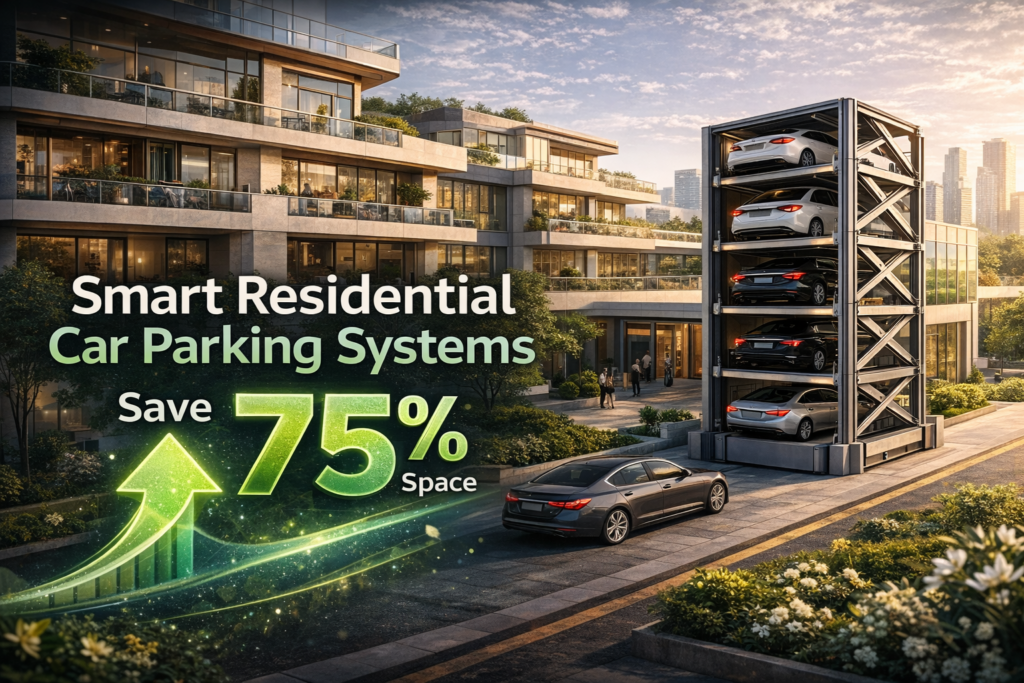
Parking is no exception.
Residents purchasing luxury apartments expect quick, secure, and organized vehicle access. Hotel guests expect smooth valet services. Office tenants require efficient parking during business hours, while restaurants and retail outlets generate additional visitor traffic throughout the day.
Meeting all these different parking demands using conventional parking layouts is becoming increasingly difficult, especially when developers seek to maximize commercial floor space.
Parking Is No Longer Just a Basement
For many years, parking was treated as a hidden technical component of every building.
Today, it has become part of the customer experience.
Imagine arriving at a luxury residential tower after a long day only to spend fifteen minutes searching for a parking space or navigating narrow basement ramps.
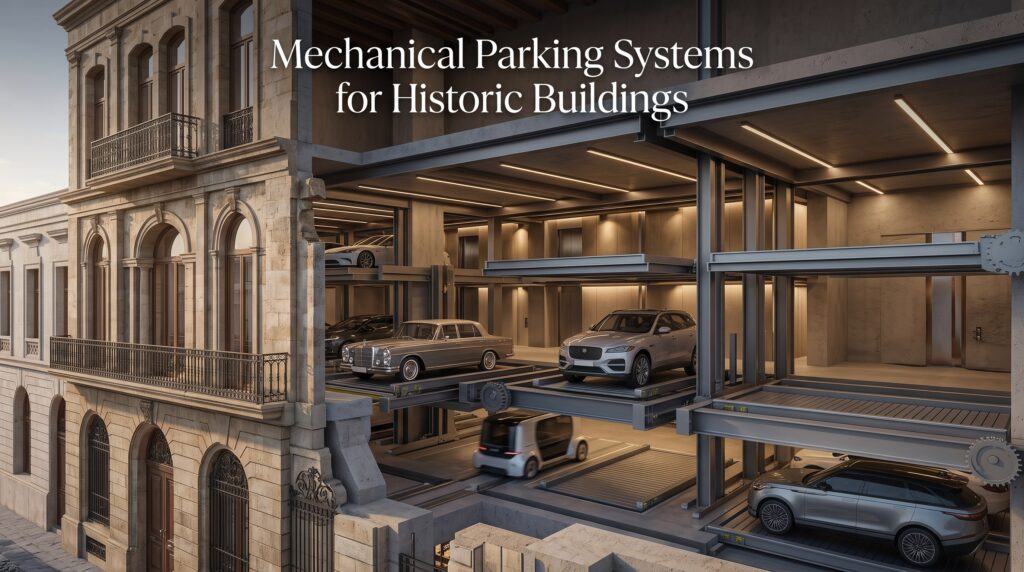
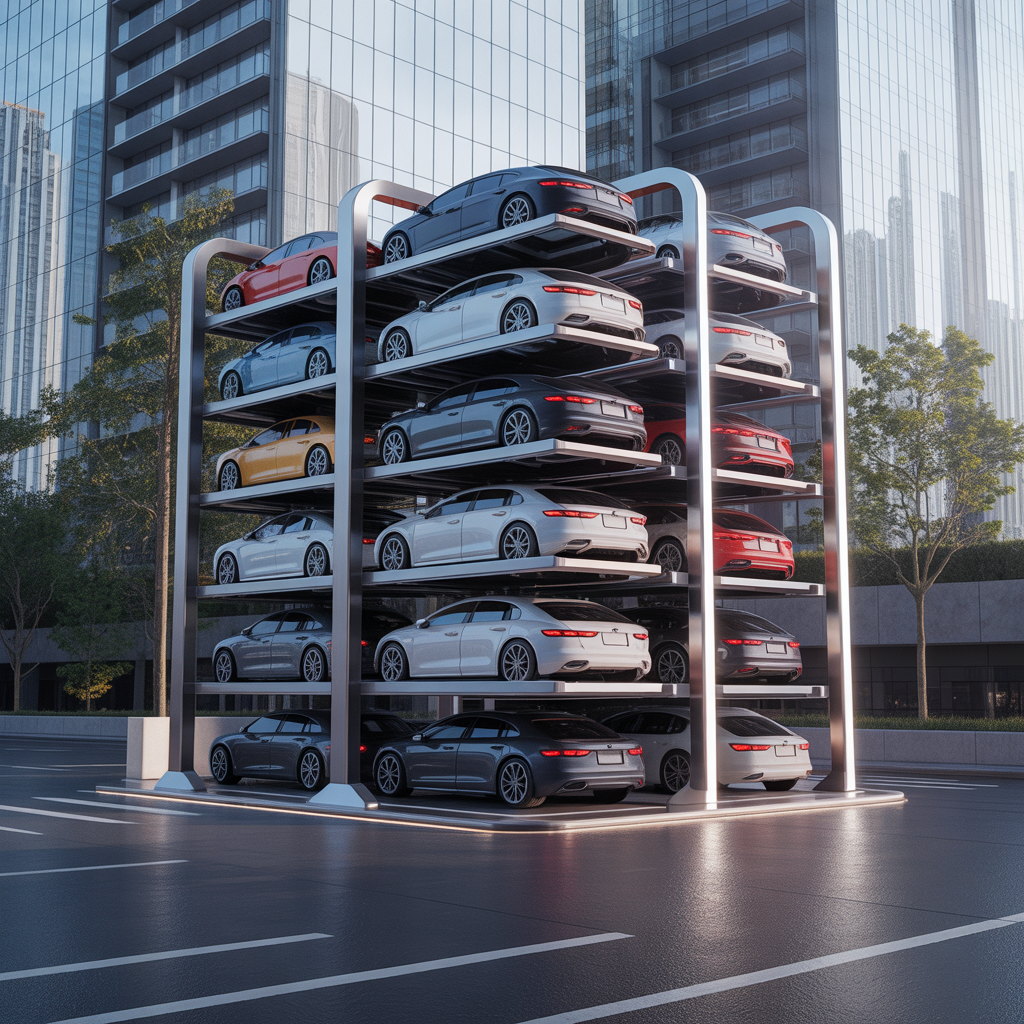
Now compare that experience with an intelligent parking system where vehicles are stored efficiently using automated mechanical equipment designed to minimize congestion and optimize space.
This difference directly influences how residents perceive the quality of the development.
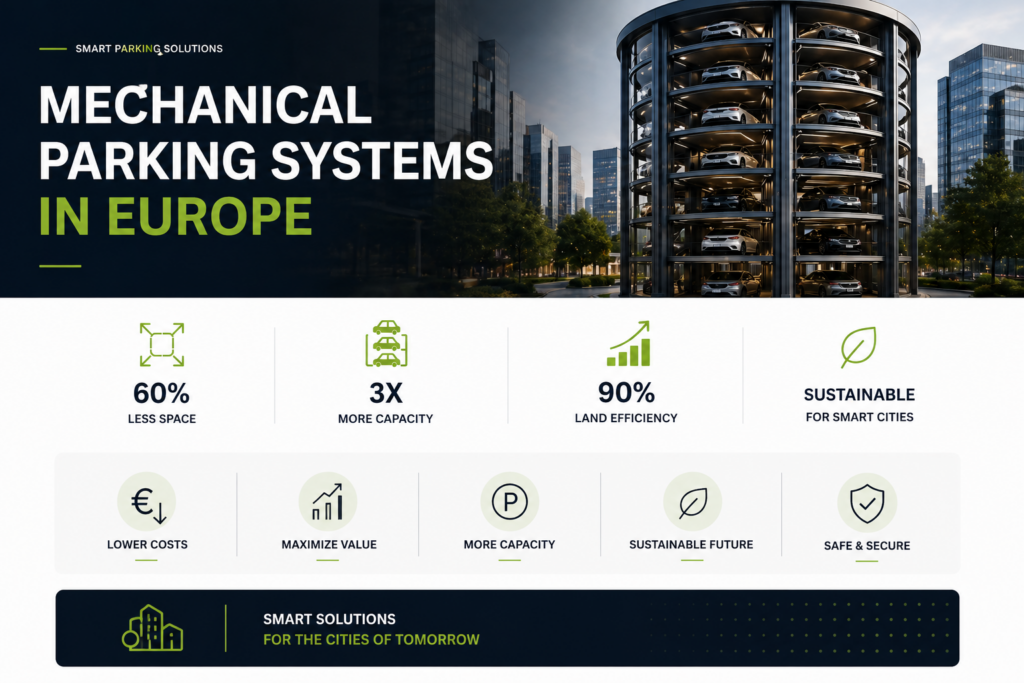
As a result, developers increasingly recognize parking as an extension of the building’s overall luxury offering rather than simply a regulatory requirement.
The Hidden Cost of Conventional Parking
One of the biggest misconceptions in modern construction is assuming that traditional parking is always the most economical solution.
In reality, conventional parking consumes valuable development space through ramps, circulation lanes, structural columns, and oversized maneuvering areas.
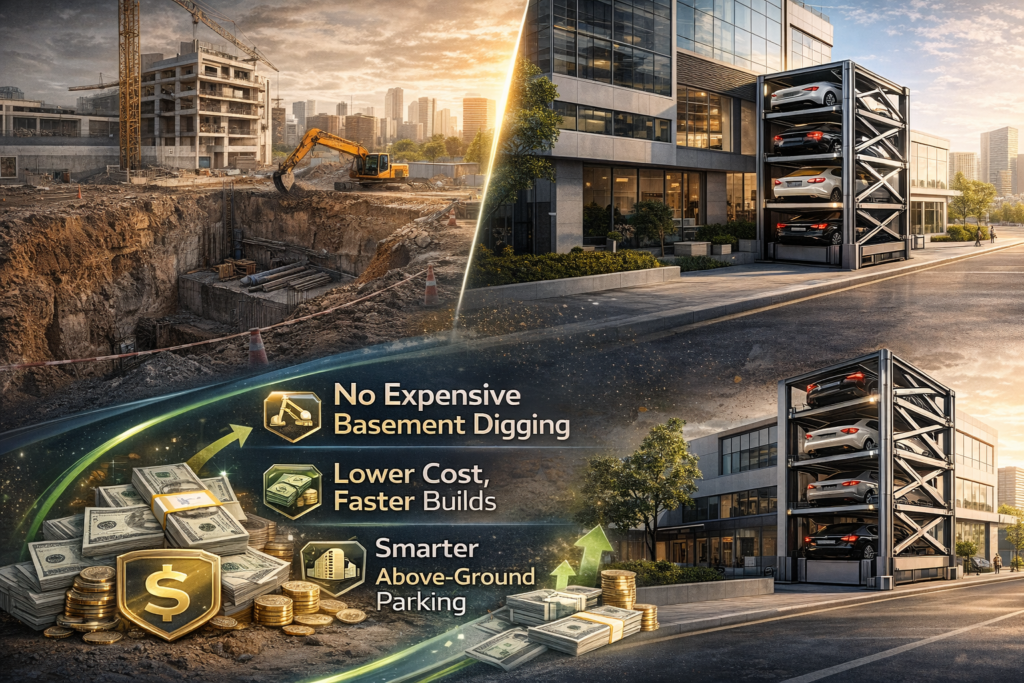
Additional underground levels increase excavation costs, waterproofing requirements, mechanical ventilation systems, and construction schedules.
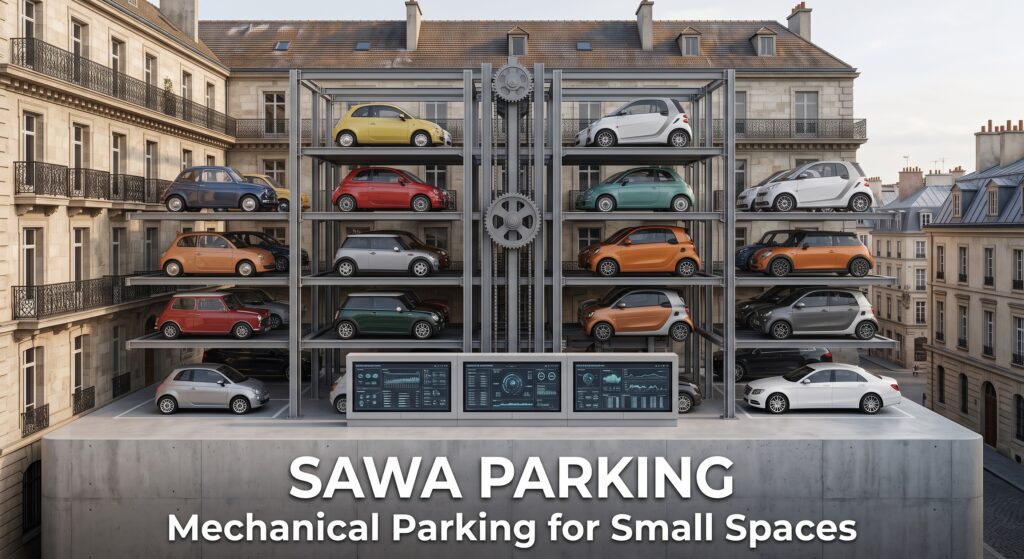
For luxury developments where every square meter carries significant commercial value, these hidden costs become increasingly important during project planning.
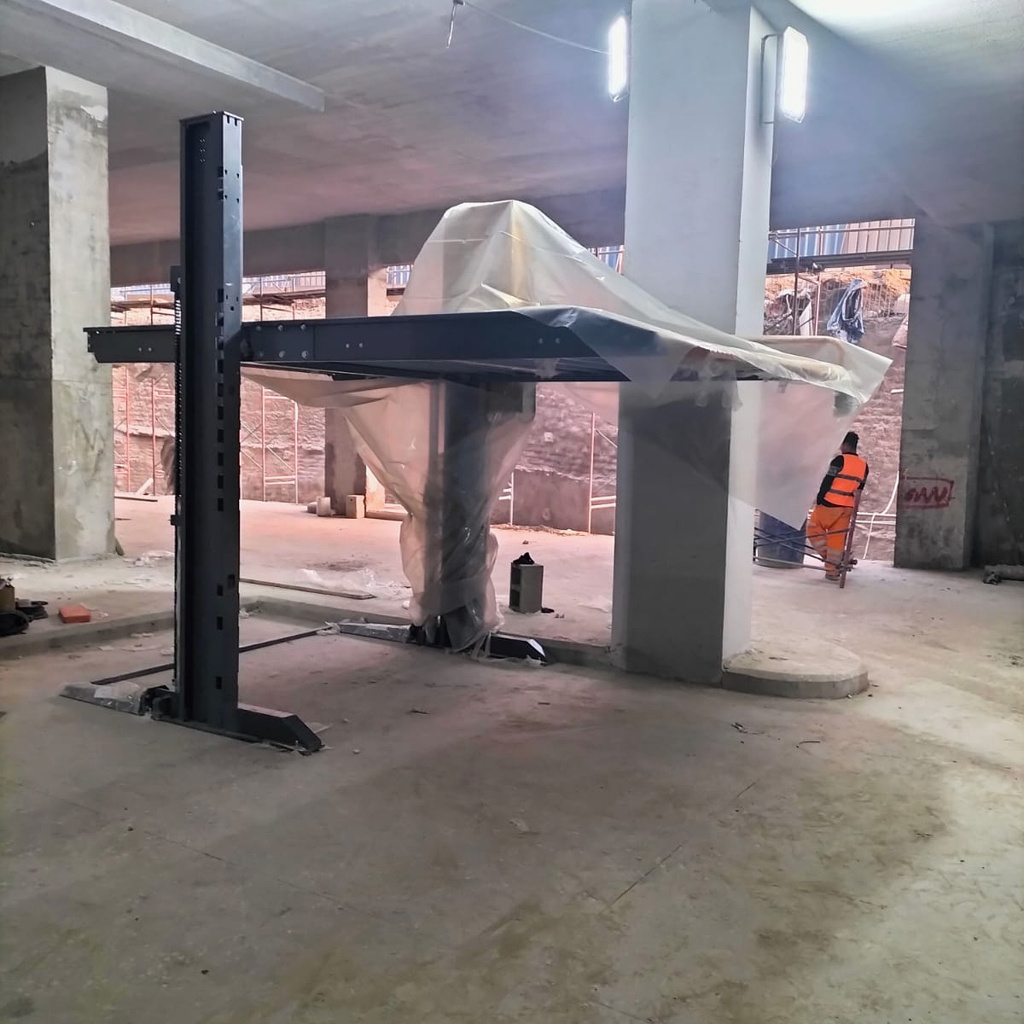
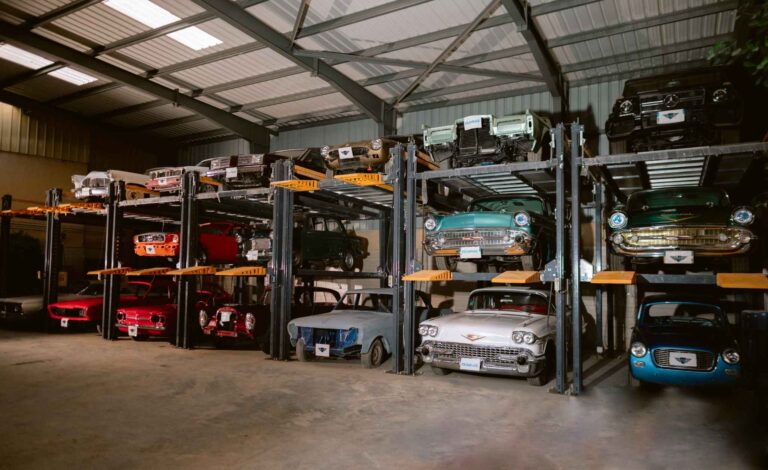
Mechanical parking systems reduce many of these inefficiencies by increasing parking density within the existing footprint while allowing developers to preserve more space for apartments, retail outlets, hospitality facilities, or public amenities.