


Smart Parking Systems Support France’s Sustainable Development Goals
France has made sustainability one of the central pillars of its urban development strategy. Cities are investing in cleaner transportation networks, reducing carbon emissions, expanding green infrastructure, and encouraging more efficient land use. Parking infrastructure has become an important part of this transition because inefficient parking directly contributes to traffic congestion, unnecessary fuel consumption, and higher environmental impact.
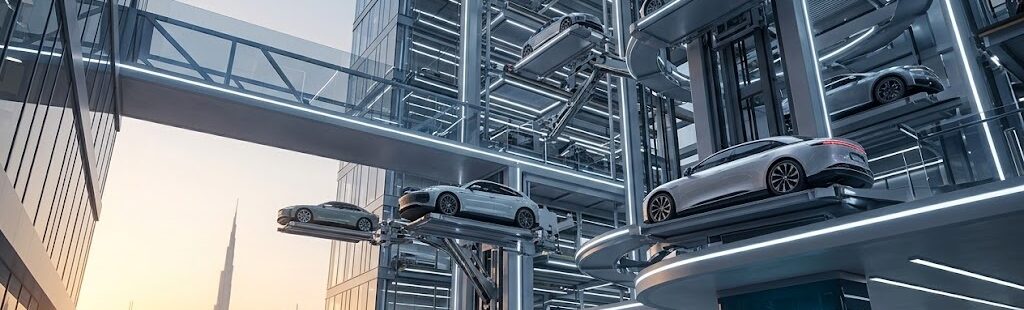
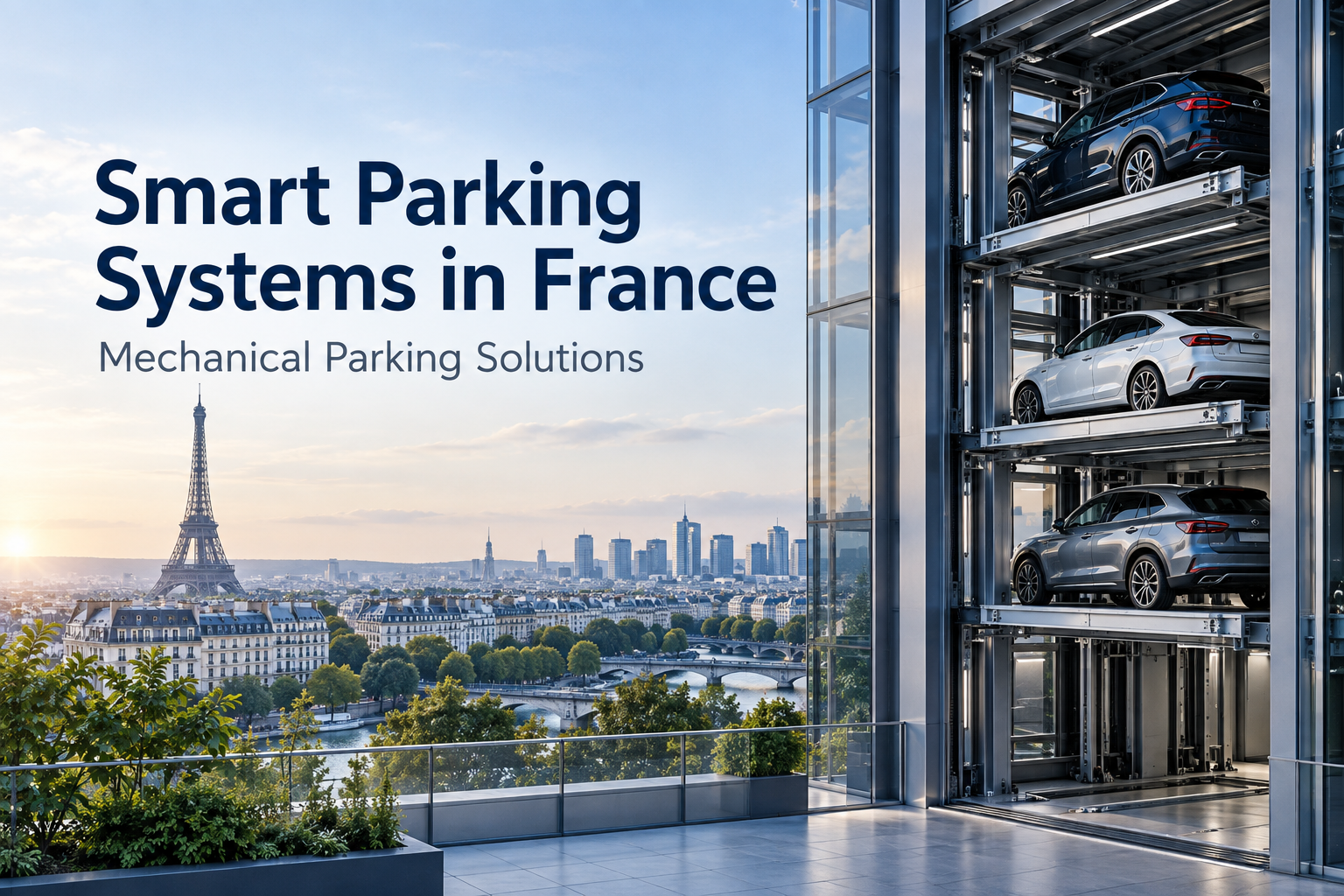
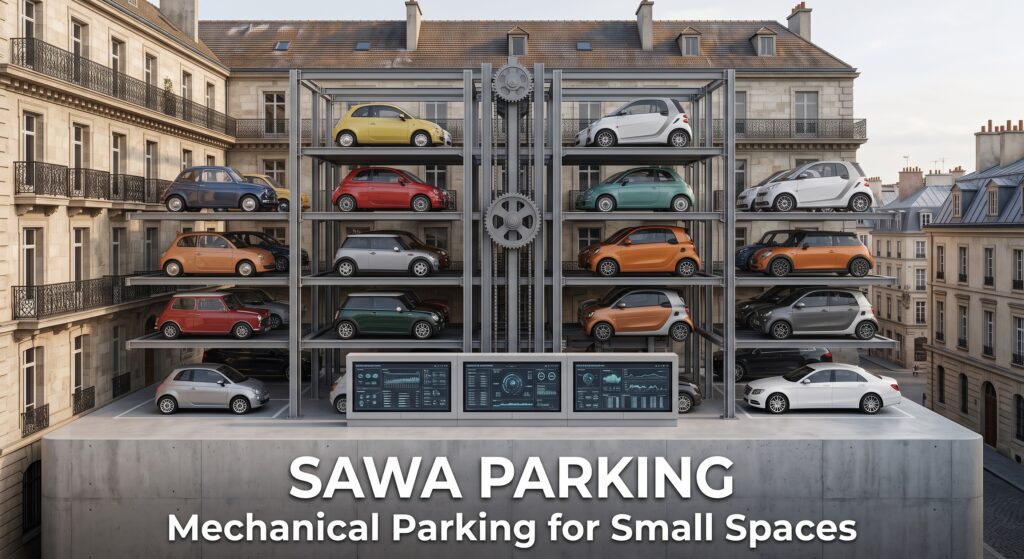
Mechanical parking systems support these objectives by allowing more vehicles to be accommodated within significantly smaller areas. Instead of allocating large plots of land to conventional parking layouts, developers can preserve valuable urban space for landscaping, public amenities, commercial activities, or additional residential units. This efficient use of land aligns closely with France’s long-term sustainability vision.
Another important advantage is the reduction of unnecessary vehicle circulation. When drivers can access organized parking more quickly, they spend less time searching for available spaces, reducing traffic congestion and lowering vehicle emissions. These operational improvements contribute directly to creating cleaner and more efficient cities.
As French municipalities continue investing in sustainable infrastructure, mechanical parking systems are expected to become an increasingly common component of both public and private developments.
Mechanical Parking Systems for Residential Developments in France
Residential developments across France are changing rapidly. Modern apartment buildings are becoming denser while residents continue expecting convenient and secure parking facilities.
Although public transportation is widely available in many French cities, private vehicles remain essential for families, business professionals, and residents living outside city centers. At the same time, visitor parking, delivery services, and maintenance vehicles create additional parking demand throughout the day.
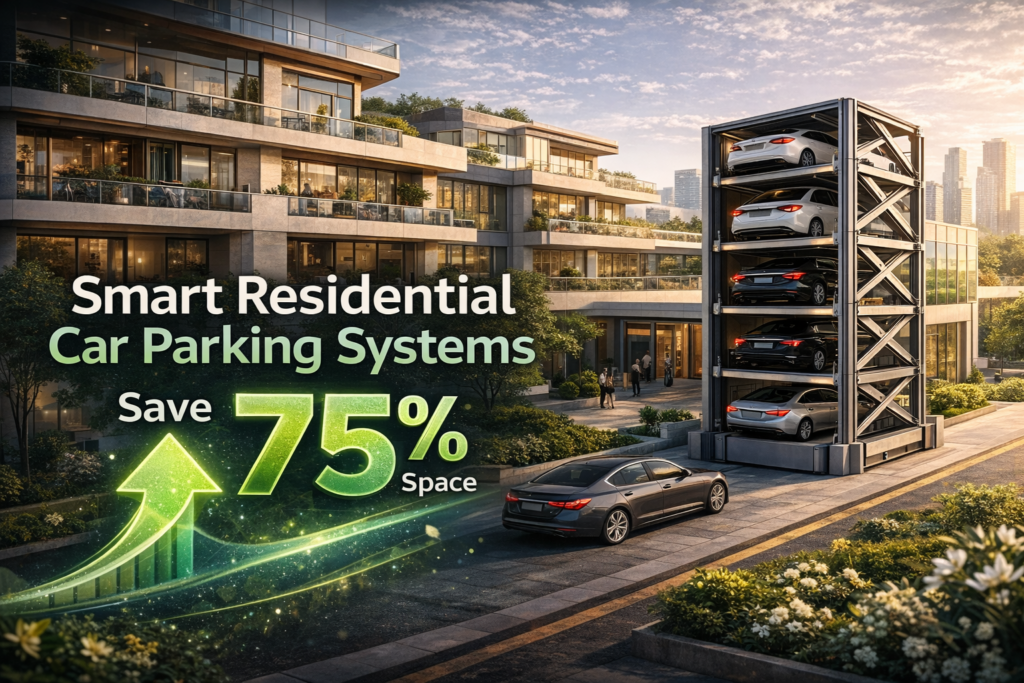
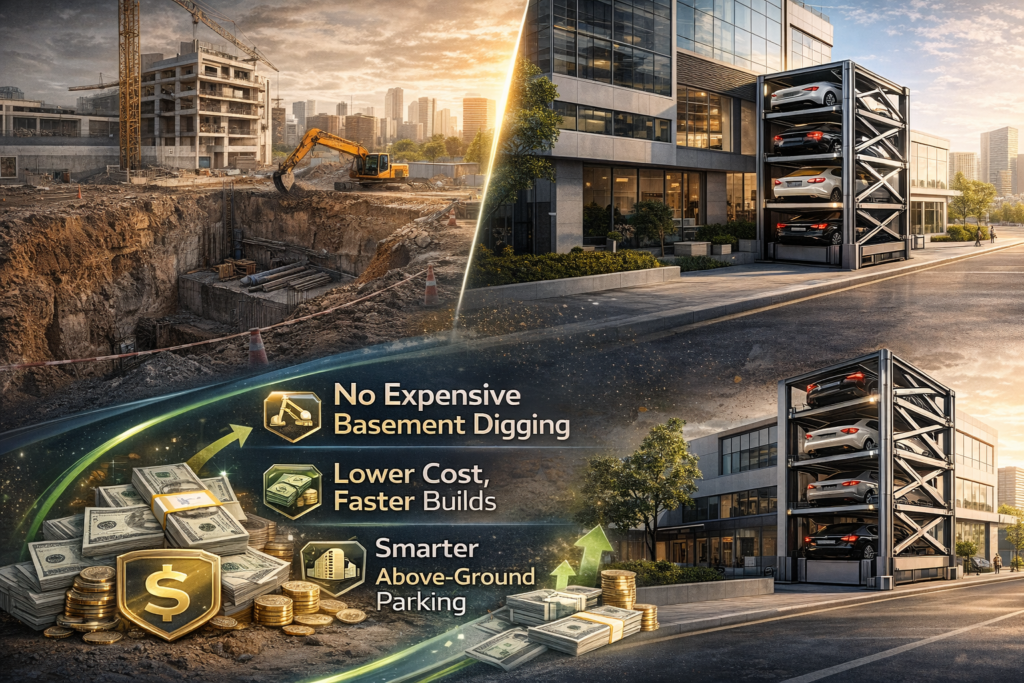
Mechanical parking systems allow residential developers to increase parking capacity without expanding the project footprint. Instead of sacrificing landscaped areas or constructing additional underground levels, developers can integrate vertical parking technologies that maximize available space.
These solutions also improve property value by providing organized, secure, and future-ready parking infrastructure capable of supporting changing mobility needs.
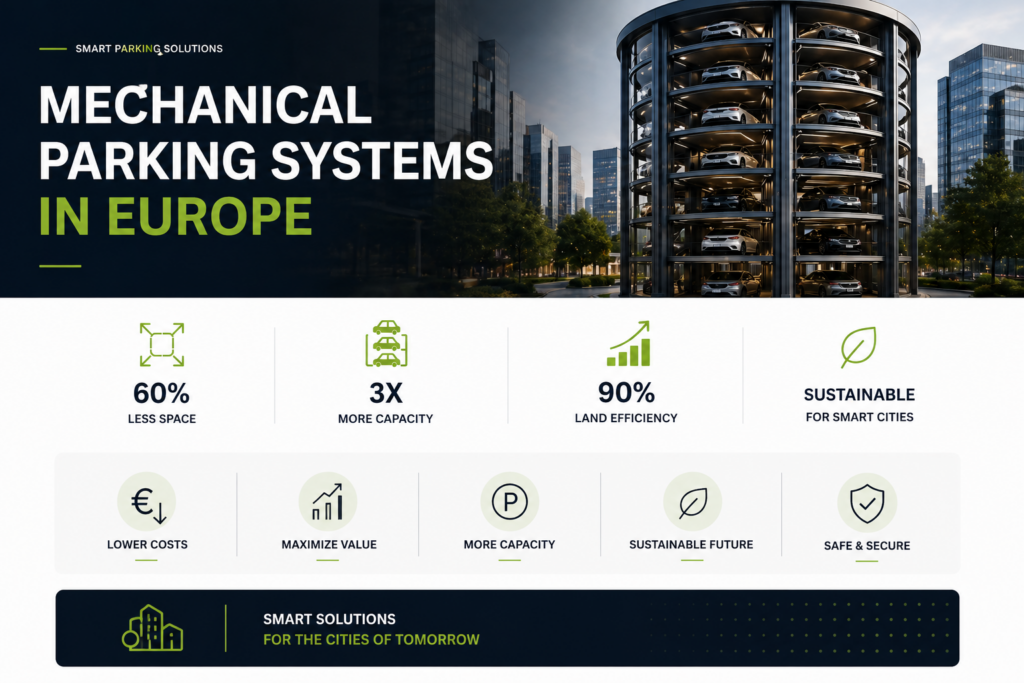
Developers seeking efficient parking layouts frequently compare Car Stacker Parking Lifts, Puzzle Parking Systems, and Automated Parking Systems before selecting the most appropriate solution for their projects.Mechanical Parking Systems in Egypt | Sawa Parking
Hotels and Commercial Buildings Require Smarter Parking
France welcomes millions of international visitors every year, making hospitality one of the country’s most important economic sectors.
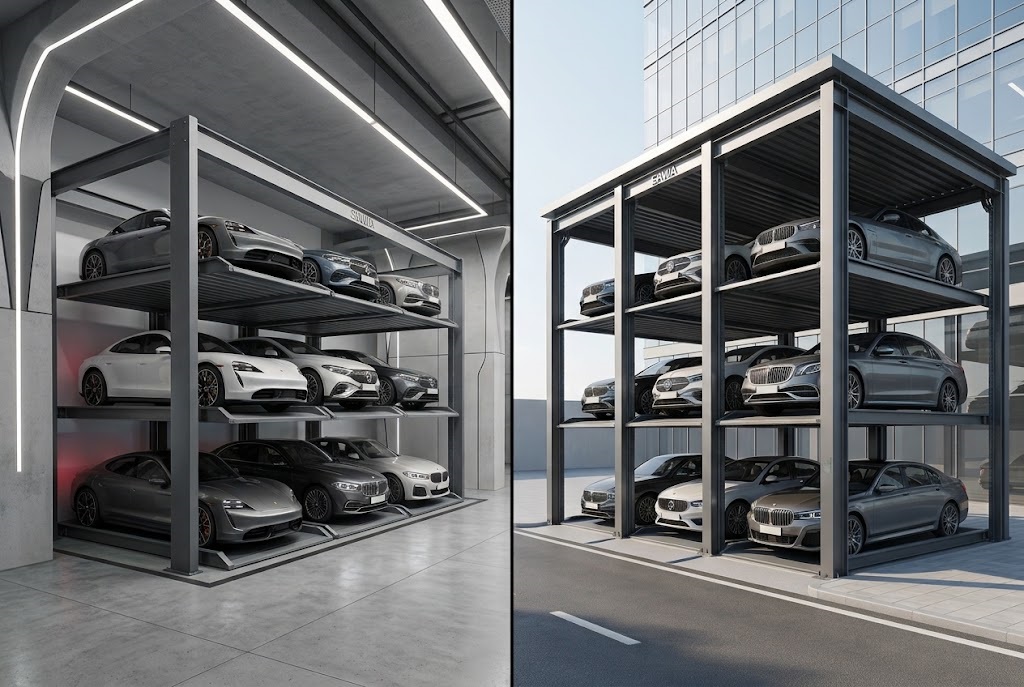
Hotels located in Paris, Nice, Cannes, Lyon, Bordeaux, and other major cities often operate in areas where land availability is extremely limited. Providing sufficient parking for guests without compromising valuable hotel facilities has therefore become a major operational challenge.
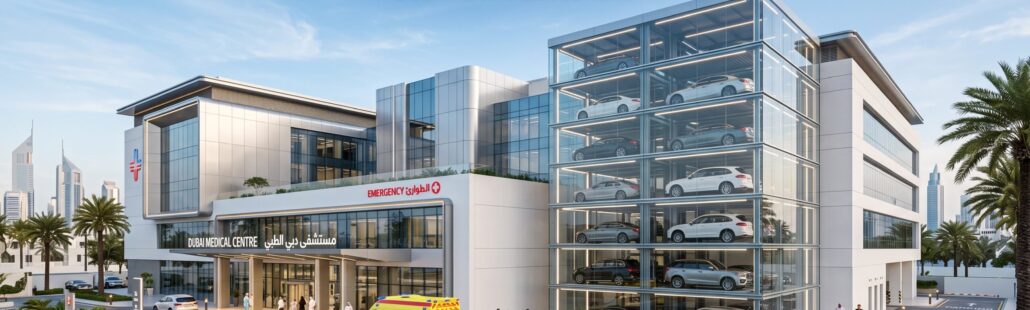
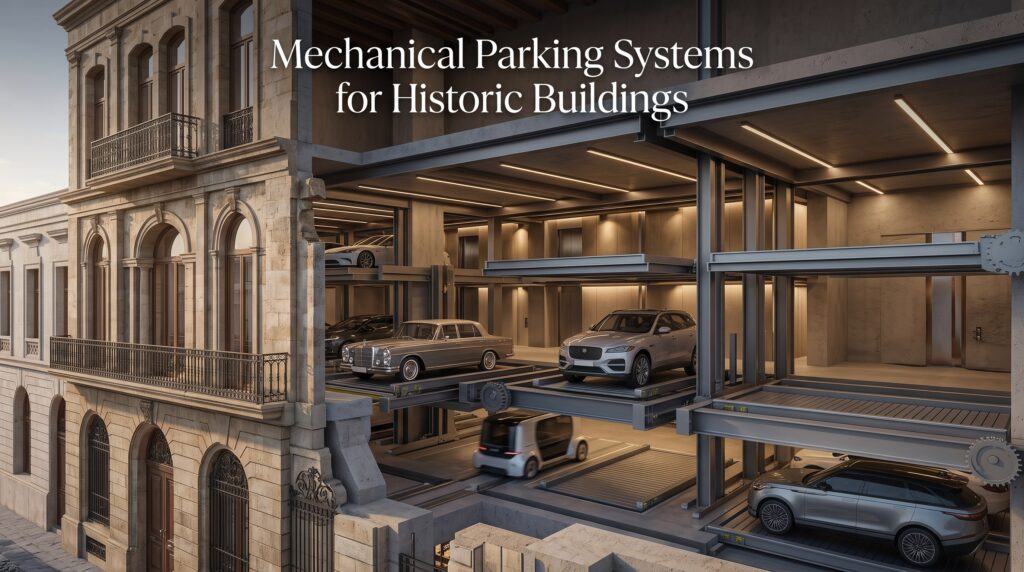
Mechanical parking systems enable hotels to significantly increase parking capacity while maintaining premium guest experiences. Instead of expanding parking areas horizontally, hotels can install compact mechanical systems that efficiently utilize vertical space.
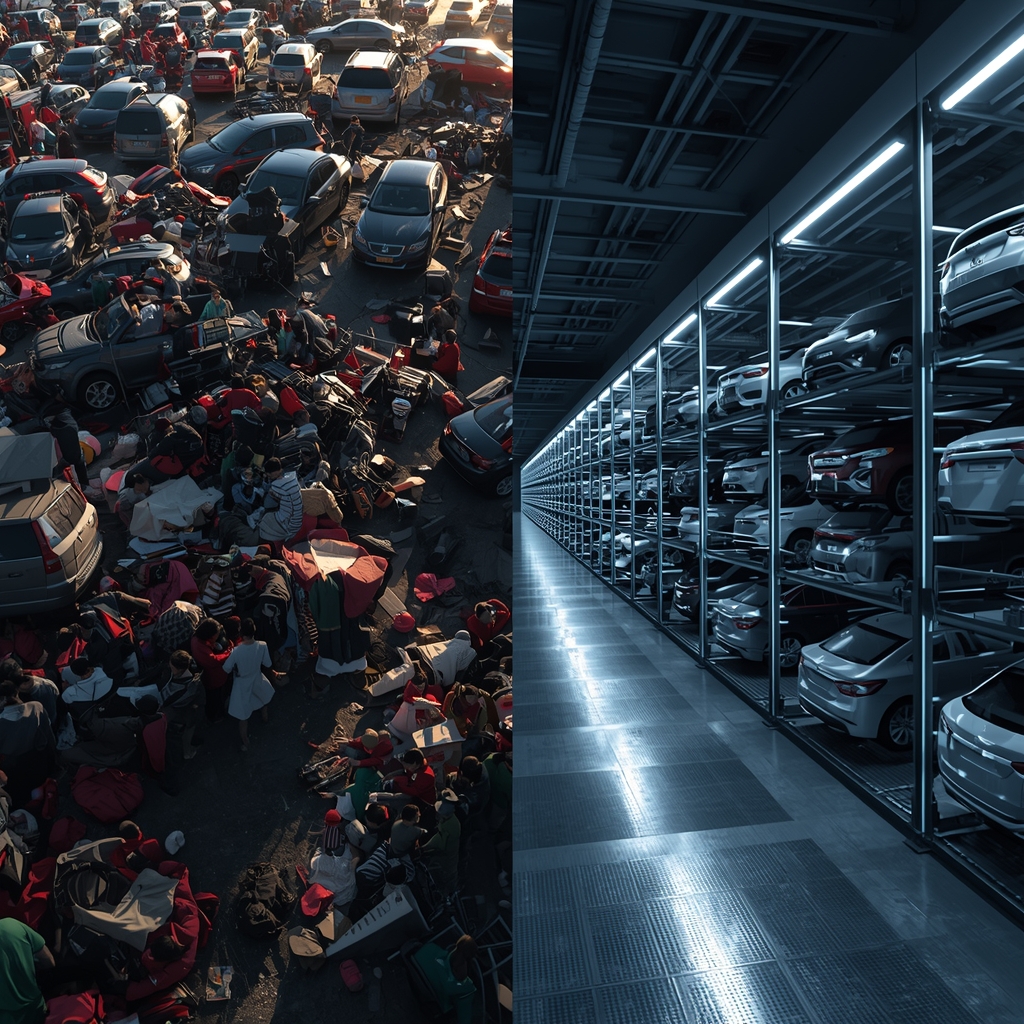
Commercial buildings face similar challenges. Office developments, business centers, and retail destinations attract hundreds of vehicles every day while operating on relatively compact urban sites.
Mechanical parking technologies help these developments accommodate more users, improve accessibility, and enhance operational efficiency without requiring additional land acquisition.
To better understand how parking technologies improve hospitality operations, you can also read our guide about Hotel Parking Management Solutions in Europe. Mechanical Parking Systems for Modern Airports | Smart Parking
Mixed-Use Developments Are Driving Demand for Mechanical Parking
Modern French cities increasingly favor mixed-use developments that combine residential units, offices, retail spaces, restaurants, hotels, and entertainment facilities within one integrated destination.
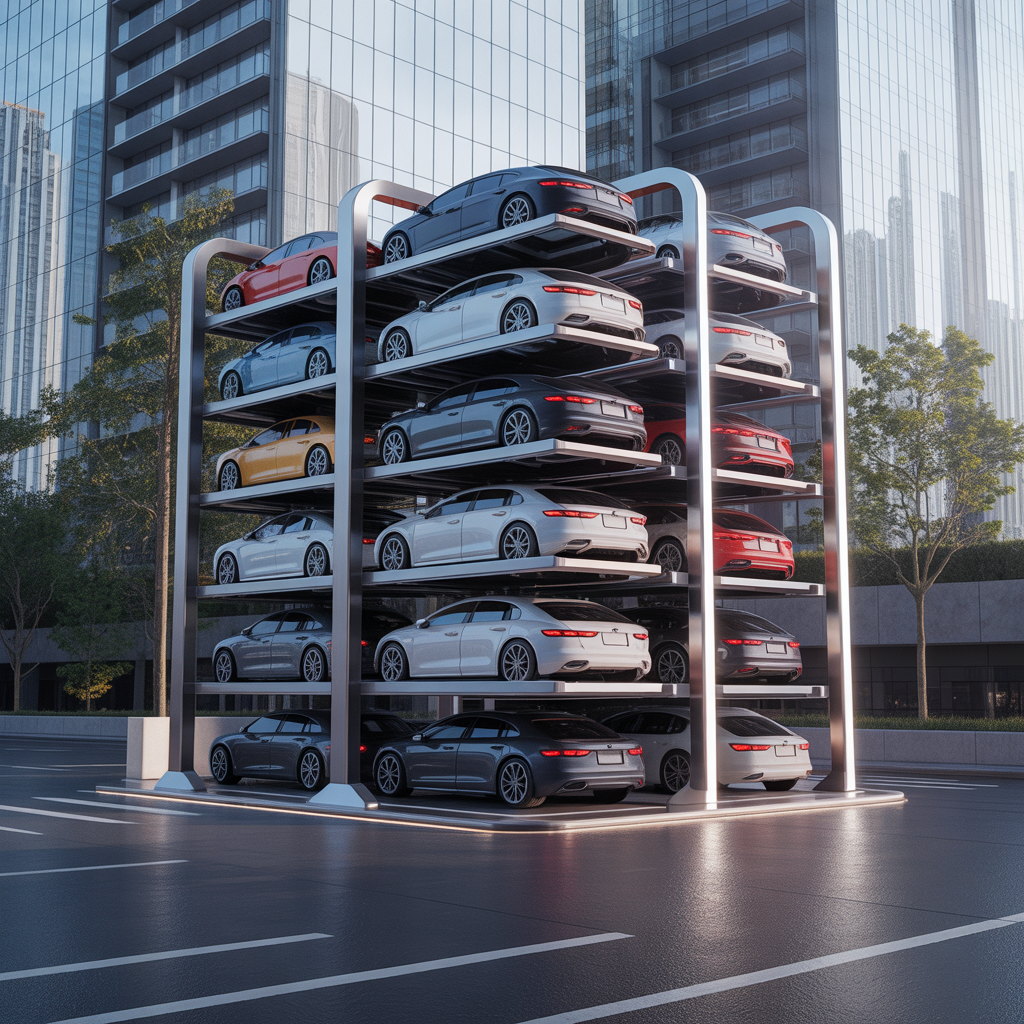
- While these projects create vibrant urban communities, they also generate highly dynamic parking demand.
- Residents require overnight parking.
- Office employees occupy spaces during working hours.
- Retail customers generate short-term parking turnover.
- Restaurants experience evening traffic.
- Hotels operate continuously throughout the day.
Managing these different user groups using conventional parking layouts often leads to congestion and inefficient space utilization. Mechanical parking systems provide developers with greater flexibility by increasing parking density while optimizing vehicle circulation for multiple user groups. This makes them particularly valuable for modern urban developments where land efficiency directly influences project profitability.
Why Egypt Is Becoming a Reliable Manufacturing Partner
The growing European demand for mechanical parking systems is creating new opportunities for international engineering and manufacturing partnerships.
Egypt has emerged as one of the region’s most promising manufacturing destinations thanks to its expanding industrial capabilities, skilled engineering workforce, competitive production costs, and strategic geographic location connecting Europe, Africa, and the Middle East.
These advantages enable Egyptian manufacturers to deliver customized mechanical parking solutions while maintaining high engineering quality and competitive lead times.
Companies such as Sawa Parking are contributing to this transformation by designing and manufacturing mechanical parking systems suitable for residential developments, hotels, commercial buildings, hospitals, airports, and mixed-use projects.
As developers increasingly prioritize reliable engineering, responsive technical support, and customized project solutions, regional manufacturing partnerships are expected to play a growing role in the future of Europe’s parking industry.
Why Choose Sawa Parking
Every development presents unique parking challenges. The available land, building configuration, traffic volume, user behavior, and operational objectives all influence the type of parking solution that should be selected.
Sawa Parking provides customized mechanical parking systems engineered to maximize parking capacity while optimizing land utilization and operational performance.
The company’s portfolio includes:
- Puzzle Parking Systems
- Rotary Parking Systems
- Car Stacker Parking Lifts
- Scissor Parking Systems
- 4 Posts Car Elevators
- Tilting Car Parking Lifts
- Automated Parking Systems
From the initial feasibility study through engineering design, manufacturing, installation, commissioning, and after-sales support, Sawa Parking works closely with developers to deliver reliable parking infrastructure tailored to each project’s specific requirements.
By combining engineering expertise, manufacturing capabilities, and practical project experience, Sawa Parking helps clients build more efficient, sustainable, and future-ready developments.
Conclusion
France is redefining the future of urban mobility by prioritizing sustainable transportation, pedestrian-friendly environments, and more efficient land utilization. While these initiatives improve the quality of urban life, they also require developers to rethink traditional parking strategies.
Mechanical parking systems provide an effective solution by increasing parking capacity without expanding project footprints or compromising valuable urban space. From residential buildings and hotels to commercial developments and mixed-use projects, these technologies are becoming an essential part of modern construction across France.
As European cities continue evolving, the importance of efficient parking infrastructure will only continue to grow. Developers who adopt mechanical parking systems today will be better prepared to meet tomorrow’s urban mobility challenges while creating projects that are more sustainable, competitive, and valuable.
References
- European Parking Association (EPA). Parking Policy and Sustainable Urban Mobility in Europe.
https://www.europeanparking.eu - Ministère de la Transition écologique (France). Mobilité durable et politiques urbaines.
https://www.ecologie.gouv.fr - Ville de Paris. Plan Vélo et Transformation de l’Espace Public.
https://www.paris.fr - CEREMA. Urban Mobility, Parking Management and Sustainable City Planning.
https://www.cerema.fr