


Mechanical Parking Systems in Egypt
Egypt is entering one of the most important urban development phases in its modern history. Across Cairo, New Cairo, Sheikh Zayed, the New Administrative Capital, New Alamein, and major mixed-use districts, the demand for smarter infrastructure is increasing faster than ever. As cities expand and projects become larger, parking is no longer a secondary design detail. It has become a critical part of urban planning, real estate value, traffic flow, and daily user experience.
Traditional parking methods are no longer enough to support the scale of modern Egyptian developments. Large ramps, wide circulation lanes, deep basement construction, and inefficient parking layouts consume valuable space while increasing project cost. In high-density areas, every square meter matters, and developers can no longer afford to waste large areas on outdated parking solutions that do not maximize capacity.
This is why mechanical parking systems in Egypt are becoming essential. These systems allow developers to increase parking capacity, reduce land consumption, improve traffic circulation, and create more efficient urban projects. From residential compounds and commercial buildings to hotels, hospitals, malls, and smart city developments, mechanical parking is becoming one of the most practical solutions for Egypt’s current and future parking challenges.
Why Mechanical Parking Systems in Egypt Are Becoming Essential
The demand for mechanical parking systems in Egypt is rising because the country is facing several infrastructure challenges at the same time. Urban density is increasing, vehicle ownership is growing, land prices are rising, and underground construction costs are becoming more expensive. These pressures are pushing developers to search for smarter alternatives that can solve parking problems without expanding the project footprint.
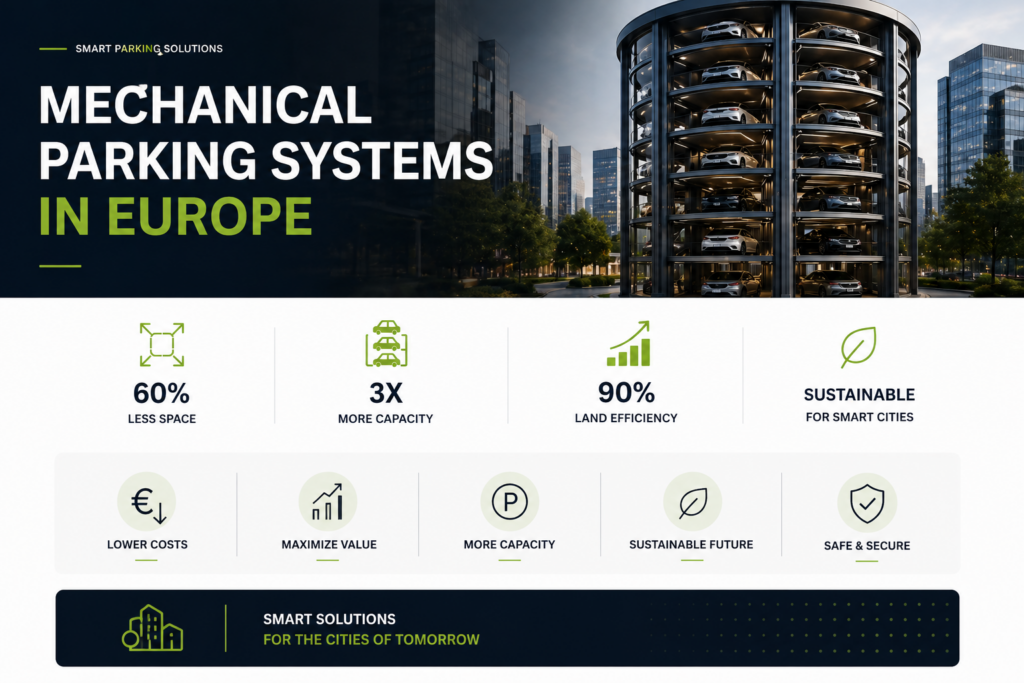
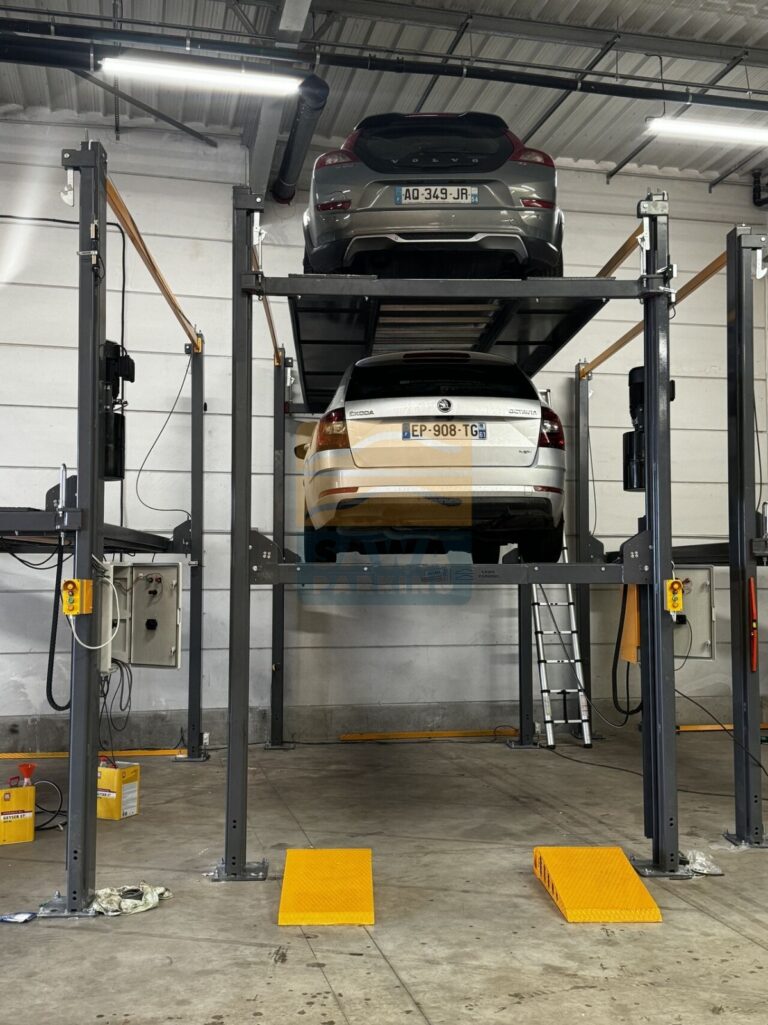
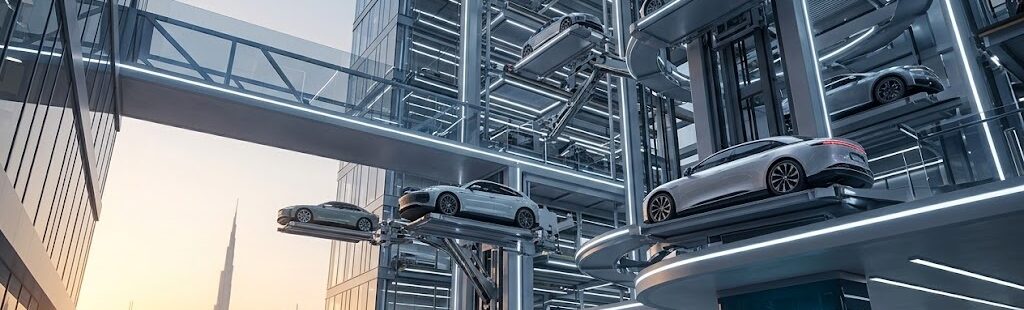
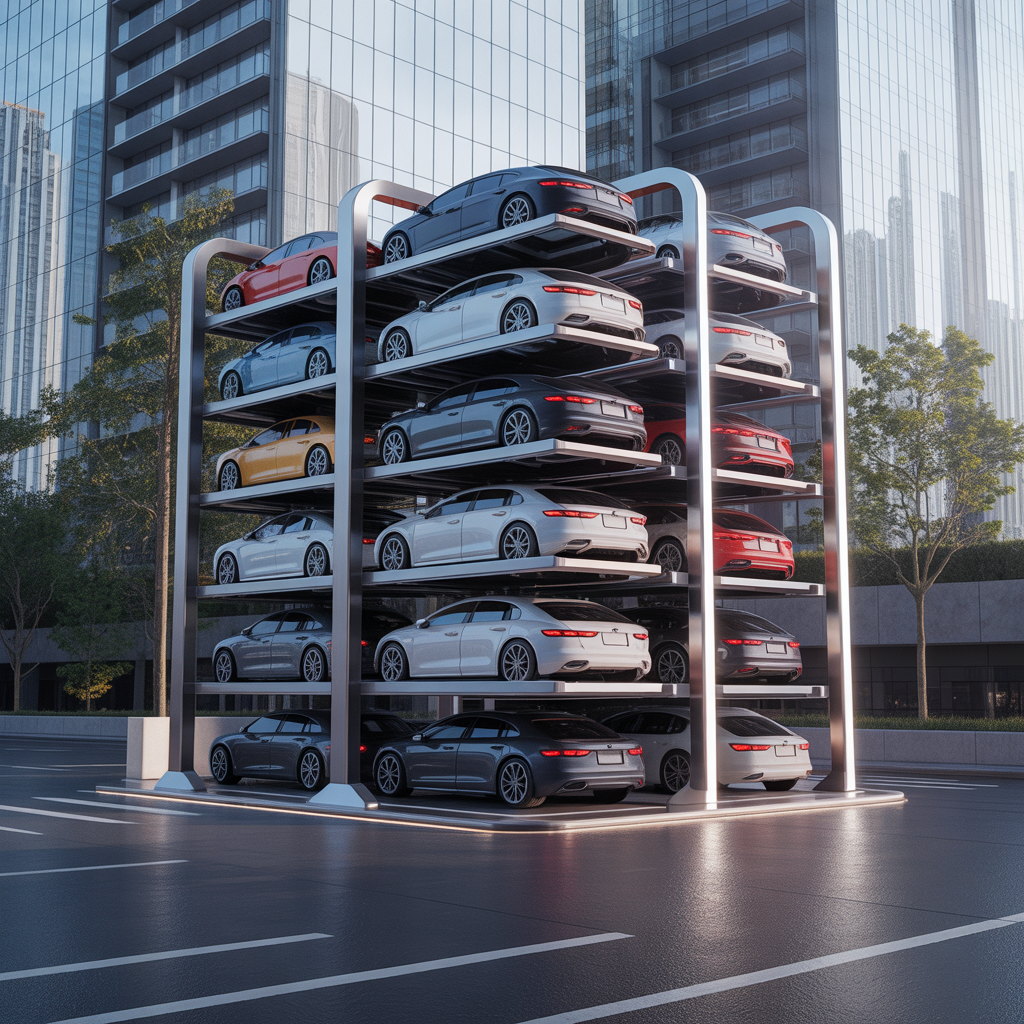
Mechanical parking systems provide a direct answer to this challenge. Instead of depending only on traditional horizontal parking, these systems use vertical movement, automated lifting, stacking mechanisms, and compact engineering designs to park more vehicles in less space. This makes them highly suitable for cities like Cairo, where available land is limited and traffic congestion is already a major daily issue.
Developers planning modern projects can explore solutions such as Puzzle Parking System, Rotary Parking System, Car Stacker Parking Lift, and Automated Parking Systems to select the most suitable option for their project layout and parking demand.
The Parking Crisis in Egypt’s Modern Cities
Parking problems in Egypt are no longer limited to public streets. They now affect residential compounds, commercial towers, malls, hospitals, universities, hotels, and mixed-use developments. Many projects were designed with traditional parking assumptions that no longer match today’s vehicle demand. As families own more cars and visitor traffic increases, parking capacity often becomes insufficient only a few years after project delivery.
In many developments, cars begin to occupy internal roads, emergency access routes, landscape edges, and building entrances. This creates visual disorder, safety risks, traffic congestion, and resident dissatisfaction. For commercial projects, poor parking can reduce visitor flow and directly affect business performance. For residential projects, it can reduce the perceived value of the entire community.
This is why mechanical parking is becoming a necessity, not a luxury. A project that ignores parking today may face serious operational problems tomorrow. Developers who integrate mechanical parking systems early can avoid expensive redesigns, reduce complaints, and create a more future-ready project.
Traditional Parking Is Becoming Too Expensive
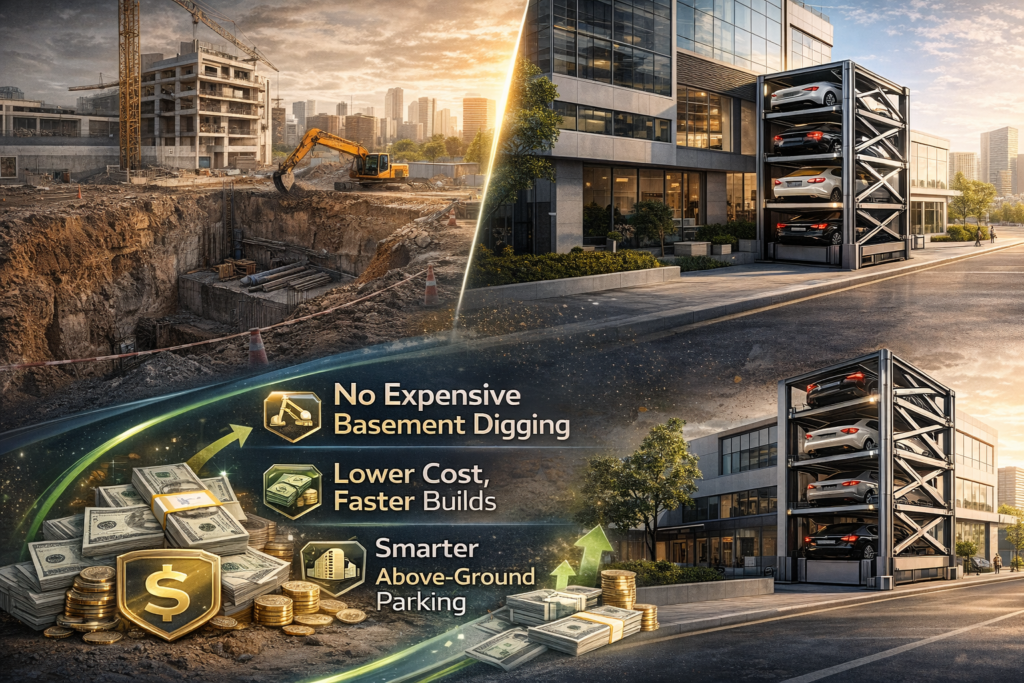
Traditional parking requires large areas for vehicle movement, ramps, turning spaces, and circulation lanes. These elements do not directly increase parking capacity, yet they consume significant project space. In underground parking, the cost becomes even higher because excavation, waterproofing, ventilation, fire systems, drainage, and reinforced concrete structures all increase the overall construction budget.
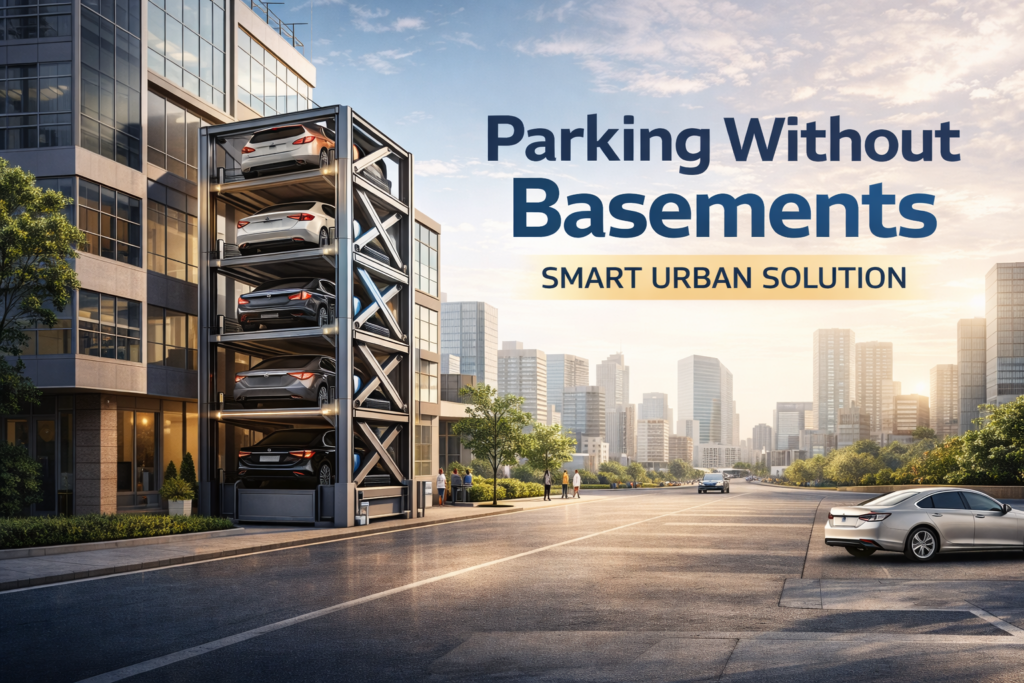
In Egypt’s modern developments, this cost pressure is becoming more visible. Developers want to reduce unnecessary basement construction while still meeting parking requirements. Mechanical parking systems help achieve this balance by increasing capacity within smaller areas. Instead of adding more basement levels, a developer can use vertical or stacked systems to multiply parking spaces efficiently.
For projects comparing traditional parking with smarter alternatives, a strong CTA can be placed here: Learn more about Underground Parking Cost vs Mechanical Parking Systems to understand how smart parking can reduce long-term construction pressure.
Types of Mechanical Parking Systems in Egypt
There are several types of mechanical parking systems in Egypt, and each one serves a different project need. The right choice depends on land area, basement height, vehicle flow, budget, user type, and required parking capacity. This is why mechanical parking should always be selected through proper engineering analysis, not only by comparing prices.
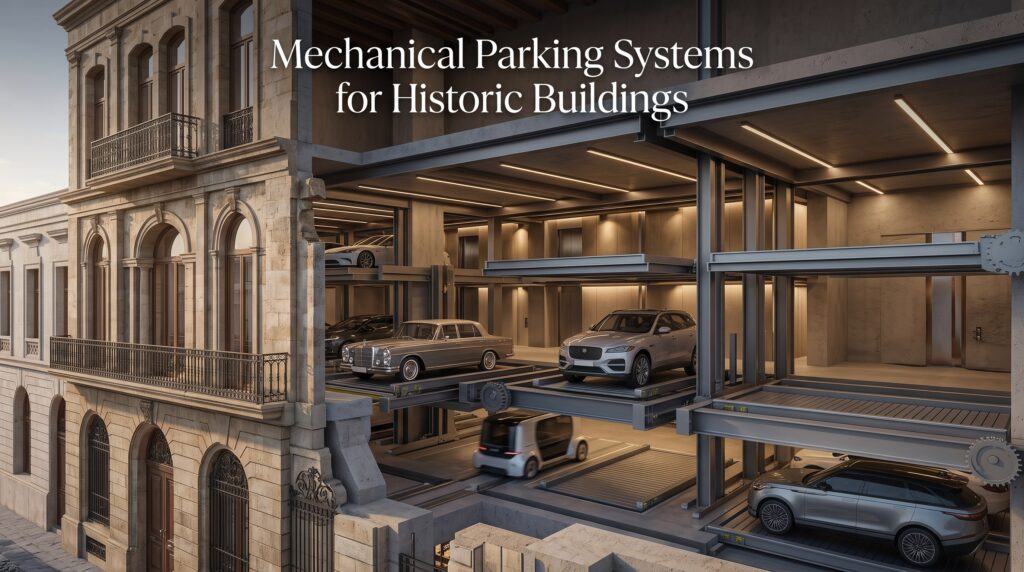
A Puzzle Parking System is suitable for projects that need high capacity with flexible movement between platforms. A Rotary Parking System is ideal for compact urban plots where vertical space can be used efficiently. A Car Stacker Parking Lift is practical for residential buildings and commercial facilities that need simple vehicle stacking. A Scissor Parking System works well in restricted spaces and basements. A 4 Posts Car Elevator is useful for transporting vehicles between levels in villas, towers, showrooms, and smart parking facilities.
To choose the right system, developers should review the project’s parking flow, available space, expected vehicle volume, and user behavior before finalizing the parking design.
Mechanical Parking Systems for Residential Compounds
Residential compounds in Egypt are one of the most important sectors for mechanical parking systems. Modern compounds in New Cairo, Sheikh Zayed, Mostakbal City, and the New Administrative Capital are becoming larger, denser, and more dependent on organized mobility. Residents now expect smooth access, secure parking, visitor spaces, and clean internal roads without random vehicle overflow.
Traditional compound parking often fails when future demand is underestimated. A family may own two or three cars, while visitor parking increases during weekends, holidays, and community events. If the project does not provide enough spaces, internal roads become crowded, entrances become congested, and the luxury living experience is affected.
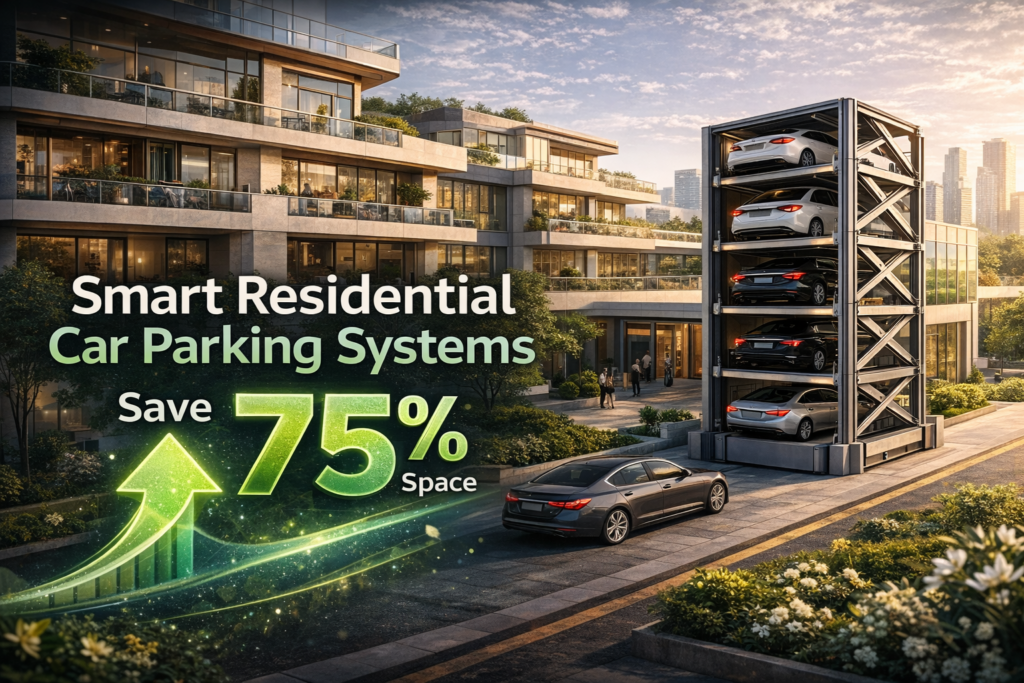
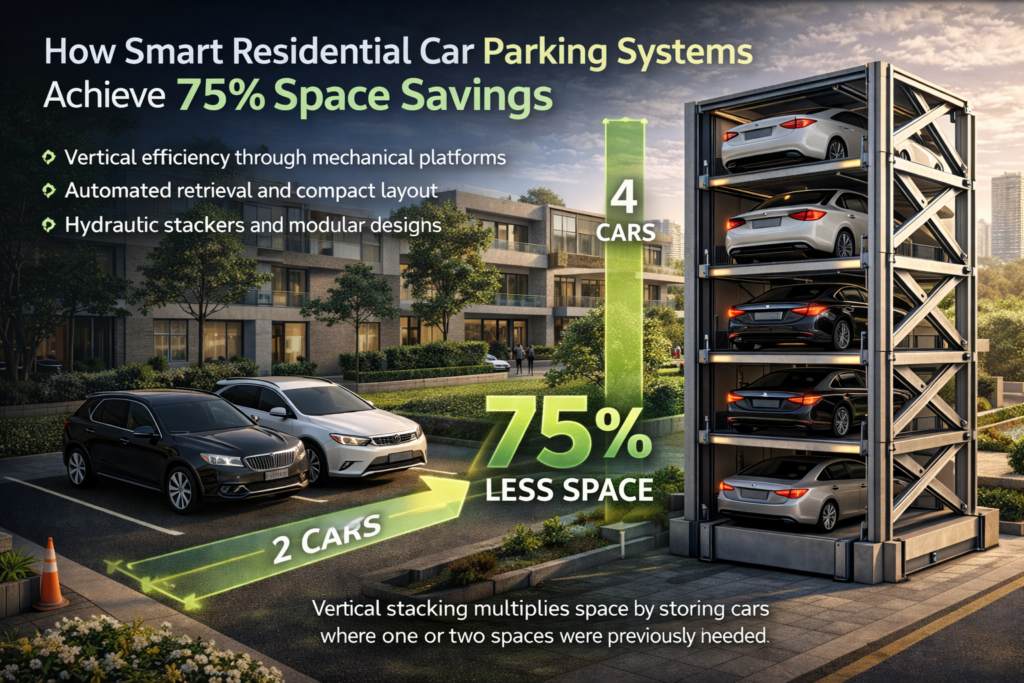
Mechanical parking systems allow residential developers to increase capacity without sacrificing green areas, clubhouses, amenities, or pedestrian spaces. For luxury communities, smart parking is becoming part of the overall lifestyle promise. A useful internal CTA can be placed here: Discover how Smart Parking Systems for Luxury Residential Communities improve comfort, safety, and property value.
Mechanical Parking Systems for Commercial Buildings
Commercial buildings need efficient parking because they serve employees, clients, visitors, delivery vehicles, and service teams every day. In Cairo and other major cities, office buildings often face parking shortages during working hours, especially in business districts and mixed-use areas. Poor parking access can affect tenant satisfaction, visitor experience, and the building’s operational efficiency.
Mechanical parking systems can help commercial buildings increase capacity within limited basements or compact land plots. Car stackers, puzzle systems, and automated parking solutions can be used to organize vehicles more efficiently while reducing wasted circulation space. This allows the building to serve more users without requiring large traditional garages.
For developers, this creates a direct business advantage. Better parking improves tenant retention, visitor convenience, and the overall value of the property. In competitive commercial markets, efficient parking can become a strong selling point.
Mechanical Parking Systems for Malls and Retail Centers
Shopping malls depend heavily on parking convenience. If visitors struggle to find parking, they may leave before entering the mall or choose another destination next time. Parking directly affects foot traffic, customer satisfaction, tenant performance, and overall commercial revenue.
Egyptian malls experience heavy parking pressure during weekends, holidays, sales seasons, cinema timings, and major events. Traditional parking layouts may not manage this demand efficiently, especially when entry and exit points become congested. Mechanical parking systems can help malls increase capacity and organize traffic flow more effectively.
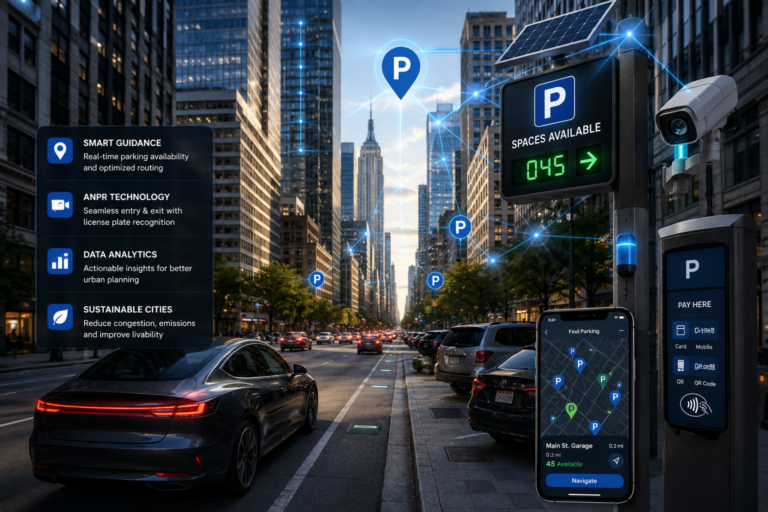
By combining mechanical parking with ANPR technology, parking management software, and smart guidance systems, malls can create a smoother experience for visitors. A good CTA here would be: Read more about Smart Parking Systems for Shopping Malls to see how intelligent parking improves retail performance.
Mechanical Parking Systems for Hotels and Hospitality Projects
Hotels in Egypt, especially in Cairo, the North Coast, Red Sea resorts, and the New Administrative Capital, need parking systems that support both guest experience and operational efficiency. A hotel guest expects a smooth arrival, secure vehicle handling, and fast access. Parking delays can negatively affect the first impression before the guest even reaches reception.
Mechanical parking systems help hotels increase capacity while preserving valuable land for rooms, restaurants, event spaces, landscape areas, and guest facilities. For luxury hotels, parking should feel organized, private, and premium. Automated parking, car elevators, and smart access systems can support this experience.
Hotels can also benefit from ANPR parking systems and valet management technologies to improve guest flow. A suitable internal CTA can be: Explore Hotel Parking Management Solutions in Europe to understand how smart parking supports modern hospitality operations.
Mechanical Parking Systems for Hospitals
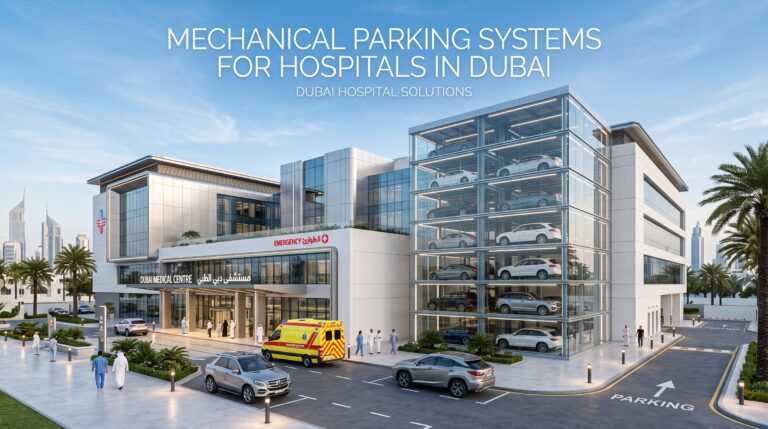
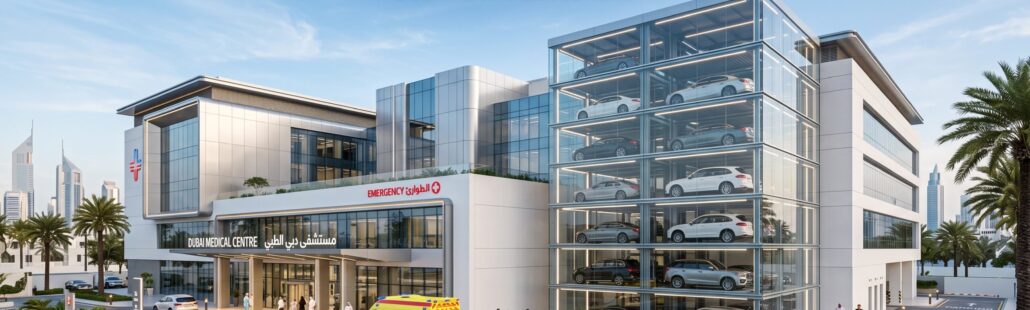
Hospitals require some of the most efficient parking systems because accessibility is directly connected to service quality. Patients, doctors, nurses, visitors, ambulances, and suppliers all need organized vehicle movement. Any congestion at entrances or parking areas can affect hospital operations and create stress for patients and families.
Mechanical parking systems can help hospitals increase capacity within limited urban plots. They can also support better separation between staff parking, visitor parking, emergency access, and service areas. When combined with ANPR systems, hospitals can automate access for doctors, emergency vehicles, and authorized staff.
This makes mechanical parking a practical infrastructure solution for modern healthcare facilities. A strong CTA can be placed here: Learn how ANPR Parking Systems Improve Hospital Operations through faster access, better security, and smarter traffic control.
Why Egypt Can Become a Manufacturing Hub for Mechanical Parking Systems
Egypt has a strong opportunity to become a regional manufacturing hub for mechanical parking systems. The country has competitive manufacturing costs, skilled engineers, a strategic geographic location, and access to markets in Africa, the Middle East, and Europe. As global shipping costs, customs complexity, and supply chain disruptions continue affecting imported systems, local manufacturing becomes increasingly valuable.
For developers in Egypt and nearby markets, working with an Egyptian manufacturer can reduce delivery time, improve customization, simplify maintenance, and make spare parts more accessible. This is especially important for mechanical parking systems because after-sales service, installation quality, and technical support are just as important as the equipment itself.
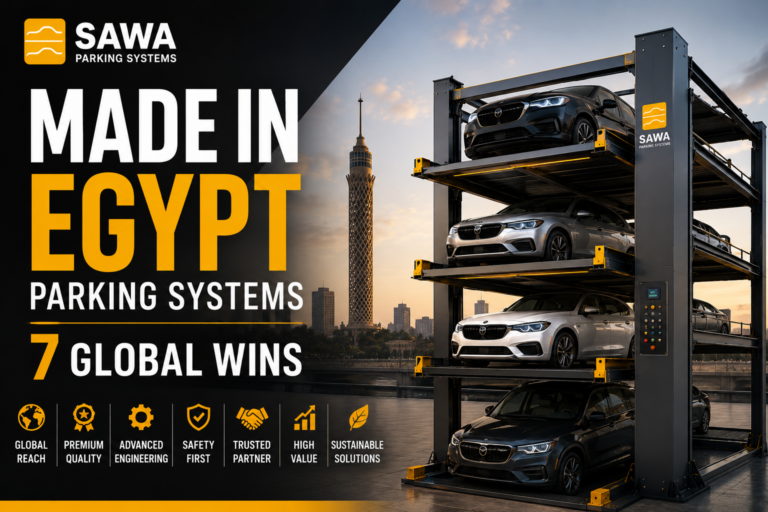
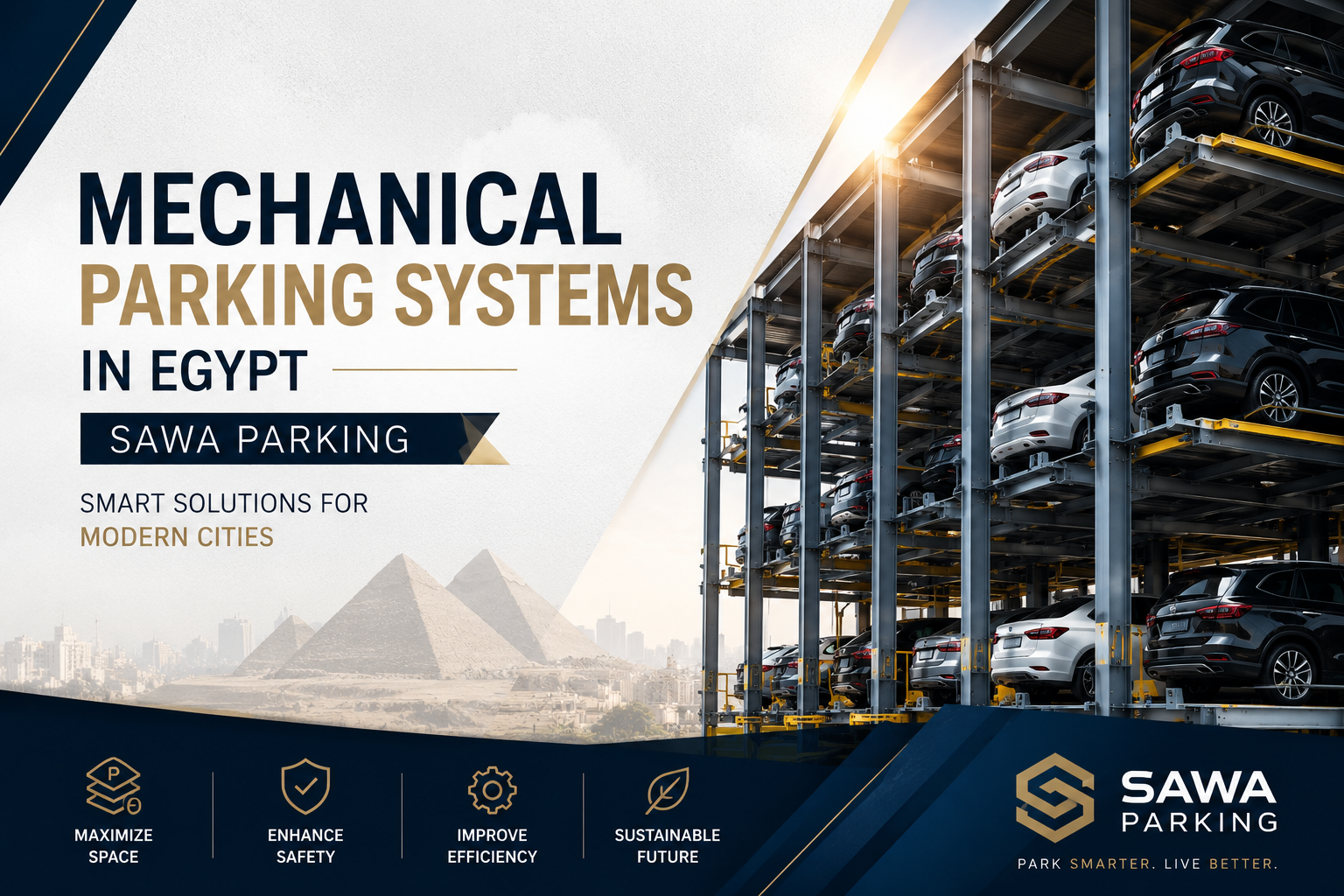
Sawa Parking can position itself as a strong Egyptian provider capable of delivering quality mechanical parking solutions for local and export markets. The message is clear: Egypt is not only a market that needs smart parking; it can also become a source of high-quality mechanical parking systems for the region.
Why Sawa Parking Is the Right Choice
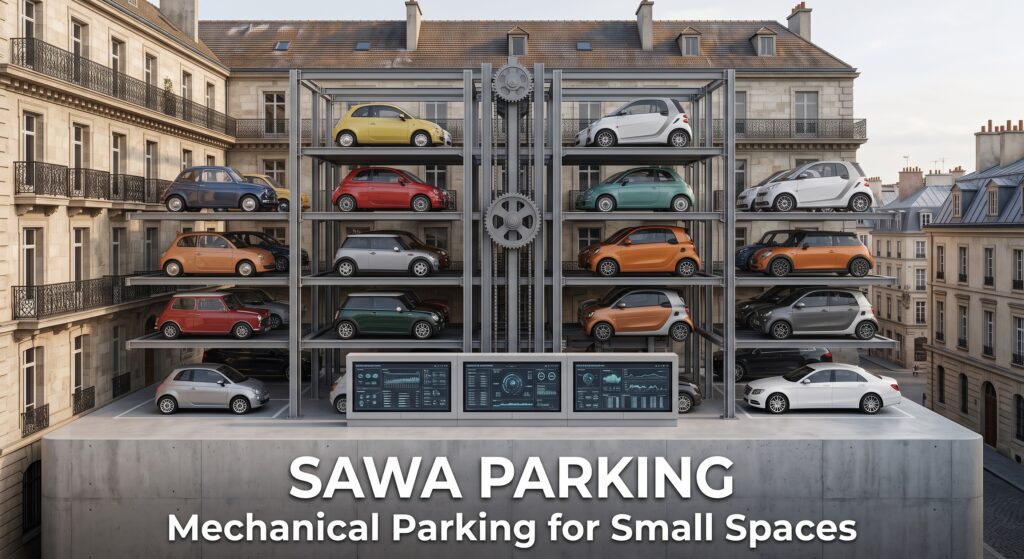
Sawa Parking provides mechanical parking solutions designed for the real challenges facing modern developments in Egypt. The company focuses on customized engineering, efficient space utilization, reliable system selection, and practical solutions that match each project’s conditions. This is important because every development has different requirements, and there is no single parking system that fits every project.
Sawa Parking offers solutions such as Puzzle Parking System, Rotary Parking System, Car Stacker Parking Lift, Scissor Parking System, 4 Posts Car Elevator, Tilting Car Parking Lift, and Automated Parking Systems. These systems help developers increase capacity, reduce construction pressure, improve mobility, and create more efficient parking infrastructure.
Through local manufacturing and engineering support, Sawa Parking helps projects achieve a strong balance between quality, cost efficiency, customization, and long-term service. This makes the company a strong partner for residential, commercial, hospitality, healthcare, and mixed-use developments.
Conclusion
Mechanical parking systems in Egypt are no longer optional solutions for selected luxury projects. They are becoming necessary infrastructure for modern urban development. As cities grow denser, land becomes more expensive, and vehicle ownership increases, traditional parking layouts are no longer able to deliver the efficiency that modern projects require.
Mechanical parking systems allow developers to increase capacity, reduce land consumption, avoid excessive underground construction, and improve user experience. Whether the project is a residential compound, mall, hotel, hospital, airport, office building, or mixed-use destination, mechanical parking can provide a smarter and more future-ready solution.
Egypt also has a major opportunity to lead this field through local manufacturing, engineering expertise, and regional export potential. With companies like Sawa Parking, mechanical parking systems can become one of the strongest infrastructure solutions supporting Egypt’s new generation of cities and developments.
References
Government & Urban Development
- Egypt Ministry of Housing, Utilities and Urban Communities (MHUUC).
National Urban Development Projects and New Cities.
https://www.mhuc.gov.eg - Egypt Vision 2030.
Sustainable Urban Development Strategy.
https://www.vision2030.gov.eg
International Organizations
- United Nations Human Settlements Programme (UN-Habitat).
World Cities Report: Envisaging the Future of Cities.
https://unhabitat.org - Organisation for Economic Co-operation and Development (OECD).
Urban Mobility and Sustainable Cities.
https://www.oecd.org - World Bank.
Urban Development and Sustainable Infrastructure.
https://www.worldbank.org/en/topic/urbandevelopment
Parking & Mobility Research
- International Parking & Mobility Institute (IPMI).
Parking Industry Research and Best Practices.
https://www.parking-mobility.org - British Parking Association (BPA).
Parking Management & Urban Mobility Guidelines.
https://www.britishparking.co.uk - European Parking Association (EPA).
Parking Policy and Smart Mobility in Europe.
https://www.europeanparking.eu
Smart Cities & Infrastructure
- Smart Cities World.
Smart Mobility and Intelligent Parking Infrastructure.
https://www.smartcitiesworld.net - ITS International Magazine.
Intelligent Transportation Systems and Parking Technologies.
https://www.itsinternational.com