


Mechanical Parking Systems for Modern Airports
Airports are among the most complex transportation facilities in the world. Every day, millions of passengers travel through airports for business, tourism, education, healthcare, and international trade. While most discussions about airport infrastructure focus on terminals, runways, security systems, and passenger services, parking infrastructure remains one of the most critical components affecting operational efficiency and passenger experience.
For many travelers, the airport journey begins in the parking area. Whether they are leaving for a short business trip or an extended international vacation, passengers expect a parking experience that is convenient, secure, and efficient. Unfortunately, many airports around the world are struggling to accommodate increasing numbers of vehicles while facing significant land constraints and rising construction costs.
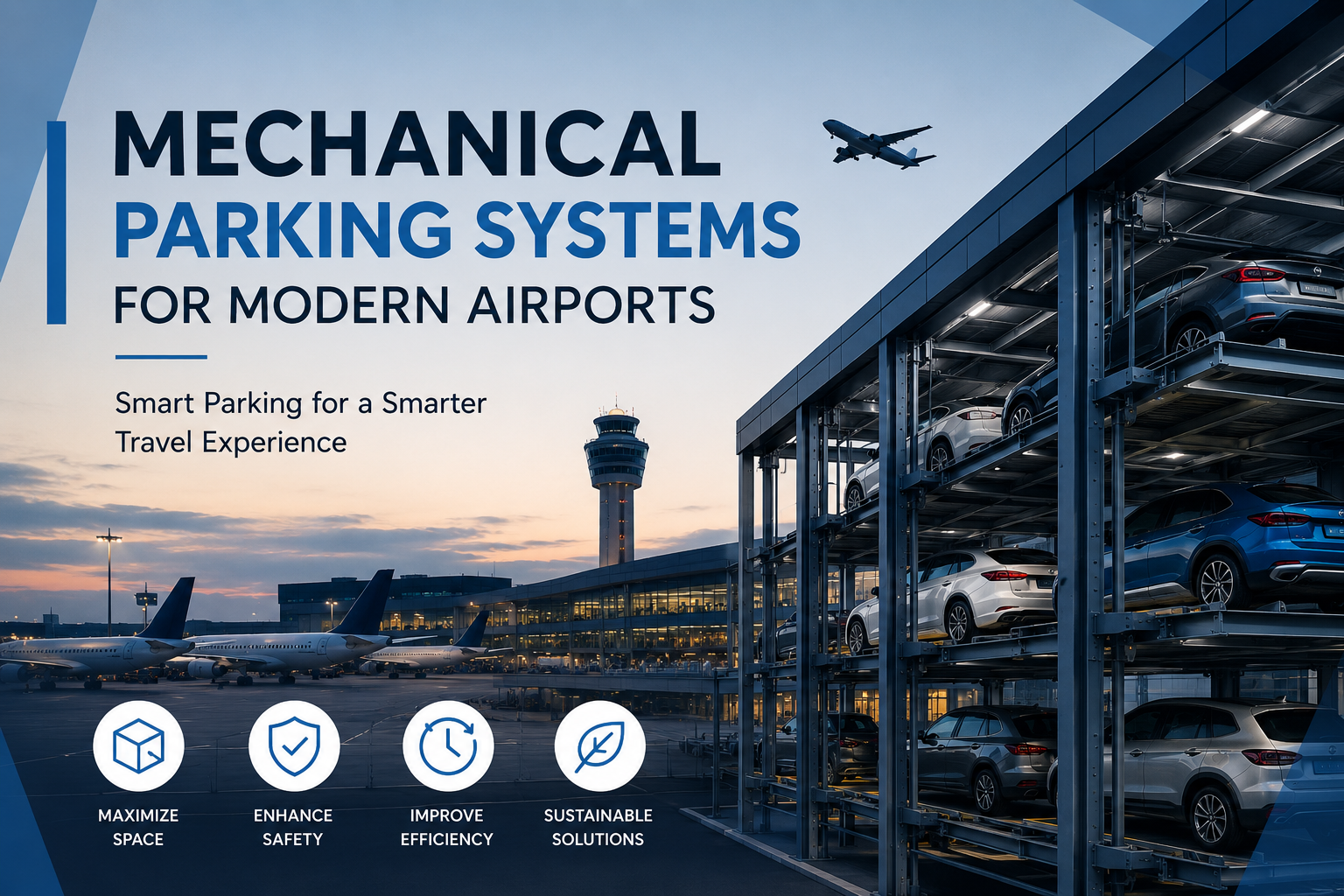
As air travel continues growing, airports must find smarter ways to increase parking capacity without consuming valuable land or investing in costly expansions. This is why mechanical parking systems for modern airports are becoming increasingly important. These systems allow airports to maximize parking capacity, improve operational efficiency, and support future passenger growth while making better use of available space.
Across Europe, major airports are already exploring innovative parking technologies as part of broader smart mobility and infrastructure development strategies.
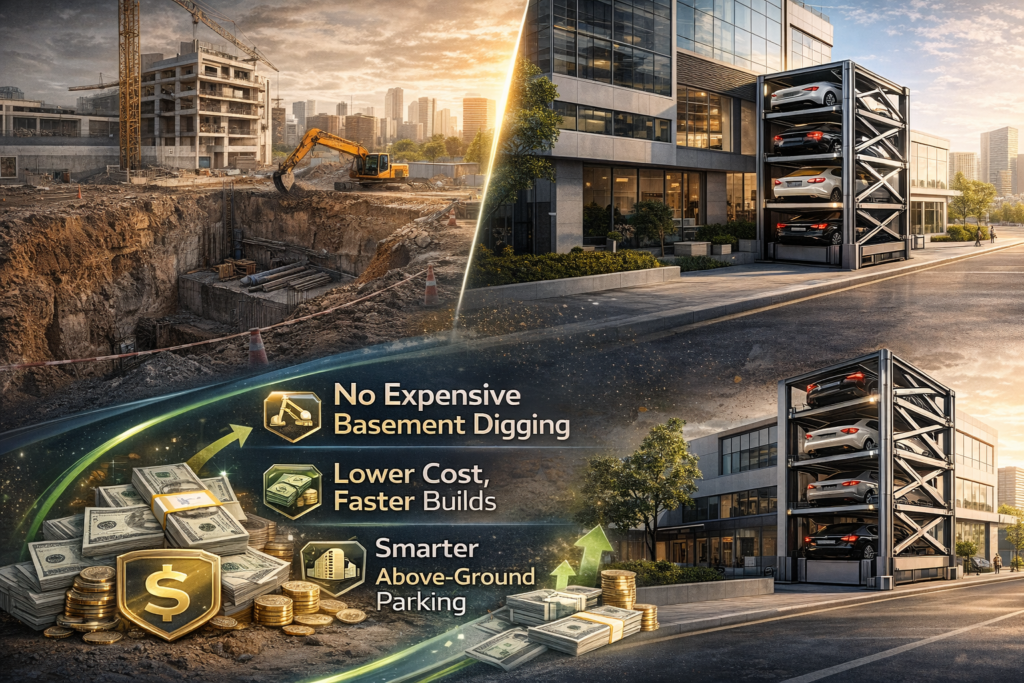
Airport Growth Is Creating New Parking Challenges
Global passenger traffic continues to increase year after year. Major airports are handling larger volumes of travelers, employees, logistics providers, ride-sharing vehicles, taxis, and service fleets than ever before.
This growth creates enormous pressure on parking facilities.
Airport parking must accommodate:
- Short-term visitors
- Long-term travelers
- Airport staff
- Airline employees
- Government agencies
- Logistics operators
- Service vehicles
- VIP transportation services
Unlike traditional commercial developments, airports operate continuously throughout the year. Peak travel periods during holidays and vacation seasons can create parking demand that exceeds existing capacity.
Many airports were originally designed decades ago when passenger volumes were significantly lower. As a result, existing parking infrastructure often struggles to keep pace with modern demand.
Expanding parking facilities using conventional methods is becoming increasingly difficult due to land limitations, environmental regulations, and rising construction costs.
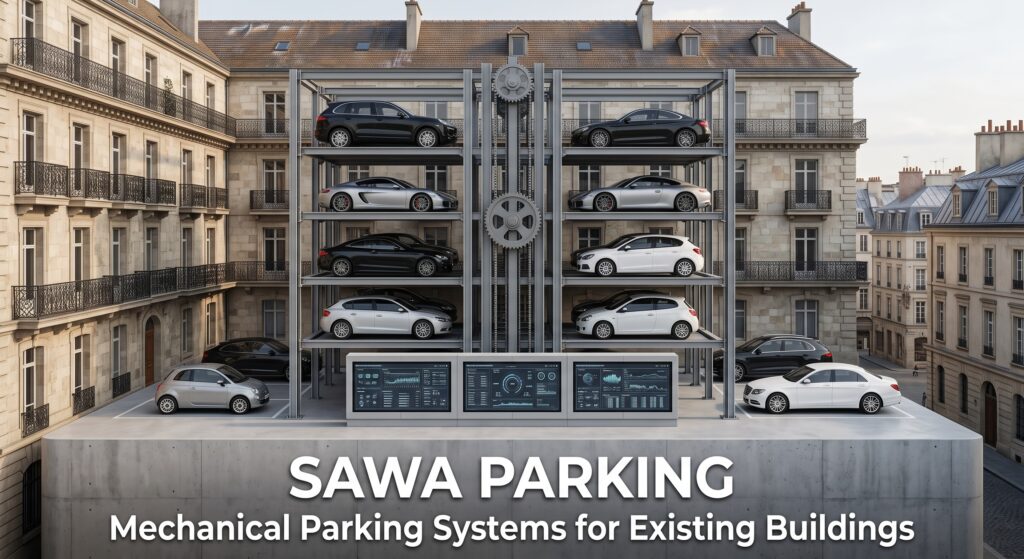
This challenge is driving interest in Mechanical Parking Systems, which offer a more efficient alternative to traditional parking expansion.
Why Traditional Airport Parking Is Becoming Less Efficient
Traditional airport parking facilities require large amounts of land.
Conventional parking structures depend on:
- Wide circulation lanes
- Access ramps
- Vehicle maneuvering areas
- Large surface parking zones
Although these designs have been used successfully for decades, they consume substantial amounts of valuable space.
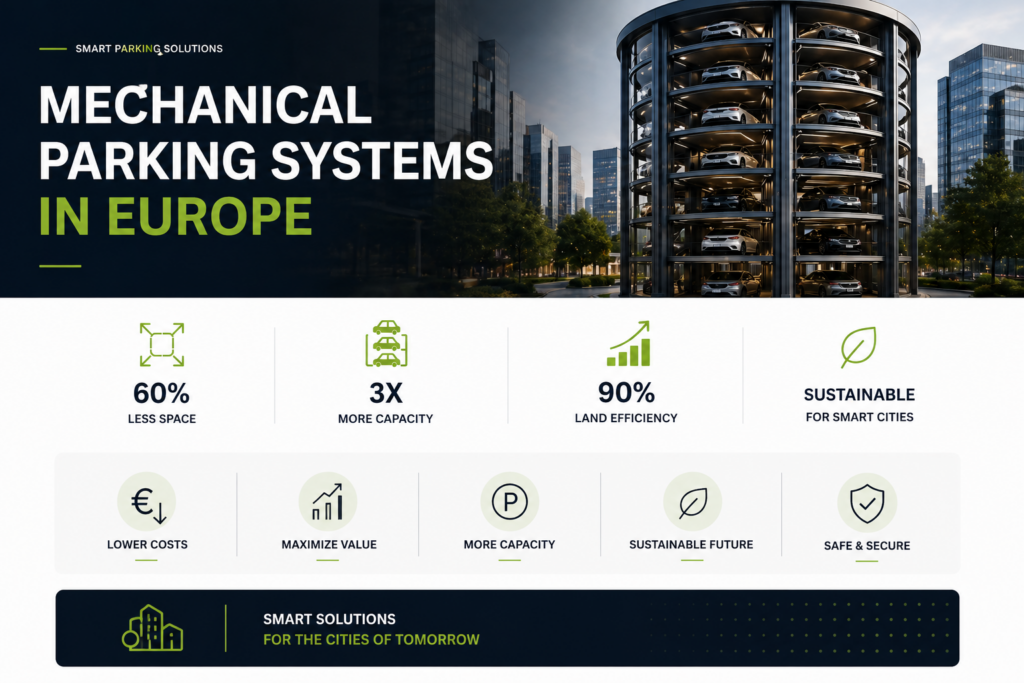
For airports located near major cities, land values continue increasing rapidly. Expanding traditional parking facilities often requires significant investments in land acquisition, excavation, and construction.
In many cases, airports simply do not have sufficient available land to support future parking growth.
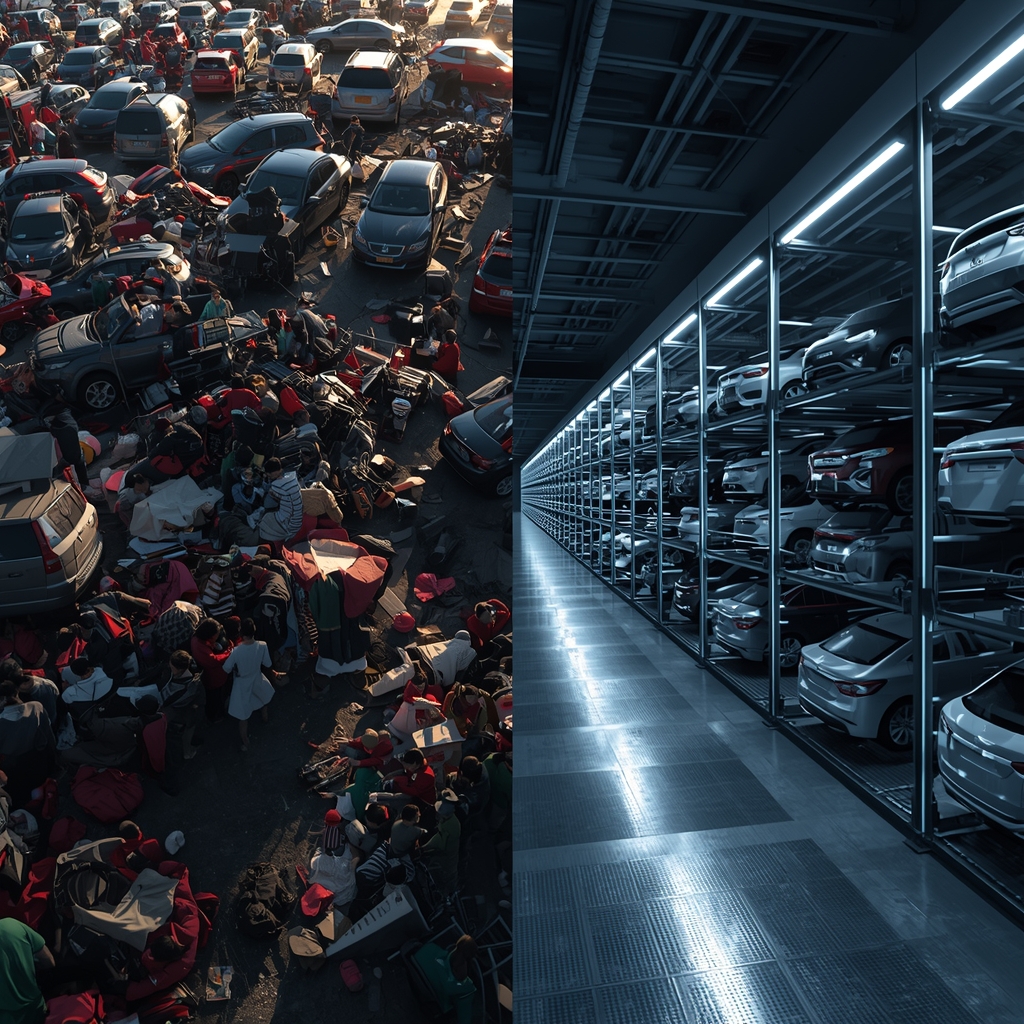
This is where Automated Parking Systems and other mechanical parking technologies provide significant advantages by increasing parking density while reducing land consumption.
Mechanical Parking Systems Maximize Capacity
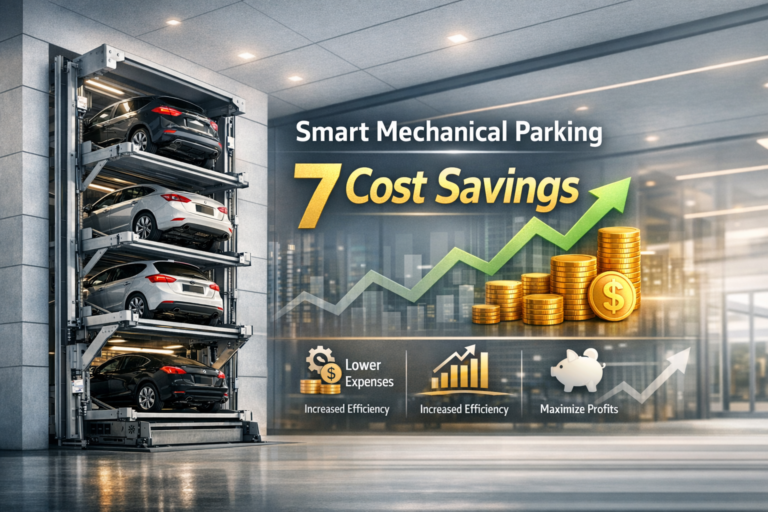
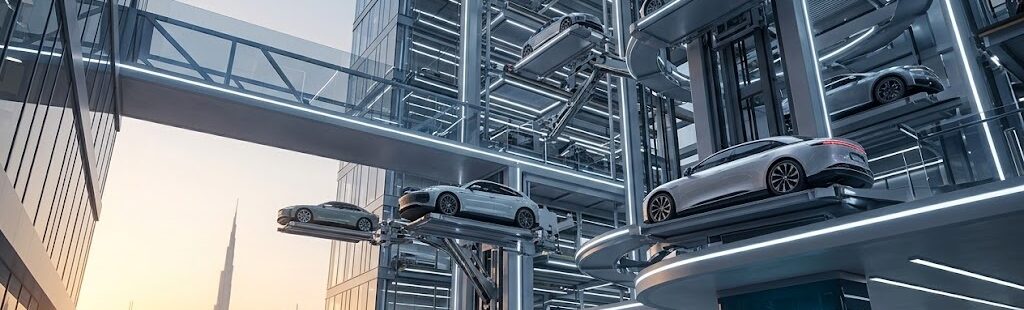
One of the primary advantages of mechanical parking systems is their ability to accommodate more vehicles within the same footprint.
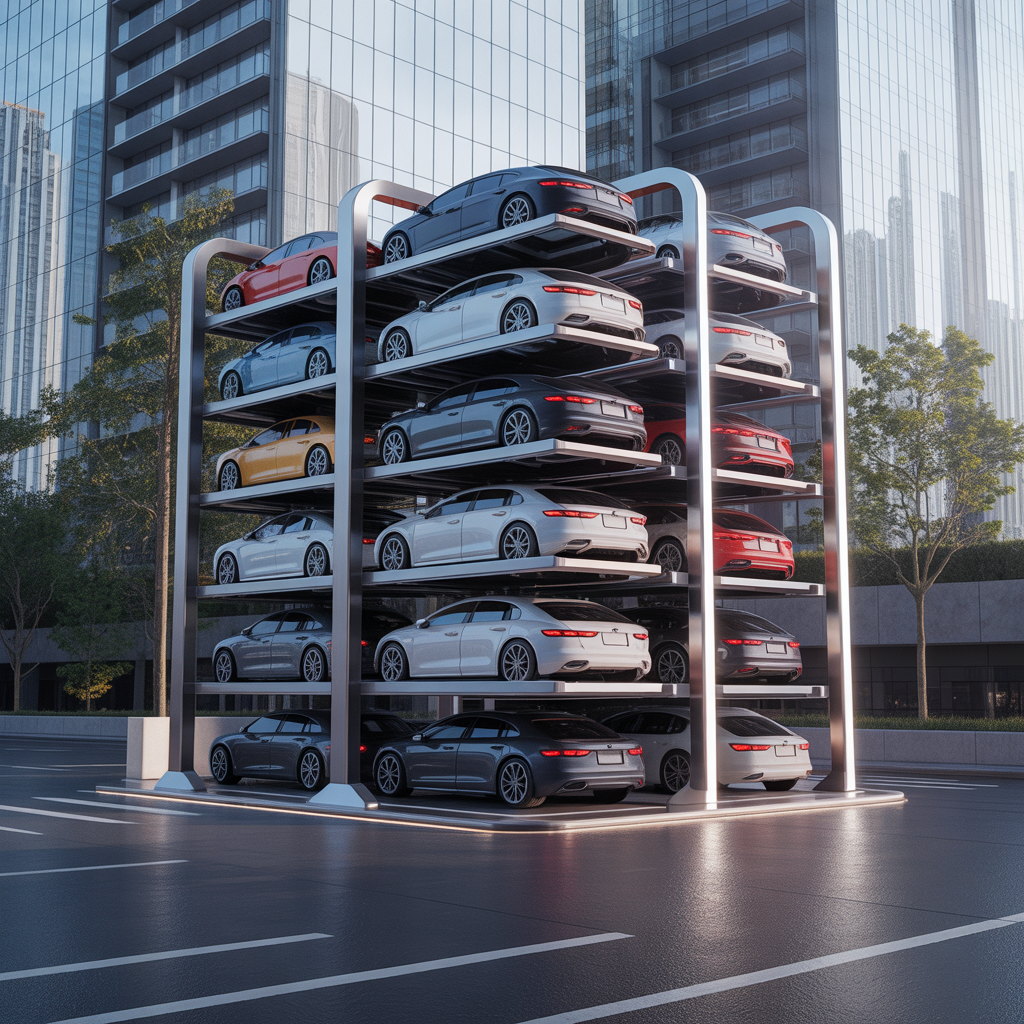
Unlike traditional parking facilities that require drivers to navigate through multiple levels and circulation lanes, mechanical systems use automated or semi-automated technologies to store vehicles more efficiently.
Popular solutions include:
- Puzzle Parking Systems
- Rotary Parking Systems
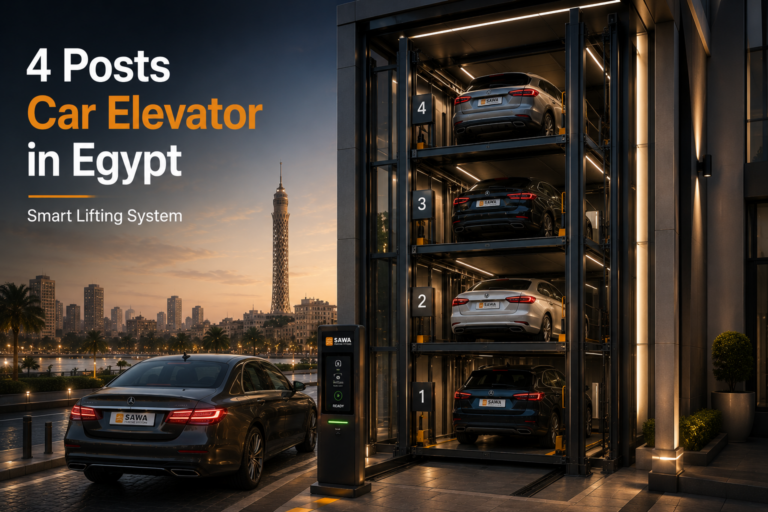
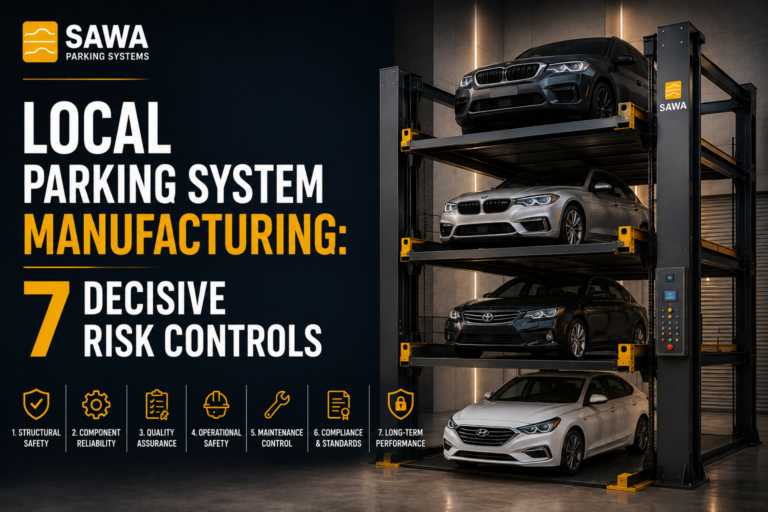
- Car Stacker Parking Lifts
- Automated Parking Towers
- Vertical Parking Systems
These technologies significantly reduce the space required per vehicle while increasing overall parking capacity.
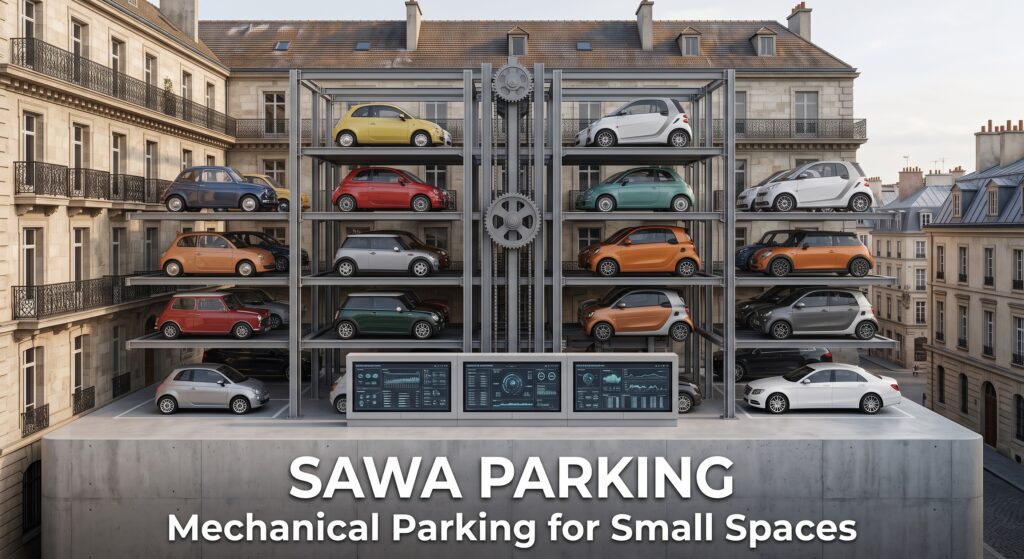
For airports facing land constraints, this additional capacity can help accommodate future growth without requiring major expansion projects.
Many airports can effectively double or even triple parking capacity by implementing the appropriate mechanical parking solution.
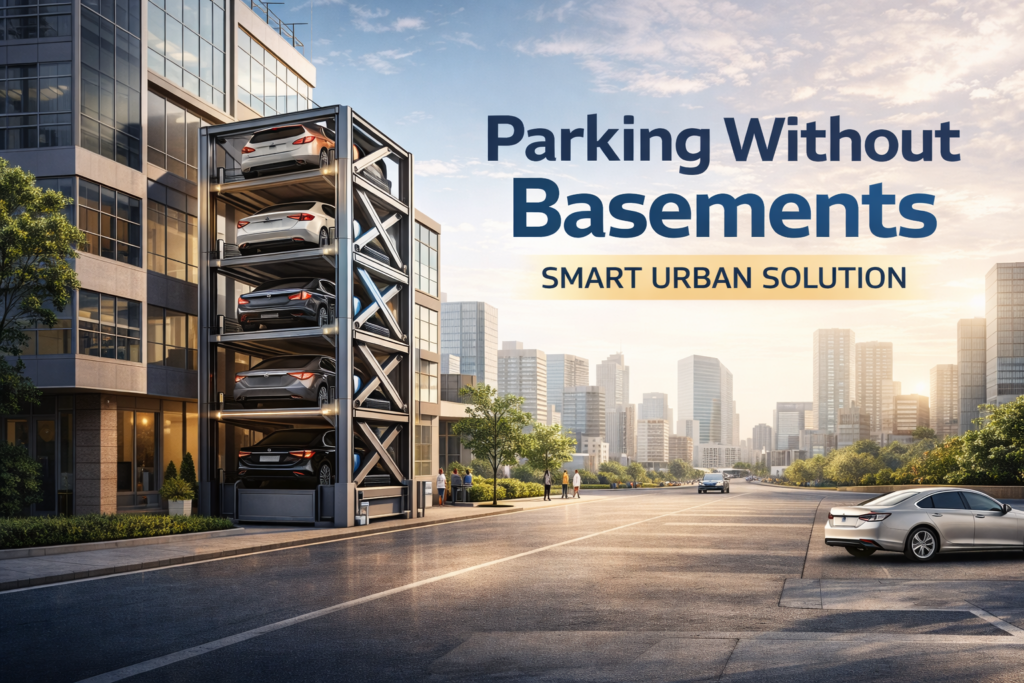
European Airports Are Leading Infrastructure Innovation
Several European airports have become global leaders in transportation infrastructure innovation.
Airports such as:
- Heathrow Airport (London)
- Frankfurt Airport (Germany)
- Amsterdam Schiphol Airport
- Charles de Gaulle Airport (Paris)
- Milan Malpensa Airport
are continuously investing in technologies designed to improve operational efficiency and passenger experience.
While every airport faces unique challenges, many share a common objective: maximizing infrastructure performance within limited physical space.
Mechanical parking systems are increasingly viewed as part of this strategy because they allow airports to increase capacity while supporting broader mobility and sustainability goals.
As passenger demand continues growing, airport operators are expected to explore more advanced parking technologies that improve efficiency without requiring extensive new construction.
Long-Term Airport Parking Benefits Most from Mechanical Systems
Long-term parking is one of the most valuable revenue sources for airports.
Passengers leaving vehicles for several days or weeks create a unique opportunity for efficient vehicle storage.
Unlike short-term parking areas that require frequent vehicle movement, long-term facilities can benefit significantly from mechanical parking solutions because vehicles remain stationary for extended periods.
This makes systems such as:
- Puzzle Parking Systems
- Automated Parking Towers
- Car Stacker Systems
particularly effective.
By storing vehicles more densely, airports can increase parking inventory while improving land utilization and revenue generation.
For airports experiencing strong growth in passenger numbers, these solutions can provide substantial operational and financial benefits.
Sustainability Is Driving Airport Parking Innovation
Environmental sustainability has become a major priority across the aviation sector.
Airports worldwide are implementing initiatives designed to reduce emissions, improve energy efficiency, and optimize resource utilization.
Traditional parking facilities contribute to:
- Increased land consumption
- Urban sprawl
- Traffic congestion
- Higher vehicle emissions
Mechanical parking systems help address these challenges by reducing the overall footprint required for vehicle storage.
Additional sustainability benefits include:
- Better land utilization
- Reduced construction materials
- Improved traffic flow
- Lower environmental impact
Many airports now consider parking infrastructure an important component of their broader sustainability strategies.
Passenger Experience Remains a Top Priority
Airport operators understand that passenger satisfaction influences overall airport performance.
A stressful parking experience can negatively affect the entire travel journey.
Travelers increasingly expect:
- Convenient parking
- Fast access
- Clear navigation
- Secure vehicle storage
- Efficient operations
Mechanical parking systems support these expectations by reducing congestion and improving parking availability.
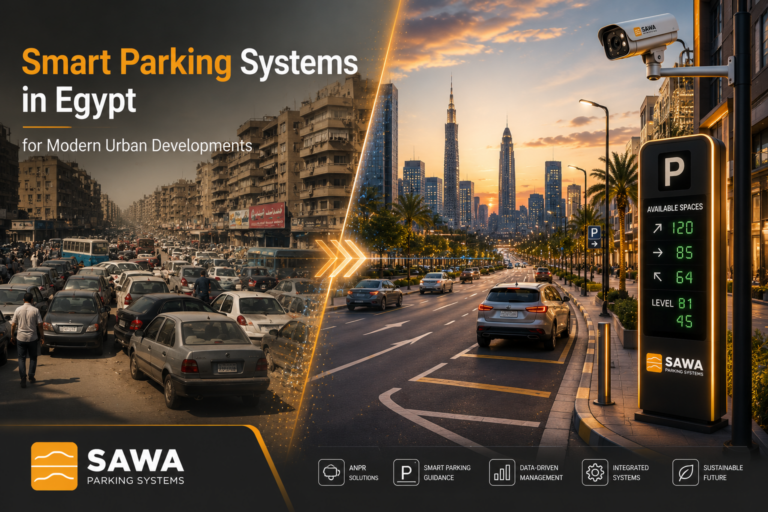
When combined with ANPR Parking Systems and digital parking management technologies, airports can create a seamless experience that improves convenience from arrival to departure.
For many modern airports, parking is no longer viewed as a basic utility. It has become an important component of customer experience management.
Mechanical Parking Supports Future Airport Expansion
One of the greatest advantages of mechanical parking systems is scalability.
As passenger traffic increases, airports need infrastructure that can adapt to future demand.
Traditional parking expansion often requires:
- New construction
- Additional land acquisition
- Major infrastructure investment
Mechanical parking systems provide a more flexible approach.
Many solutions can be expanded gradually as demand increases, allowing airports to align infrastructure investment with actual growth.
This flexibility reduces financial risk while supporting long-term operational planning.
For airport operators seeking future-ready infrastructure, mechanical parking technologies represent a highly attractive option.
Why Choose Sawa Parking
Sawa Parking specializes in advanced parking technologies designed for high-demand environments where capacity, efficiency, and reliability are critical.
Our expertise includes:
- Mechanical Parking Systems
- Puzzle Parking Systems
- Rotary Parking Systems
- Automated Parking Systems
- Car Stacker Parking Lifts
- Parking Design & Engineering
- Smart Parking Infrastructure
By combining innovative engineering with practical operational expertise, Sawa Parking helps developers and infrastructure operators maximize parking capacity while optimizing land utilization and long-term project performance.
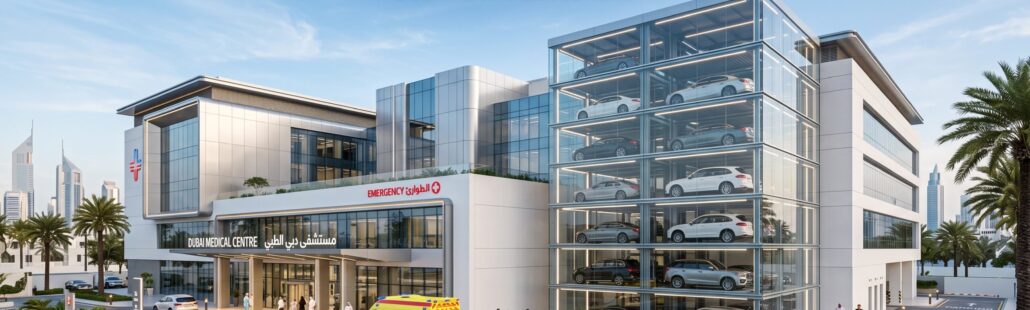
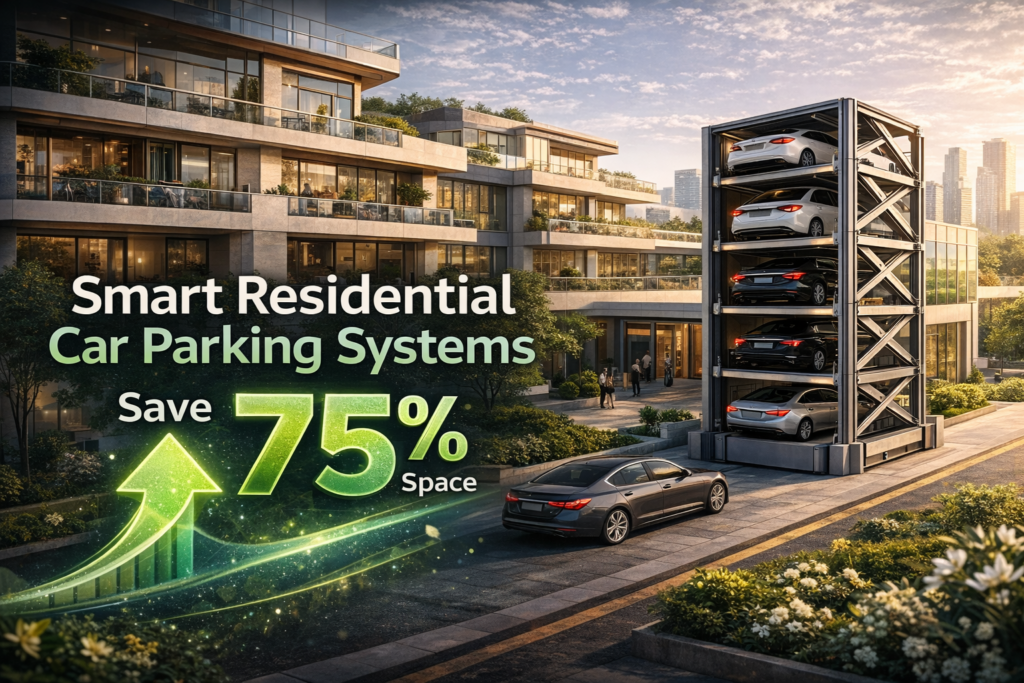
Whether supporting airports, commercial developments, residential communities, hospitals, or mixed-use destinations, Sawa Parking delivers customized solutions designed for the future of urban mobility.
Conclusion
As passenger numbers continue increasing worldwide, airports face growing pressure to expand parking capacity while managing land constraints, construction costs, and sustainability objectives.
Traditional parking approaches are becoming increasingly difficult to justify in environments where every square meter matters. Mechanical parking systems provide a more efficient and scalable solution capable of supporting future airport growth while improving operational performance.
By maximizing capacity, reducing land consumption, and supporting smarter infrastructure planning, mechanical parking systems for modern airports are becoming an essential part of the next generation of airport development.
Airports that invest in intelligent parking infrastructure today will be better positioned to meet the demands of tomorrow’s travelers.
References
- Airports Council International (ACI World)
Global airport infrastructure, operations, and development research. - International Air Transport Association (IATA)
Aviation industry data and passenger traffic trends. - International Parking & Mobility Institute (IPMI)
Research on parking technologies and mobility solutions. - Heathrow Airport
Airport parking operations and passenger services. - Amsterdam Airport Schiphol
Smart mobility and airport infrastructure initiatives. - ITS International
Coverage of intelligent transportation and parking systems. - World Economic Forum – Future of Mobility
Research on transportation infrastructure and future mobility trends.