


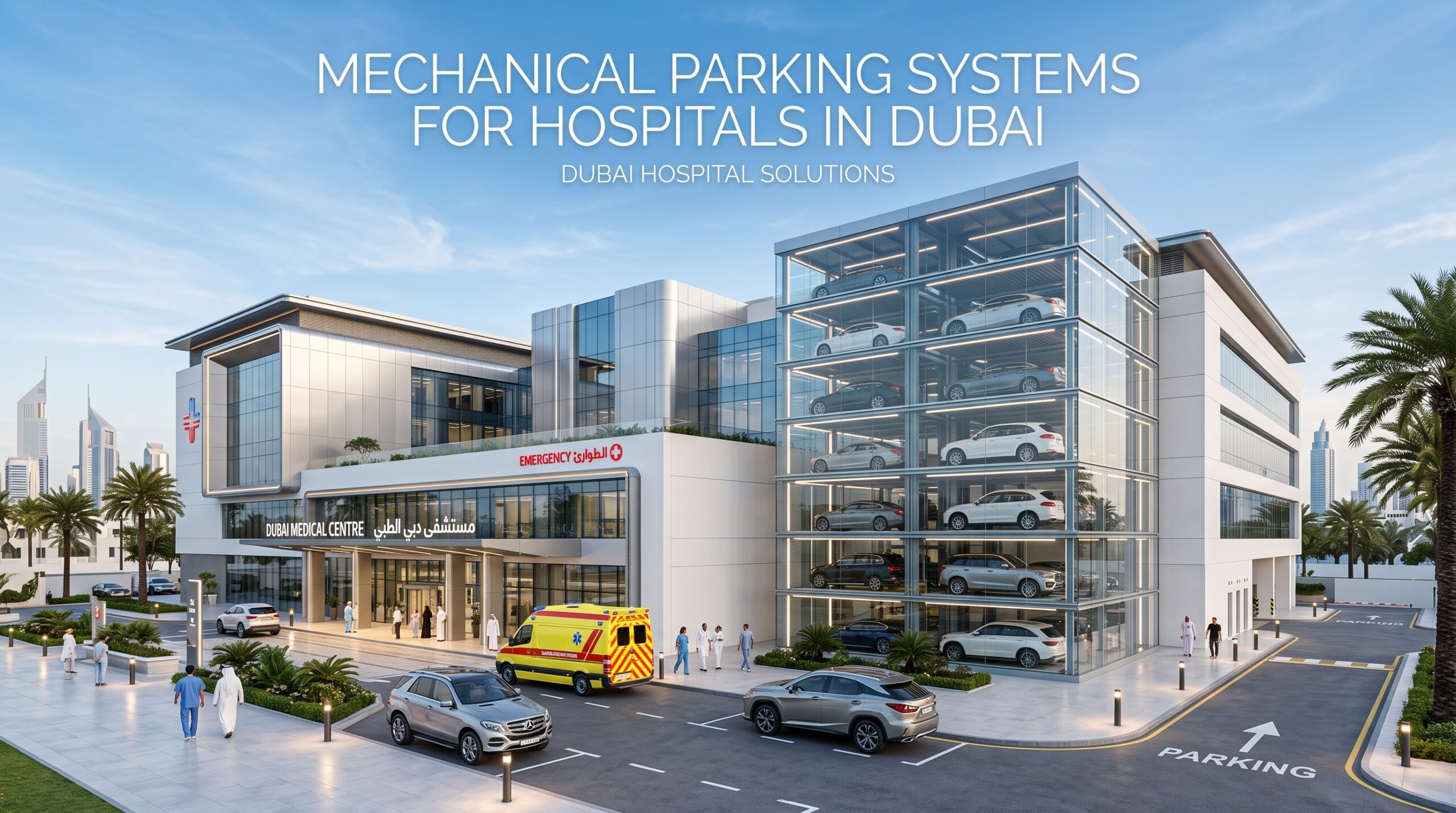
Dubai’s rapid evolution into a global healthcare hub is undeniable. With the establishment of world-class facilities like the Dubai Healthcare City (DHCC) and numerous specialized medical centers, the emirate attracts patients and medical professionals from all over the world. In a healthcare environment, the primary focus is, quite rightly, on saving lives, providing top-tier medical care, and ensuring patient comfort. However, the infrastructure supporting these facilities plays a crucial, often understated role in their success.
One of the most critical, yet frequently overlooked, aspects of hospital infrastructure is parking. In a high-stakes environment where every second counts, inefficient parking can be more than just an inconvenience; it can be a hazard. Traditional parking lots often struggle to handle the unique demands of a busy hospital in a bustling metropolis like Dubai. Congestion at entrances, difficulty finding spaces for ambulances or visiting families, and the lack of accessible parking for patients with limited mobility are significant challenges.
This is where Mechanical Parking Systems come into play. For hospitals in Dubai, adopting automated parking solutions is not just about space optimization; it is about streamlining the flow of critical care, ensuring the safety of patients and staff, and maintaining a sterile, stress-free environment. In this article, we will delve into why mechanical parking is the ideal solution for healthcare facilities in Dubai and how Sawa Parking is engineering systems that meet the rigorous demands of the medical sector.
The Critical Nature of Hospital Parking in Dubai
Unlike shopping malls or office buildings, hospitals operate 24/7 and serve a diverse group of users with conflicting needs:
- Emergency Services: Ambulances and emergency vehicles require immediate, unobstructed access to the Emergency Room (ER) entrance 24 hours a day.
- Medical Staff: Doctors, nurses, and administrative staff work long, irregular shifts and need reliable, secure parking close to the facility.
- Patients & Visitors: Outpatients visiting for appointments, families visiting inpatients, and people collecting medication all need convenient, accessible parking.
In a dense city like Dubai, where land is expensive, building a massive surface parking lot for a hospital is often impossible. Furthermore, navigating a multi-story concrete ramp garage can be physically exhausting for a patient who is unwell or elderly. The heat of Dubai adds another layer of complexity; walking long distances from a remote parking spot to the hospital entrance can exacerbate certain medical conditions.
Why Traditional Parking Fails Healthcare
Traditional parking solutions present several specific pain points for hospitals:
- Traffic Blockage: During peak visiting hours, cars queue up to enter the parking lot, often blocking the main driveway. This can delay ambulances trying to reach the ER, creating a life-threatening situation.
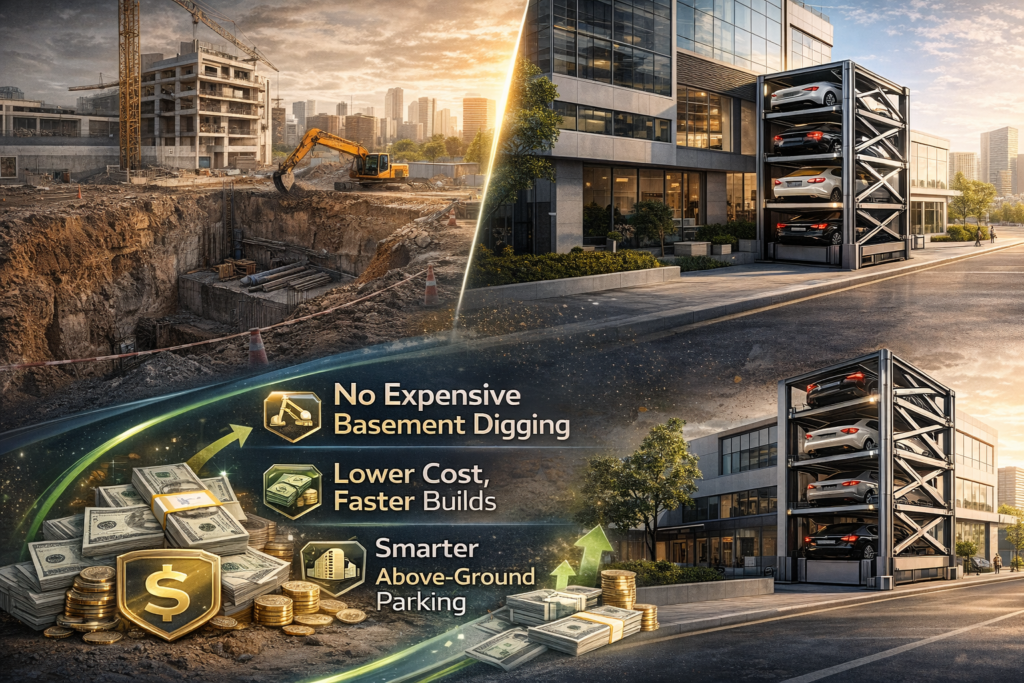
- Space Inefficiency: Conventional parking requires wide driving lanes and ramps, consuming valuable space that could be used for medical wards, laboratories, or green healing gardens.
- Safety Risks: Dark corners and sprawling lots can pose security risks for staff leaving late-night shifts or for patients walking alone.
- Pollution: Cars circling to find spots create exhaust fumes. Idling cars near hospital ventilation intakes can compromise air quality, which is critical for a sterile environment.
The Mechanical Advantage: Safety and Efficiency
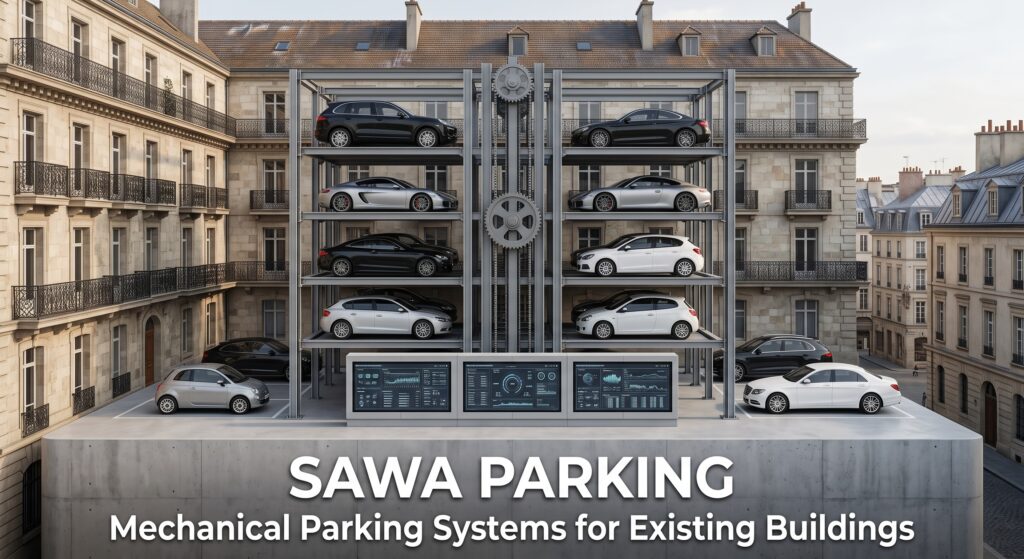
Mechanical parking systems eliminate the need for drivers to drive around searching for a spot. Vehicles are dropped off at a safe, well-lit entry terminal, and the system automatically parks the car in a secure bay. When the owner is ready to leave, the car is retrieved and brought back to the exit level.
For a hospital, this offers transformative benefits.
1. Prioritizing Emergency Access By compacting the parking footprint, mechanical systems free up space directly in front of the hospital. This allows urban planners to design dedicated drop-off zones that are kept clear of congestion. Ambulances can move freely without navigating through a maze of private cars. The speed of automated retrieval ensures that VIPs or critical staff on call can get their vehicles instantly, responding to emergencies without delay.
2. Segregation of Traffic Hospitals require distinct zones for different types of users. Mechanical parking allows for the creation of separate automated systems for staff, visitors, and emergency personnel.
- Staff Parking: Can be located in a dedicated tower or stack system, accessible only via ID cards, ensuring doctors always have a spot waiting for them.
- Visitor Parking: Can be placed in a high-capacity puzzle system, maximizing the number of visitors accommodated during visiting hours.
- Patient Parking: Can be positioned closest to the elevators or clinics, with larger bays designed for wheelchair accessibility.
3. Hygiene and Infection Control In the post-pandemic world, hygiene is paramount. Automated parking reduces the need for human interaction. No valet attendants need to touch the steering wheel or keys. Furthermore, because the public does not walk through the parking area, the accumulation of dust and debris inside the facility is minimized, contributing to a cleaner environment around the hospital perimeter.
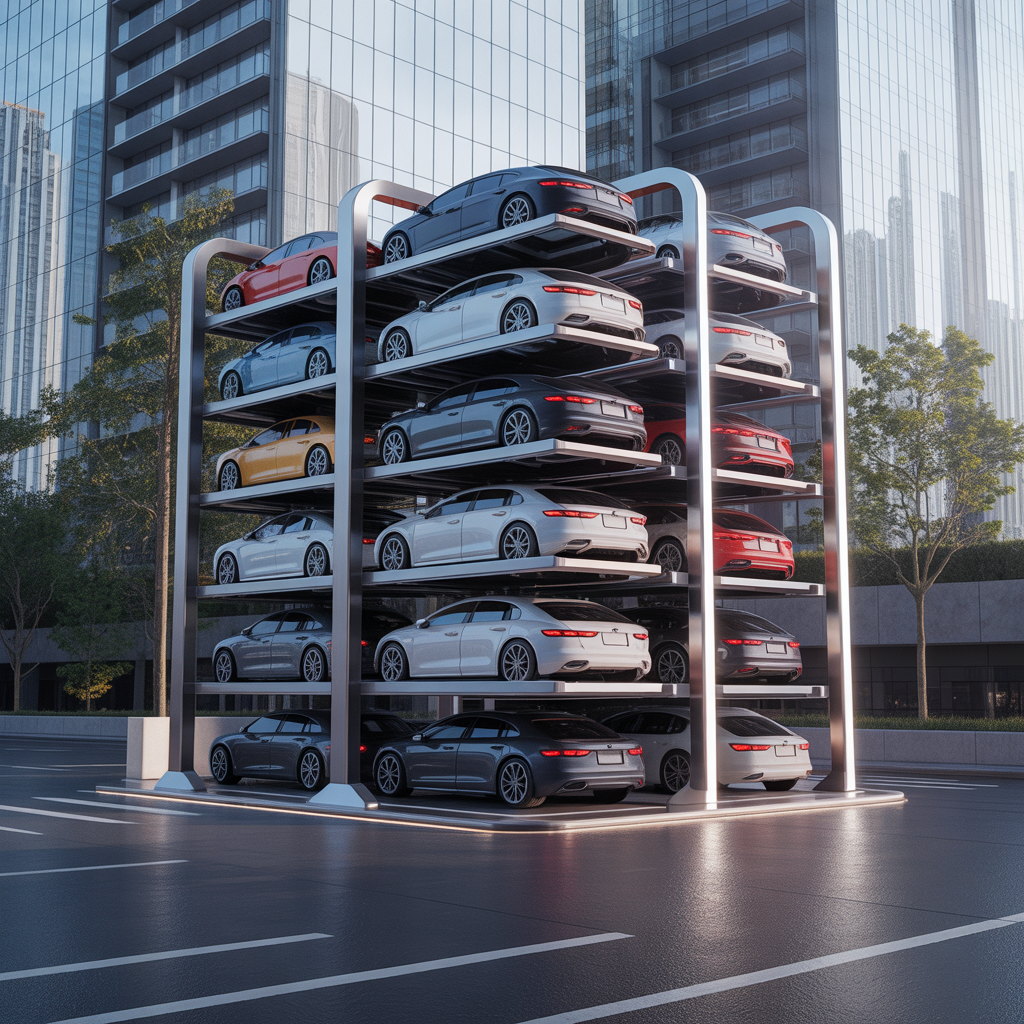
4. Comfort for Patients Imagine a patient recovering from chemotherapy or surgery. The last thing they want is to walk across a hot, dusty parking lot. With mechanical parking, the patient (or their driver) pulls up to a covered, air-conditioned lobby. They exit the car, and the car is whisked away. Upon return, the car is brought back to them. This “valet-style” experience without the valet cost or wait is the ultimate standard of care for patient comfort.
Sawa Parking: Engineering for Healthcare
At Sawa Parking, we recognize that hospitals cannot afford downtime. A parking system failure is not just an annoyance; it prevents staff from leaving and patients from arriving. Therefore, reliability is the cornerstone of our healthcare solutions.
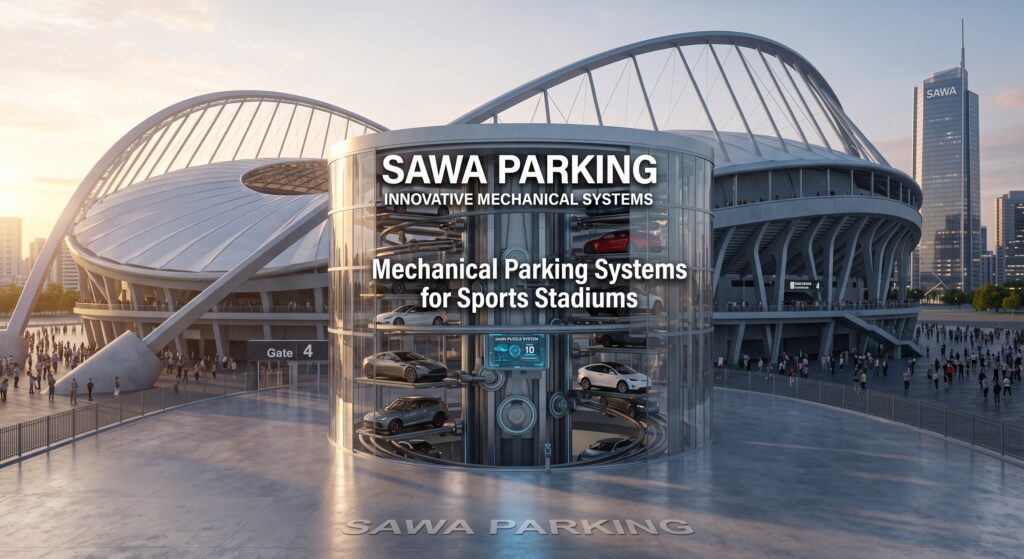
We design our systems with redundancy and robustness in mind. Using high-grade steel and precision motors manufactured in our advanced Factory, we ensure that our systems operate smoothly year-round, regardless of Dubai’s harsh climate or high usage frequency.
Tailored Solutions for Medical Facilities
Different hospitals have different needs. A small clinic in Jumeirah has different requirements compared to a massive government hospital in Dubai Healthcare City. Sawa Parking offers a range of systems to suit these needs:
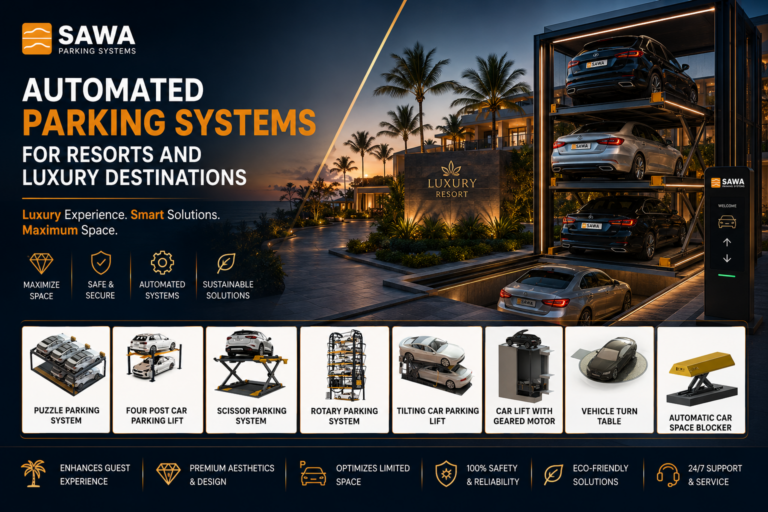
- Puzzle Parking: Ideal for mid-sized clinics and staff parking areas. It offers a good balance of capacity and speed, fitting well into basements or podium levels of medical centers.
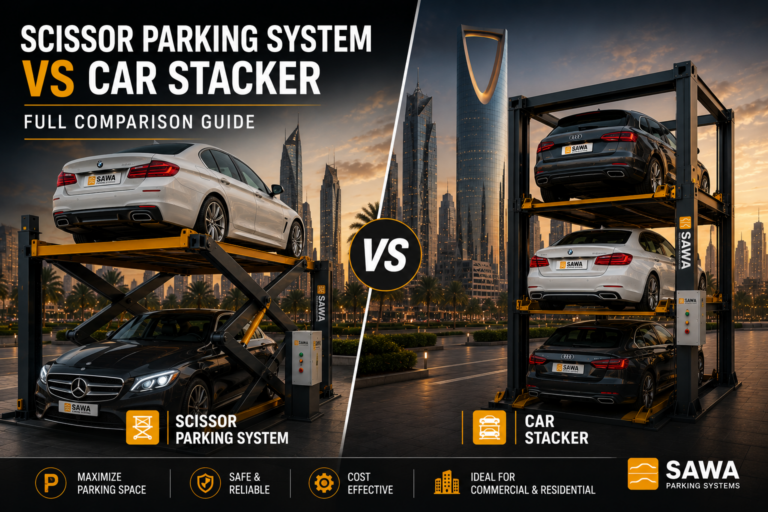
- Stacker Parking: A cost-effective solution for hospitals with limited ceiling height, perfect for staff car parks.
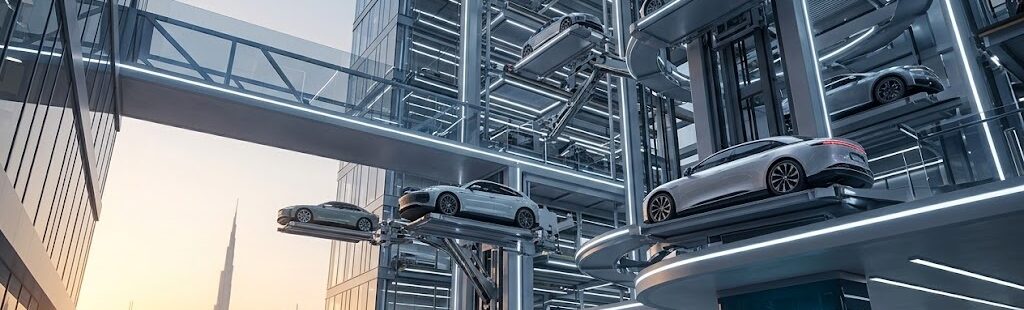
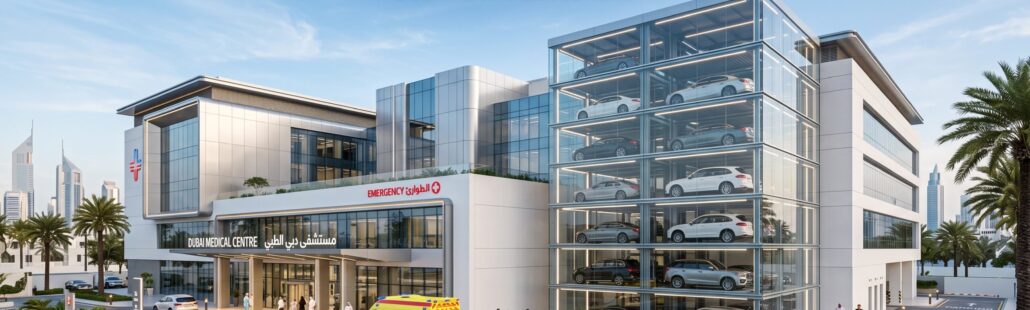
- Automated Tower Systems: For large hospitals where land is scarce. These vertical silos can store hundreds of cars with a minimal footprint, allowing the rest of the land to be used for medical expansion.
Sawa Parking’s Commitment to Dubai’s Health Sector
We have been actively involved in reshaping Dubai’s urban landscape, and the healthcare sector is a key part of our mission. We understand the specific regulations and safety standards required in the UAE. Our team works closely with hospital architects and facility managers to integrate parking solutions that align with the hospital’s operational flow.
To see how we have successfully implemented complex parking solutions in various sectors, please visit Our Projects. Our portfolio demonstrates our ability to handle sensitive projects with the utmost professionalism.
Smart Features for Smart Hospitals
Dubai is pushing towards becoming a smart city, and hospitals are adopting digital records and AI-driven diagnostics. Parking should be no different. Sawa Parking systems can be integrated with hospital management software to offer features like:
- Reserved Access: Doctors can trigger the retrieval of their car via a mobile app while still finishing their rounds, ensuring the car is ready when they reach the exit.
- Visitor Management: Patients can book a parking slot alongside their doctor’s appointment, guaranteeing a stress-free arrival.
Conclusion
A hospital is a place of healing, and the environment surrounding it should contribute to that healing process. Stress should be minimized at every touchpoint, including the parking experience. By adopting mechanical parking systems, hospitals in Dubai can solve their spatial constraints, improve traffic flow for emergencies, and provide a superior experience for patients and staff alike.
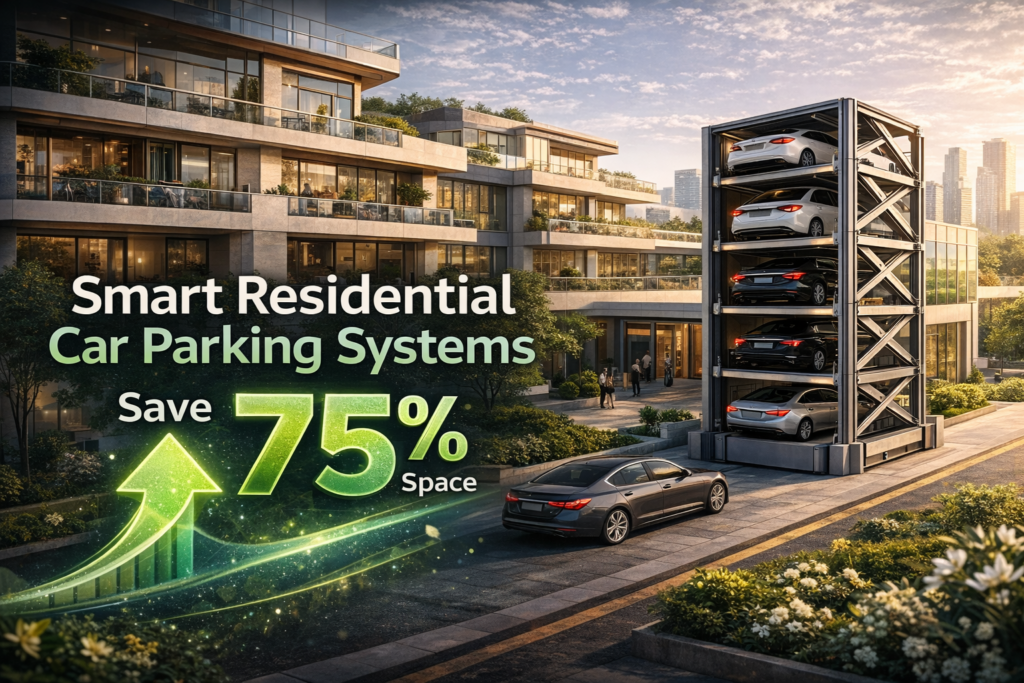
The investment in a mechanical parking system is an investment in the hospital’s efficiency and reputation. It ensures that the focus remains where it belongs: on patient care.
Partner with Sawa Parking
If you are planning a new healthcare facility or retrofitting an existing hospital in Dubai, Sawa Parking is ready to assist you. We combine cutting-edge technology with deep local expertise to deliver parking solutions that save lives by saving time.
Explore our range of healthcare-specific solutions on Our Products page. Alternatively, learn more about the latest trends in automated parking by visiting our Blog.
Get in Touch
Don’t let parking logistics hinder your hospital’s performance. Contact our expert team today for a site assessment and customized proposal. We are here to help you build a safer, more efficient healthcare infrastructure.
Contact Us today to discuss your project.