


Urban space in Europe is becoming increasingly limited. Cities are reducing on-street parking, prioritizing green areas, pedestrian zones, and sustainable mobility solutions. This shift has created a growing challenge for developers and city planners who must now provide parking within tighter constraints.
This is why comparing automatic parking vs traditional parking in Europe has become essential. The choice between these two approaches directly impacts space efficiency, construction cost, and long-term project performance.
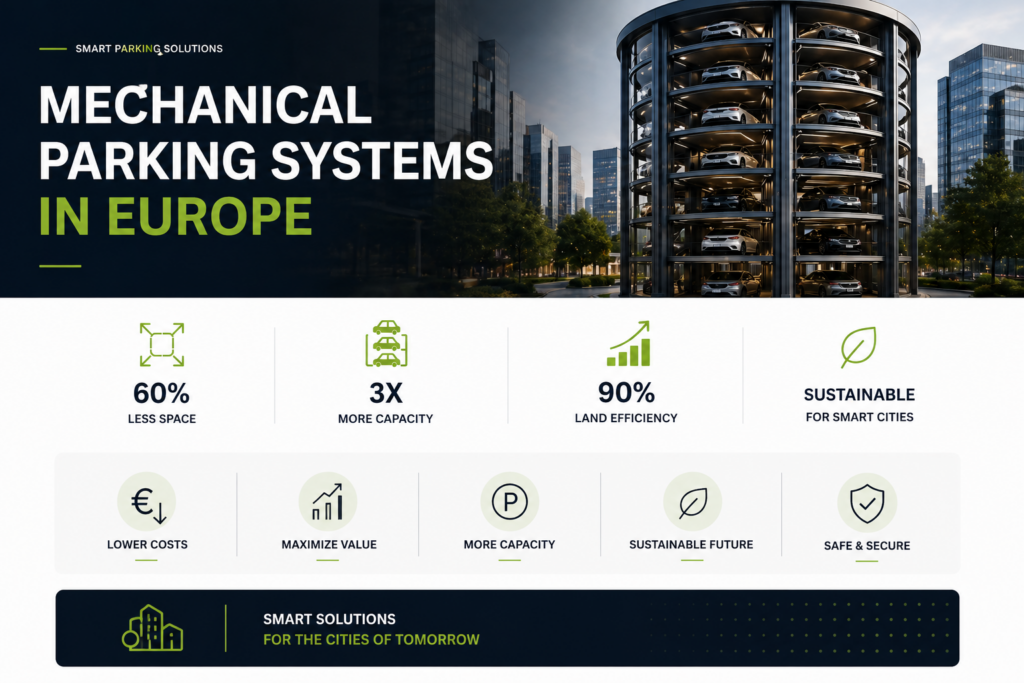
The Problem with Traditional Parking in Europe
Traditional parking systems rely heavily on horizontal space. They require ramps, wide circulation lanes, and large surface areas to operate effectively.
In many developments, up to fifty percent of the parking area is used for vehicle movement rather than storage. This leads to inefficient land use, higher construction costs, and reduced profitability.
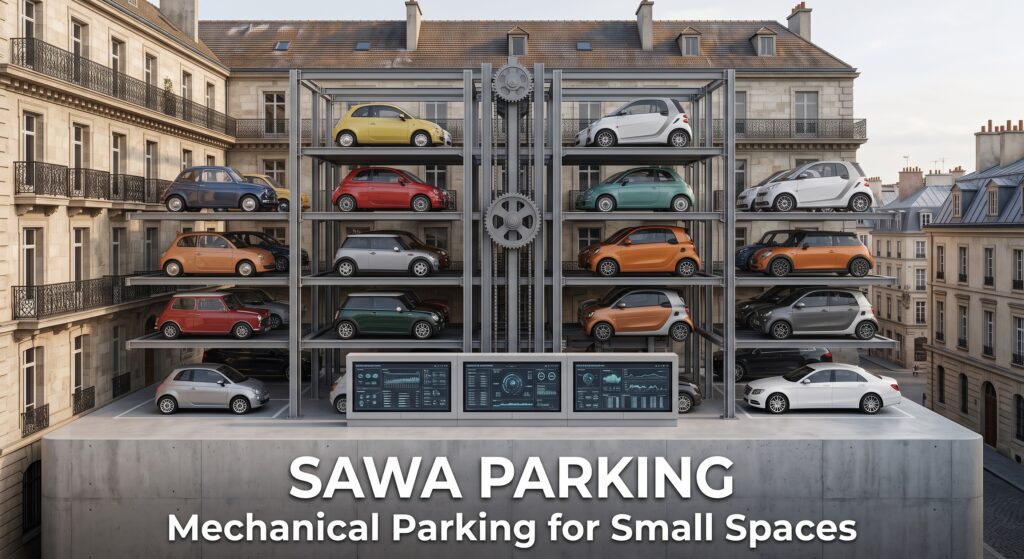
As land value continues to rise across Europe, this model is becoming increasingly unsustainable.
What Is Automatic Parking
Automatic parking systems use mechanical and digital technologies to store and retrieve vehicles without requiring drivers to navigate parking spaces.
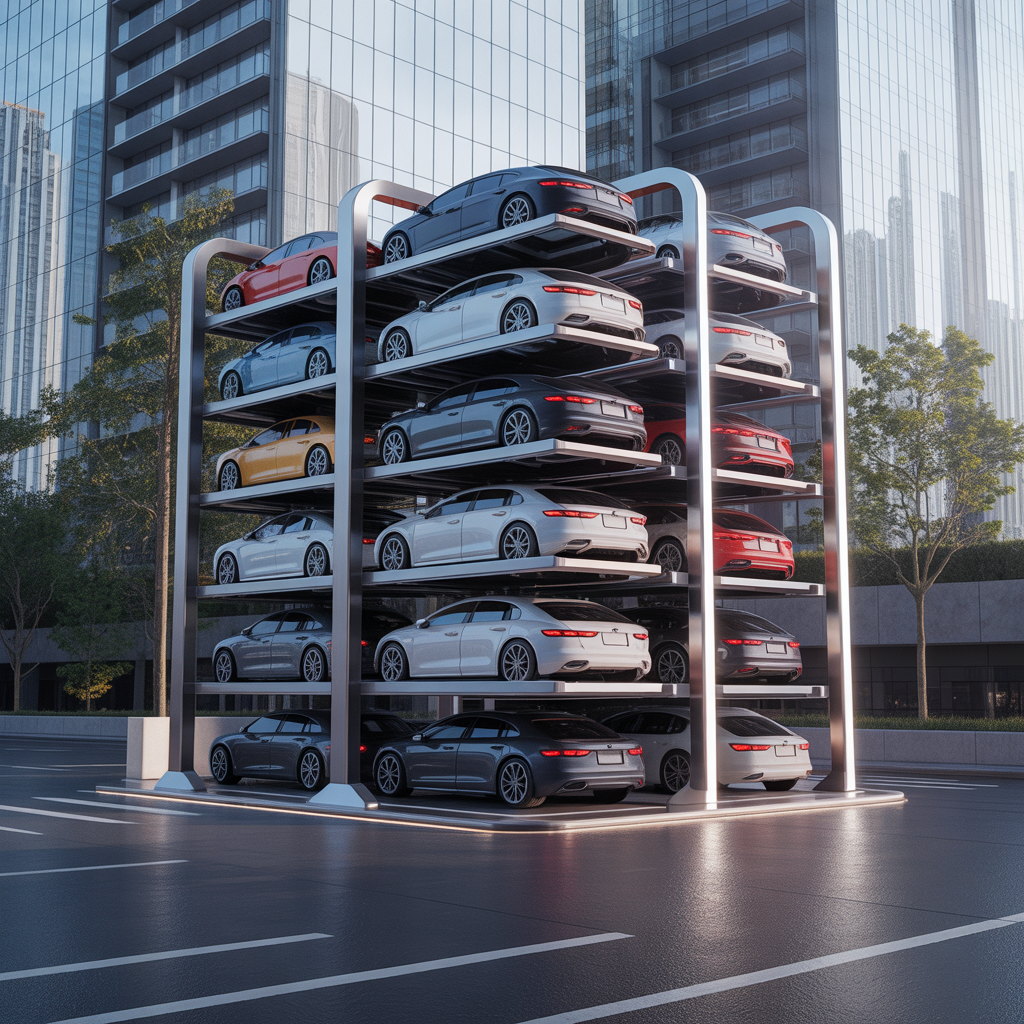
Vehicles are placed on a platform, and the system automatically moves them into available storage positions using lifts, conveyors, or rotating mechanisms.
This approach eliminates the need for ramps and significantly reduces space requirements.
Space Efficiency Comparison
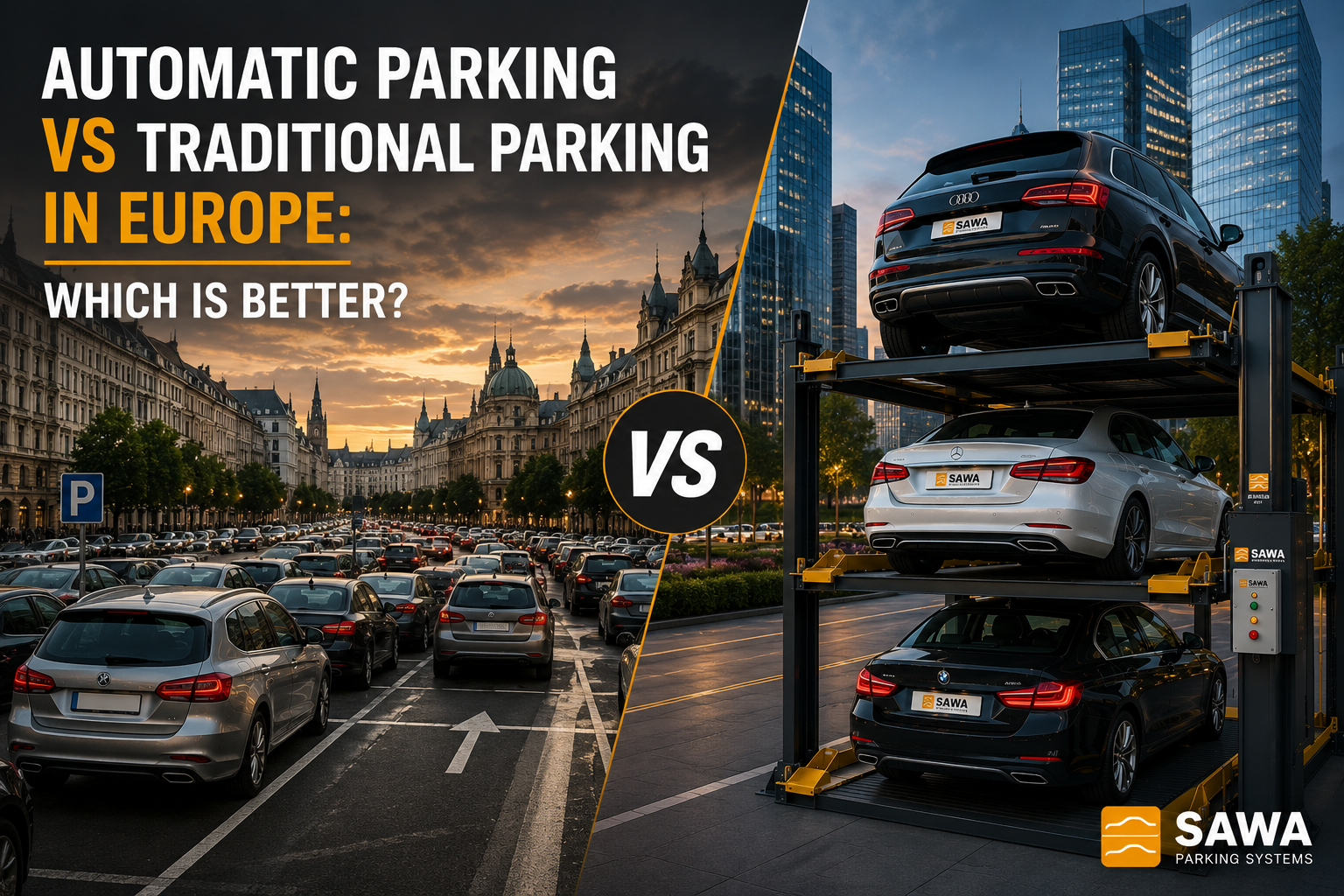
When comparing automatic parking vs traditional parking in Europe, space efficiency is one of the most critical factors.
Automatic parking systems can increase parking capacity by up to three or four times within the same footprint. They achieve this by using vertical storage and eliminating unnecessary circulation areas.
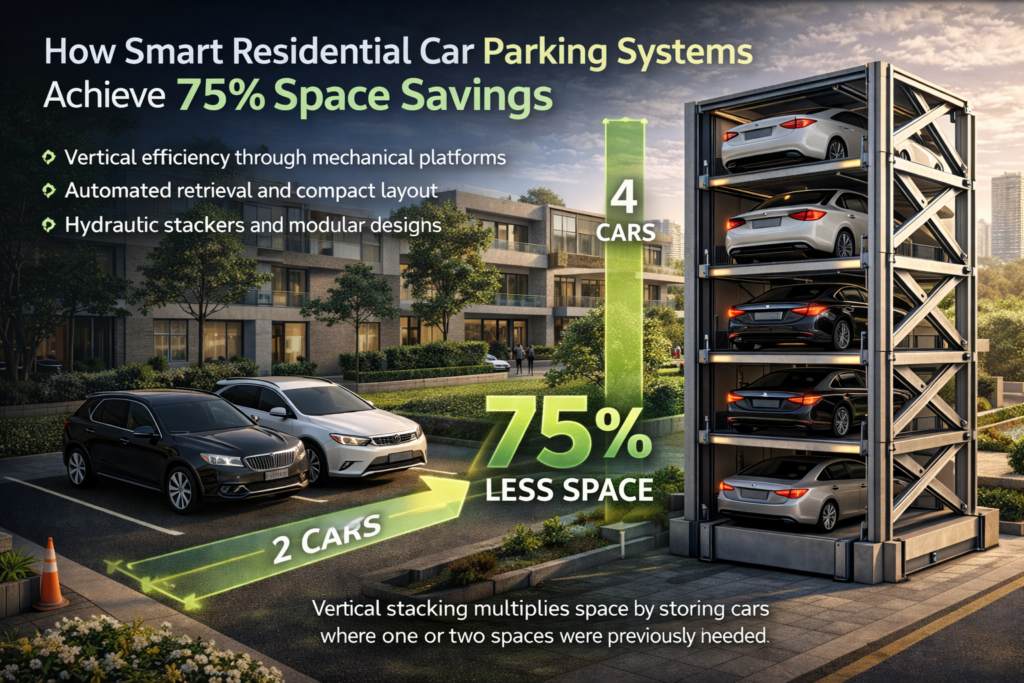
Traditional parking, on the other hand, consumes more space and limits the number of vehicles that can be accommodated.
Cost and Construction Comparison
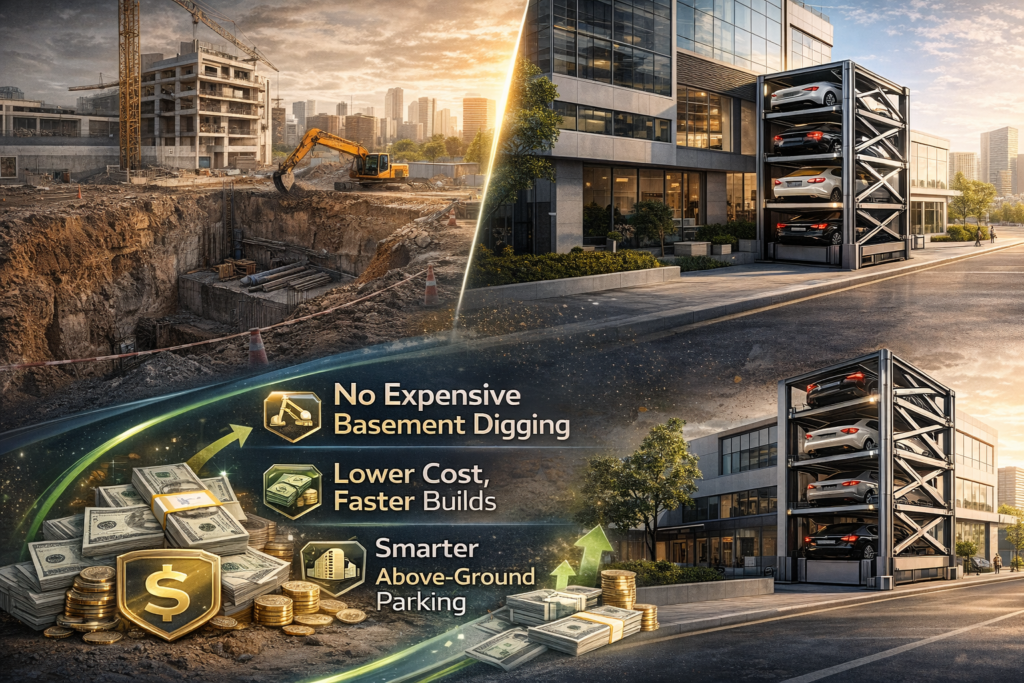
Traditional parking requires extensive excavation, reinforced concrete structures, and longer construction timelines. These factors significantly increase project costs.
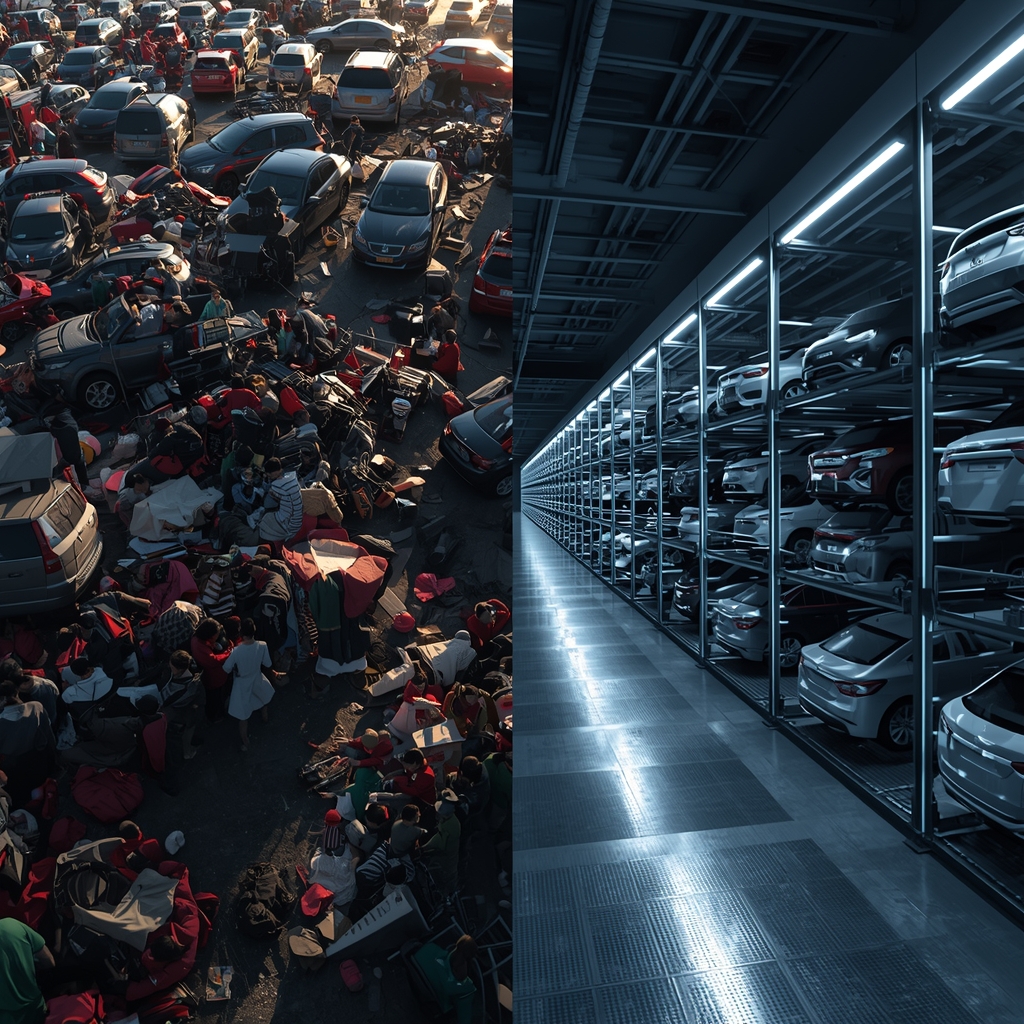
Automatic parking systems reduce the need for deep basements and structural complexity. While the initial system cost may be higher, the overall project cost is often lower due to reduced construction requirements.
User Experience and Efficiency
Traditional parking requires drivers to navigate tight spaces, search for available spots, and deal with congestion. This can lead to frustration and inefficiency.
Automatic parking systems simplify the process by handling vehicle storage automatically. This reduces congestion, improves safety, and enhances the overall user experience.
Sustainability and Urban Impact
European cities are focusing on sustainability and efficient land use. Automatic parking systems support these goals by reducing land consumption and minimizing environmental impact.
Traditional parking structures, by contrast, require more space and contribute to inefficient urban design.
Which One Should You Choose
The choice between automatic parking vs traditional parking in Europe depends on project priorities.
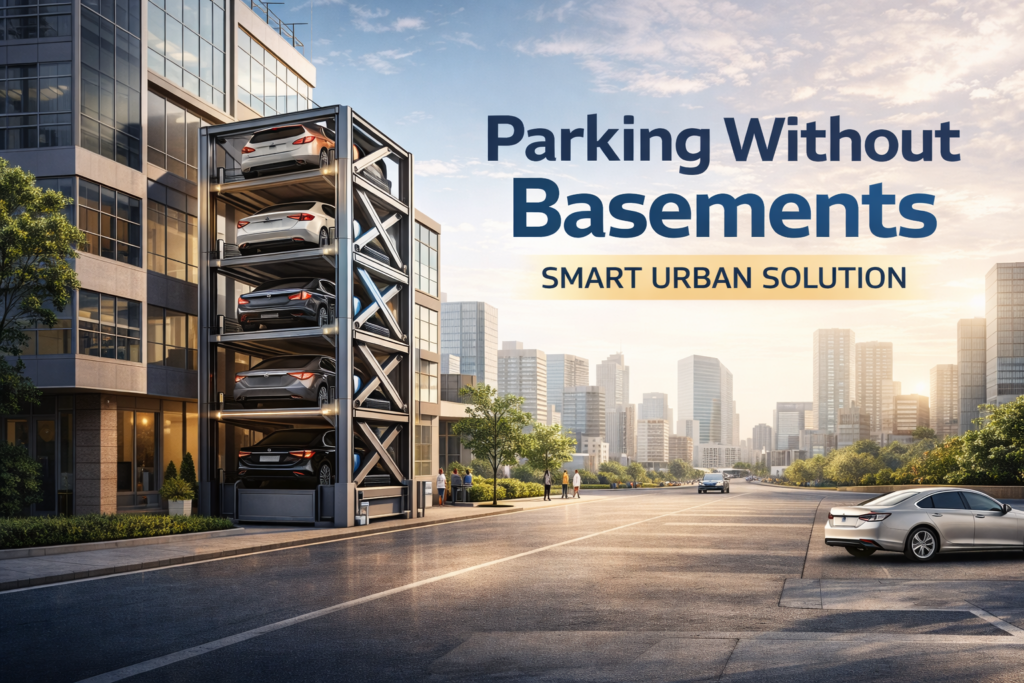
Automatic parking is the better option for projects that require maximum efficiency, reduced land usage, and long-term sustainability.
Traditional parking may still be suitable for low-density areas where space is not a major constraint.
Why Choose Sawa Parking ?
Choosing the right partner is essential for the success of any parking project. Sawa Parking stands out by offering customized solutions tailored to each project’s specific requirements. The company focuses on delivering systems that are not only efficient but also reliable and easy to integrate into different types of developments.
Clients benefit from competitive pricing, flexible design options, and a strong commitment to quality and safety. From initial concept to final installation, Sawa Parking ensures a smooth and professional execution process.
With a focus on innovation and long-term performance, Sawa Parking is positioned as a trusted partner for developers looking to implement advanced parking solutions.
About Us
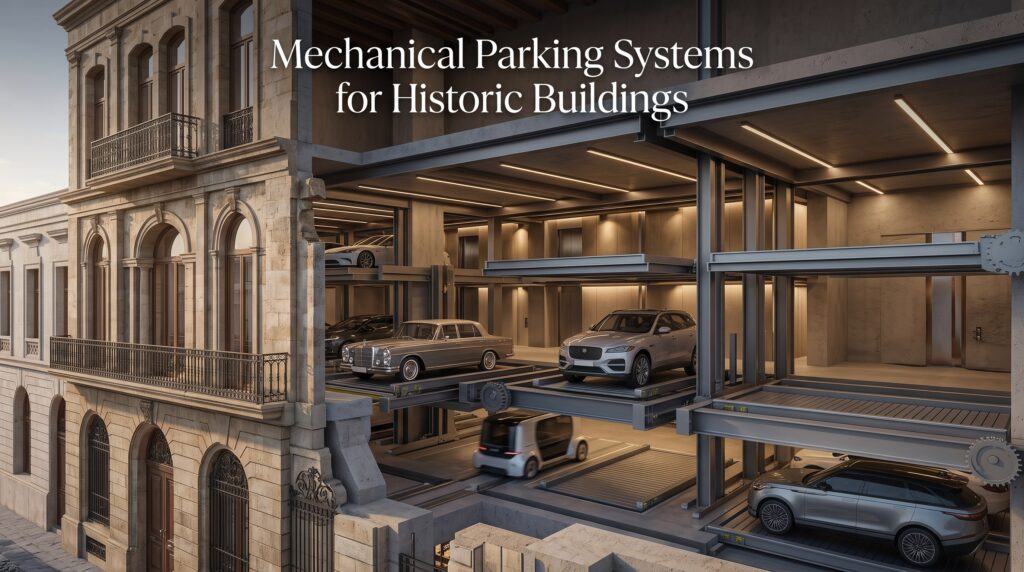
Sawa Parking is a specialized engineering company focused on designing and manufacturing advanced mechanical parking systems for modern urban developments.
With a deep understanding of space optimization and urban challenges, Sawa Parking provides solutions that combine functionality, durability, and efficiency. Each system is designed to meet real-world project needs, whether for residential, commercial, or mixed-use developments.
The company is committed to delivering practical parking solutions that help developers maximize land value while maintaining high standards of safety and performance.
🇪🇬 Why Manufacturing in Egypt
Manufacturing in Egypt provides a strategic advantage for delivering high-quality mechanical parking systems at competitive costs.
Egypt offers a strong industrial base, skilled engineering talent, and lower production costs compared to Europe. This allows Sawa Parking to produce reliable systems without compromising on quality or performance.
In addition, Egypt’s geographic location enables faster shipping and efficient logistics to Europe, the Middle East, and Africa. This reduces delivery times and overall project costs for clients.
By combining cost efficiency with engineering expertise, manufacturing in Egypt creates a balanced solution that meets both budget and performance expectations.
Conclusion
Automatic parking systems are rapidly becoming the preferred solution in Europe. As cities continue to reduce parking space and land becomes more valuable, developers must adopt smarter and more efficient solutions.
In most modern developments, automatic parking is not just an alternative—it is the future of urban parking.
References
Urban Land Institute (ULI)
https://uli.org
International Parking & Mobility Institute
https://www.parking-mobility.org
ITS International
https://www.itsinternational.com
McKinsey & Company
https://www.mckinsey.com