


Introduction
Abu Dhabi has become one of the world’s leading examples of modern urban planning. Over the past two decades, the emirate has transformed its skyline with iconic residential towers, luxury hotels, mixed-use developments, government districts, business hubs, and world-class cultural destinations. Areas such as Al Reem Island, Al Maryah Island, Yas Island, Saadiyat Island, Khalifa City, and the Abu Dhabi Corniche continue attracting billions of dollars in real estate investment every year.
Yet behind this remarkable urban growth lies a challenge that receives far less attention than architecture or infrastructure—parking.
Today’s developments are no longer competing only through premium finishes or iconic façades. Buyers, tenants, hotel guests, and investors now expect buildings to offer efficient mobility, seamless accessibility, and sufficient parking capacity without sacrificing valuable development space.
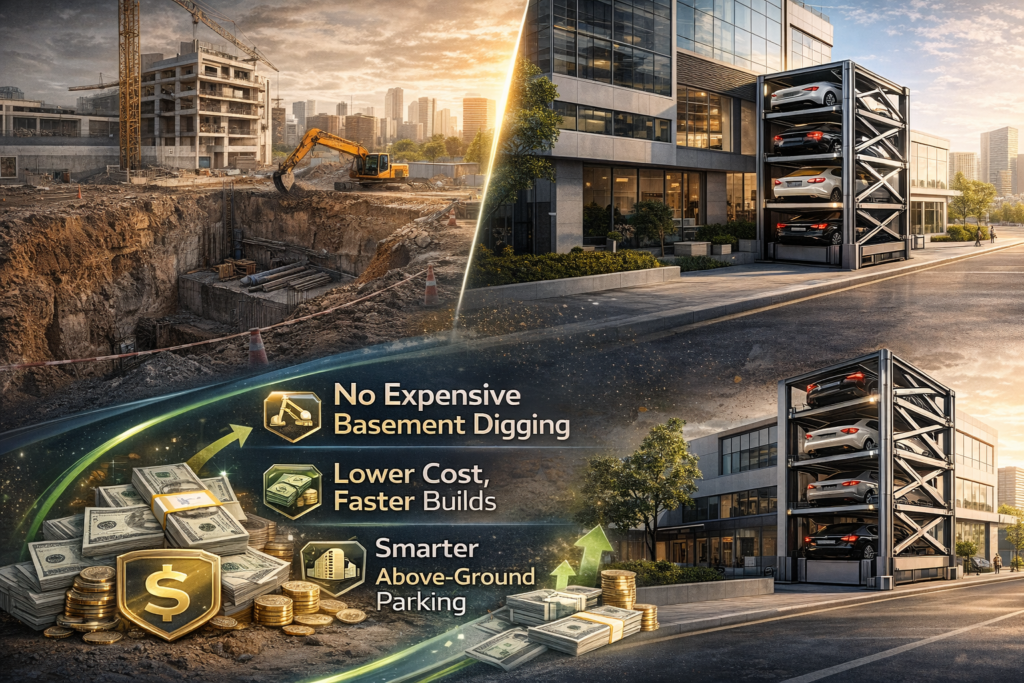
As land values continue rising in prime districts and developers seek to maximize every square meter of their projects, conventional parking garages are becoming increasingly inefficient. Large ramps, oversized circulation lanes, and multiple basement levels consume valuable space that could otherwise generate additional revenue.
This shift is why Mechanical Parking Systems in Abu Dhabi are rapidly becoming one of the most important engineering solutions for future-ready developments. Instead of expanding outward, developers are increasingly building upward, and parking infrastructure is evolving in exactly the same direction.
Why Abu Dhabi Is Building Up Instead of Out
Unlike many rapidly expanding cities, Abu Dhabi is not facing a shortage of land across the emirate. The challenge exists within premium investment districts, where every additional square meter directly affects construction costs, project profitability, and long-term asset value.
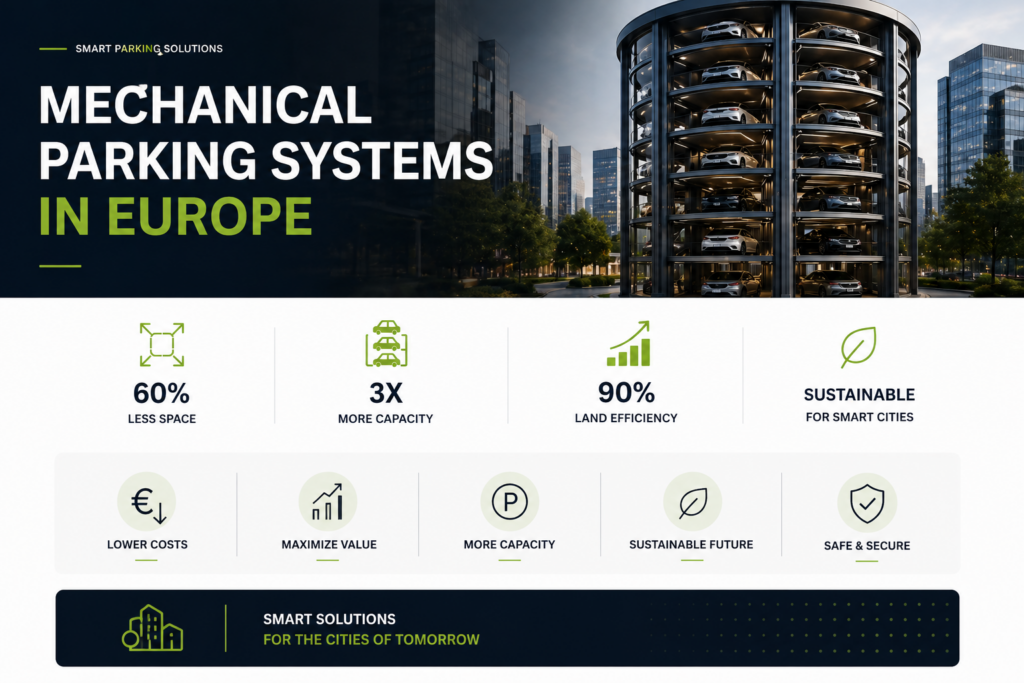
Developments on Al Maryah Island, Reem Island, and Saadiyat Island compete to deliver luxury apartments, Grade A office towers, five-star hotels, healthcare facilities, and mixed-use destinations on carefully planned plots. In these locations, allocating thousands of square meters to conventional parking structures is no longer the most efficient approach.
Developers increasingly ask a different question:
How can we increase parking capacity without reducing the project’s commercial value?
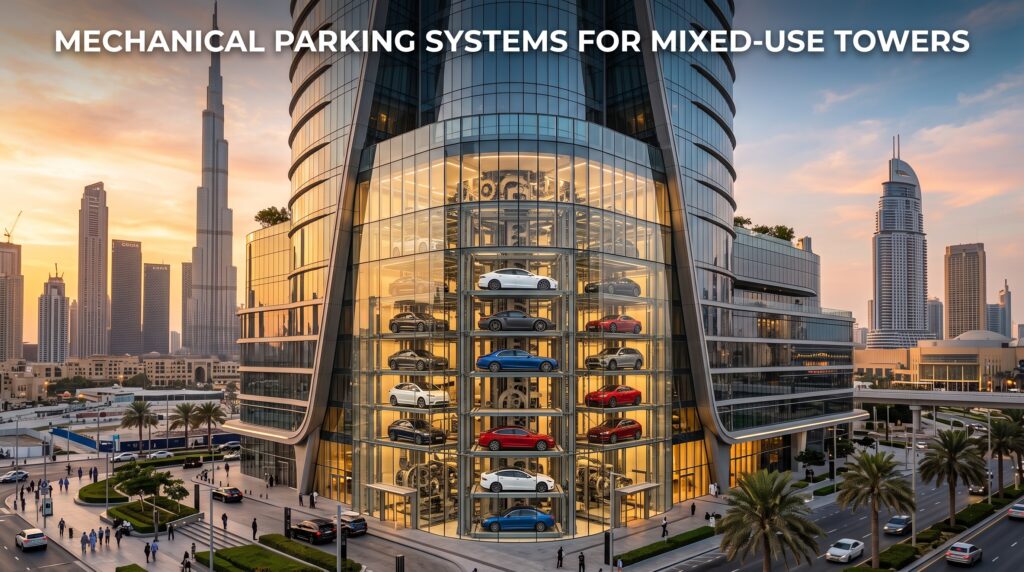
Mechanical parking systems answer this challenge by replacing unnecessary circulation space with intelligent vertical parking solutions that dramatically improve land utilization.
Rather than dedicating additional land to parking, developers can dedicate more space to premium apartments, retail units, restaurants, offices, wellness facilities, or landscaped public areas that generate significantly higher returns.
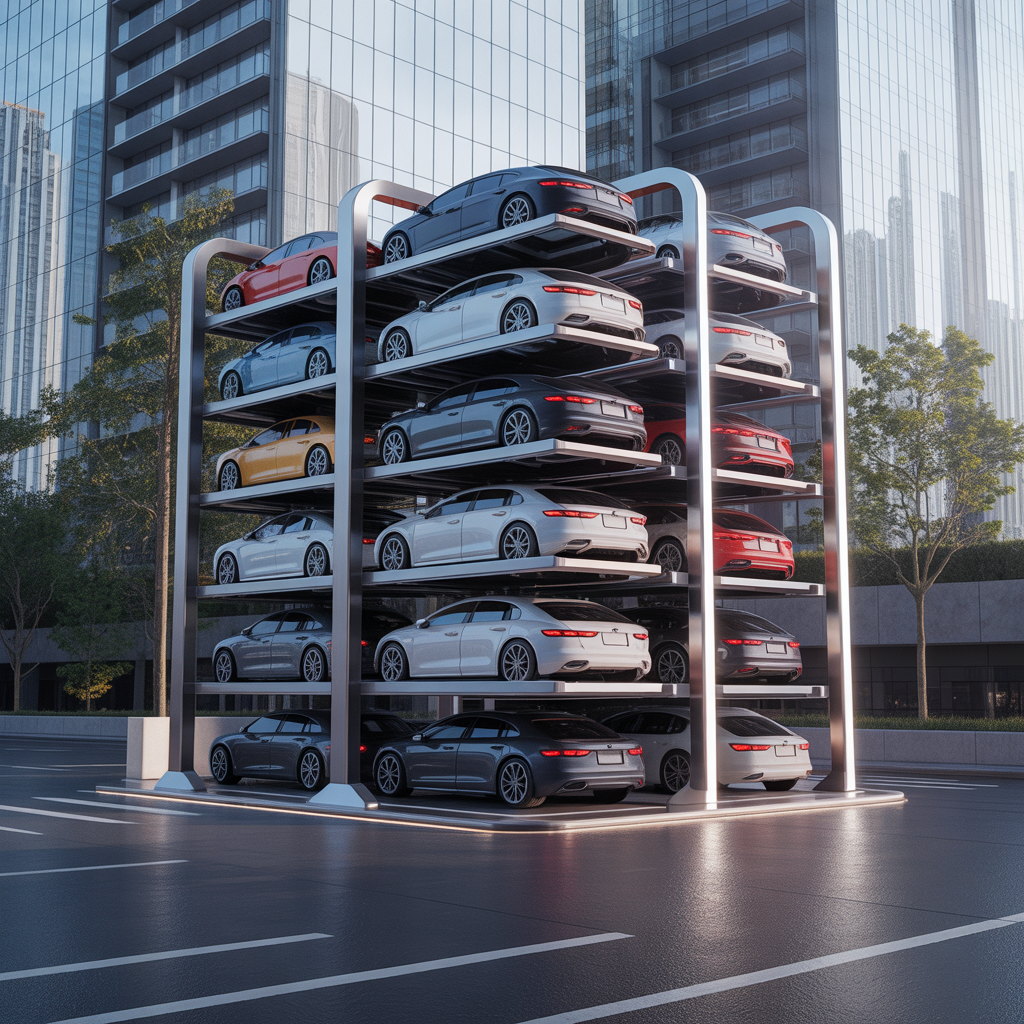
Luxury Developments Demand Luxury Parking
Luxury real estate has evolved far beyond elegant architecture.
High-end buyers now evaluate the complete ownership experience.
Residents expect seamless vehicle access.
Hotel guests expect efficient valet operations.
Corporate tenants require organized parking for employees and visitors.
Retail destinations need continuous parking availability throughout the day.
A parking experience that feels crowded, confusing, or inefficient can negatively affect the overall perception of an otherwise exceptional development.
Mechanical parking systems provide a premium experience that aligns with the quality standards expected within Abu Dhabi’s luxury real estate market.
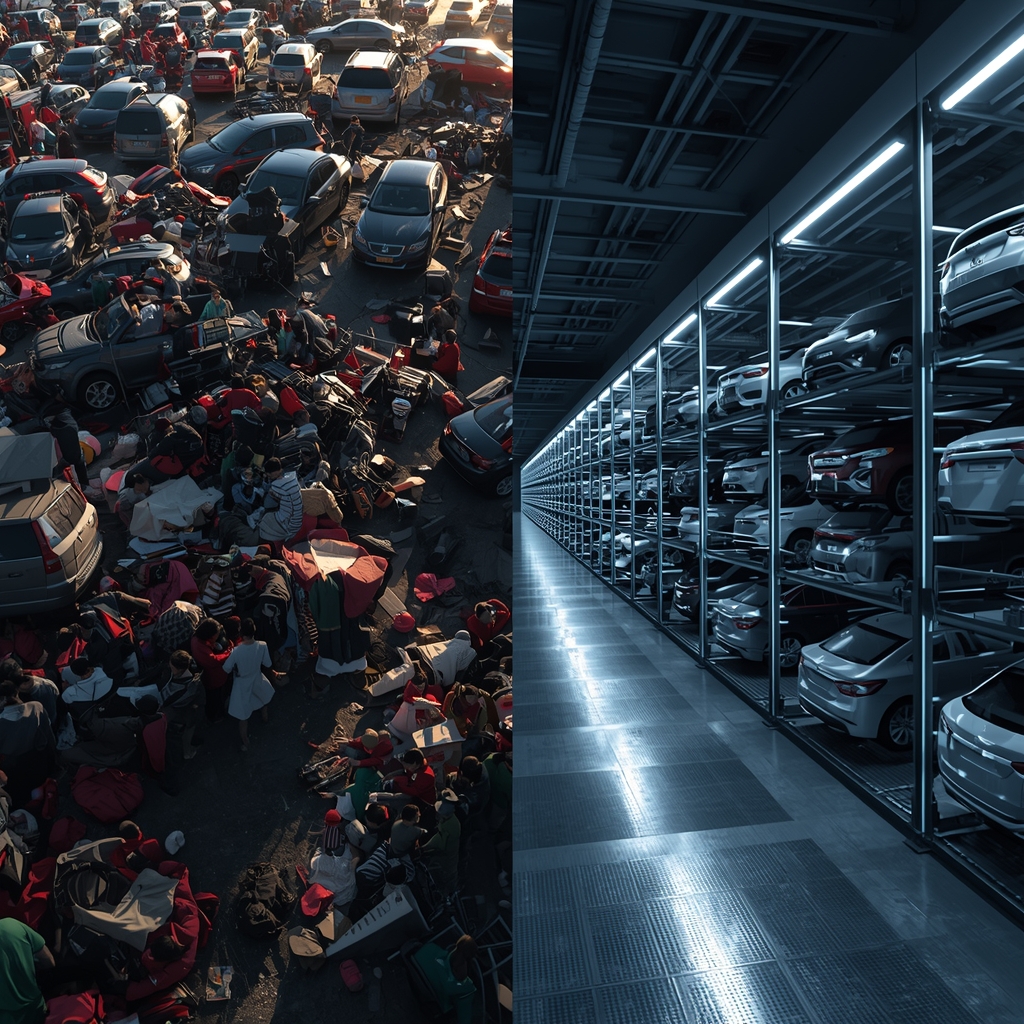
Automated vehicle handling, organized circulation, reduced congestion, and optimized parking capacity all contribute to a smoother user experience while supporting the developer’s commercial objectives.
The Hidden Cost of Traditional Parking
When developers evaluate project costs, parking is often viewed only as a construction requirement.
However, conventional parking introduces several hidden costs that continue throughout the life of the building.
Large ramps reduce usable floor area.
Wide circulation lanes consume expensive construction space.
Additional basement excavation increases engineering complexity.
Ventilation systems become larger.
Construction schedules become longer.
Operational maintenance costs continue increasing over time.
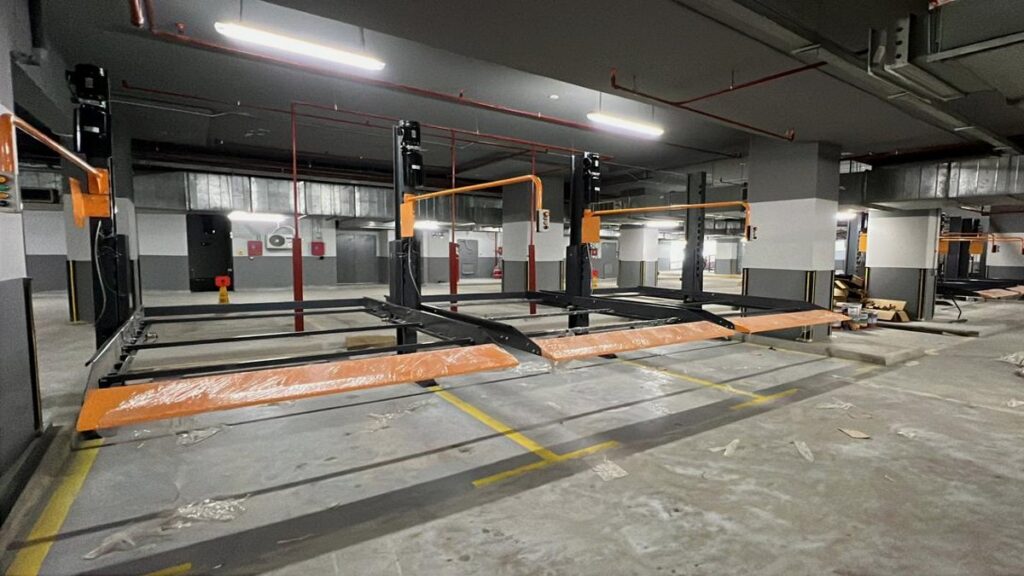
Mechanical parking systems reduce many of these inefficiencies by allowing significantly more vehicles to be accommodated within the same footprint while simplifying overall space planning.
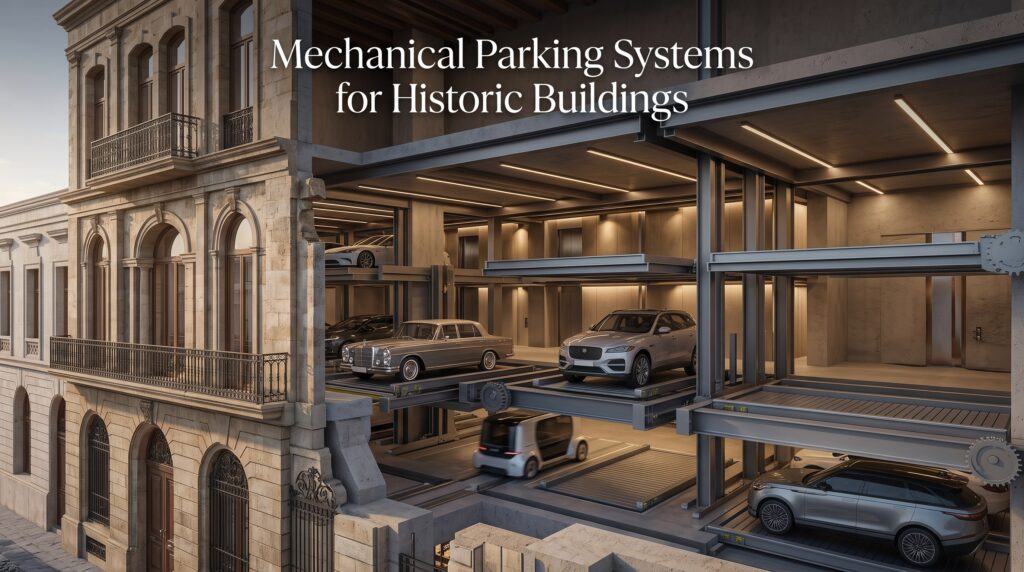
For developers working on premium projects, every square meter saved creates opportunities for additional revenue-generating spaces.
Why Mechanical Parking Systems Are Becoming a Competitive Advantage
In Abu Dhabi’s premium real estate market, developers are no longer competing solely on architectural design or project location. Today’s buyers evaluate every aspect of a development, from sustainability and smart technologies to operational efficiency and long-term convenience. Parking has become an integral part of this evaluation.
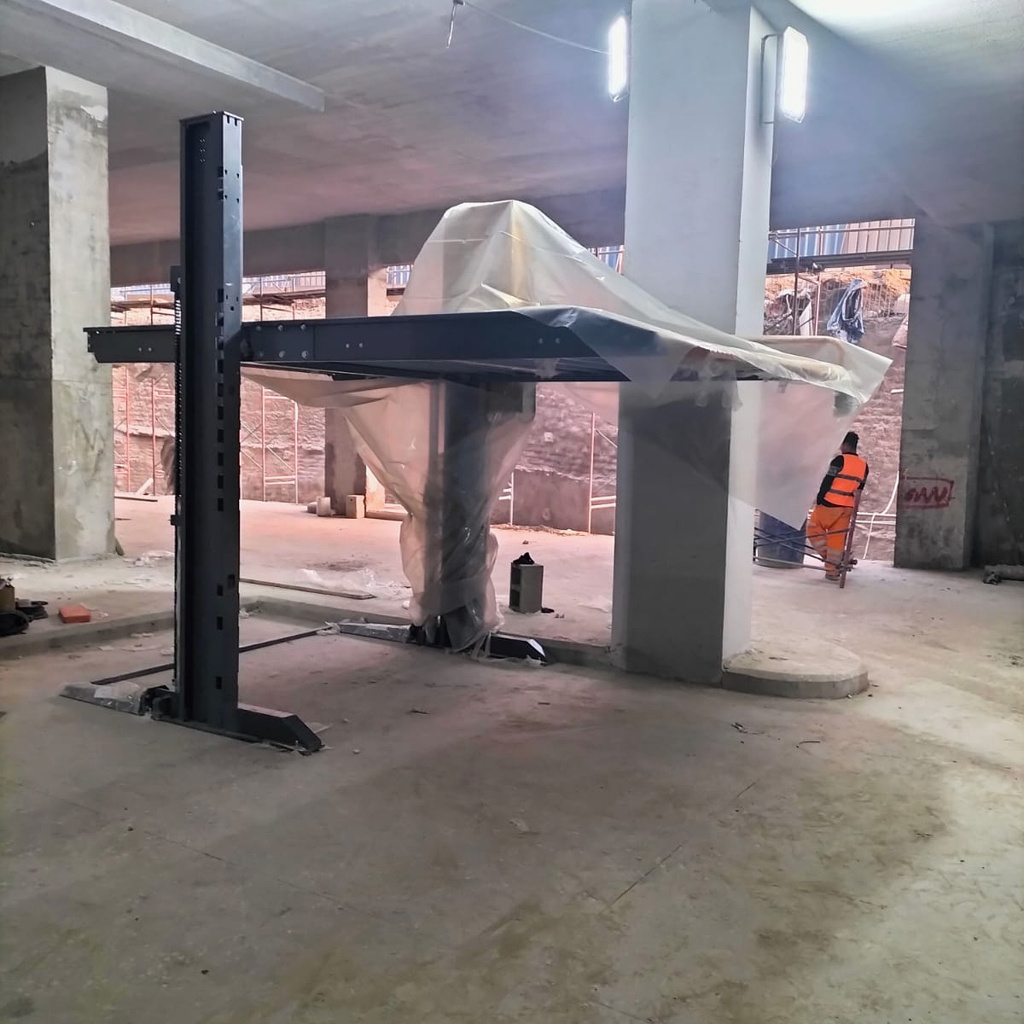
A residential tower that offers fast, organized, and secure parking provides a significantly better living experience than one relying on conventional basement layouts with limited capacity and complicated vehicle circulation. The same applies to office buildings, hotels, and mixed-use developments where daily vehicle movement directly influences user satisfaction.
For developers, Mechanical Parking Systems in Abu Dhabi have evolved from being an engineering solution into a market differentiator. Projects equipped with advanced parking technologies demonstrate innovation, efficient planning, and a commitment to delivering a premium experience, making them more attractive to investors, tenants, and end users.
Case Study: A Mixed-Use Development on Al Reem Island
Imagine a developer planning a modern mixed-use tower on Al Reem Island, combining luxury apartments, retail outlets, restaurants, and office spaces.
The available land is valuable, and every additional square meter dedicated to parking reduces the project’s commercial potential. Constructing multiple underground parking levels would significantly increase excavation costs, construction time, and engineering complexity.
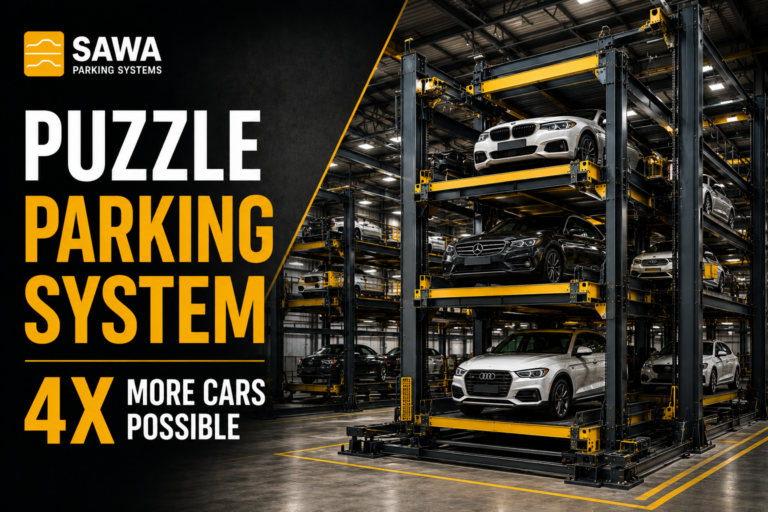
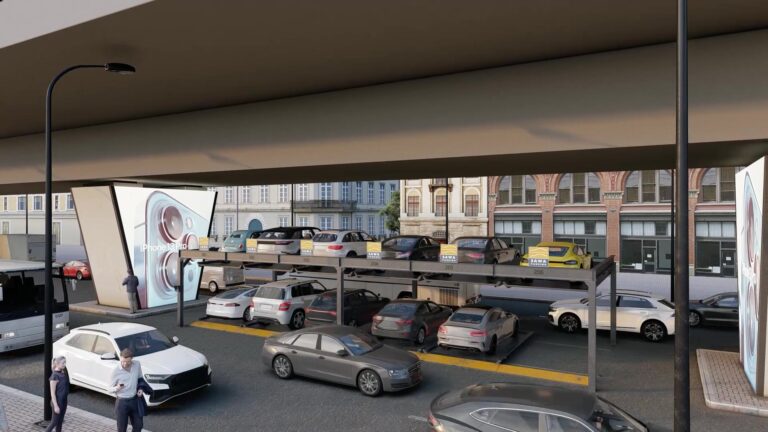
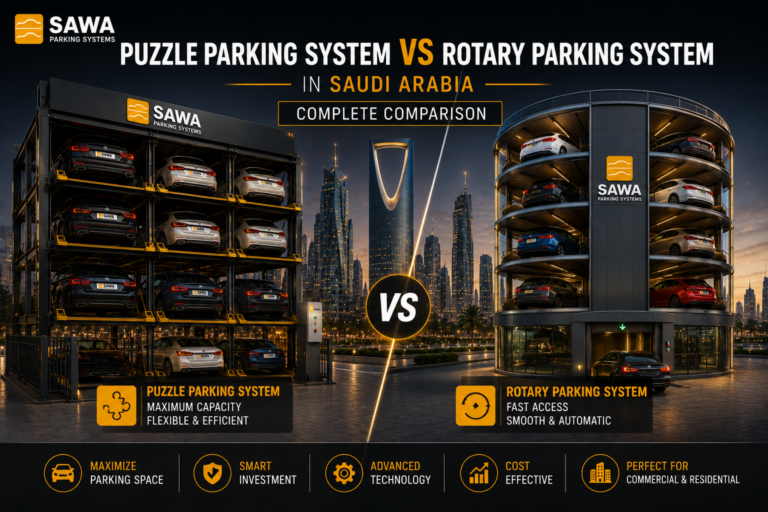
Instead, the developer integrates a Puzzle Parking System combined with Car Stacker Parking Lifts to maximize parking capacity within the existing footprint.
The result is a project that accommodates more vehicles without expanding the parking area, while preserving additional space for retail units and premium amenities. Residents enjoy organized parking, visitors experience easier access, and the developer achieves higher commercial value from the same parcel of land.
Although every project requires its own engineering study, this example illustrates how mechanical parking systems can transform parking from a space-consuming necessity into a strategic design advantage.
Mechanical Parking Systems for Different Types of Developments
One of the greatest strengths of mechanical parking technology is its flexibility. Different developments require different parking strategies, and selecting the appropriate system depends on building type, traffic patterns, available space, and operational objectives.
Residential Towers
Luxury residential buildings require secure, reliable, and space-efficient parking that provides residents with convenient daily access while maximizing the number of available spaces.
Hotels
Five-star hotels depend on smooth guest arrivals and efficient valet operations. Mechanical parking systems help increase capacity while maintaining the premium experience expected by international visitors.
Commercial Buildings
Office towers attract hundreds of employees and visitors every day. Organized parking reduces congestion and improves accessibility during peak operating hours.
Mixed-Use Developments
Projects combining residential, retail, hospitality, and office functions generate different parking demands throughout the day. Mechanical parking systems help manage these varying traffic patterns while optimizing land utilization.
Healthcare Facilities
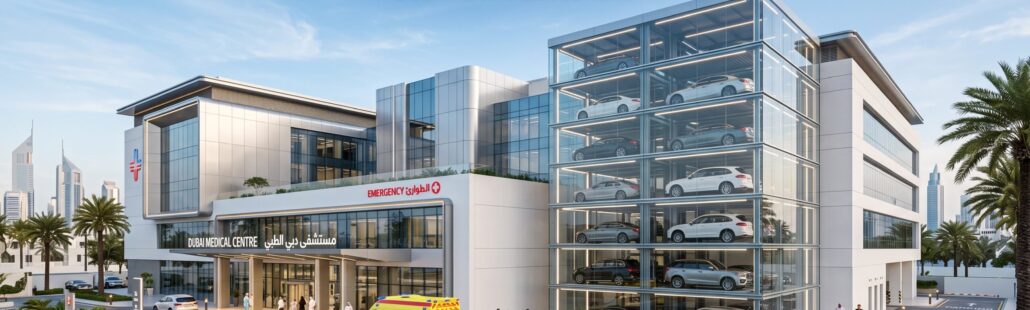
Hospitals and medical centers require reliable parking solutions that reduce waiting times and improve accessibility for patients, visitors, and emergency services.
Traditional Parking vs Mechanical Parking Systems
Modern developers increasingly compare traditional parking with mechanical parking before finalizing project designs.
| Traditional Parking | Mechanical Parking Systems |
|---|---|
| Requires large ramps | Eliminates unnecessary ramps in many configurations |
| Consumes significant circulation space | Maximizes usable parking area |
| Often requires multiple basement levels | Reduces dependence on deep excavation |
| Lower parking density | Higher parking capacity within the same footprint |
| Less flexibility for future expansion | Scalable solutions for different project sizes |
| Reduces commercial floor area | Preserves valuable revenue-generating space |
This comparison demonstrates why many developers now consider mechanical parking during the earliest stages of project planning rather than as a late engineering decision.
Supporting Abu Dhabi’s Vision for Sustainable Urban Development
Abu Dhabi continues investing in sustainable communities, smart mobility, digital infrastructure, and environmentally responsible urban planning. Future developments are expected to make more efficient use of land while integrating technologies that improve operational performance and user experience.
Mechanical parking systems align naturally with these objectives. By reducing land consumption, improving parking efficiency, and supporting smarter building designs, these systems contribute to more sustainable urban environments without compromising development quality.
As the emirate continues attracting global investment and delivering ambitious real estate projects, efficient parking infrastructure will become increasingly important in supporting long-term urban growth.
Why Choose Sawa Parking
Every development has unique engineering requirements, and selecting the right parking solution begins with understanding the project’s specific objectives.
At Sawa Parking, we design and manufacture customized mechanical parking systems that maximize land utilization while maintaining reliability, safety, and operational efficiency.
Our solutions include:
- Puzzle Parking Systems
- Rotary Parking Systems
- Automated Parking Systems
- Car Stacker Parking Lifts
- Scissor Parking Systems
- Four Post Car Elevators
From concept development and engineering design to manufacturing, installation, testing, and after-sales support, Sawa Parking works closely with developers to deliver solutions tailored to each project’s needs.
With advanced manufacturing capabilities in Egypt and a strategic location serving the Middle East and international markets, Sawa Parking offers high-quality mechanical parking systems designed for modern developments across the region.
Conclusion
Abu Dhabi’s skyline continues to evolve through ambitious residential towers, luxury hotels, commercial landmarks, and mixed-use developments that redefine modern urban living.
As projects become more sophisticated and land utilization grows increasingly important, conventional parking methods can no longer deliver the efficiency required by today’s developers.
Mechanical Parking Systems in Abu Dhabi provide a practical and future-ready solution that increases parking capacity, optimizes valuable space, enhances user experience, and supports sustainable urban growth.
For developers looking to maximize project value while meeting the expectations of a rapidly evolving market, mechanical parking systems are no longer an optional feature—they have become an essential component of intelligent building design.
References
- Department of Municipalities and Transport – Abu Dhabi. Urban Planning and Sustainable Development.
https://www.dmt.gov.ae - Abu Dhabi Urban Planning Council (Plan Abu Dhabi 2030). Urban Structure Framework Plan.
https://www.dmt.gov.ae - International Parking & Mobility Institute (IPMI). Parking Planning and Design Best Practices.
https://www.parking-mobility.org - Council on Tall Buildings and Urban Habitat (CTBUH). High-Rise Building Design and Urban Density.
https://www.ctbuh.org