


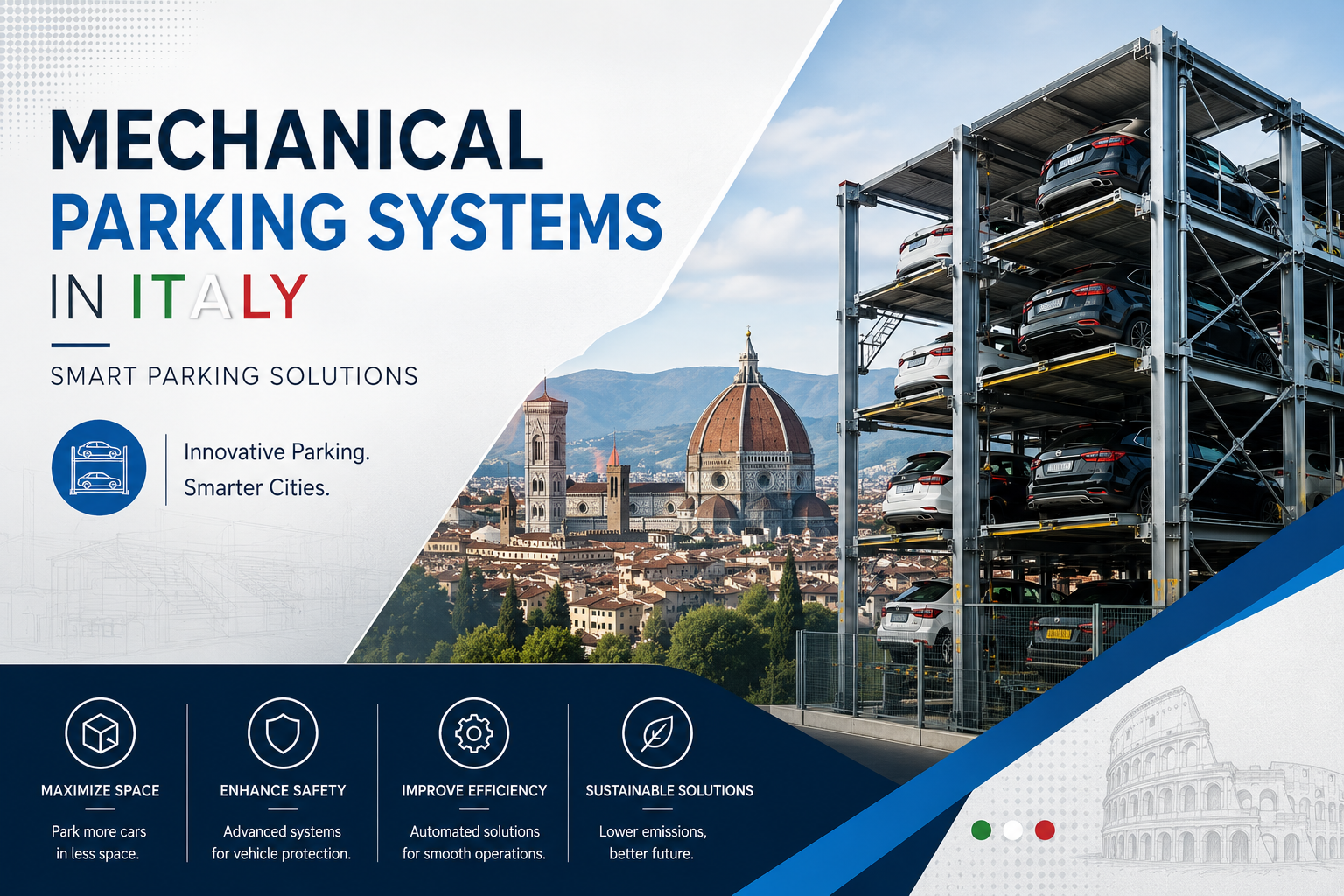
Mechanical Parking Systems in Italy
Italy is internationally recognized for its architectural heritage, historic city centers, and iconic urban landscapes. Cities such as Rome, Milan, Florence, Venice, and Naples attract millions of residents and visitors every year, making the country one of the world’s leading tourism and business destinations. However, behind this cultural richness lies a growing urban challenge that affects municipalities, developers, hotels, commercial buildings, and residential communities alike: parking.
Unlike many newly developed cities, Italian urban centers cannot simply expand their roads or construct larger parking lots whenever demand increases. Historic districts are protected by strict preservation regulations, streets are often narrow, and available land is extremely limited. At the same time, vehicle ownership, tourism, and commercial activity continue to grow, placing enormous pressure on existing parking infrastructure.
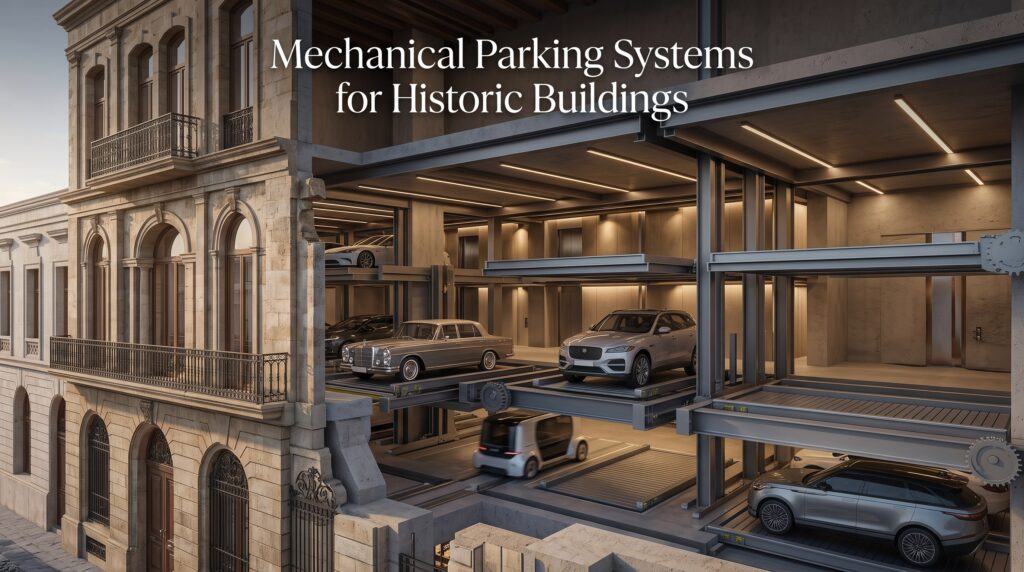
These conditions have accelerated the adoption of mechanical parking systems in Italy. Rather than consuming additional land or altering the architectural identity of historic neighborhoods, mechanical parking solutions enable developers and municipalities to significantly increase parking capacity within the same footprint. They provide a practical balance between urban preservation, operational efficiency, and sustainable development.Mechanical Parking Systems for Modern Airports | Smart Parking
Today, mechanical parking systems are no longer considered a niche technology reserved for luxury projects. They are becoming an essential infrastructure solution for residential buildings, hotels, hospitals, commercial centers, mixed-use developments, and public facilities throughout Italy.
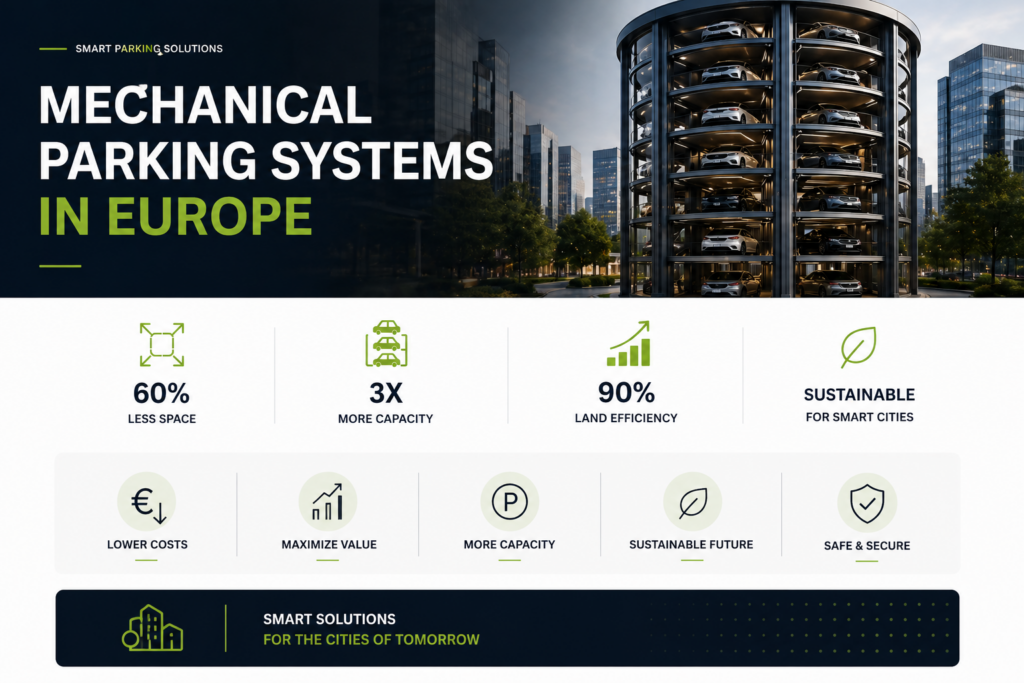
Italy’s Historic Cities Cannot Expand Forever
One of the biggest differences between Italy and many rapidly growing countries is the age of its urban fabric.
Cities such as Rome, Florence, Venice, and Bologna were designed centuries before the invention of the automobile. Their streets were built for pedestrians, horses, and small carts—not for thousands of private vehicles moving every day.
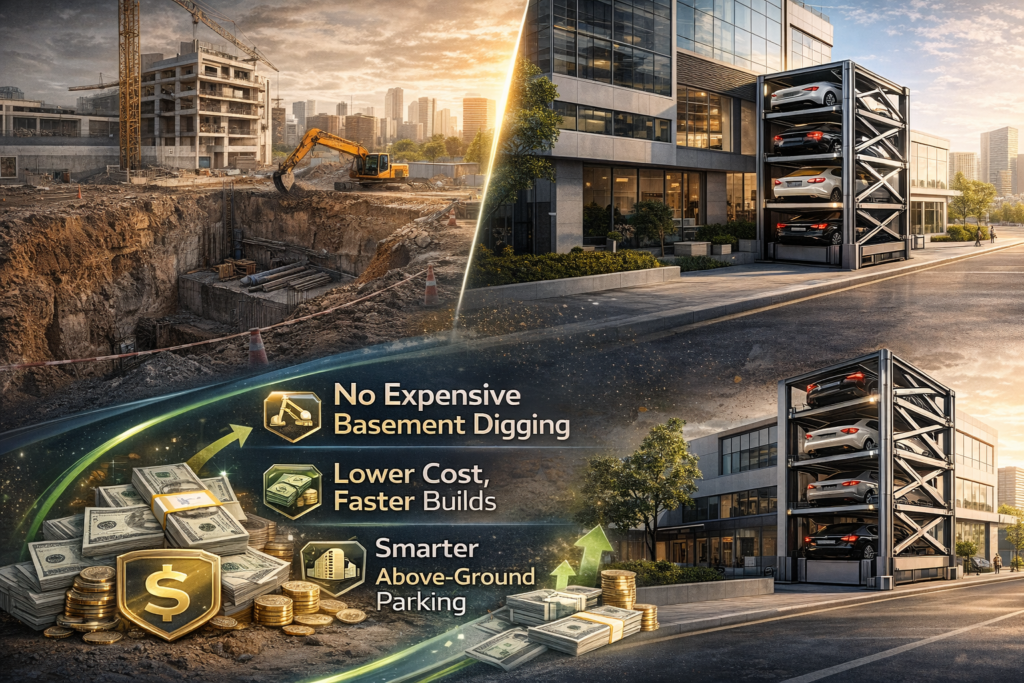
Because of this, modern parking challenges cannot simply be solved by widening roads or constructing additional surface parking lots.
Historic preservation laws protect many districts from extensive redevelopment, limiting what architects and developers can build. In many locations, excavation is also restricted to protect archaeological remains and cultural heritage.

As a result, every available square meter has become increasingly valuable.
Developers must therefore think vertically instead of horizontally. This is exactly where mechanical parking systems provide a strategic advantage by maximizing vehicle storage without altering the urban environment.
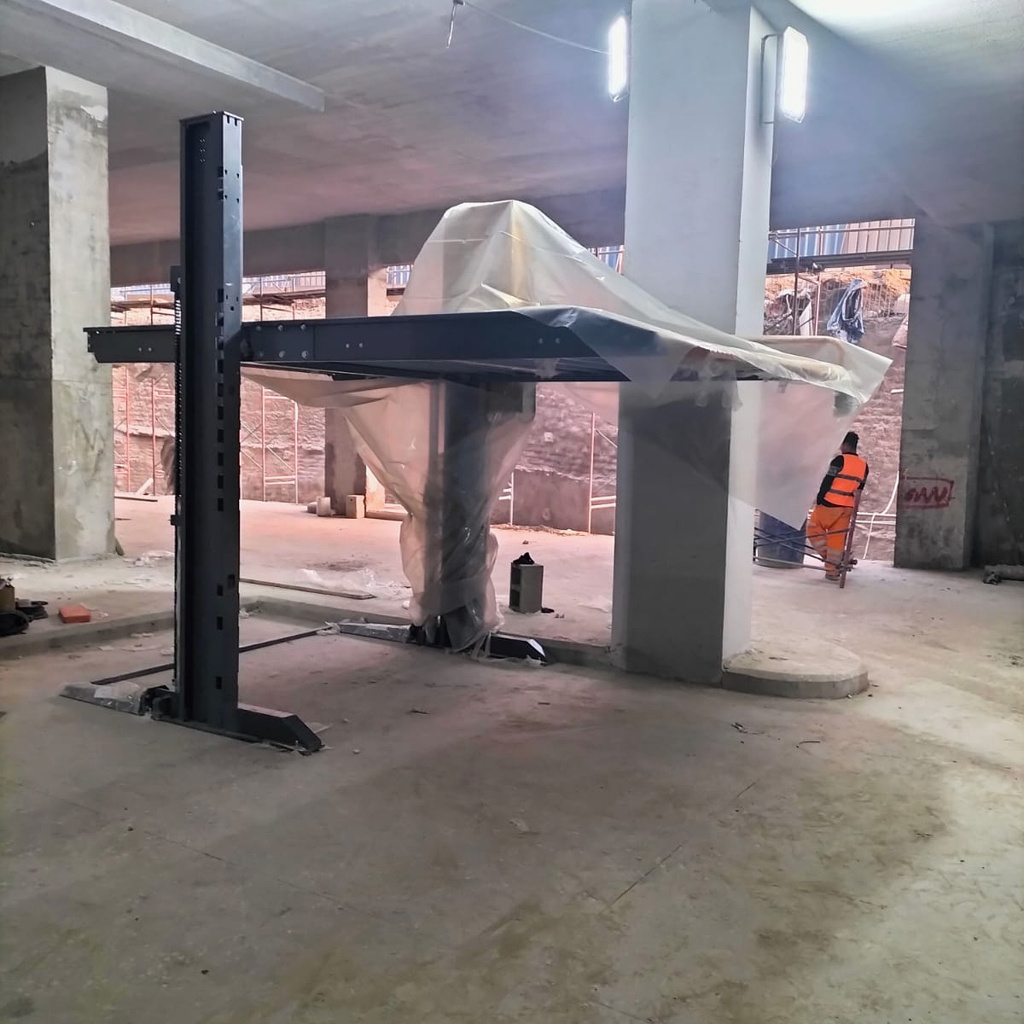
If you are comparing different parking technologies for space-constrained projects, you may also explore our guide to Puzzle Parking Systems to understand how multi-level mechanical solutions increase capacity within compact sites.
Urban Density Continues to Increase Across Italy
Although Italy’s population growth has stabilized compared to many countries, urban density continues increasing in major metropolitan areas.
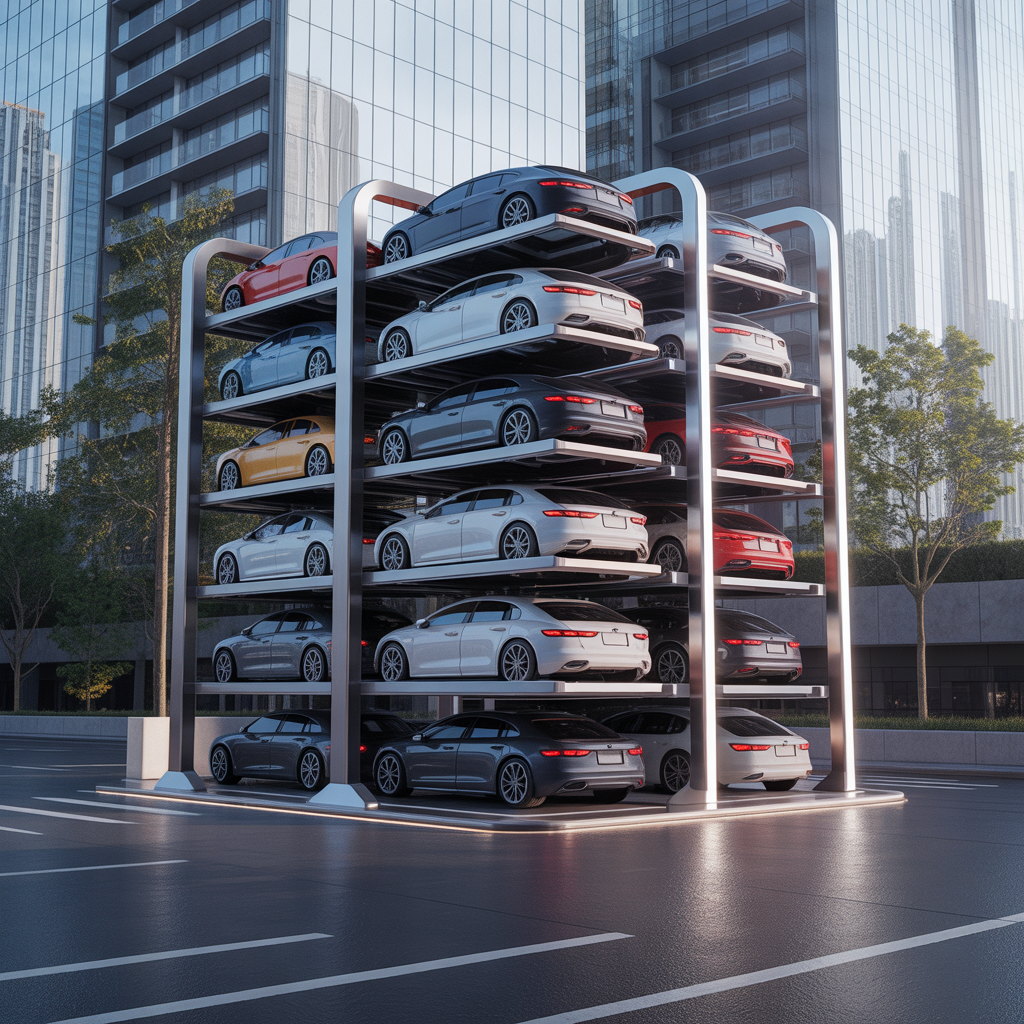
Cities such as Milan have experienced significant redevelopment over the last decade, driven by commercial investment, mixed-use developments, luxury residential projects, and international business expansion.
Tourism also plays an important role.
Every year, millions of visitors travel to Italy, creating seasonal peaks in parking demand around hotels, airports, shopping districts, museums, and historic centers.
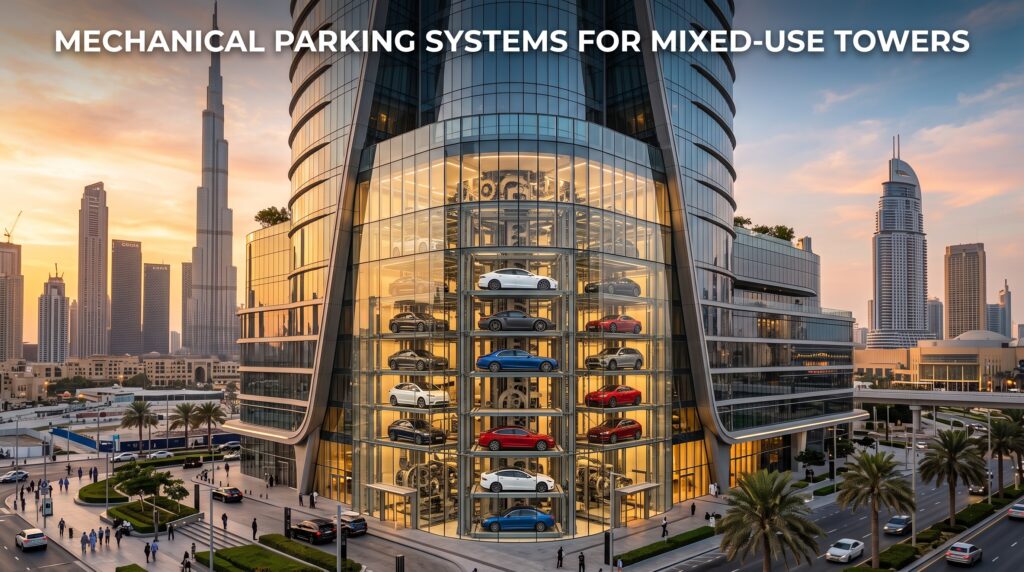
This combination of permanent residents, commuters, and tourists places exceptional pressure on parking infrastructure.
Traditional parking facilities struggle to accommodate this growing demand because land availability remains limited and construction costs continue rising.
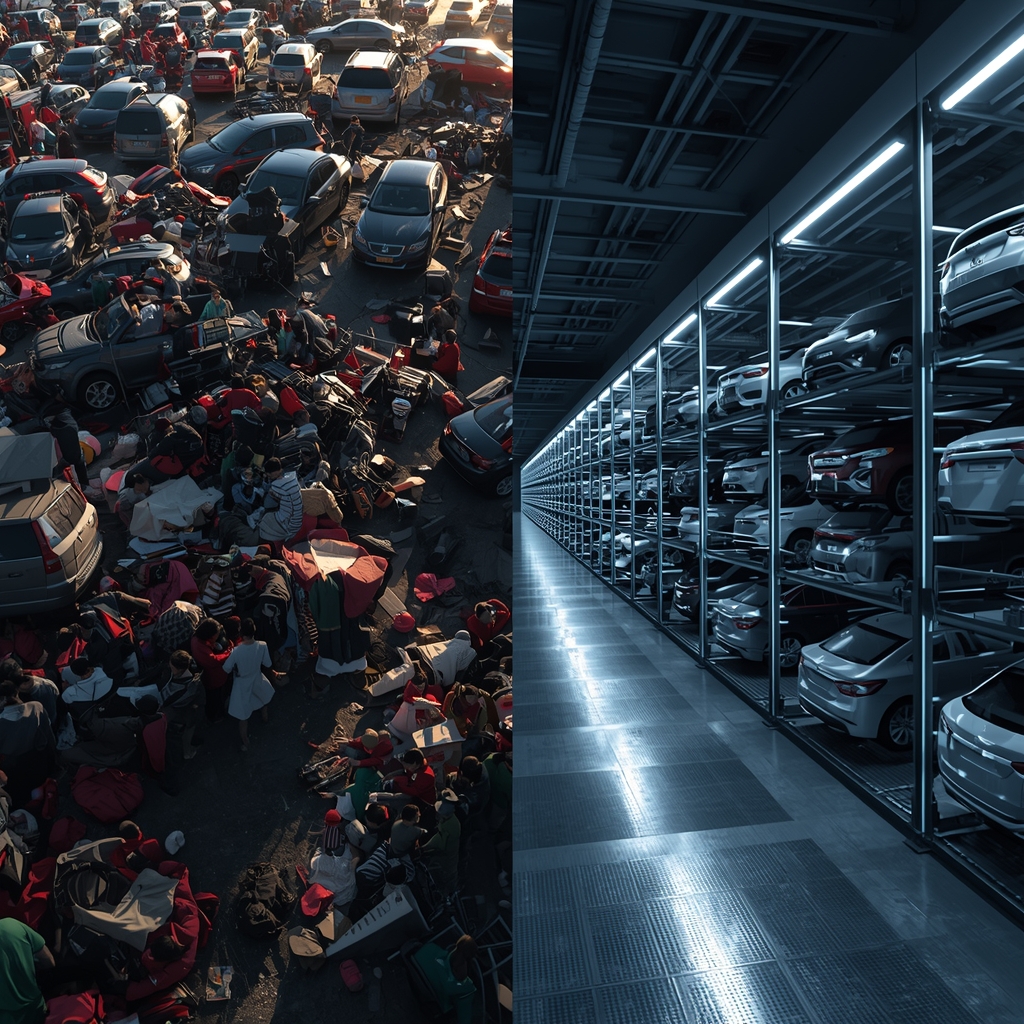
Mechanical parking systems allow developers to respond to increasing vehicle volumes without sacrificing valuable commercial or residential space.
Land Has Become One of Italy’s Most Valuable Resources
For developers operating in cities such as Milan, Rome, or Florence, land is one of the most expensive components of any construction project.
Every square meter allocated to ramps, turning lanes, and inefficient parking layouts reduces the space available for apartments, offices, retail units, restaurants, or public amenities.
This directly affects project profitability.
Traditional parking garages often dedicate a significant percentage of their footprint to vehicle circulation rather than actual parking spaces.
Mechanical parking systems solve this inefficiency by replacing unnecessary circulation areas with engineered lifting and storage mechanisms.
Instead of expanding horizontally, developers can increase parking density vertically.
For projects located in premium urban locations, this optimization can significantly improve land utilization while preserving the overall architectural design.
Many architects now evaluate Automated Parking Systems during the early planning stages because they offer greater design flexibility compared to conventional parking layouts.
Hotels Are Facing Increasing Parking Challenges
Italy’s hospitality sector continues to evolve as international tourism reaches record levels in many regions.
Luxury hotels in Rome, boutique hotels in Florence, coastal resorts along the Amalfi Coast, and business hotels in Milan all face a common operational challenge: providing convenient parking without compromising valuable guest facilities.
Unlike newly built resorts located outside city centers, many Italian hotels operate inside historic buildings where expansion opportunities are extremely limited.
Constructing additional underground parking is often expensive, technically complex, or simply impossible due to heritage regulations.
Mechanical parking systems provide an attractive alternative.
By integrating technologies such as Car Stacker Parking Lifts, Rotary Parking Systems, or compact Puzzle Parking Systems, hotels can substantially increase parking capacity while maintaining the architectural integrity of their properties.
For hospitality operators seeking to improve guest experience, mechanical parking is becoming an investment that enhances both operational efficiency and customer satisfaction.
To explore how intelligent parking technologies support premium hospitality projects, read our article on Hotel Parking Management Solutions in Europe.
Luxury Residential Developments Require Better Parking Solutions
The expectations of homebuyers have changed significantly across Italy.
Modern residents no longer evaluate residential developments solely based on location or interior design. Parking availability, accessibility, and convenience have become major purchasing considerations, particularly in high-density urban areas.
Luxury residential towers in Milan and Rome increasingly attract households owning multiple vehicles, while visitors, maintenance providers, and delivery services generate additional parking demand throughout the day.
Traditional parking layouts often underestimate these changing mobility patterns.
Mechanical parking systems allow developers to provide substantially more parking spaces without expanding the building footprint or reducing landscaped areas.
This enables architects to preserve attractive outdoor environments while ensuring sufficient parking capacity for both residents and guests.
As residential projects become denser and urban land becomes more expensive, mechanical parking systems are rapidly becoming an essential feature of premium developments rather than an optional upgrade.
Mechanical Parking Systems Support Mixed-Use Developments
Mixed-use developments have become one of the fastest-growing real estate models across Italy. Modern projects increasingly combine residential apartments, office spaces, retail outlets, restaurants, hotels, and entertainment facilities within a single destination. While this concept creates vibrant urban environments, it also generates highly complex parking requirements.
Unlike traditional buildings that serve a single type of user, mixed-use developments must accommodate residents, employees, visitors, hotel guests, delivery vehicles, maintenance teams, and commercial customers simultaneously. Each group follows different traffic patterns throughout the day, making parking management significantly more challenging.
Traditional parking layouts often struggle to respond efficiently to these changing demands because they rely on fixed parking allocations and large circulation areas. Mechanical parking systems offer a more flexible approach by maximizing available capacity while allowing developers to optimize vehicle flow according to actual demand.
Solutions such as Puzzle Parking Systems, Automated Parking Systems, and Rotary Parking Systems enable mixed-use developments to support multiple user groups without expanding the project’s footprint. This improves operational efficiency while preserving valuable commercial and residential space.
Developers planning integrated urban projects often compare different technologies before selecting the most suitable solution. You can also explore our guide to Smart Parking Systems for Mixed-Use Developments to understand how intelligent parking supports complex real estate projects.
Preserving Heritage While Modernizing Infrastructure
One of Italy’s greatest strengths is its architectural heritage. Historic buildings, protected districts, and UNESCO World Heritage Sites attract millions of visitors every year and contribute significantly to the country’s economy.
However, preserving these historic environments while supporting modern transportation presents a unique engineering challenge.
Municipal authorities must carefully balance conservation objectives with the practical needs of residents, businesses, and tourists. Large-scale demolition or extensive road widening is rarely acceptable within protected city centers.
Mechanical parking systems provide a practical compromise.
Instead of modifying historic streets or constructing large surface parking areas, developers can introduce compact parking technologies that significantly increase vehicle capacity while minimizing visual impact.
In many projects, these systems are installed within existing structures, underground facilities, or carefully integrated extensions that respect the surrounding architectural character.
This approach allows cities to modernize parking infrastructure without compromising the historical identity that makes Italy unique.
Mechanical Parking Systems for Modern Airports | Smart Parking
Sustainability Is Accelerating the Adoption of Mechanical Parking
Environmental sustainability has become one of the main priorities shaping urban development across Europe.
Italy continues investing in policies that encourage more efficient land use, lower emissions, and smarter urban planning. Parking infrastructure plays an important role within these broader sustainability objectives.
Traditional parking facilities often require extensive excavation, large concrete structures, and significant land consumption. They also encourage unnecessary vehicle circulation as drivers search for available spaces.
Mechanical parking systems help reduce these inefficiencies.
By storing vehicles more compactly, they reduce the amount of land required for parking while improving overall space utilization. Many systems can also be integrated with ANPR Parking Systems, digital access control, and parking management software to streamline vehicle movement and reduce congestion.
Although mechanical parking alone cannot solve every urban mobility challenge, it represents an important component of more sustainable and space-efficient city planning.
As Italian municipalities continue pursuing greener infrastructure strategies, these technologies are expected to become increasingly common in both public and private developments.
Why Mechanical Parking Is Becoming a Long-Term Investment
For many developers, the initial discussion around mechanical parking focuses on construction cost.
However, experienced investors increasingly evaluate parking infrastructure based on long-term value rather than short-term expenditure.
Mechanical parking systems help improve project performance in several ways.
They maximize parking capacity without purchasing additional land, preserve valuable floor area for revenue-generating uses, reduce the need for expensive underground excavation, and improve the attractiveness of residential and commercial developments.
For hotels, better parking enhances guest satisfaction.
For residential communities, it improves quality of life.
For commercial projects, it increases accessibility and visitor convenience.
Over the lifetime of a development, these operational advantages often provide returns that extend well beyond the initial investment.
Rather than viewing mechanical parking as additional equipment, many developers now recognize it as a strategic asset that strengthens the long-term competitiveness of their projects.
Why Egypt Is Becoming a Reliable Manufacturing Partner
As demand for mechanical parking systems continues growing across Europe, developers are paying greater attention to manufacturing quality, engineering expertise, delivery times, and long-term technical support.
In recent years, Egypt has emerged as an increasingly competitive manufacturing destination for advanced engineering solutions. The country combines skilled engineering talent, expanding industrial capabilities, strategic geographic access to Europe, Africa, and the Middle East, and competitive production costs.
These advantages create opportunities for international developers seeking reliable suppliers capable of delivering customized mechanical parking solutions while maintaining high quality standards.
For European markets, working with manufacturers located near the Mediterranean can also simplify logistics and reduce delivery times compared to more distant production locations.
Companies such as Sawa Parking demonstrate how Egyptian engineering and manufacturing expertise can contribute to the growing global demand for modern mechanical parking infrastructure.
Rather than competing solely on price, the future lies in delivering customized solutions, reliable engineering, responsive after-sales support, and long-term project partnerships.
Why Choose Sawa Parking
Choosing the right mechanical parking partner is just as important as selecting the right parking technology. Every project has unique requirements based on available space, vehicle volume, user behavior, architectural constraints, and future expansion plans. A successful parking solution should therefore be engineered specifically for the project rather than relying on a standard design.
Sawa Parking specializes in designing, manufacturing, and installing advanced Mechanical Parking Systems that help developers maximize parking capacity while making the most efficient use of available space. Every solution is developed through detailed engineering studies to ensure that the selected system matches the operational needs of the project and complies with international engineering standards.
The company’s portfolio includes Puzzle Parking Systems, Rotary Parking Systems, Car Stacker Parking Lifts, Scissor Parking Systems, 4 Posts Car Elevators, Tilting Car Parking Lifts, and Automated Parking Systems, providing flexible solutions for residential compounds, commercial buildings, hotels, hospitals, airports, mixed-use developments, and public facilities.
Beyond manufacturing, Sawa Parking supports clients throughout the entire project lifecycle—from feasibility studies and parking layout optimization to engineering design, installation, commissioning, maintenance, and long-term technical support. This comprehensive approach helps developers reduce project risks while ensuring reliable performance for many years.
As Egypt continues strengthening its position as a regional industrial and engineering hub, companies such as Sawa Parking are demonstrating that locally manufactured mechanical parking systems can successfully compete in regional and international markets through engineering quality, customization, competitive production capabilities, and responsive after-sales service.
Automatic Parking in Saudi Arabia: Complete Guide
The Future of Mechanical Parking Systems in Italy
Italy’s urban landscape will continue evolving over the coming decades. Cities are expected to welcome increasing numbers of residents, tourists, businesses, and investment projects while preserving their unique architectural identity and cultural heritage.
These objectives require infrastructure solutions that maximize efficiency without compromising the character of historic environments.
Mechanical parking systems represent one of the few technologies capable of addressing multiple challenges simultaneously. They increase parking capacity, reduce land consumption, support sustainable urban planning, improve operational efficiency, and help developers maximize the value of every square meter.
As more municipalities encourage sustainable mobility, reduce on-street parking, and prioritize pedestrian-friendly urban environments, off-street parking infrastructure will become even more important.
Hotels will need smarter parking.
Residential developments will require higher parking density.
Commercial projects will demand greater operational efficiency.
Mixed-use developments will rely on flexible parking solutions capable of serving multiple user groups.
For these reasons, mechanical parking systems are no longer viewed as innovative alternatives—they are becoming an essential part of modern urban development throughout Italy.
Conclusion
Italy presents one of the most challenging yet promising environments for the adoption of mechanical parking technologies. Historic cities, limited land availability, growing tourism, rising construction costs, and increasing vehicle demand have fundamentally changed the way developers approach parking infrastructure.
Traditional parking solutions, while still suitable for certain projects, are no longer capable of meeting the requirements of many modern developments located in high-density urban areas. Mechanical parking systems offer a practical and sustainable alternative by allowing significantly more vehicles to be accommodated within compact spaces while preserving valuable land and respecting architectural constraints.
From luxury residential developments in Milan to boutique hotels in Florence, mixed-use projects in Rome, and commercial buildings across Italy, these technologies are helping developers create more efficient, attractive, and future-ready properties.
As demand continues to grow across Europe, collaboration with experienced engineering and manufacturing companies will play an increasingly important role. With its expanding industrial capabilities and engineering expertise, Egypt is well positioned to contribute to this transformation, while companies such as Sawa Parking continue delivering customized mechanical parking solutions designed to meet the evolving needs of both regional and international markets.
References
- European Parking Association (EPA). Parking Policy, Urban Mobility and Sustainable Parking in Europe.
https://www.europeanparking.eu - Italian Ministry of Infrastructure and Transport. Urban Mobility, Transport Infrastructure and Sustainable Development.
https://www.mit.gov.it - Comune di Milano. Piano Urbano della Mobilità Sostenibile (PUMS).
https://www.comune.milano.it - UNESCO World Heritage Centre. Historic Urban Landscape and Sustainable Urban Development.
https://whc.unesco.org