


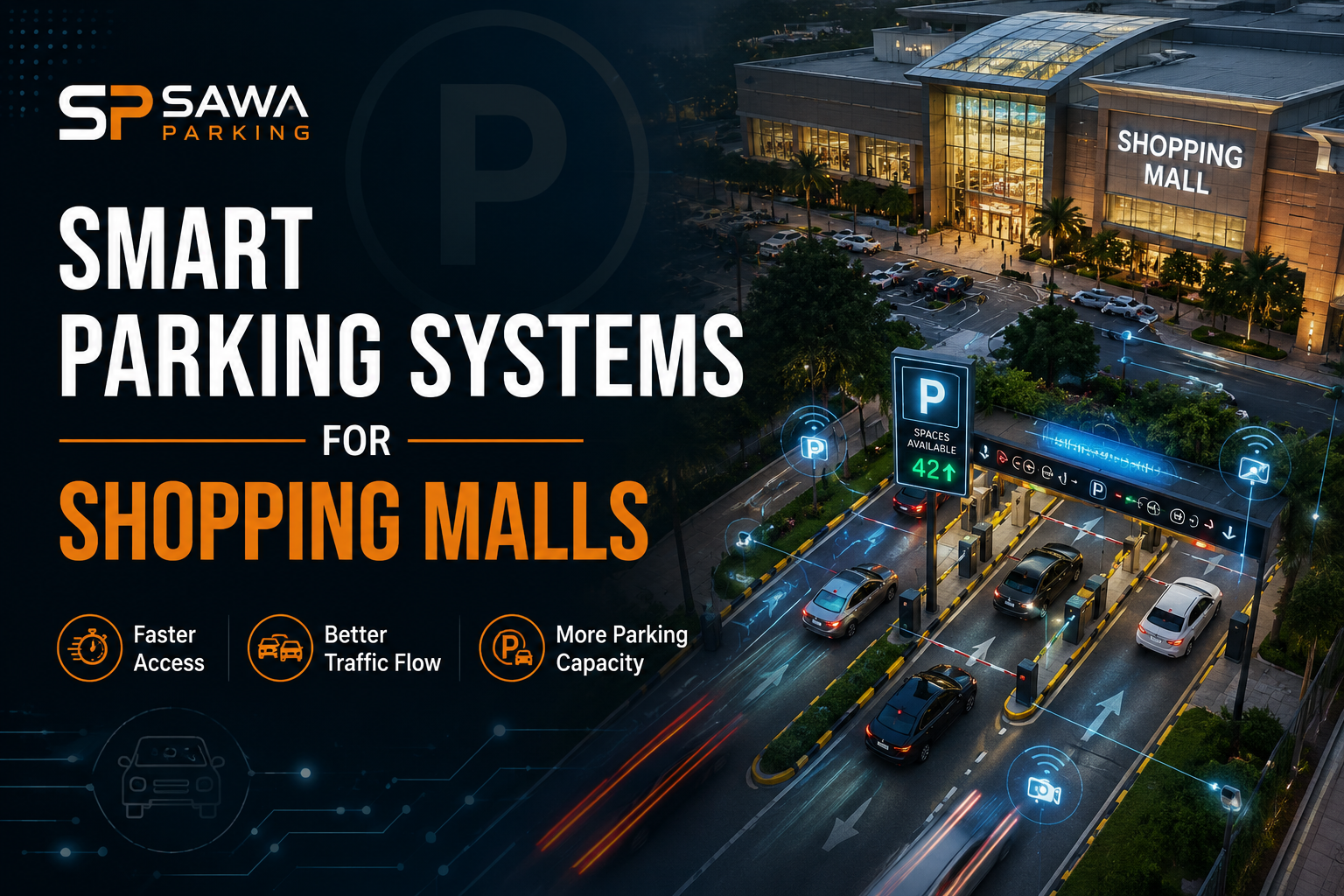
Smart Parking Systems for Shopping Malls
Shopping malls have changed dramatically over the last two decades. Modern retail destinations are no longer simple collections of stores. They have evolved into complete lifestyle hubs that combine shopping, dining, entertainment, cinemas, family attractions, business services, and social experiences under one roof.
As these destinations continue expanding, parking infrastructure has become one of the most important factors influencing visitor satisfaction and operational performance. A customer may spend only a few minutes deciding where to shop, but their experience often begins long before entering a store. It starts the moment they arrive at the parking entrance.
Across Europe, major shopping centers are facing increasing challenges related to vehicle traffic, parking demand, visitor turnover, and land utilization. During weekends, holidays, sales campaigns, and special events, parking areas often become one of the biggest operational bottlenecks affecting the entire customer journey.
This is why smart parking systems for shopping malls are becoming essential infrastructure rather than optional upgrades. Intelligent parking technologies help malls improve customer experience, increase parking efficiency, reduce congestion, and support long-term commercial growth.
Parking Is the First Customer Experience
Most shopping center operators focus heavily on tenant mix, interior design, marketing campaigns, and customer service. While these factors are important, many underestimate the impact of parking on visitor perception.
A customer who spends twenty minutes searching for a parking space begins their visit with frustration. Long vehicle queues, poor traffic circulation, overcrowded parking areas, and confusing layouts can negatively affect the shopping experience before the customer even enters the mall.
Modern visitors expect:
- Fast access
- Clear navigation
- Available parking spaces
- Secure environments
- Smooth traffic flow
If these expectations are not met, customers may choose alternative shopping destinations.
This is one reason many mall developers are investing in Smart Parking Systems to improve visitor convenience and create a more seamless customer journey.
Shopping Malls Experience Unique Parking Challenges
Unlike office buildings or residential communities, shopping malls experience highly dynamic parking demand.
Traffic patterns can change dramatically depending on:
- Weekdays versus weekends
- Public holidays
- Seasonal sales
- Cinema schedules
- Entertainment events
- Restaurant traffic
A parking facility that appears sufficient on a Tuesday morning may become completely overwhelmed on a Friday evening.
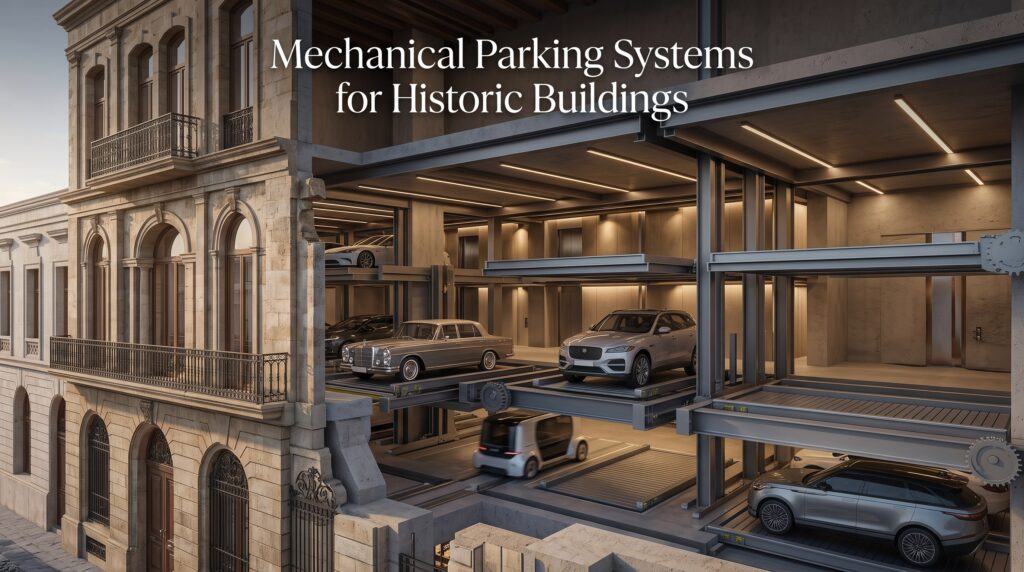
This variability creates operational challenges that traditional parking systems often struggle to manage effectively.
Common problems include:
- Traffic congestion at entrances
- Long vehicle queues
- Inefficient circulation
- Underutilized parking zones
- Difficulty finding available spaces
- Visitor frustration
Smart parking technologies help mall operators respond dynamically to these changing conditions while maintaining a consistent customer experience.
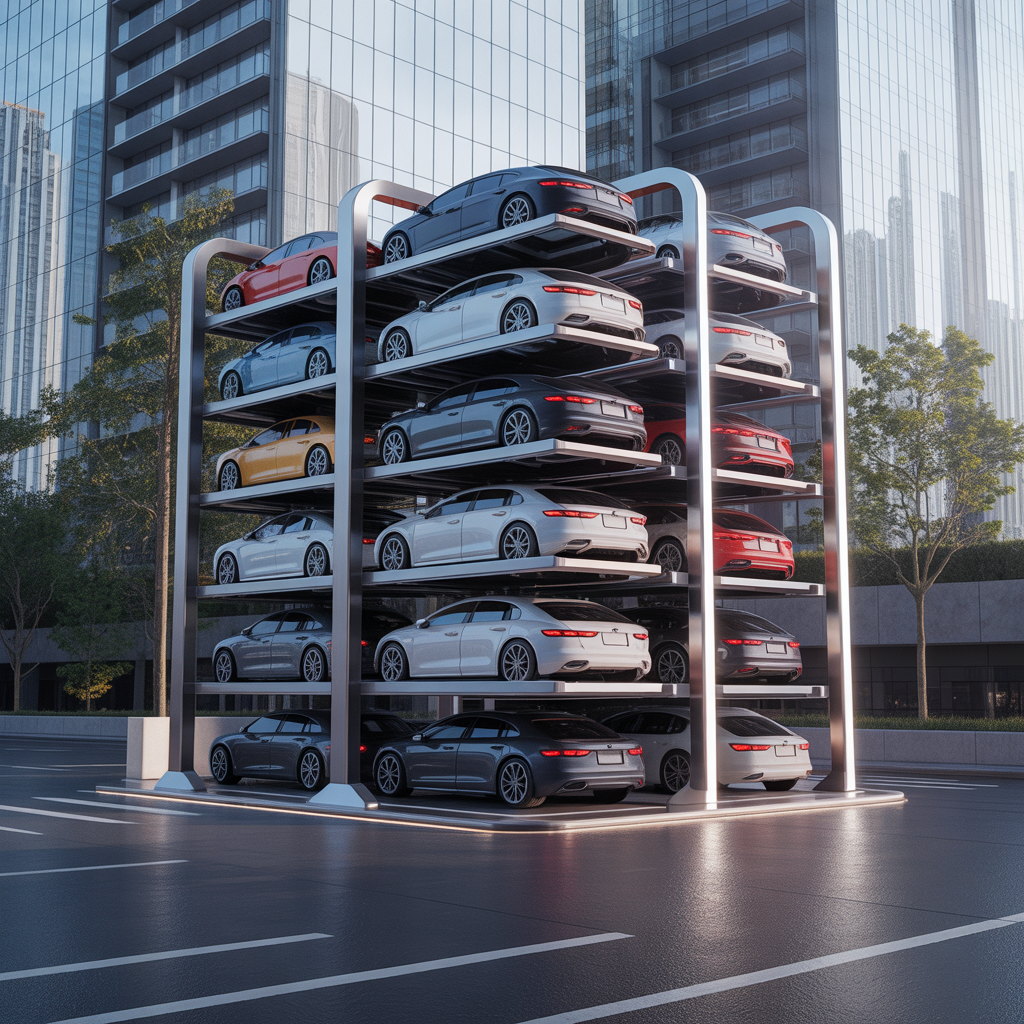
European Shopping Centers Are Leading the Transformation
Many of Europe’s largest shopping destinations have already embraced intelligent parking technologies.
Large retail centers in:
- London
- Paris
- Madrid
- Milan
- Amsterdam
- Berlin
are increasingly integrating digital parking infrastructure into their operational strategies.
For example, major retail destinations often use:
- ANPR systems
- Real-time occupancy monitoring
- Digital parking guidance
- Automated payment systems
- Parking management platforms
These technologies provide operators with valuable data while helping visitors find available spaces more efficiently.
As retail competition intensifies, parking performance is becoming an increasingly important differentiator between successful and underperforming shopping destinations.
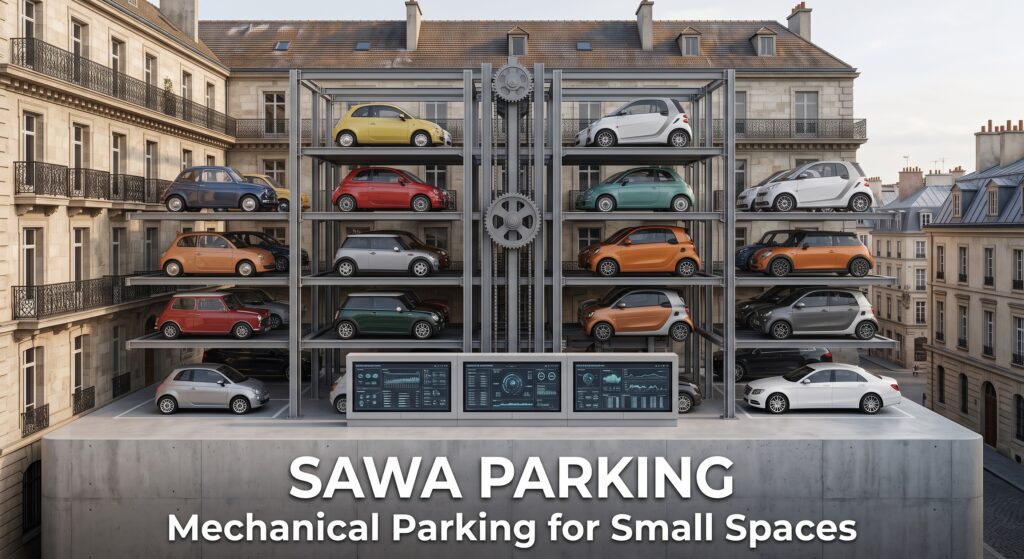
ANPR Technology Is Transforming Mall Parking Operations
One of the most impactful innovations in modern parking management is ANPR technology.
ANPR (Automatic Number Plate Recognition) systems automatically identify vehicle license plates upon entry and exit.
This technology eliminates many traditional friction points associated with mall parking operations.
Benefits include:
- Faster vehicle entry
- Reduced queues
- Improved security
- Better traffic monitoring
- Automated payment integration
For visitors, ANPR systems create a smoother experience by reducing delays and eliminating the need for paper tickets.
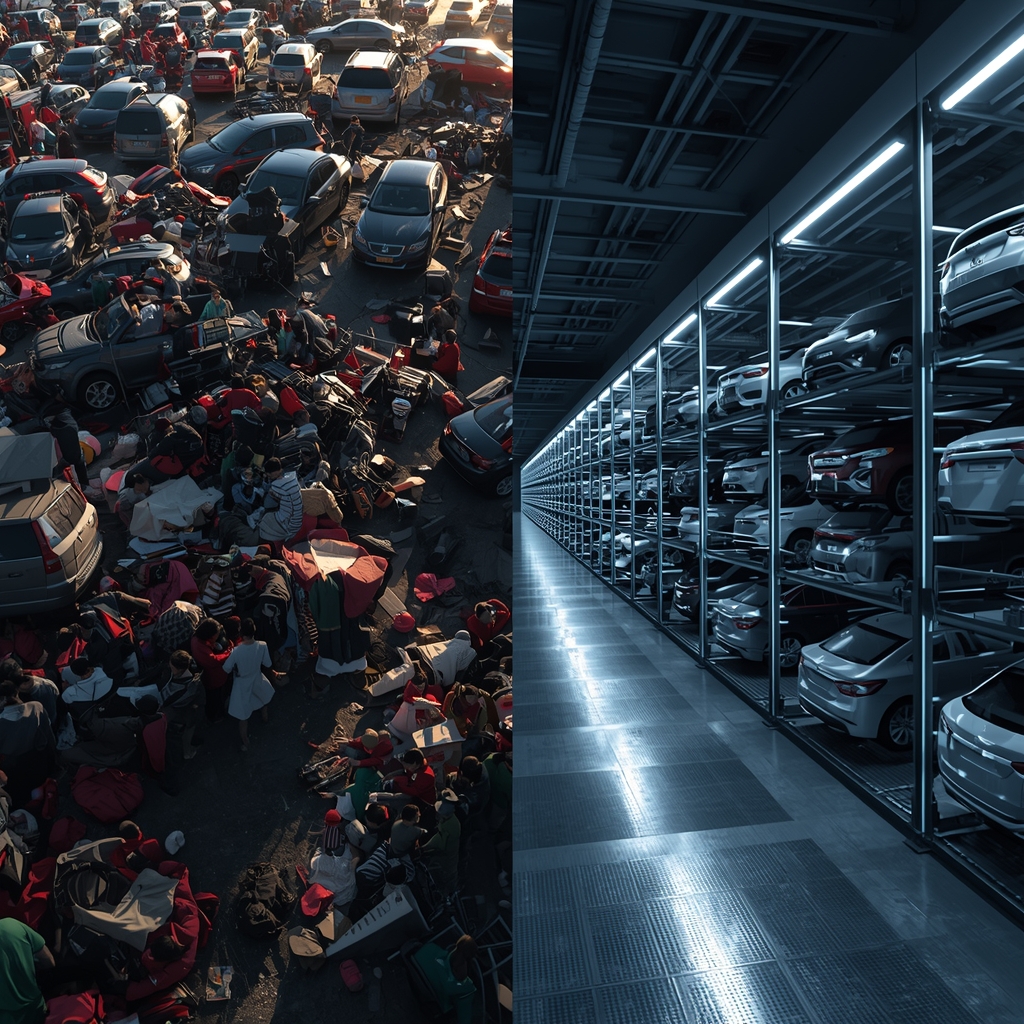
For mall operators, they provide valuable operational insights that support more effective parking management.
To learn more about this technology, readers may also explore our guide on ANPR Parking Systems and how they improve operational efficiency across different sectors.
Smart Parking Systems Increase Revenue Potential
Parking infrastructure affects much more than traffic flow.
It directly influences commercial performance.
When visitors can access parking quickly and conveniently, they are more likely to:
- Stay longer
- Visit more stores
- Return more frequently
- Recommend the destination to others
Conversely, poor parking experiences can reduce visitor frequency and negatively affect tenant performance.
Many shopping center operators now view parking infrastructure as a revenue-generating asset rather than simply a support function.
By improving accessibility and reducing visitor frustration, smart parking systems help increase overall footfall and customer satisfaction.
Maximizing Capacity Without Expanding Land Use
One of the biggest challenges facing shopping mall developers is limited available land.
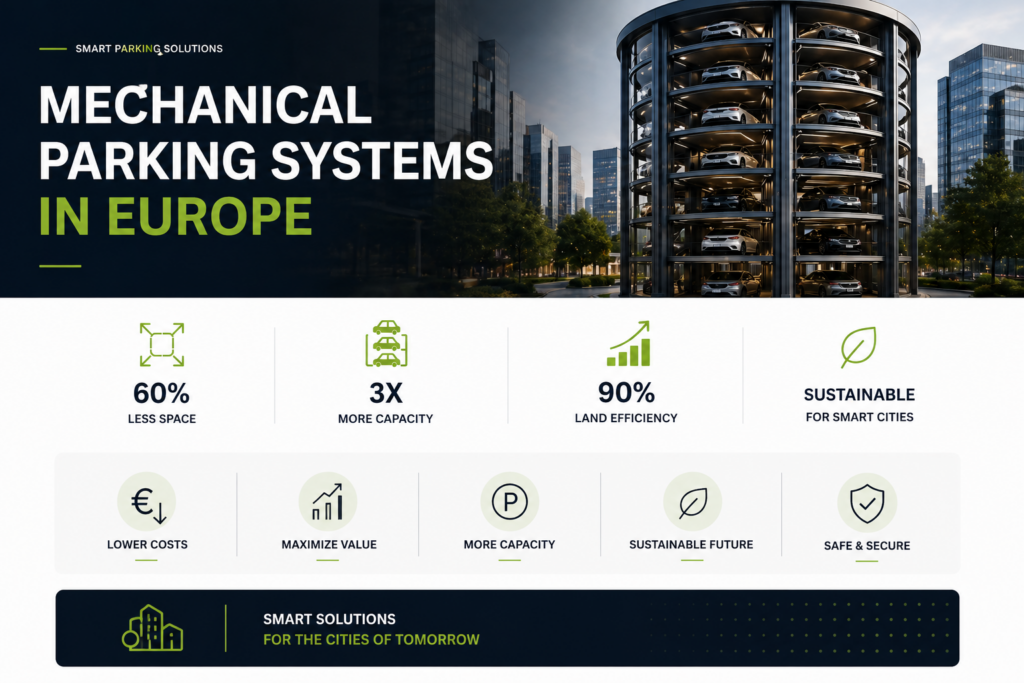
Urban land values continue increasing across Europe and the Middle East, making traditional parking expansion increasingly expensive.
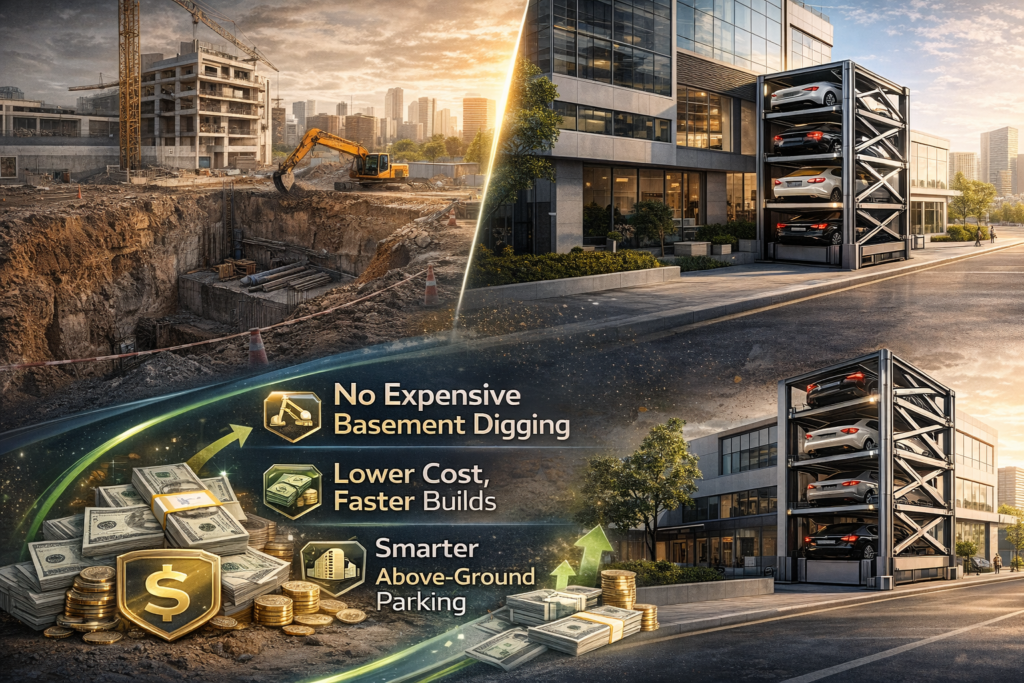
Instead of constructing larger parking lots, many developers are adopting:
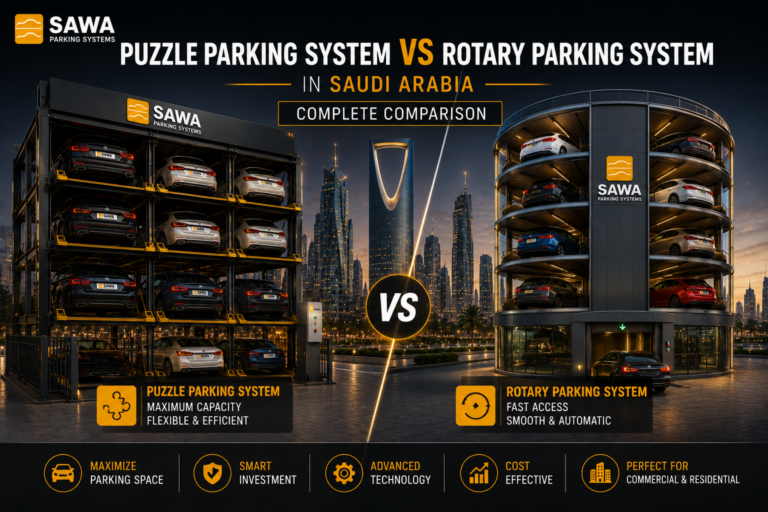
- Puzzle Parking Systems
- Rotary Parking Systems
- Automated Parking Systems
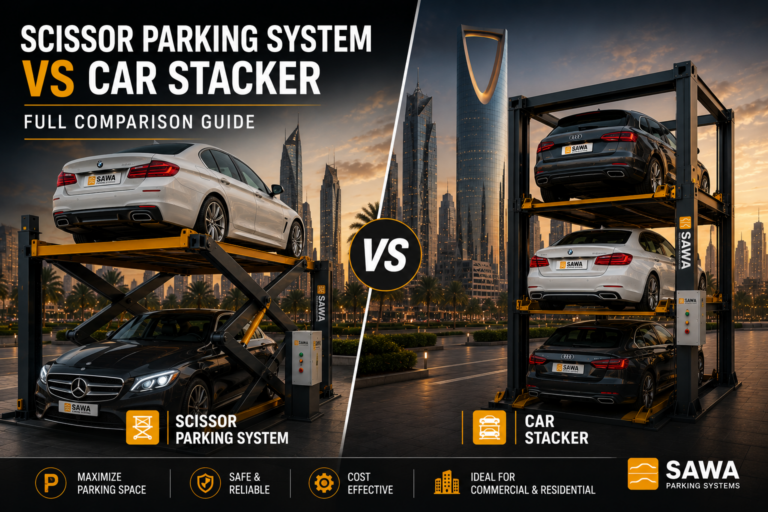
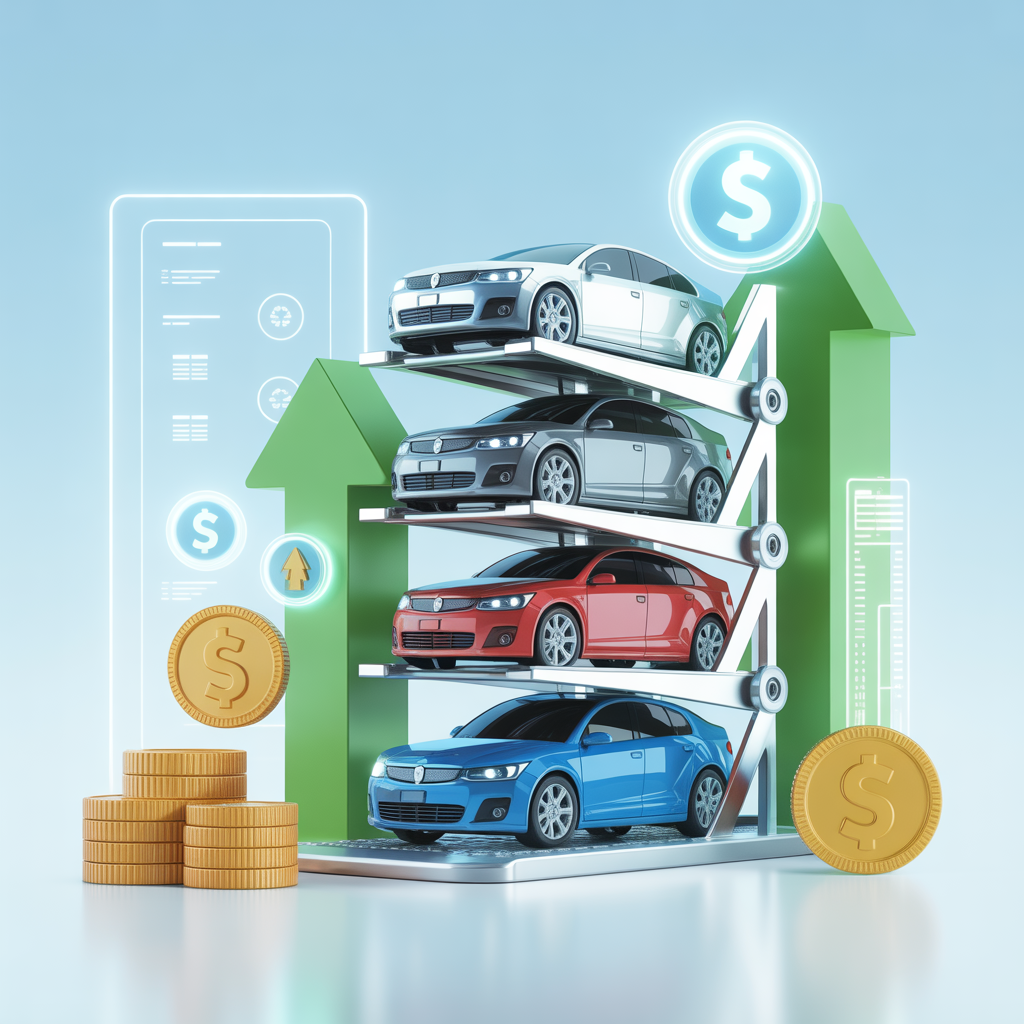
- Car Stacker Parking Lifts
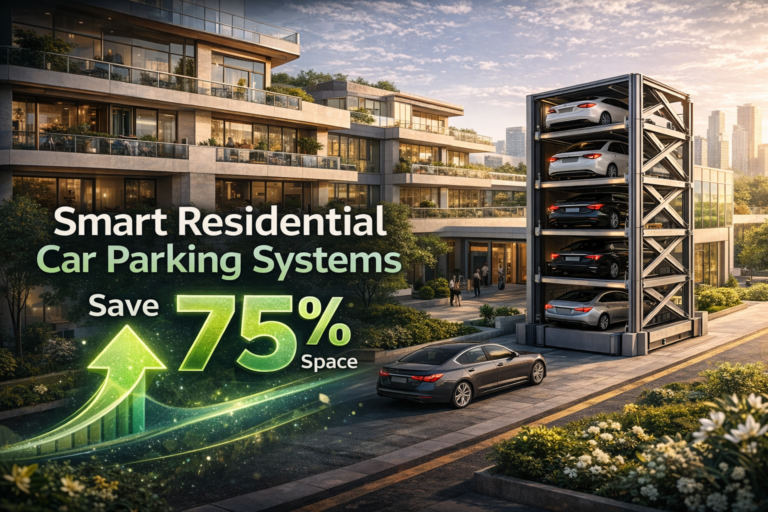
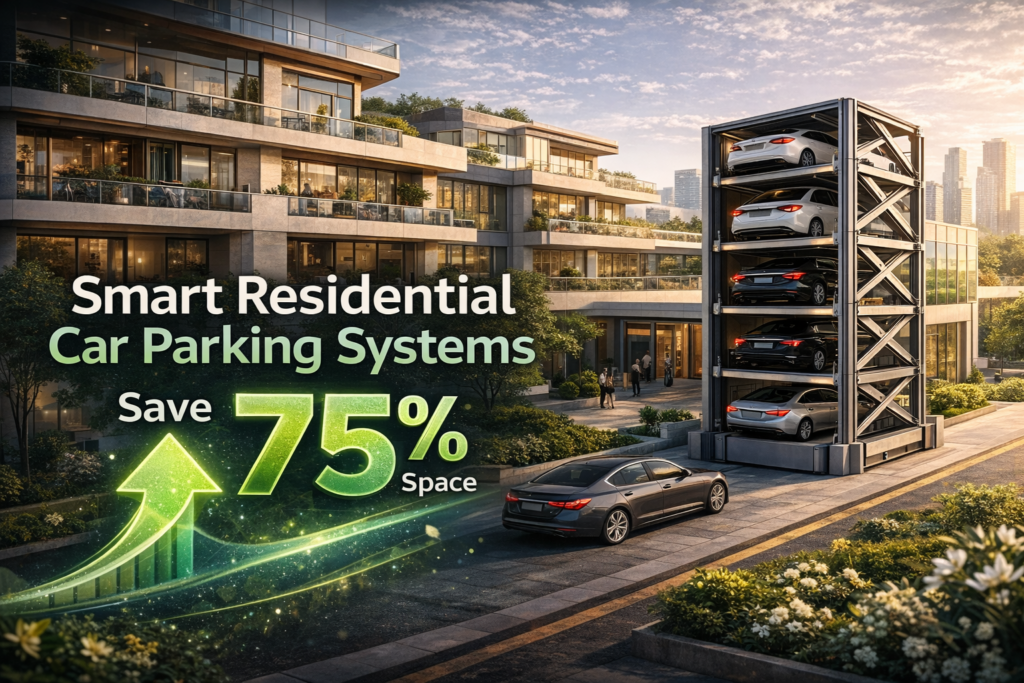
These technologies allow significantly more vehicles to be accommodated within the same footprint.
For developers, this creates several advantages:
- Higher parking capacity
- Better land utilization
- Reduced construction costs
- Greater project profitability
As urban development becomes denser, these solutions are becoming increasingly attractive for retail projects.
Smart Parking Systems Improve Security
Security is a major concern for both visitors and operators.
Large shopping centers often manage thousands of vehicle movements every day. Monitoring these activities manually can be extremely challenging.
Modern smart parking systems improve security through:
- License plate recognition
- Vehicle tracking
- Access control
- CCTV integration
- Real-time monitoring
These features help reduce unauthorized access while providing a safer environment for customers and staff.
For families and high-value retail destinations, enhanced security contributes significantly to overall visitor confidence.
The Future of Retail Is Smart Infrastructure
The retail industry is becoming increasingly digital.
Shopping centers are investing heavily in:
- Mobile applications
- Digital directories
- Smart building systems
- Data analytics
- Customer experience technologies
Parking infrastructure must evolve alongside these innovations.
Smart parking systems integrate with broader digital ecosystems, allowing operators to create more connected and intelligent retail environments.
Future malls will increasingly rely on data-driven management systems that optimize every aspect of the customer journey, including parking.
Why Choose Sawa Parking
Sawa Parking helps shopping mall developers implement intelligent parking solutions designed for modern retail environments.
The company specializes in:
- Smart Parking Systems
- ANPR Solutions
- Automated Parking Systems
- Puzzle Parking Systems
- Rotary Parking Systems
- Car Stacker Parking Lifts
- Parking Design & Engineering
By combining advanced technology with engineering expertise, Sawa Parking enables developers to maximize parking efficiency while improving customer experience and operational performance.
Whether the project is a regional shopping center, lifestyle destination, mixed-use development, or luxury retail hub, Sawa Parking delivers customized solutions tailored to project requirements.
Conclusion
As shopping malls continue evolving into complex lifestyle destinations, parking infrastructure is becoming more important than ever.
Visitors expect convenience, speed, security, and seamless access. Traditional parking systems are increasingly unable to meet these expectations, particularly in high-density urban environments.
Smart parking systems provide a more efficient and future-ready solution capable of improving customer experience, increasing capacity, reducing congestion, and supporting long-term commercial success.
For shopping centers seeking to remain competitive in an increasingly demanding retail landscape, intelligent parking infrastructure is no longer optional—it is essential.
References
- International Parking & Mobility Institute (IPMI) – https://www.parking-mobility.org
- Urban Land Institute (ULI) – https://uli.org
- Smart Cities World – https://www.smartcitiesworld.net
- International Council of Shopping Centers (ICSC) – https://www.icsc.com
- ITS International – https://www.itsinternational.com
- World Economic Forum – Urban Mobility Reports – https://www.weforum.org
- European Commission Urban Mobility Framework – https://transport.ec.europa.eu