


Across Europe, cities are undergoing a major transformation in how urban space is used and managed. Rising population density, increasing land value, and environmental policies are forcing municipalities to rethink traditional infrastructure—especially parking.
In major cities such as Paris, Amsterdam, and Barcelona, thousands of on-street parking spaces are being removed to make room for green areas, pedestrian zones, and alternative mobility solutions. This shift is creating a growing gap between parking demand and available space.
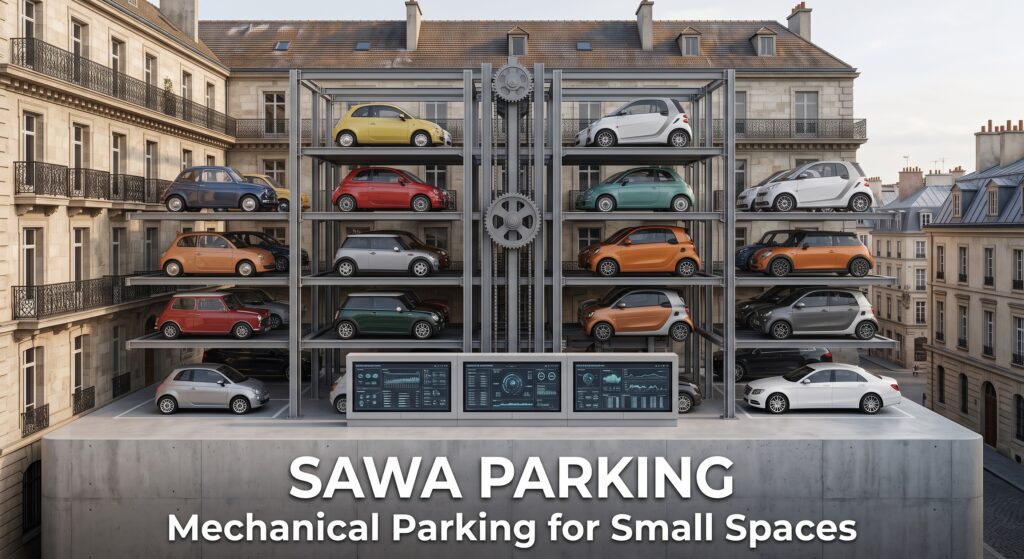
Mechanical parking systems in Europe are emerging as a powerful solution to this challenge. By using vertical space and automated technology, these systems allow cities and developers to accommodate more vehicles within a smaller footprint while supporting modern urban planning goals.
lThe Growing Parking Space Crisis in Europe
The reduction of parking spaces is no longer an isolated trend—it is a widespread movement across Europe. Governments are actively reducing reliance on private vehicles and reallocating urban space to improve quality of life.
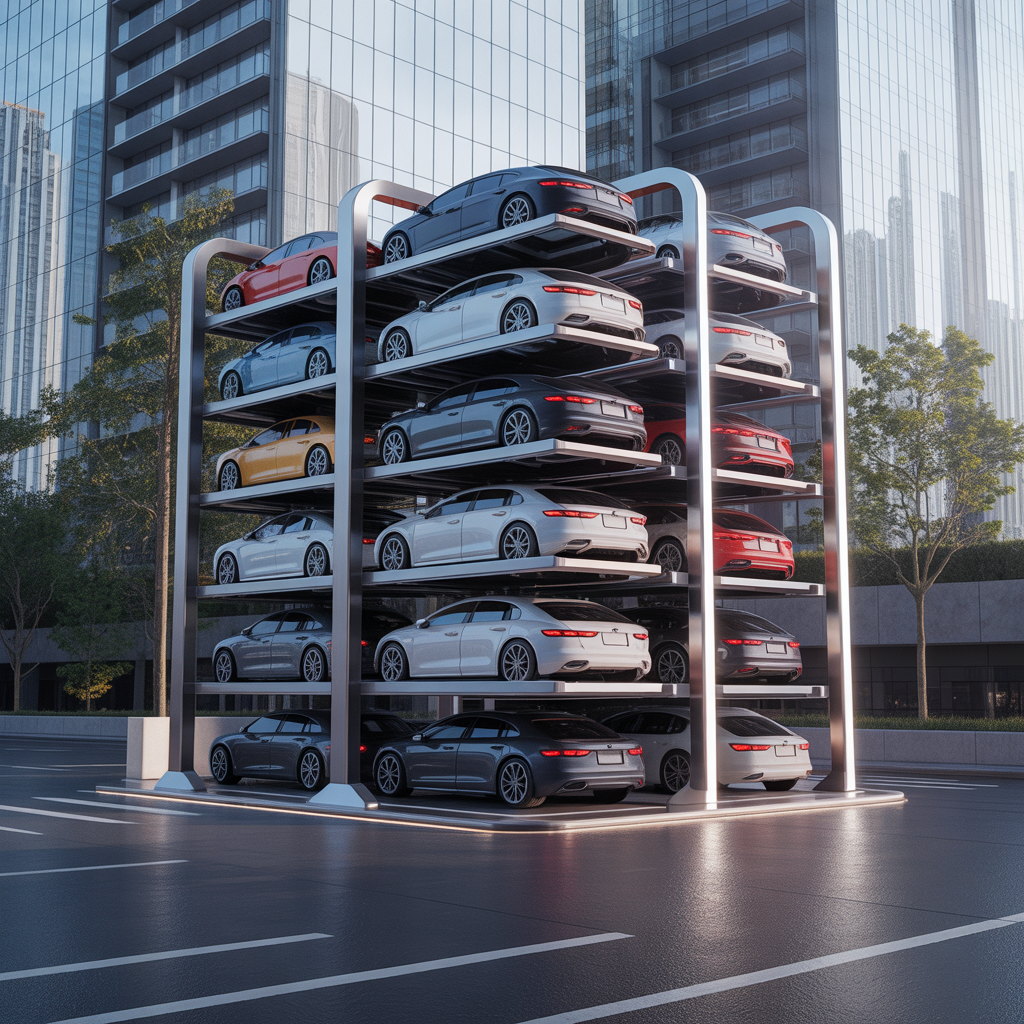
In cities like Paris, plans are in place to remove tens of thousands of parking spaces in the coming years. Amsterdam has also committed to removing thousands of street parking spots, while Barcelona continues to expand pedestrian zones through its superblock model.
This shift has created a new reality: parking is becoming a limited and highly valuable resource. Developers and city planners must now find ways to provide efficient parking without expanding land use.
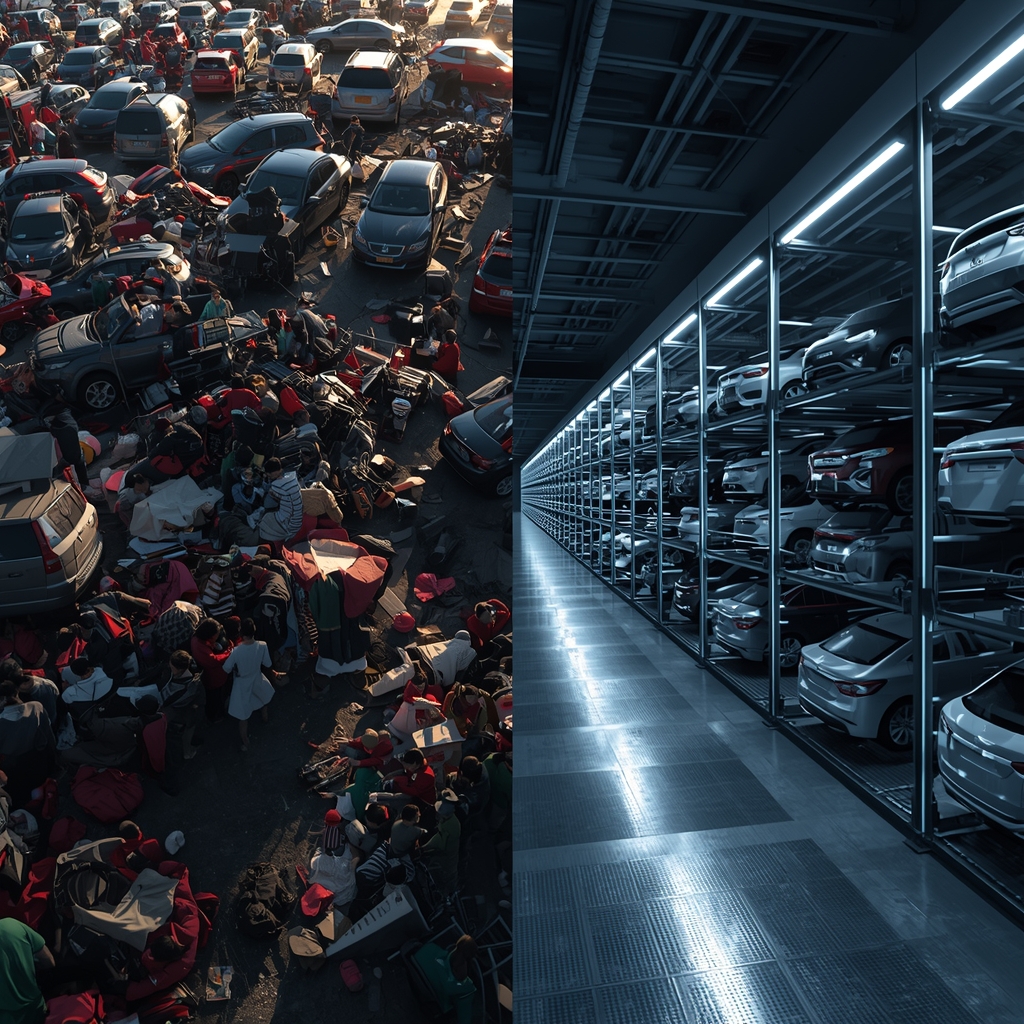
Why Traditional Parking Solutions Are No Longer Viable
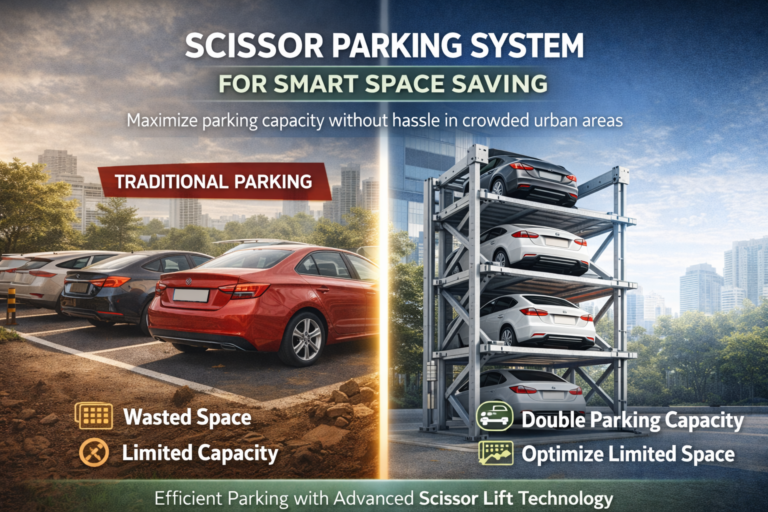
Traditional parking systems rely heavily on horizontal space. They require ramps, wide circulation lanes, and large surface areas, which makes them inefficient in dense urban environments.
In many cases, up to fifty percent of a traditional parking structure is used for movement rather than vehicle storage. This leads to wasted space, higher construction costs, and reduced project efficiency.
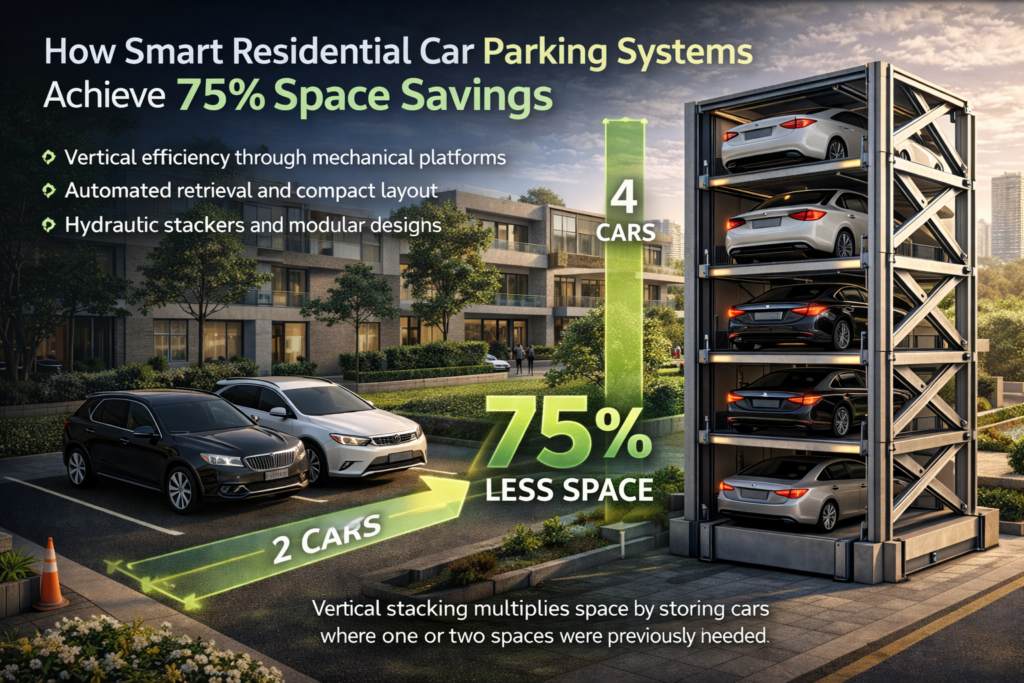
As land prices continue to rise across European cities, this model is becoming increasingly unsustainable. Developers are now forced to look for alternatives that can deliver higher efficiency within limited space .
What Are Mechanical Parking Systems
Mechanical parking systems in Europe refer to automated or semi-automated solutions that use lifting platforms, conveyors, and rotating mechanisms to store vehicles vertically.
Instead of relying on large driving areas, these systems move vehicles into position using controlled mechanical operations. This eliminates the need for ramps and significantly reduces the space required for parking.
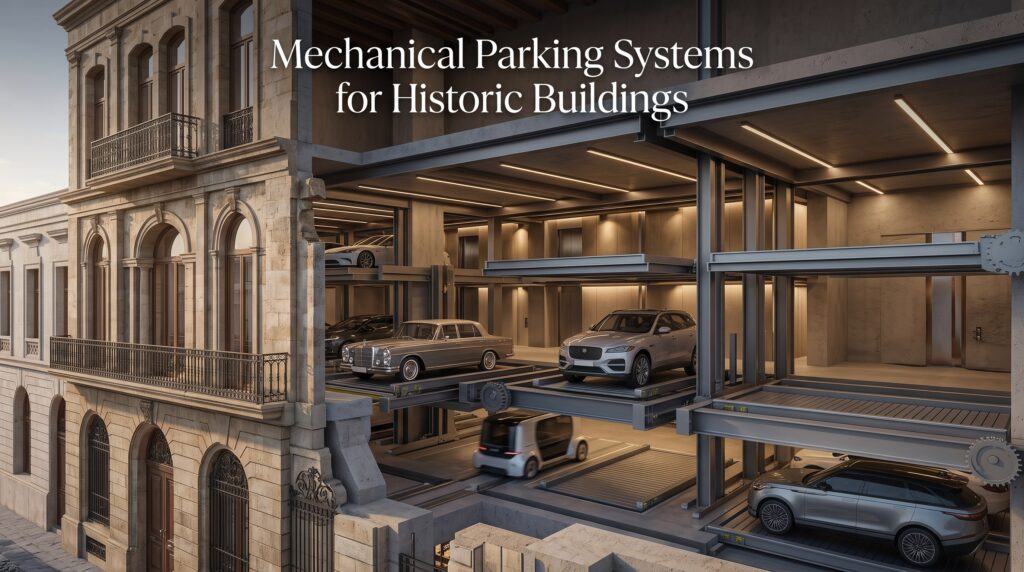
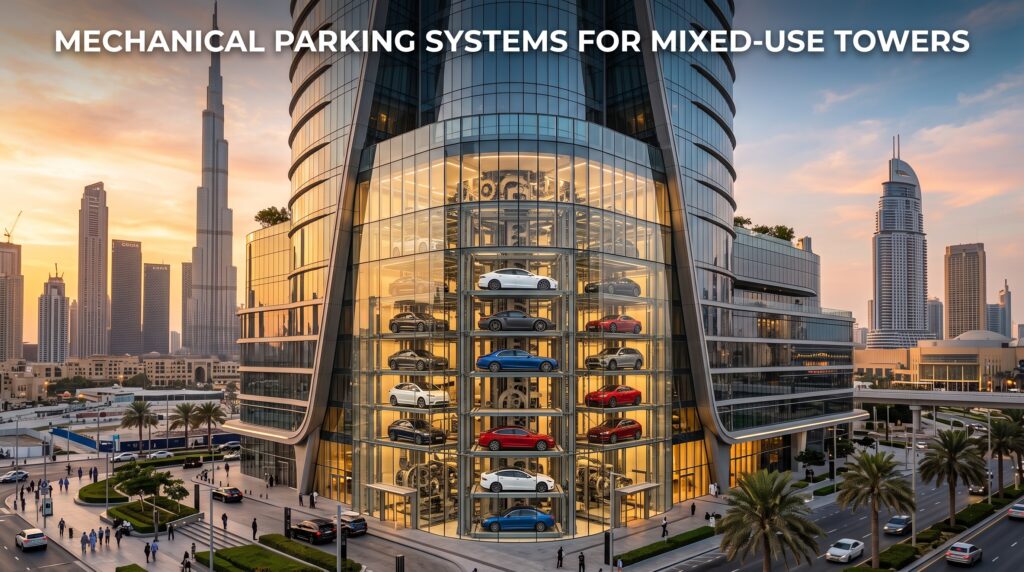
Mechanical systems can be adapted to different project types, making them suitable for residential, commercial, and mixed-use developments.
Types of Mechanical Parking Systems in Europe
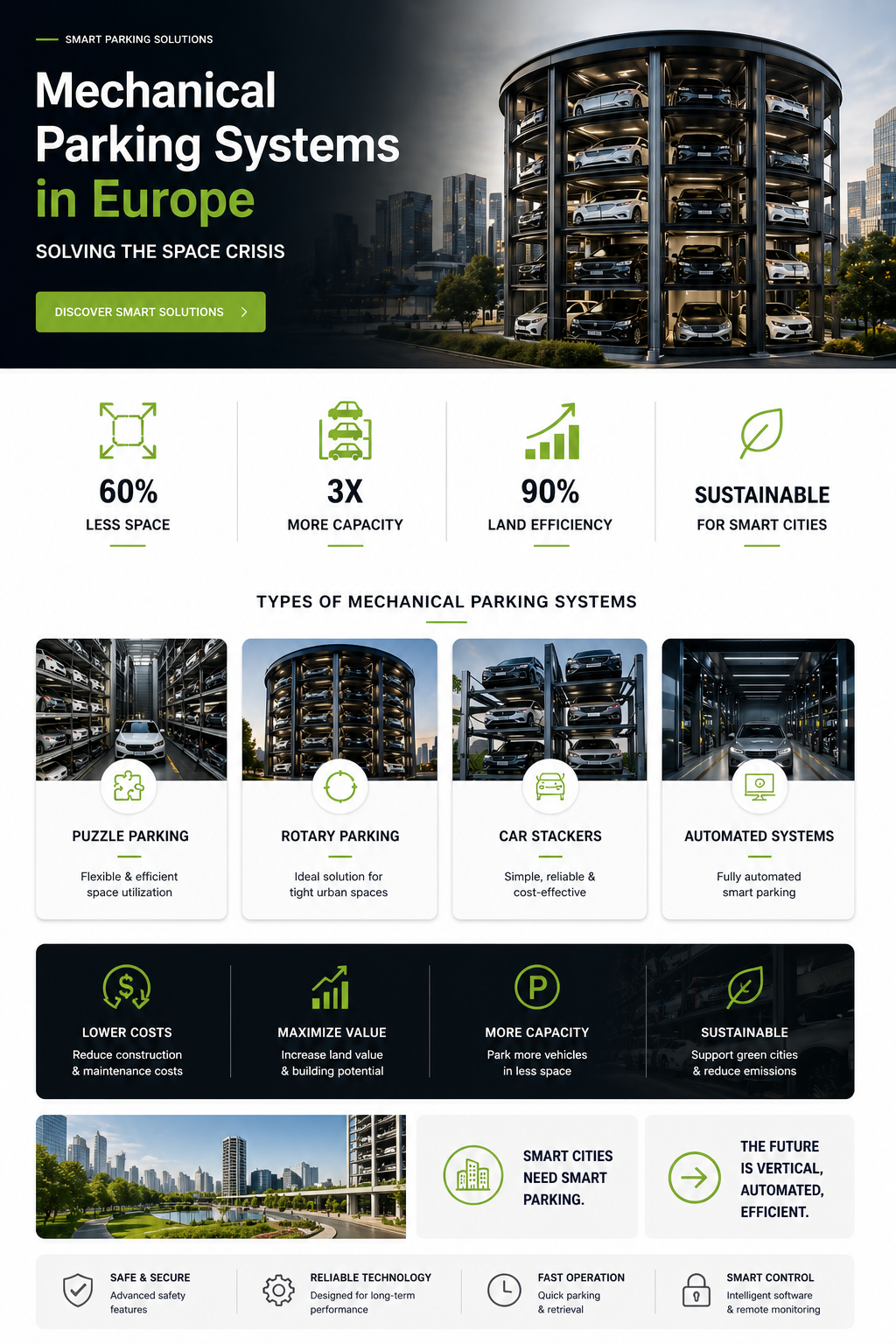
Mechanical parking systems in Europe include several technologies designed to address different space and capacity challenges.
Puzzle Parking Systems
These systems use both vertical and horizontal movement to store vehicles in a grid structure. They are highly flexible and suitable for medium to large projects.
Rotary Parking Systems
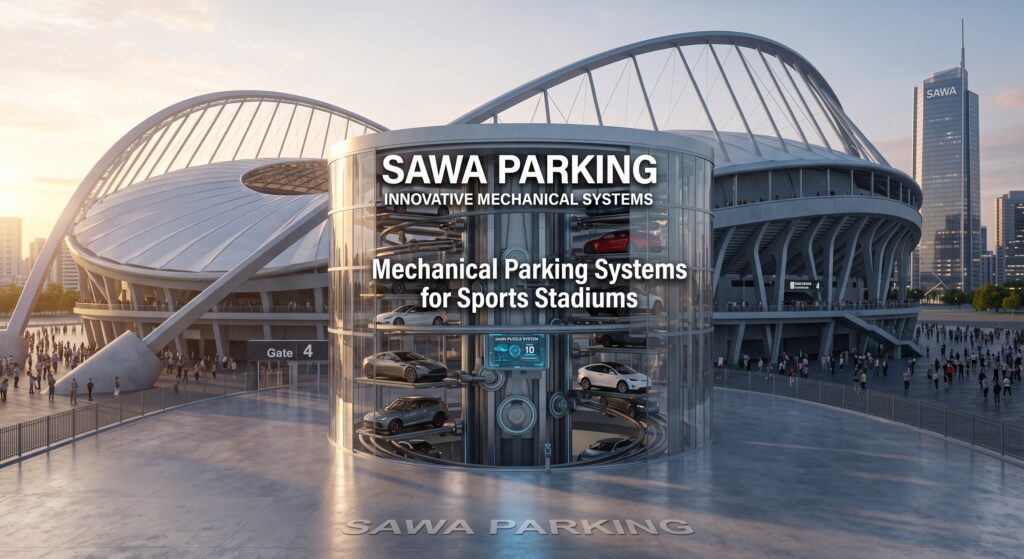
Rotary systems operate using a vertical rotating mechanism that stores vehicles in a compact tower. They are ideal for tight urban spaces where land is extremely limited.
Car Stacker Systems
Car stackers provide a simple way to increase parking capacity by stacking vehicles vertically. They are commonly used in residential developments.
Fully Automated Parking Systems
These systems offer the highest level of efficiency by storing and retrieving vehicles without human intervention. They are often used in high-end developments and smart city projects.
How Mechanical Parking Systems Solve the Space Problem
The primary advantage of mechanical parking systems in Europe is their ability to maximize space efficiency.
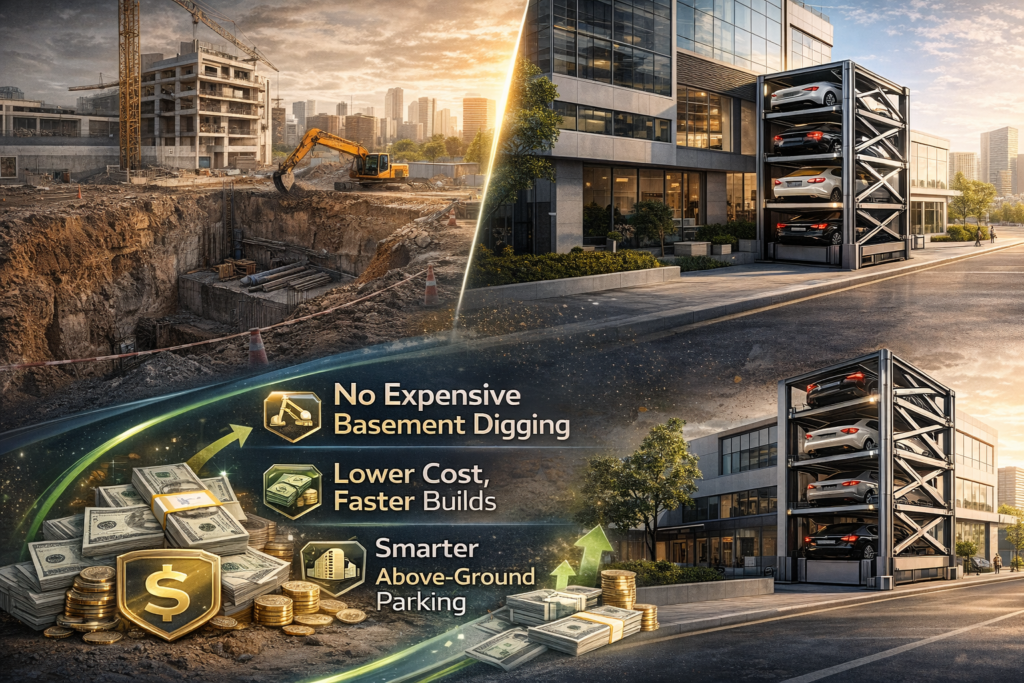
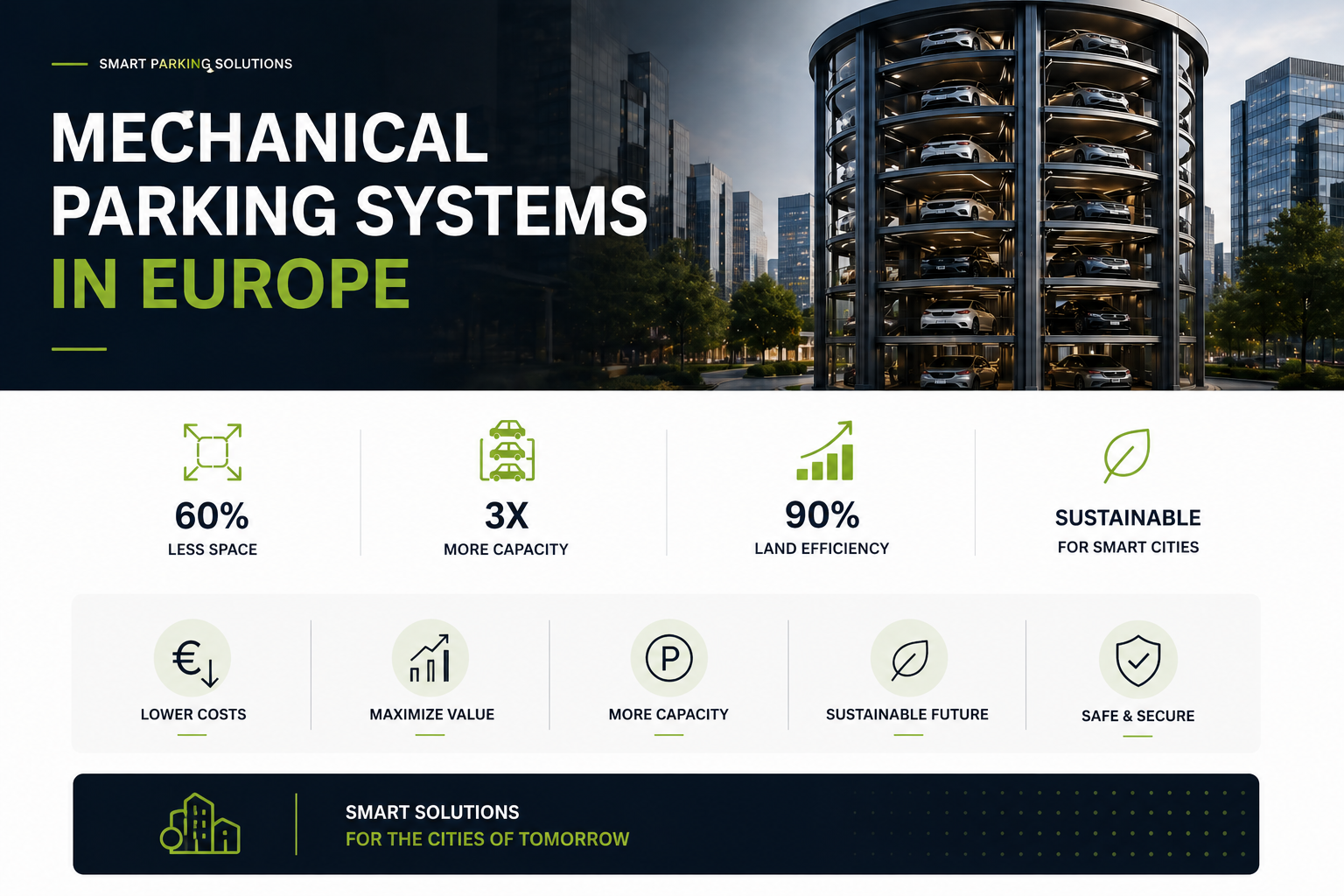
By using vertical storage, these systems can increase parking capacity by up to three or four times compared to traditional layouts. At the same time, they can reduce land usage by more than sixty percent.
This allows developers to use valuable urban land more efficiently while still meeting parking requirements.
Cost Efficiency and Financial Benefits
Mechanical parking systems in Europe also provide significant financial advantages.
Traditional parking construction often involves deep excavation, reinforced concrete structures, and long project timelines. These factors increase both cost and complexity.
Mechanical systems reduce the need for extensive excavation and structural work, leading to lower construction costs and faster project delivery.
In addition, the space saved can be used for revenue-generating purposes such as residential units or commercial spaces, improving overall return on investment.
Supporting Sustainable Urban Development
Sustainability is a key priority for European cities. Mechanical parking systems support this goal by reducing land consumption and minimizing environmental impact.
By eliminating large parking areas and reducing vehicle movement داخل parking facilities, these systems help lower emissions and improve urban efficiency.
They also align with broader initiatives aimed at creating more livable and environmentally friendly cities.
The Future of Parking in Europe
The shift away from traditional parking is expected to continue across Europe. As cities prioritize people over vehicles, the demand for efficient and compact parking solutions will increase.
Mechanical parking systems in Europe are well positioned to meet this demand. Their ability to maximize capacity, reduce costs, and support sustainable development makes them an essential part of future urban infrastructure.
Conclusion
Mechanical parking systems in Europe are no longer a niche solution—they are becoming a necessity. As cities reduce parking spaces and land becomes more valuable, developers must adopt smarter and more efficient solutions.
By providing higher capacity within a smaller footprint, mechanical systems offer a practical and forward-looking answer to one of the most pressing challenges in modern urban development.
References
Urban Land Institute (ULI)
https://uli.org
International Parking and Mobility Institute (IPMI)
https://www.parking-mobility.org
McKinsey & Company
https://www.mckinsey.com
ITS International
https://www.itsinternational.com
Saudi Vision 2030 (Urban Strategy Reference)
https://www.vision2030.gov.sa