


1. Why Puzzle Parking System Are Redefining Urban Parking Design
Urban projects today face one fundamental challenge: how to accommodate a growing number of vehicles within shrinking spaces without compromising architectural quality or project feasibility. Traditional parking garages, with their ramps and circulation lanes, are no longer efficient for dense cities. This reality has positioned Puzzle Parking System as one of the most practical smart parking solutions available today.
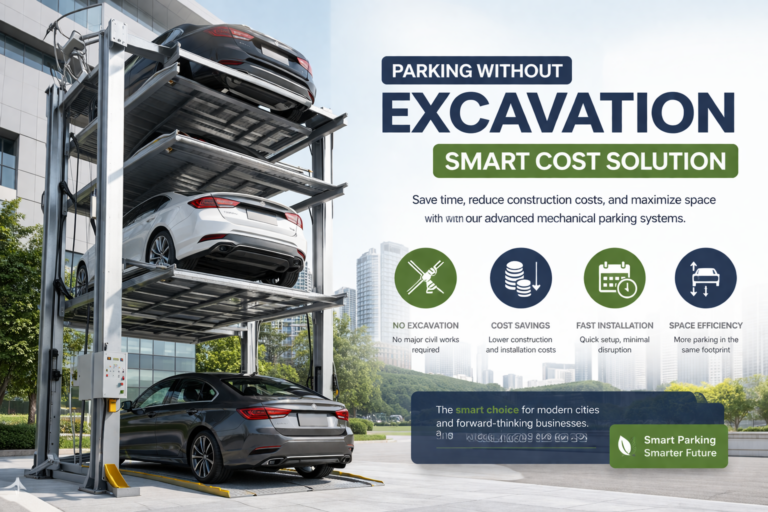
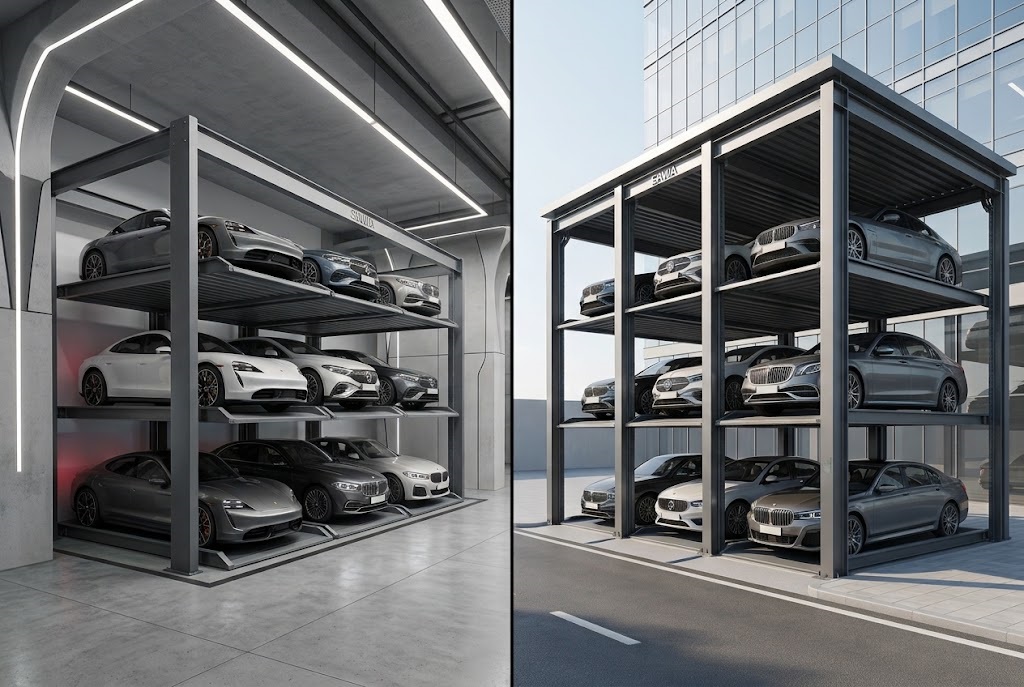
A puzzle parking system operates on a simple yet powerful concept vehicles are stored on platforms that move vertically and horizontally to maximize space usage. This eliminates the need for ramps and large internal driveways, allowing developers to increase parking capacity within the same footprint. In many urban developments, this shift directly impacts project viability and profitability.
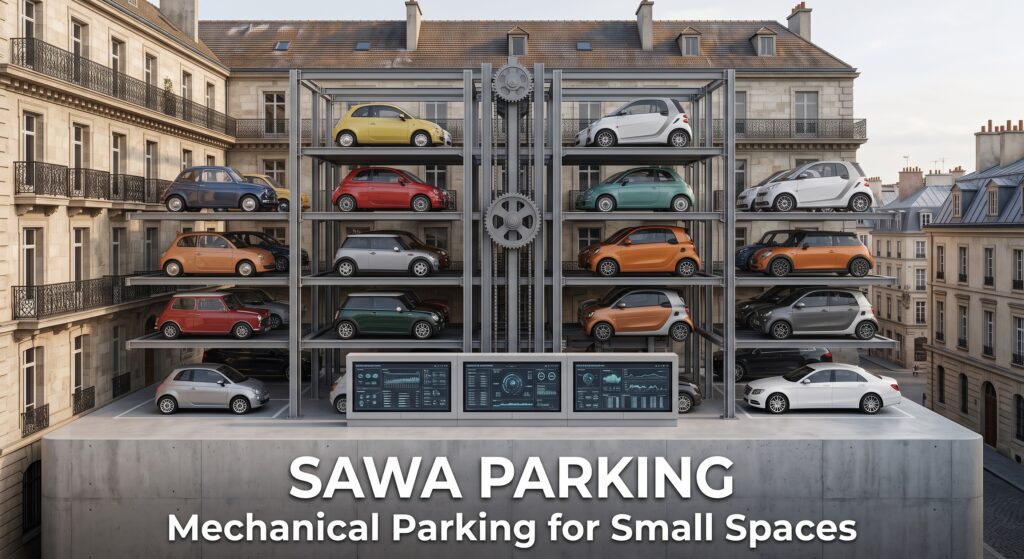
Developers exploring modern parking alternatives often begin by reviewing real-world implementations through completed parking projects to understand how puzzle systems perform in live environments.
2. How Puzzle Parking System Work: Mechanical vs Hydraulic Solutions
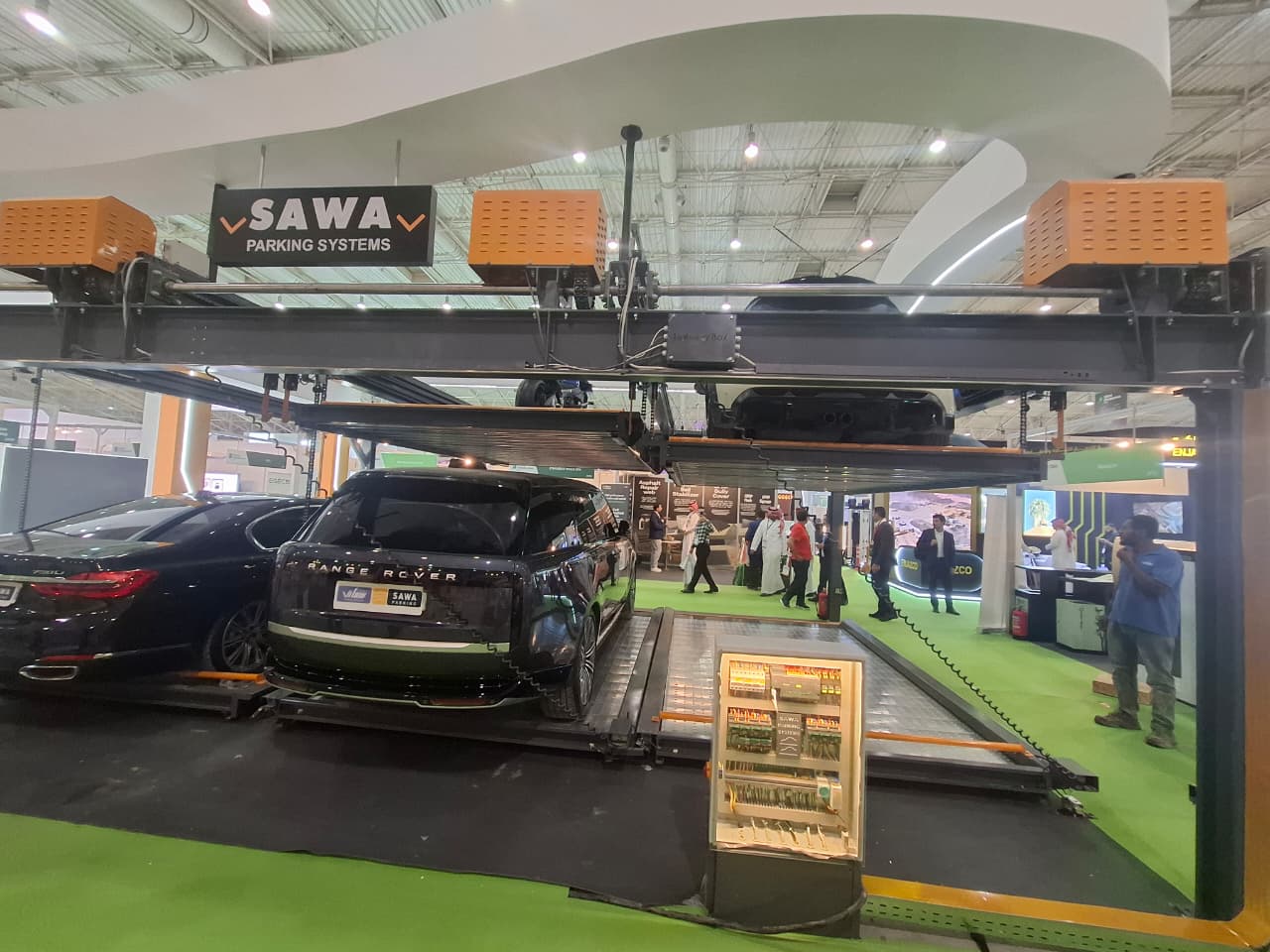
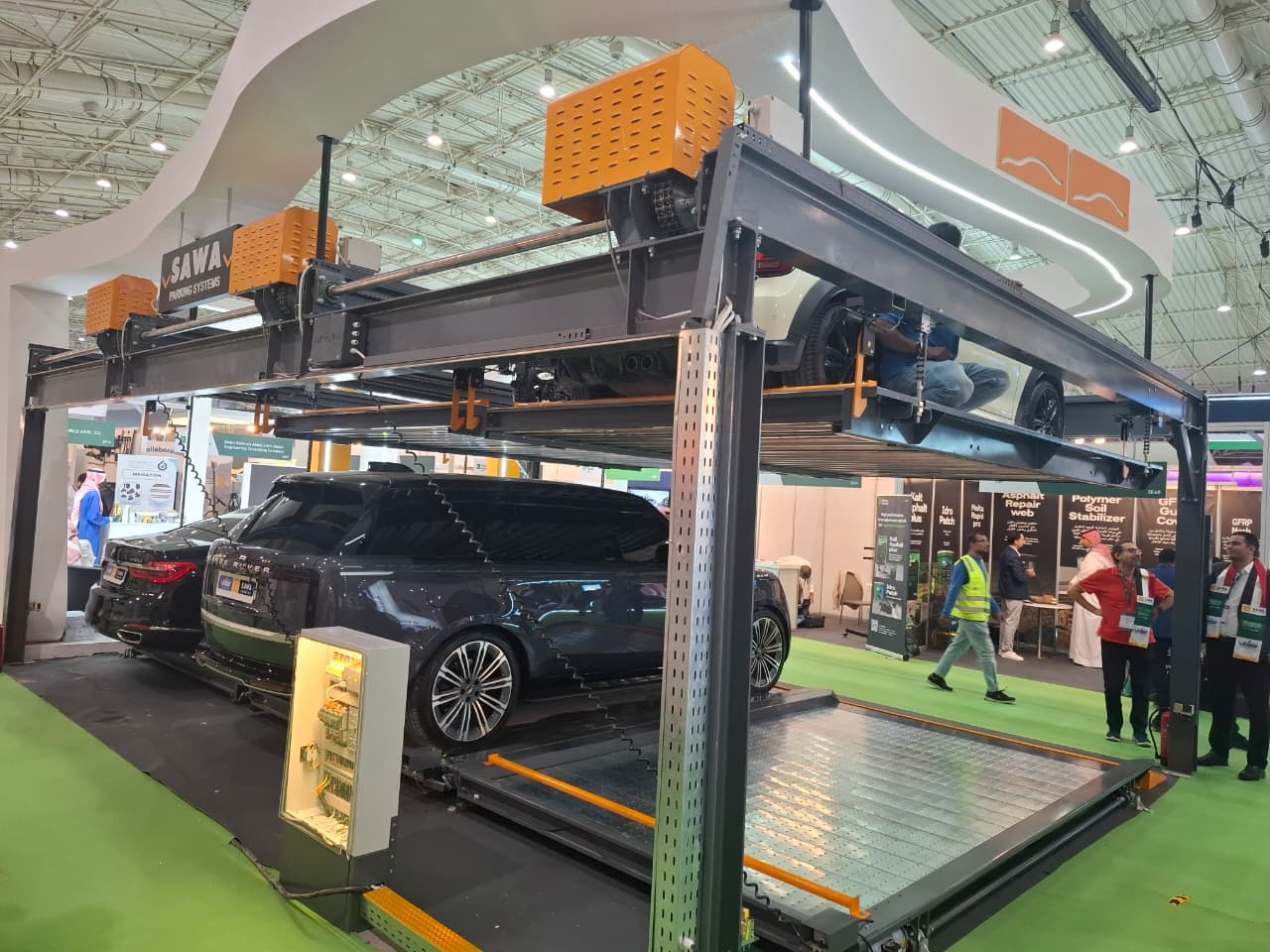
A puzzle car parking system consists of multiple parking platforms arranged in a grid. Empty spaces are strategically positioned at ground level, allowing vehicles to enter and exit through controlled platform movements. The system rearranges platforms automatically to create access without manual driving inside the garage.

There are two main operational types:
- Mechanical Puzzle Parking System, which rely on motors, chains, and gear mechanisms
- Hydraulic Puzzle Parking System, which use hydraulic cylinders for vertical movement
Each system has its advantages depending on usage frequency, load requirements, and maintenance preferences. Choosing between them requires careful evaluation of site conditions and long-term operational goals. Developers comparing configurations often explore technical options through available parking products during early planning stages.
3. Puzzle Parking System for Residential Compounds and Apartments
Residential developments increasingly depend on efficient parking solutions to meet market expectations. In dense neighborhoods and gated communities, parking availability influences both sales value and resident satisfaction. Puzzle Parking System allow residential projects to achieve higher parking ratios without sacrificing green areas or increasing excavation depth.
By eliminating ramps and reducing internal traffic, residents benefit from safer and more organized parking environments. Developers, in turn, reduce construction costs and unlock additional sellable areas. This balance makes puzzle systems particularly attractive in emerging urban markets.
Many residential developers consult experienced manufacturers like SAWA Parking to ensure puzzle systems are integrated seamlessly into architectural designs rather than added as afterthoughts.
4. Commercial and Mixed-Use Applications of Puzzle Parking System
Commercial buildings and mixed-use developments present different parking challenges. High vehicle turnover, peak-hour demand, and operational efficiency are critical. Puzzle Parking System address these needs by enabling controlled vehicle handling and higher parking density within limited spaces.
Office buildings benefit from reduced congestion during peak entry and exit times. Retail and mixed-use projects gain flexibility by allocating parking dynamically throughout the day. In many cases, puzzle systems also improve traffic flow around the building by minimizing entry bottlenecks.
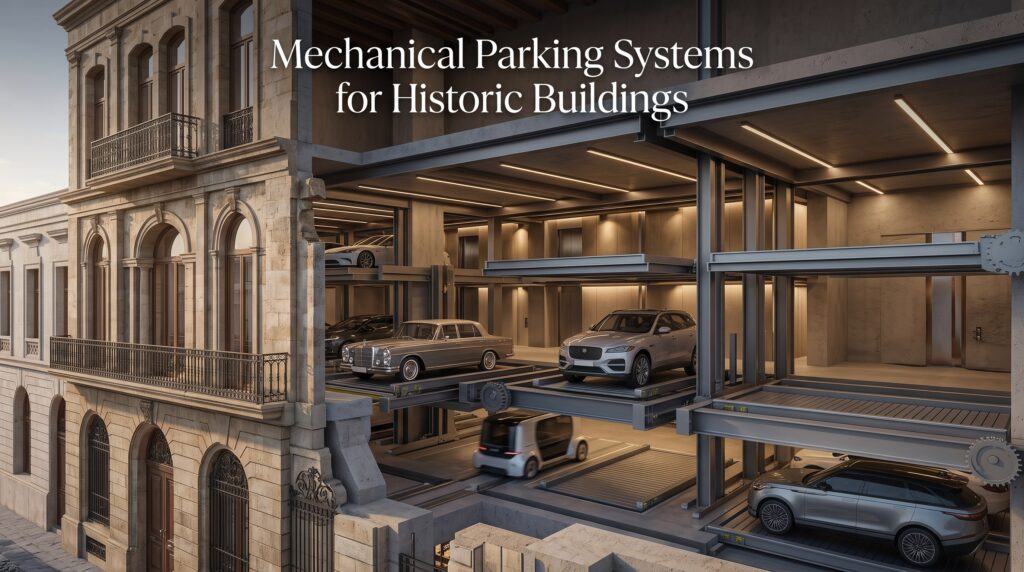
Developers researching commercial use cases often refer to industry insights published on smart parking trends and case studies to evaluate system performance across different project types.
5. Design Flexibility, Dimensions, and Layout Optimization
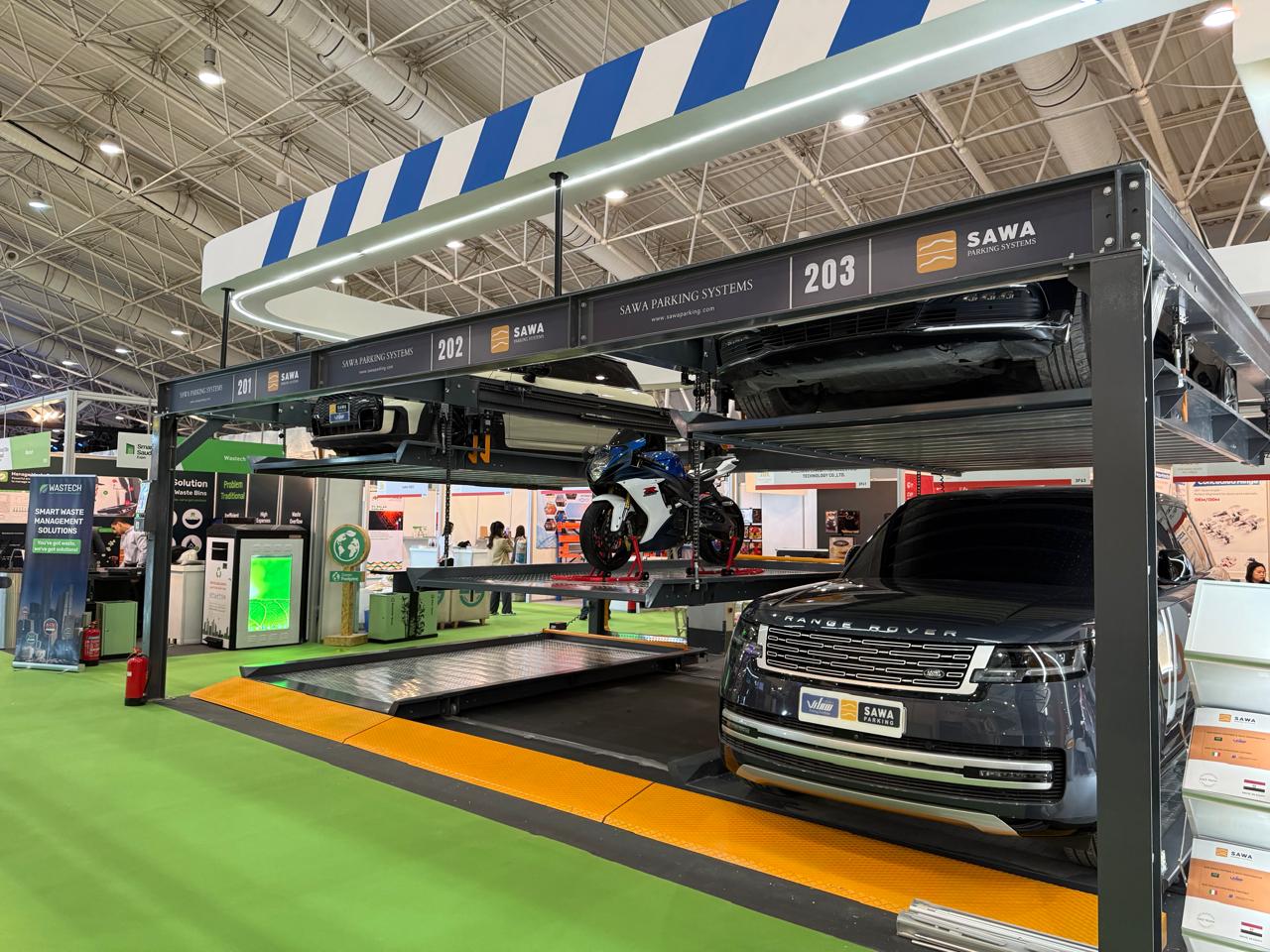
One of the strongest advantages of Puzzle Parking System is their adaptability. Puzzle parking system dimensions can be customized based on available space, ceiling height, and vehicle size requirements. Systems may be installed above ground, partially underground, or fully integrated into building structures.
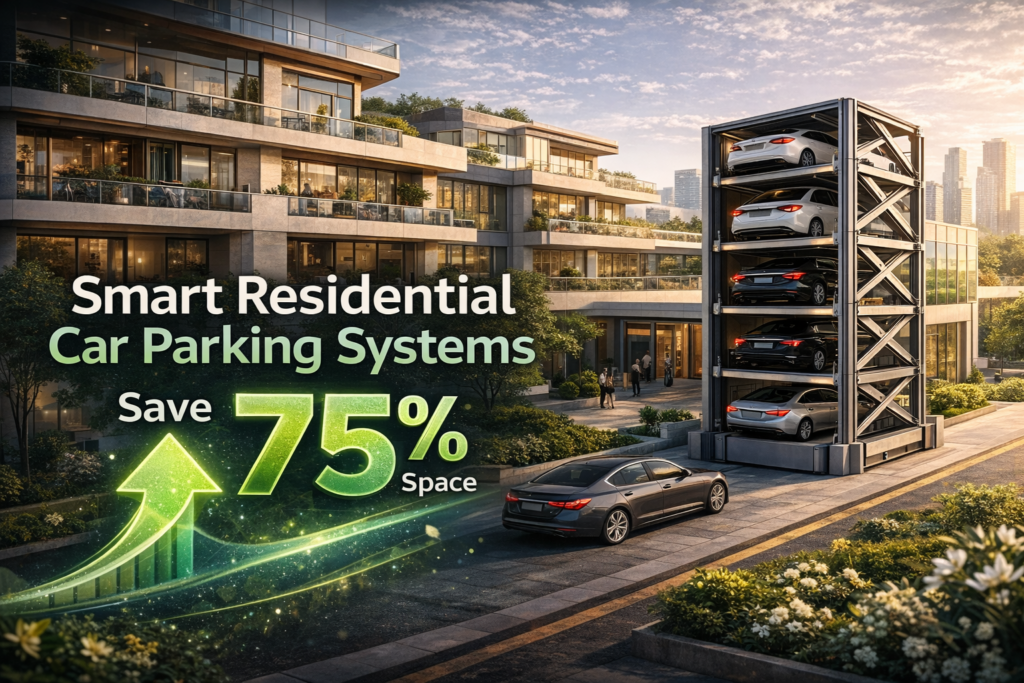
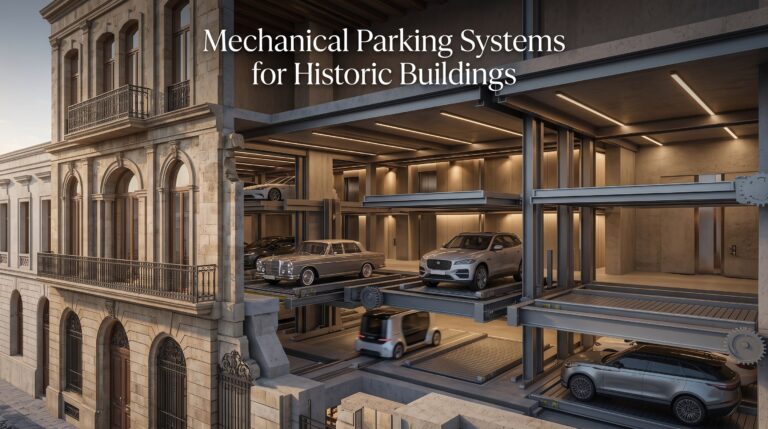
Optional configurations include pit-based designs that reduce platform height and hybrid layouts combining multiple puzzle blocks. This flexibility allows puzzle systems to fit into both new constructions and retrofit projects with minimal structural modification.
For developers facing irregular plot shapes or height restrictions, consulting system specialists through professional parking consultations often reveals design solutions that traditional garages cannot achieve.
6. Puzzle Parking System Cost, ROI, and Long-Term Value
One of the most frequently asked questions relates to puzzle parking system cost. While pricing varies based on system size, automation level, and customization, puzzle systems consistently demonstrate strong long-term economic benefits.
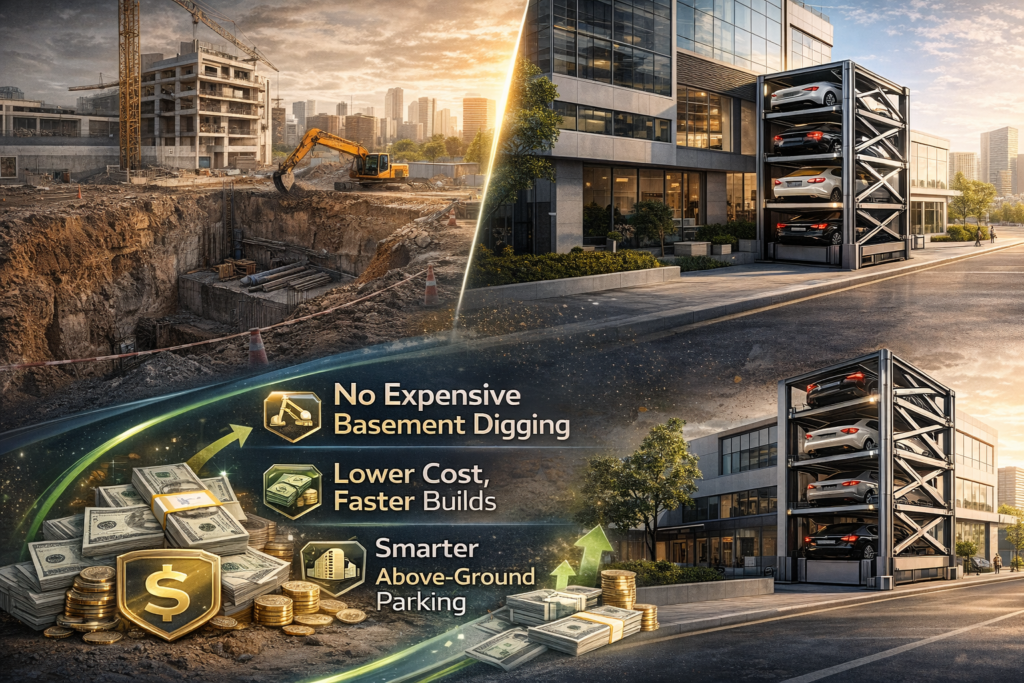
Compared to traditional parking, puzzle systems significantly reduce excavation, concrete work, and construction timelines. Operational costs are also lower due to reduced manpower requirements and optimized energy usage. Over time, these savings result in a favorable return on investment, especially in high-value urban locations.
Developers evaluating feasibility often find that reviewing real installations through live project references provides a clearer picture of cost versus value than theoretical comparisons.
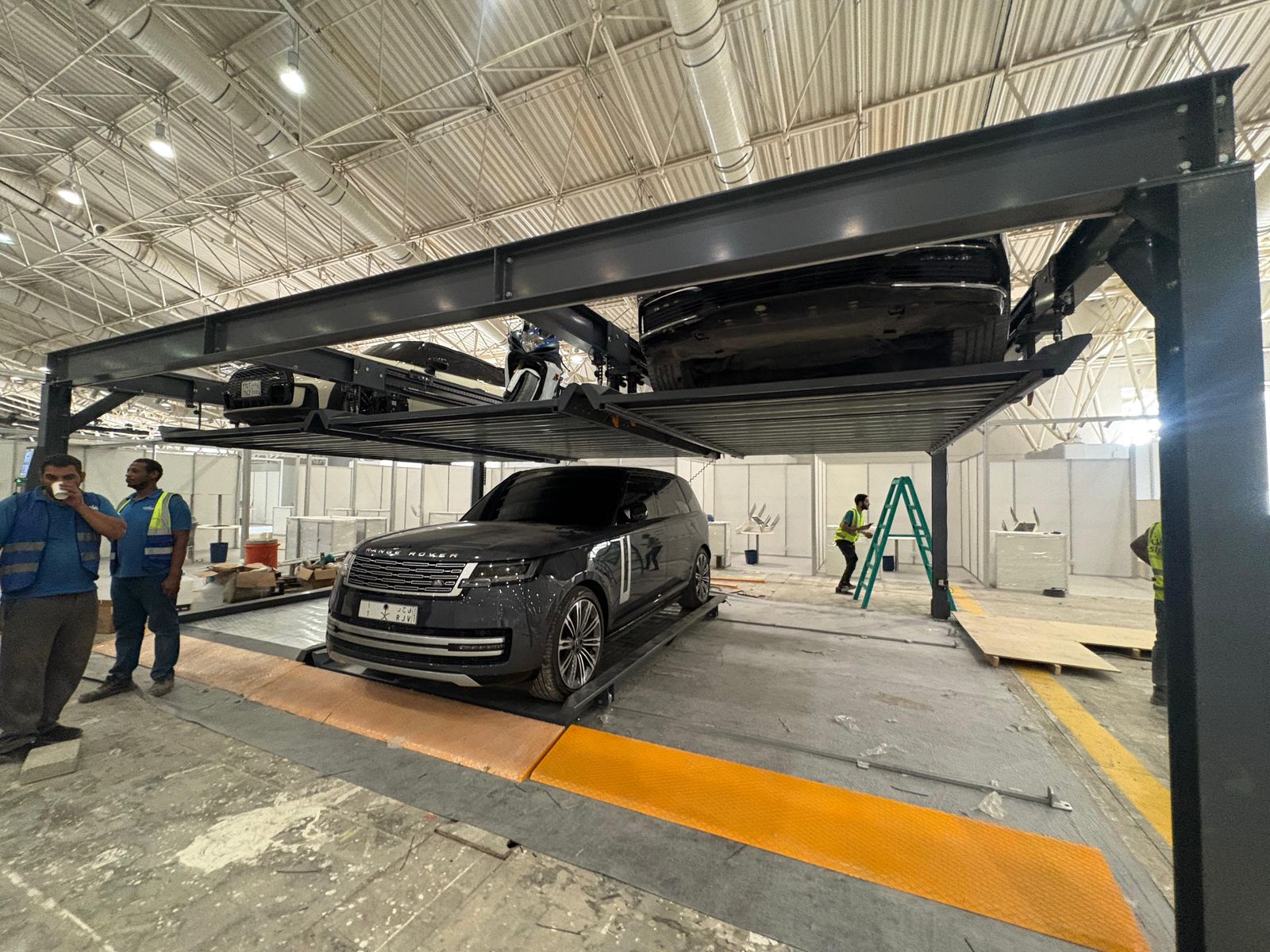
7. Puzzle Parking System vs Traditional Parking Garages
Traditional parking garages rely heavily on horizontal circulation, ramps, and driver navigation. These elements consume valuable space and increase construction complexity. Puzzle Parking System replace these inefficiencies with controlled mechanical movement that maximizes vertical capacity.
The comparison becomes particularly clear in dense urban projects where land cost is high. Puzzle systems deliver higher parking ratios, safer environments, and faster project delivery. They also offer scalability, allowing future expansion without major structural changes.
Developers seeking modern alternatives often start their comparison by reviewing complete smart parking solutions rather than limiting options to conventional garage designs.
8. Why SAWA Parking Delivers Reliable Puzzle Parking Solutions
Delivering a successful puzzle parking system requires more than equipment—it requires engineering expertise, manufacturing precision, and real-world experience. SAWA Parking provides end-to-end puzzle parking solutions designed to perform reliably under diverse conditions.
With in-house manufacturing, advanced quality control, and a growing portfolio of residential and commercial installations, SAWA Parking supports developers from concept to execution. Each system is engineered to balance efficiency, safety, and long-term durability.
For developers and consultants seeking a proven partner, exploring SAWA Parking’s project portfolio offers insight into how Puzzle Parking System perform in real environments.
References
1. SAWA Parking – Smart Parking Systems Manufacturer
2. Mechanical Parking Systems: Design, Safety, and Applications
Heinz-Jürgen Ahrens – Springer
https://link.springer.com/book/10.1007/978-3-662-55831-5
3. Parking Structures: Planning, Design, Construction, Maintenance, and Repair
Mary S. Smith, William J. Dunn – Springer
https://link.springer.com/book/10.1007/978-3-319-06179-2
4. Parking Design: A Manual for Architects and Engineers
Albert W. Steiss – Wiley
https://www.wiley.com/en-us/Parking+Design%3A+A+Manual+for+Architects+and+Engineers-p-9780471297102