


Puzzle Parking and the First Hotel Impression
In the hospitality industry, first impressions are not formed at the reception desk. They are formed seconds earlier, when a guest arrives at the hotel entrance by car. This moment is often underestimated, yet it defines the emotional tone of the entire stay. Confusion, congestion, or waiting at arrival instantly reduce perceived service quality. Puzzle Parking plays a critical role here by simplifying the arrival sequence and removing uncertainty. Instead of searching for ramps or negotiating valet traffic, the guest encounters a controlled and predictable parking process that feels aligned with the hotel’s service standards. When hotels integrate Puzzle Parking thoughtfully, parking becomes part of the welcome experience rather than an operational burden.
Puzzle Parking and the Control of Hotel Entrance Space
Hotel entrance zones are some of the most valuable and sensitive spaces in any hospitality project. They must accommodate guest drop-offs, luggage handling, pedestrian movement, and sometimes event traffic, all within limited frontage. Traditional parking and valet models often create visual and operational chaos in these areas. Puzzle Parking changes this dynamic structurally by relocating vehicle storage away from the entrance. Cars are processed quickly and removed from sight, allowing the entrance to function as a people-first space. Hotel developers reviewing real Puzzle Parking implementations through the
projects portfolio
often discover that the biggest operational improvement is not capacity, but control.
Puzzle Parking and the Guest Who Chooses to Drive
Not all hotel guests arrive by taxi or ride-hailing services. Business travelers, families, and long-stay guests frequently arrive by private car, especially in urban and mixed-use hotels. For these guests, parking quality directly affects satisfaction. Puzzle Parking eliminates common stress points such as tight ramps, unclear layouts, and fear of vehicle damage. The guest does not feel pushed into a technical back-of-house area; instead, the parking process feels like a guided service. This consistency matters because guests subconsciously evaluate every interaction against the hotel’s brand promise. When parking feels effortless, the hotel feels more premium without changing the room or amenities.
Puzzle Parking During Peak Hotel Operations
Hotels experience predictable pressure points: check-in hours, conferences, weddings, and large events. These peaks often overwhelm traditional valet operations, which depend heavily on staffing levels and individual performance. Puzzle Parking introduces predictability into these moments. Vehicles are stored mechanically rather than driven internally, reducing dependency on human availability and coordination. This stability allows hotel teams to focus on guest-facing services instead of traffic management. Operators exploring Puzzle Parking systems designed for hospitality environments through
available solutions
frequently identify peak-hour performance as one of the strongest operational benefits.
Puzzle Parking Versus Traditional Valet Models in Hotels
Valet parking is often associated with luxury, but it carries hidden costs and risks. Staffing, training, insurance exposure, and vehicle damage claims all affect operational efficiency and guest trust. Puzzle Parking does not remove hospitality; it supports it. By eliminating repetitive vehicle movement, hotels reduce operational risk while maintaining a high service standard. In many modern hotels, Puzzle Parking complements valet service rather than replacing it, allowing staff to assist guests without being responsible for driving and storing vehicles. This hybrid approach improves reliability, consistency, and overall guest confidence.
Puzzle Parking as Part of the Hotel Brand Experience
Hotels invest heavily in architecture, lighting, materials, and sensory details to shape perception. Parking is often excluded from this narrative, despite being one of the first physical touchpoints. Puzzle Parking reinforces a brand image of organization, intelligence, and attention to detail. It signals that the hotel has designed the entire guest journey, not just visible spaces. Hospitality developers and operators who follow industry insights and case studies on
the SAWA blog
often realize that parking can silently support brand positioning without being explicitly marketed.
Puzzle Parking and Long-Term Hotel Asset Value
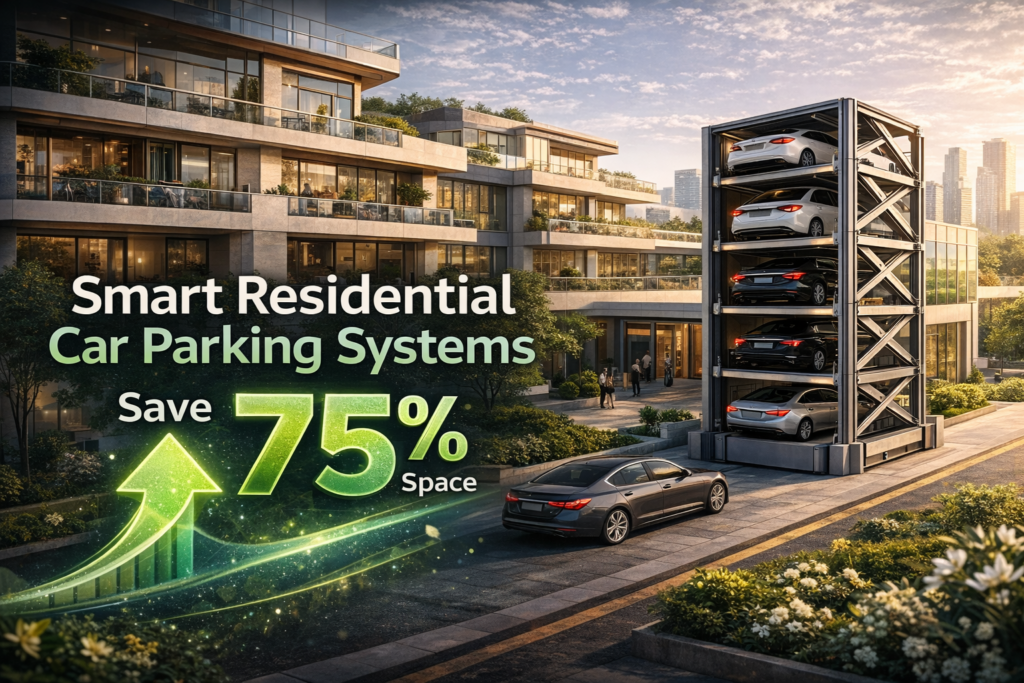
Beyond daily operations, Puzzle Parking contributes to long-term asset performance. Compact mechanical systems reduce excavation depth, structural complexity, and long-term maintenance exposure. Over time, this results in lower operating costs and greater flexibility for renovation or expansion. For hotel owners, these factors are as important as guest satisfaction. Parking solutions that preserve space and reduce operational risk support asset resilience, particularly in dense urban locations. Owners evaluating long-term infrastructure decisions often begin by discussing site-specific parking challenges through
direct consultation.
When Puzzle Parking Becomes the Right Choice for Hotels
Puzzle Parking is not suitable for every hotel, and that is precisely why it works when applied correctly. Urban locations with limited frontage, high arrival volumes, and strong brand expectations benefit the most. The real question is not whether Puzzle Parking is advanced, but whether it aligns with the hotel’s operational goals and guest experience strategy. When alignment exists, parking disappears as a problem and becomes an invisible part of hospitality. Hotels that recognize this early gain a competitive advantage that guests feel immediately, even if they never consciously notice why.
Puzzle Parking and Hotel Staffing Efficiency
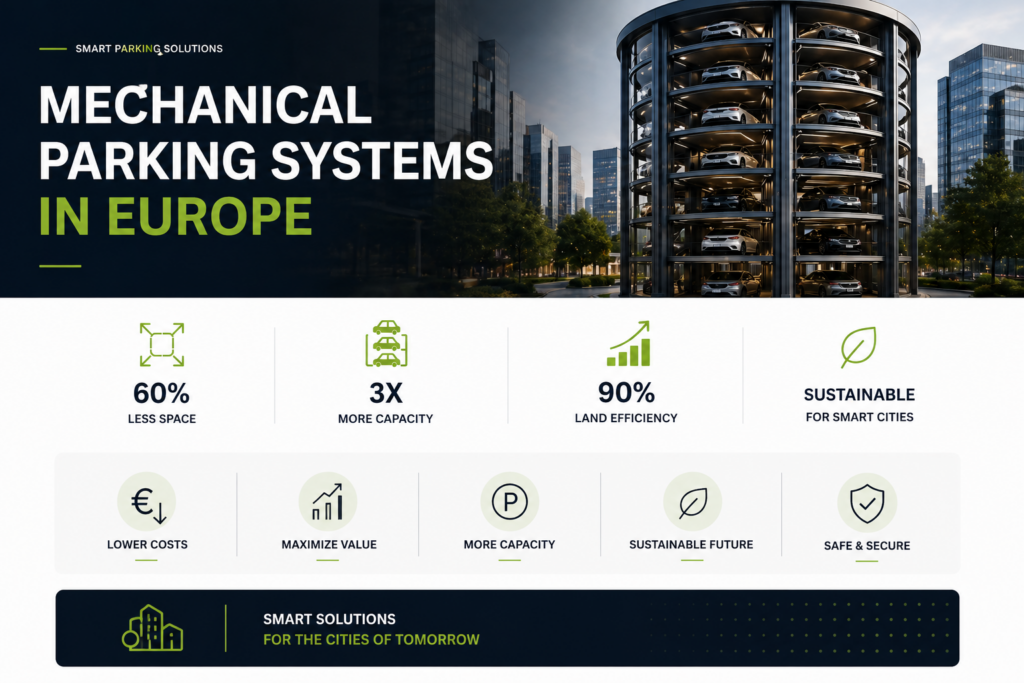
Hotel operations rely heavily on staff coordination, especially at arrival points. Traditional parking and valet systems consume a significant portion of human resources without directly improving guest satisfaction. Puzzle Parking changes this equation by reducing the dependency on manual vehicle handling. When cars are stored mechanically, hotel staff are no longer distracted by parking logistics and can focus on tasks that guests actually perceive, such as welcoming, luggage assistance, and concierge services. This shift improves service quality without increasing headcount. Hotels that prioritize operational efficiency often realize that Puzzle Parking is not just a space-saving solution, but a staffing optimization tool that aligns resources with guest-facing value.
Puzzle Parking and Guest Safety Perception
Safety is a silent expectation in hospitality. Guests rarely praise safety when it exists, but they immediately notice when it feels compromised. Puzzle Parking enhances perceived and actual safety by removing pedestrian and vehicle interaction inside parking areas. Guests do not walk through dim garages or navigate moving cars. Instead, they interact only with controlled handover zones. This design reduces accident risk and improves comfort, especially for families, elderly guests, and late-night arrivals. When hotels adopt Puzzle Parking, they subtly reinforce a sense of care and professionalism that extends beyond visible security measures.
Puzzle Parking and Noise Control in Hotel Environments
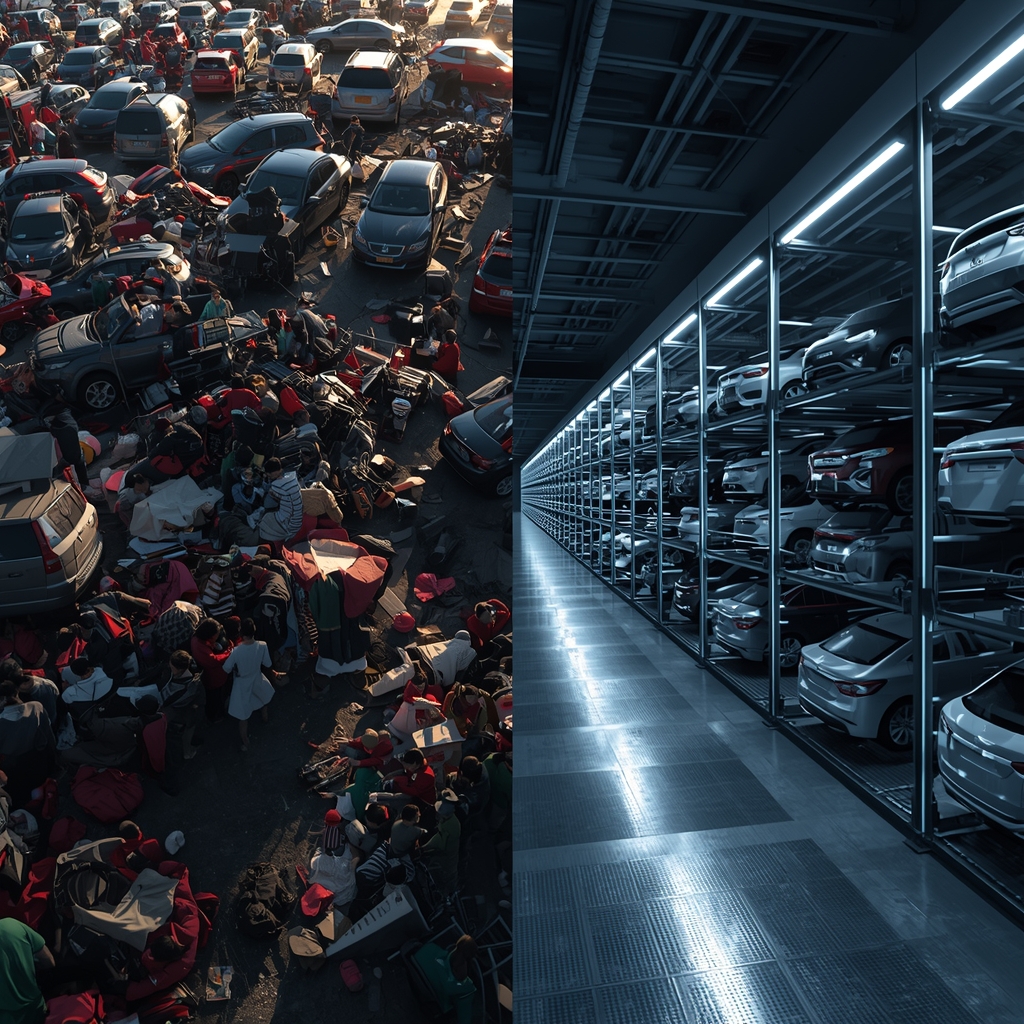
Noise is one of the most common hidden complaints in hotels, particularly in urban locations. Traditional parking garages generate constant noise from engines, horns, and vehicle movement near guest rooms and public spaces. Puzzle Parking significantly reduces this disturbance by centralizing and mechanizing vehicle movement away from occupied areas. Because cars are not driven internally, noise levels drop noticeably. This contributes to a calmer environment, particularly in hotels where rooms are located near parking zones. Over time, this improvement supports better guest reviews and reinforces the hotel’s commitment to comfort.
Puzzle Parking as a Tool for Space Flexibility in Hotels
Hotel layouts evolve over time. Spaces are repurposed, amenities are expanded, and operational needs change. Traditional parking structures limit this flexibility because they are deeply integrated into the building’s circulation logic. Puzzle Parking offers a different approach. Its compact and modular nature allows hotels to reclaim or adapt adjacent spaces more easily. Areas that would have been consumed by ramps or circulation can be converted into storage, staff facilities, or guest amenities. This flexibility becomes particularly valuable during renovations or brand repositioning, making Puzzle Parking a long-term strategic asset rather than a fixed constraint.
Puzzle Parking and Sustainability Goals in Hospitality
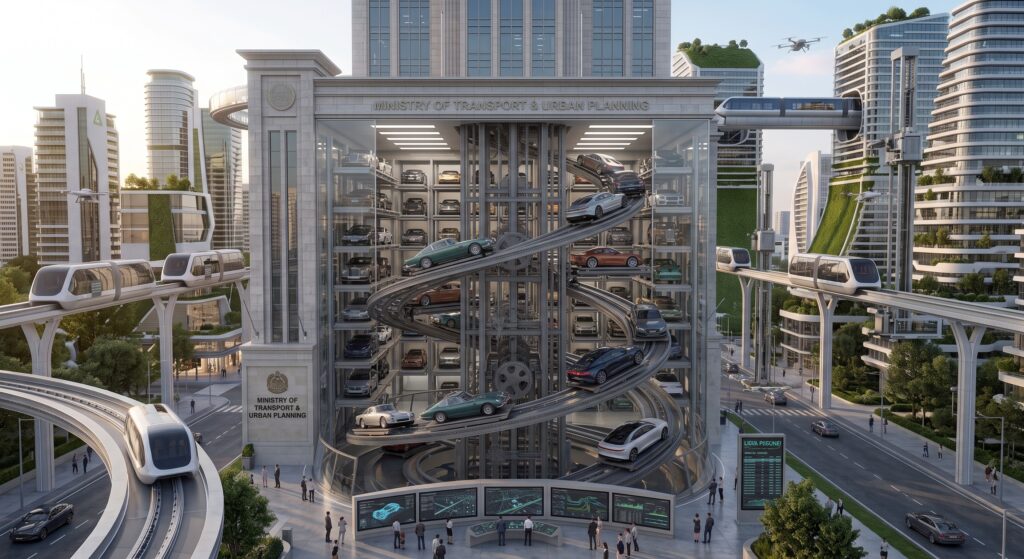
Sustainability is no longer optional in the hotel industry. Energy efficiency, reduced emissions, and responsible land use are increasingly tied to brand reputation and regulatory compliance. Puzzle Parking supports these goals by reducing lighting and ventilation requirements, minimizing excavation, and optimizing land use. Because vehicles are stored without human circulation, energy consumption drops significantly compared to conventional garages. Hotels pursuing environmental certifications or sustainability benchmarks often find that Puzzle Parking contributes measurable improvements without altering guest-facing operations. This makes it a practical sustainability solution rather than a symbolic one.
Puzzle Parking and Competitive Differentiation Between Hotels
In competitive hospitality markets, differentiation rarely comes from rooms alone. Many hotels offer similar amenities, locations, and price points. The difference lies in how smoothly the entire stay unfolds. Puzzle Parking contributes to this differentiation by removing one of the most common friction points. Guests who arrive and depart without stress develop a stronger overall impression, even if they cannot identify why. Over time, this translates into repeat bookings and positive word-of-mouth. Hotels that integrate Puzzle Parking effectively gain an advantage that competitors often overlook until guests begin to compare experiences.
Puzzle Parking and Mixed-Use Hotel Developments
Many modern hotels are part of mixed-use developments that include offices, retail, or residential components. Parking demand in these projects is complex and highly variable. Puzzle Parking excels in such environments because it allows shared use without visual or operational conflict. Vehicles can be stored efficiently without dominating the site or interfering with other functions. This makes Puzzle Parking particularly suitable for urban hotel projects where land is limited and multiple user groups coexist. Developers exploring integrated solutions often review combined-use parking strategies on
the main SAWA website to understand how Puzzle Parking fits into broader project ecosystems.
Puzzle Parking as a Long-Term Hospitality Investment Decision
Ultimately, the decision to implement Puzzle Parking in a hotel is not about technology. It is about alignment. Alignment between guest expectations, operational efficiency, spatial constraints, and brand identity. When these factors align, Puzzle Parking delivers value far beyond parking capacity. It improves arrival experience, stabilizes operations, supports staff performance, and protects long-term asset value. Hotels that approach parking as part of their hospitality strategy, rather than a technical afterthought, are better positioned to compete in dense and demanding markets.
Summary: Why Puzzle Parking Makes Sense for Hotels
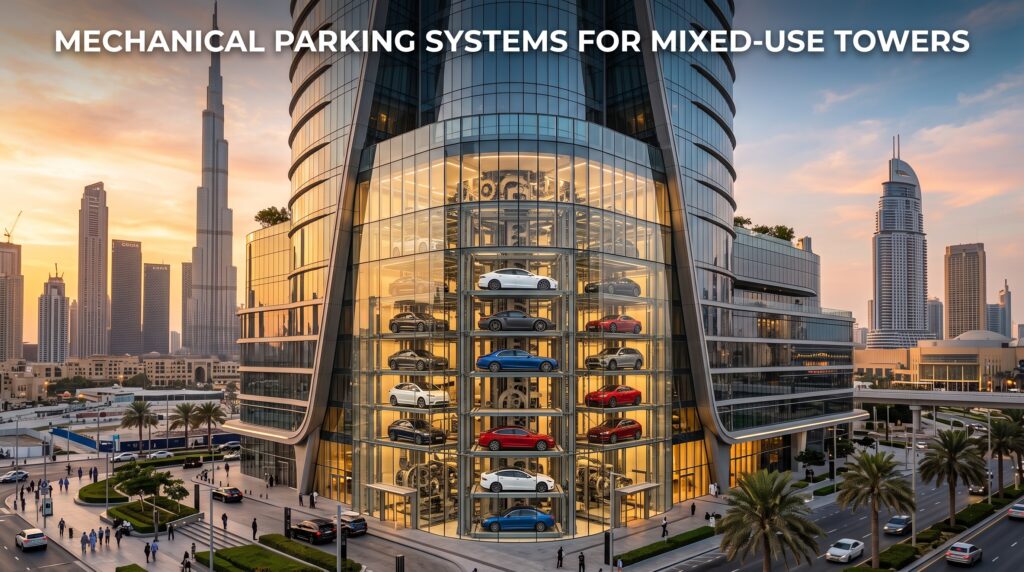
Puzzle Parking is not simply a parking solution for hotels; it is an operational and experiential decision that directly affects how guests perceive arrival, comfort, and overall service quality. In hotel environments, where first impressions are formed within seconds, parking plays a much larger role than it appears on paper. By removing congestion, simplifying vehicle handling, and restoring control over entrance zones, Puzzle Parking supports a calm and organized arrival experience that aligns with hospitality standards.
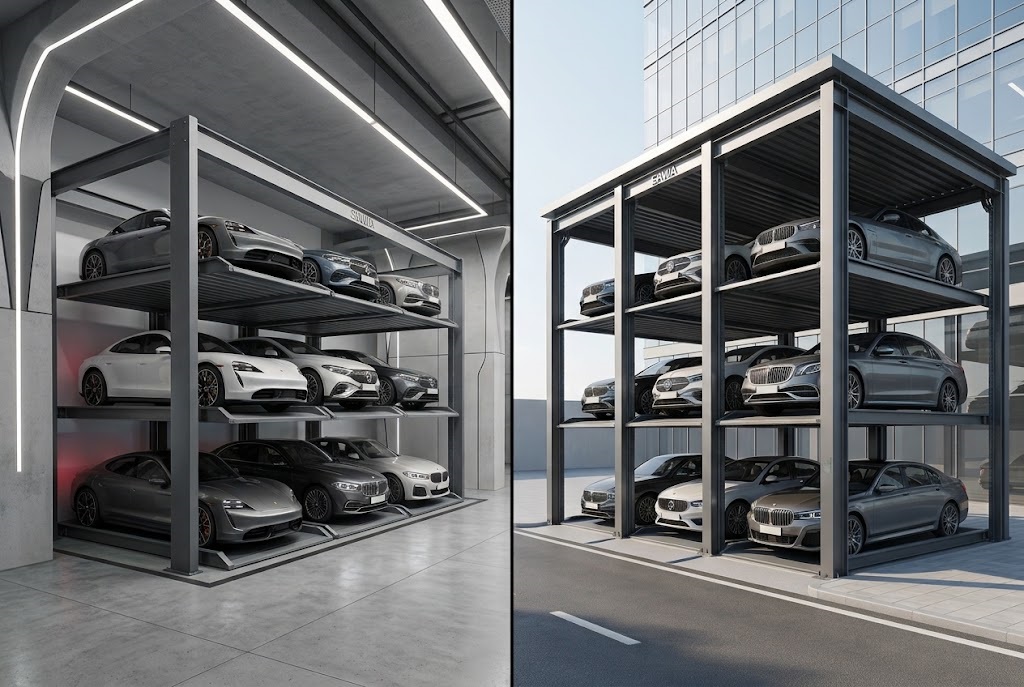
Beyond guest perception, Puzzle Parking contributes to operational efficiency by reducing reliance on valet staffing, improving peak-hour performance, and lowering long-term maintenance exposure. Its compact design allows hotels to reclaim valuable space, improve noise control, and support sustainability goals without compromising service quality. When applied in the right context, Puzzle Parking becomes an invisible asset—one that guests feel through ease and comfort, even if they never consciously notice it. For hotels operating in dense urban locations or mixed-use developments, Puzzle Parking represents a strategic investment rather than a technical upgrade.
References & Academic Sources
-
SAWA Parking – Puzzle Parking Solutions for Hospitality Projects
https://sawaparking.com/
Primary reference based on real hotel and mixed-use implementations of Puzzle Parking systems, operational analysis, and design integration. -
Shoup, D. (2018). Parking and the City
Routledge
https://www.routledge.com/Parking-and-the-City/Shoup/p/book/9781138825863
Explores how parking design affects urban behavior, congestion, and destination experience. -
Banister, D. (2018). Inequality in Transport
Oxford University Press
https://global.oup.com/academic/product/inequality-in-transport-9781138951180
Provides insight into transport access, user behavior, and the impact of infrastructure decisions on experience. -
Automation in Construction Journal
Elsevier
https://www.sciencedirect.com/journal/automation-in-construction
Peer-reviewed studies on mechanical parking systems, space optimization, and operational efficiency. -
Energy and Buildings Journal
Elsevier
https://www.sciencedirect.com/journal/energy-and-buildings
Research on energy efficiency and environmental impact of automated and mechanical parking structures.