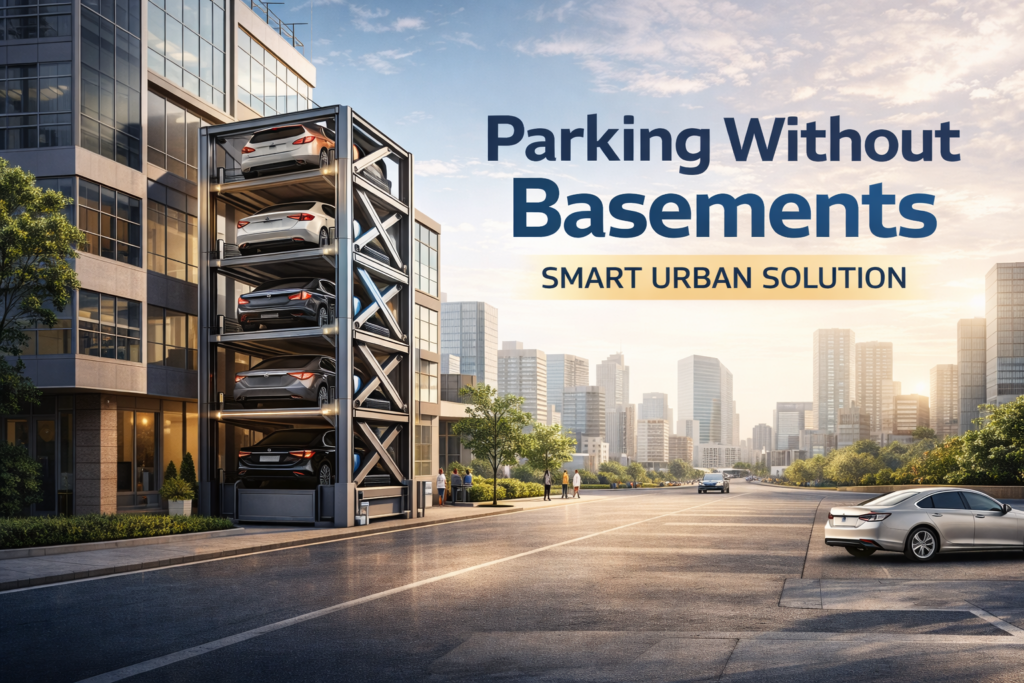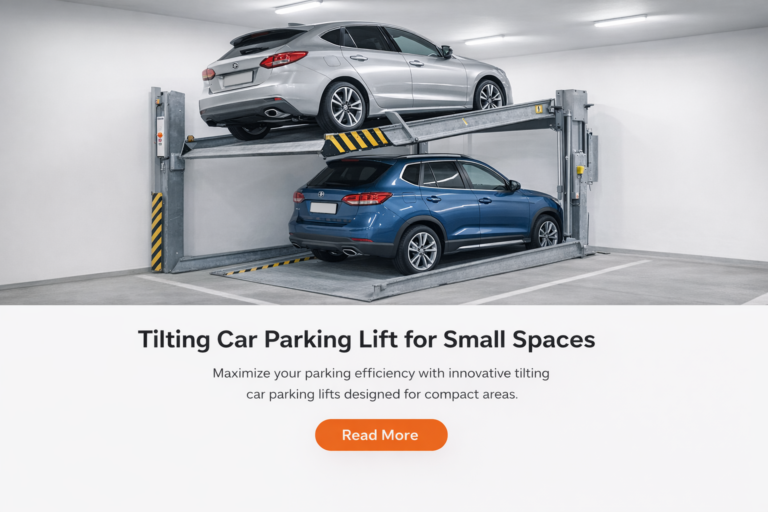



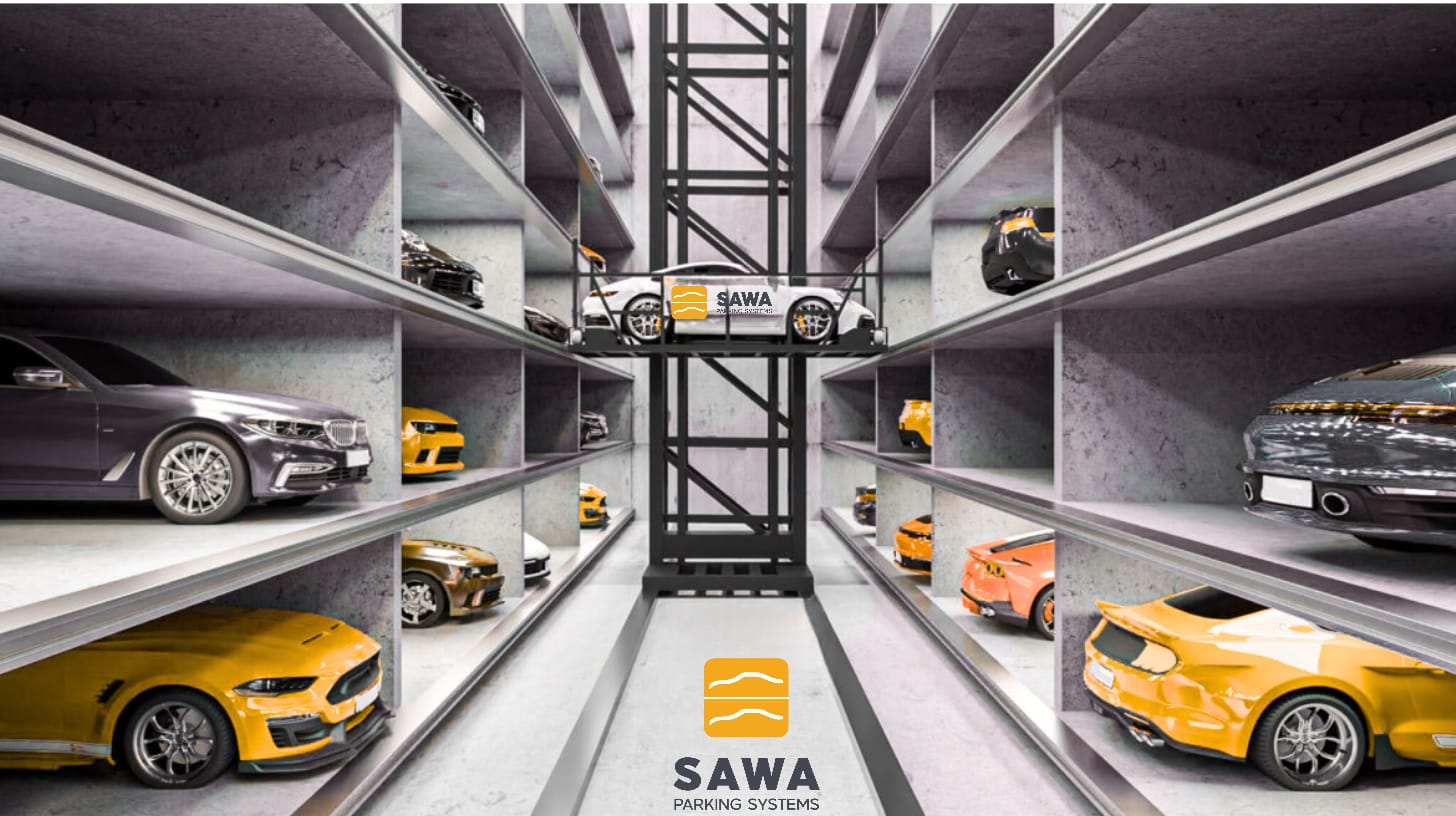
The car slows down. Not because traffic forces it to, but because the destination has finally arrived.
At this moment, most drivers expect the familiar tension: searching for a space, calculating distances, worrying about scratches, or negotiating tight corners. But here, the experience unfolds differently. The street feels calm, the entrance is clear, and nothing demands urgency. This is the first quiet interaction with a Central Parking System, even before the driver realizes it.
The system does not announce itself with complexity or instruction-heavy signage. Instead, it blends into the environment. The driver follows a natural flow, guided more by intuition than commands. There is no ramp in sight, no maze to navigate, no sudden decisions to make. What feels like a simple pause on the street is, in reality, the beginning of a carefully engineered process designed to remove friction at the most stressful point of urban driving.
At this stage, the value of a Central Parking System is not technical—it is psychological. The driver feels in control without needing to control anything. And that is exactly how the journey is meant to begin.
The decision to enter the system does not feel like a decision at all
There is no moment of hesitation, no internal debate about whether this is the right choice. The entrance does not demand courage or trust upfront. Instead, it behaves like any well-designed urban interface: quiet, predictable, and respectful of the user’s time. This is a core principle behind every successful Central Parking System—it does not ask the driver to learn something new; it adapts to what the driver already knows.
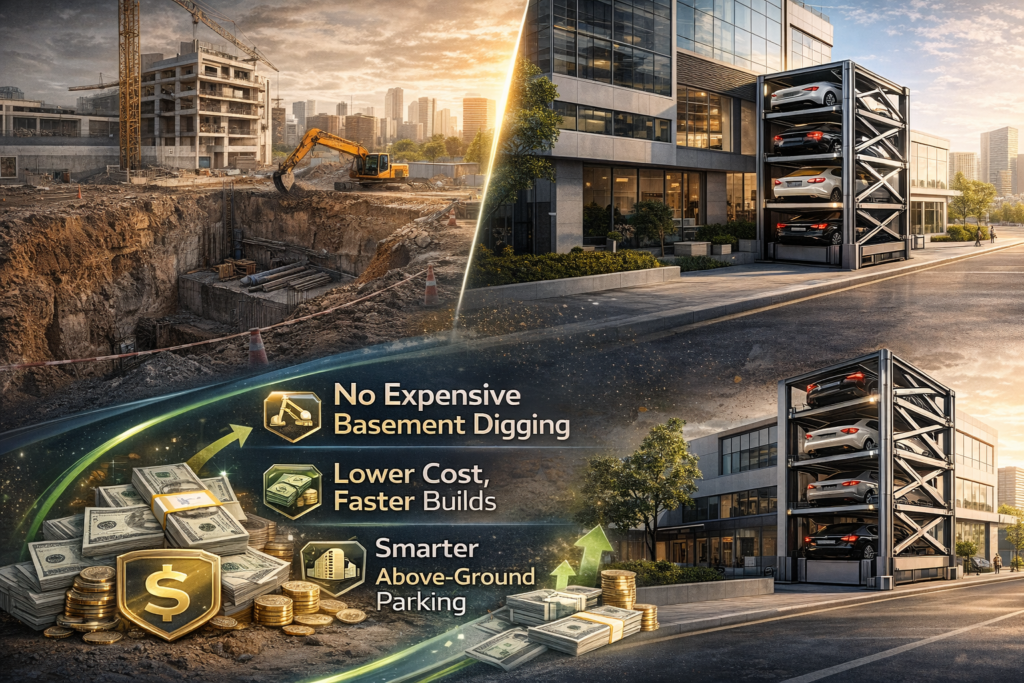
From the user’s perspective, nothing feels experimental. The car stops at a clearly defined point, aligned naturally with the street flow. Visual cues are minimal but precise. There is no confusion about where to stop or what comes next. The system communicates through clarity, not instruction overload. At this moment, the driver still feels fully present in the process, unaware that most of the complexity has already shifted away from human decision-making and into the system itself.
This is where many traditional parking experiences fail. They overload the driver at the exact moment when attention is already exhausted. A Central Parking System does the opposite—it reduces cognitive load precisely when stress would normally peak.
The handover moment is almost anticlimactic.
The driver exits the vehicle, closes the door, and steps away. There is no dramatic gate, no loud mechanical movement, no sense of losing control. And yet, this is the exact second where the system takes over completely. The car is now part of a centralized logic, managed not as a vehicle driven by instinct, but as an object moving through a calculated spatial sequence.
What makes this moment powerful is what does not happen. No one touches the car. No attendant rushes in. No human judgment intervenes. The Central Parking System verifies dimensions, weight, and position silently. Sensors do not rush; they confirm. Software does not guess; it decides. For the user, the experience feels almost too simple—but simplicity here is the result of deep engineering, not absence of it.
This handover removes the most error-prone element in parking: human approximation. From this point on, nothing relies on reaction time, visibility, or improvisation. The system operates with a level of consistency that manual environments can never achieve.
Then comes the moment that defines the entire experience: the car disappears.
Not abruptly, not noisily, not in a way that demands attention. It simply moves away from the street, leaving behind empty space. For the driver, this is a subtle but powerful shift. The car, which moments ago was a source of concern, is now mentally “resolved.” There is no urge to look back, no worry about who might park next to it, no calculation about exit paths later.
This disappearance is one of the most underestimated strengths of a Central Parking System. By removing the vehicle from the visible environment, the system restores the street to what it should be: a place for movement, not storage. On a psychological level, the driver transitions instantly from “driver mode” to “destination mode.” The journey is complete before it feels finished.
Urban studies consistently show that the stress of parking lingers longer than the stress of driving. Centralized systems cut that stress short—not by distraction, but by closure.
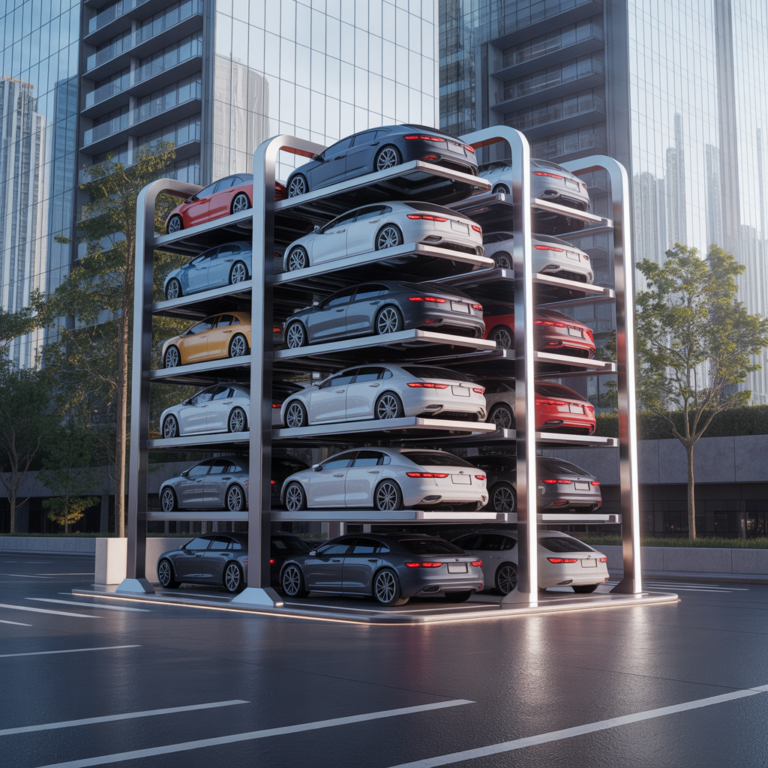
Behind the scenes, the system is doing what humans never could—optimizing space in three dimensions simultaneously.
While the driver walks away, the Central Parking System evaluates the entire storage environment in real time. It considers vehicle size, retrieval probability, peak patterns, and spatial efficiency. Unlike traditional garages, where the first available space dictates behavior, centralized systems treat parking as a dynamic equation rather than a fixed layout.
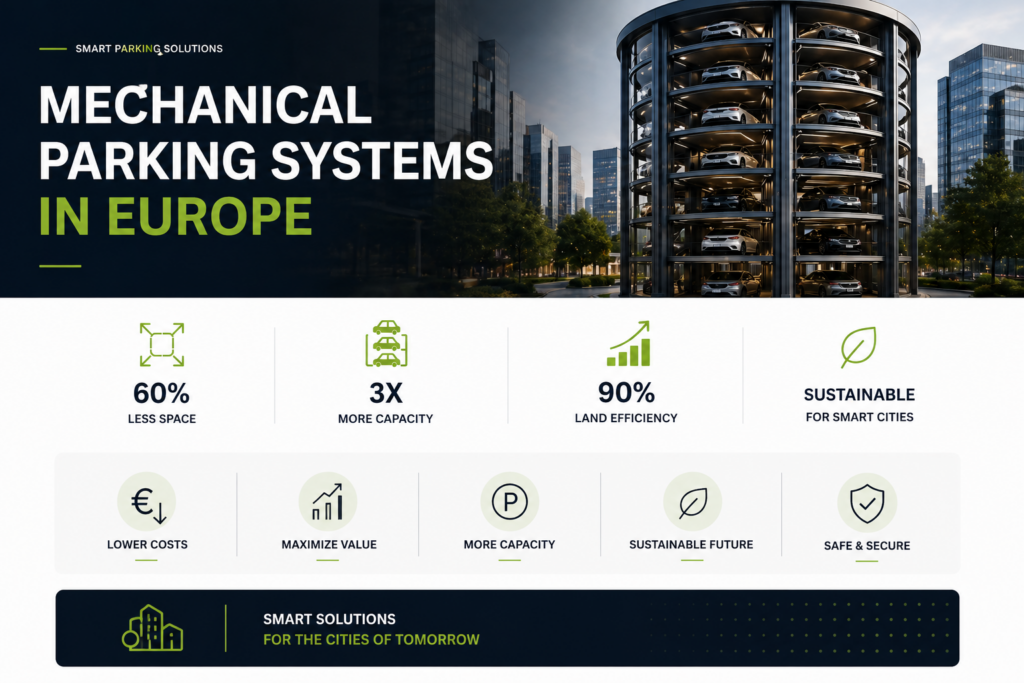
This is where the scientific foundation becomes critical. Research published in journals such as Transportation Research Part C and Automation in Construction shows that centralized parking systems can increase spatial efficiency by 40–60% compared to conventional garages. This gain does not come from stacking cars randomly, but from algorithmic placement that minimizes dead space and future movement.
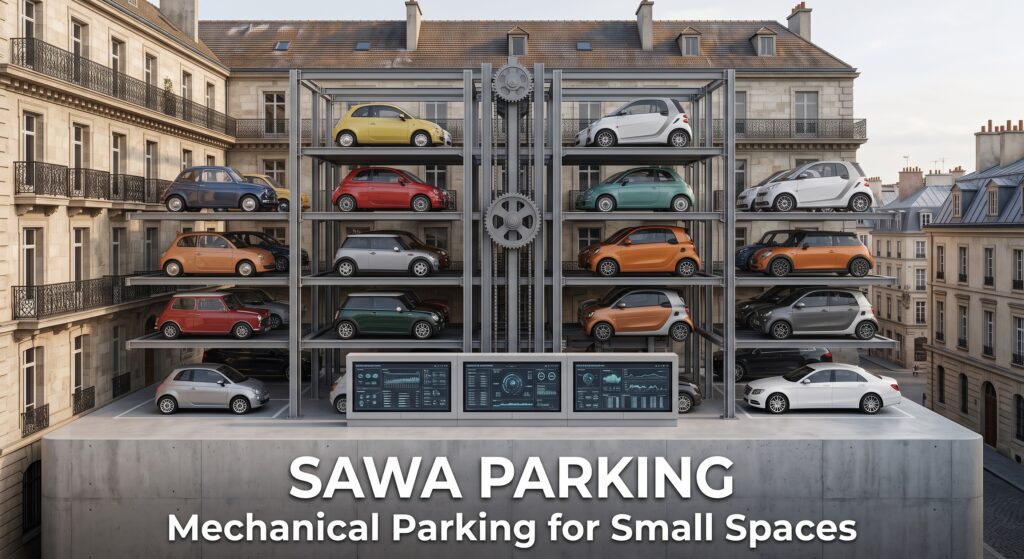
In practical terms, this means fewer ramps, fewer aisles, and dramatically less wasted volume. A Central Parking System turns parking from a geometric compromise into a spatial strategy.
Numbers matter—and this is where comparison becomes unavoidable
Studies from institutions like the International Transport Forum and Springer’s urban infrastructure series consistently highlight that up to 30% of inner-city traffic is generated by drivers searching for parking. Centralized systems eliminate this phase entirely. Once a vehicle enters, it never circulates again.
Energy consumption tells a similar story. According to peer-reviewed studies in Energy and Buildings, automated centralized parking can reduce lighting and ventilation energy usage by up to 50%, simply because humans are no longer circulating inside the structure. Safety statistics reinforce the point: insurance data analyzed in European parking studies shows significantly lower incident rates in automated systems due to the absence of human-driven movement.
These are not marginal gains. They are structural advantages that explain why the Central Parking System is increasingly referenced in academic discussions about sustainable urban infrastructure.
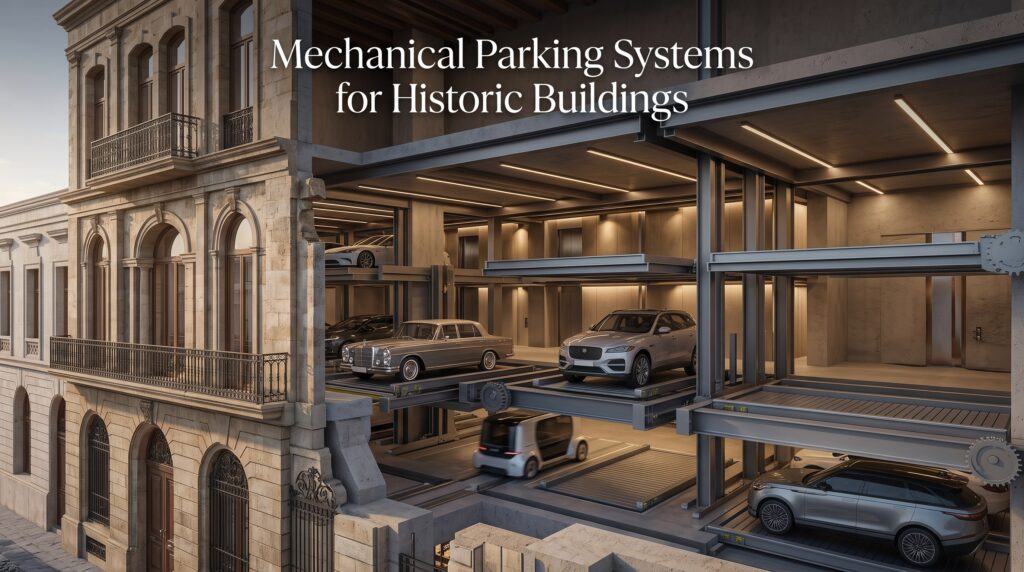
From the user’s perspective, however, none of these numbers are visible—and that is the point.
The system does not ask the user to appreciate efficiency metrics or spatial logic. It delivers comfort instead. The driver continues their day without thinking about the car, confident that retrieval will be as smooth as arrival. This confidence is not emotional—it is learned through repetition.
Behavioral studies in mobility design show that predictability matters more than speed. Users prefer systems that behave the same way every time, even if they are not the fastest possible. A Central Parking System excels here. It replaces uncertainty with rhythm. The user begins to trust the process not because it is explained, but because it is consistent.
Retrieval, when it happens, mirrors the arrival in reverse—quiet, controlled, and unsurprising.
There is no hunt for the vehicle, no memory test of where it was left. The system handles retrieval with the same centralized logic that governed storage. The driver waits, not anxiously, but expectantly. The car returns clean, untouched, and exactly as it was left.
This symmetry between arrival and departure is critical. It closes the loop of trust. Once experienced, it permanently alters how users evaluate other parking environments. Traditional garages begin to feel chaotic, inefficient, and unnecessarily stressful by comparison.
This is why the journey matters more than the machinery.
A Central Parking System succeeds not because it is automated, but because it respects the user’s mental and physical limits. It removes decisions at the moment decisions are least welcome. It hides complexity instead of showcasing it. And it treats parking not as an afterthought, but as a designed experience.
In cities where space is scarce, time is expensive, and attention is fragmented, this journey—from street to storage and back—represents a quiet but profound shift. Parking stops being a problem to solve and becomes an interaction that simply works.
What makes this journey powerful is not that it feels advanced, but that it feels natural.
The user never feels forced to “learn” the system. There is no mental friction, no feeling of being tested by technology. This is a defining characteristic of a mature Central Parking System: it hides intelligence behind familiarity. Urban design research consistently shows that systems succeed when they reduce the need for conscious interaction. In this journey, the driver is not impressed by machines; they are relieved by absence—absence of noise, absence of searching, absence of risk.
This naturalness is intentional. Centralized parking systems are designed around the weakest point in any urban mobility chain: the human at the end of a long drive. By absorbing complexity at that moment, the system protects the user from cognitive overload. This is why the experience feels “smooth” rather than “smart.” The intelligence is structural, not performative.
Zooming out, this single journey reflects a much larger urban logic.
Cities struggle not because cars exist, but because cars linger. Streets choke when vehicles circulate aimlessly, looking for space. A Central Parking System changes this behavior fundamentally. It removes vehicles from circulation immediately upon arrival. From an urban systems perspective, this is not just parking—it is traffic management through storage design.
Academic studies in transport engineering have demonstrated that centralized parking reduces micro-congestion around destinations by eliminating cruising behavior. This effect compounds across neighborhoods. One seamless user journey does not just improve a personal experience; it quietly improves street performance, pedestrian safety, and air quality. The journey from street to garage becomes an invisible intervention in the city’s metabolism.
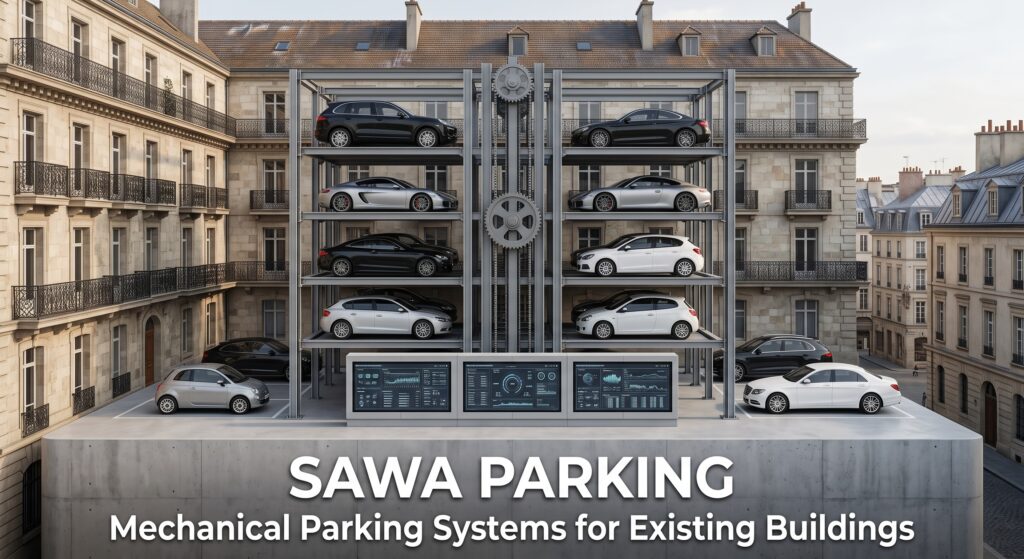
For developers and planners, this journey translates directly into measurable value.
When parking stops consuming space inefficiently, buildings gain flexibility. More usable floor area becomes available. Basements become shallower. Structural complexity decreases. These outcomes are not abstract benefits; they directly affect construction cost, project feasibility, and long-term asset performance.
This is why many projects documented on platforms like
SAWA Parking
show centralized systems integrated early in design, not added later. When the parking journey is designed as part of the building narrative, the entire project becomes more coherent. Parking is no longer a constraint—it becomes an enabler.
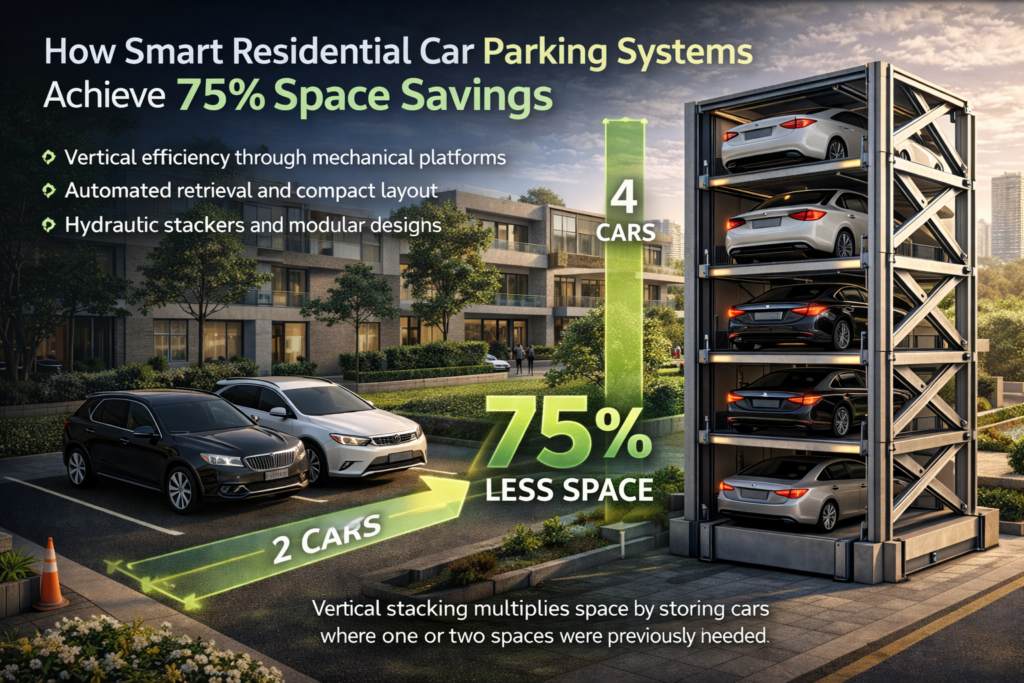
The psychological impact of this experience should not be underestimated.
Mobility research highlights that stress at arrival disproportionately shapes how people remember destinations. A bad parking experience can overshadow an otherwise positive visit. A good one disappears from memory—but leaves behind a sense of ease.
The Central Parking System succeeds precisely because it disappears. Users remember the destination, not the parking. Over time, this shifts expectations. People begin to associate certain buildings, districts, or developments with calm rather than chaos. This emotional association becomes a competitive advantage that traditional parking can rarely achieve.
This journey also explains why centralized systems scale so well across contexts.
Whether the destination is residential, commercial, or mixed-use, the core experience remains consistent. The system adapts internally—through algorithms, capacity logic, and operational rules—while the user experience remains stable. Consistency builds trust. Trust builds adoption.
That is why centralized parking appears increasingly in global planning discussions, not as a futuristic experiment, but as mature infrastructure. It aligns with principles of sustainable design, efficient land use, and human-centered engineering. The journey feels personal, but its implications are systemic.
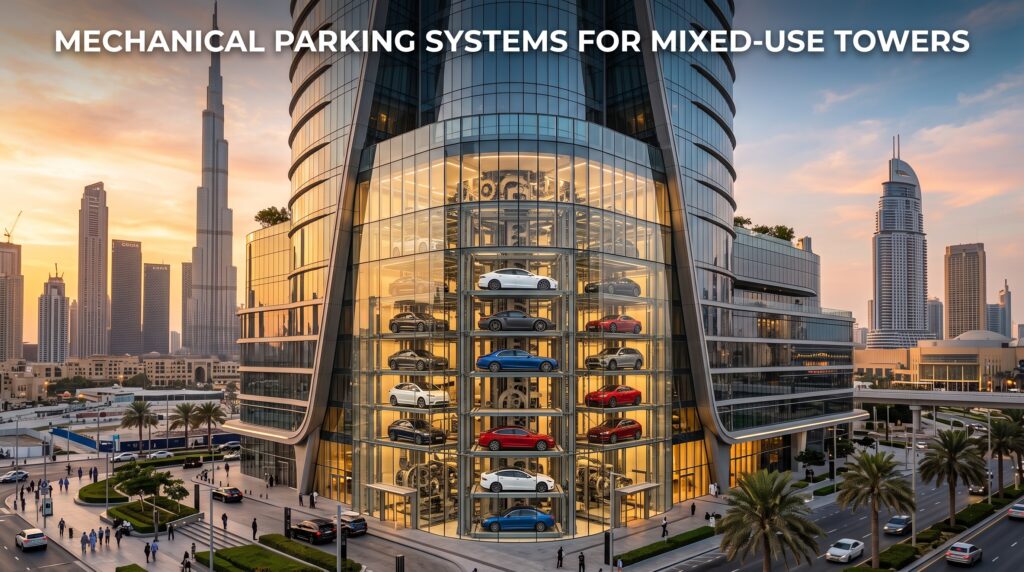
In the end, the most important part of the journey is what the user never sees.
They never see the calculations, the optimization routines, or the safety redundancies. They do not need to. The success of a Central Parking System is measured by how little explanation it requires. When technology disappears into experience, it has done its job.
This is not about automation replacing humans. It is about systems respecting human limits. The journey from street to garage works because it acknowledges fatigue, distraction, and impatience—and designs around them rather than against them.
Conclusion: When Parking Becomes an Experience, Not an Obstacle
The journey of a car from the street into a Central Parking System is not a technical sequence—it is a designed experience. One that begins with uncertainty and ends with relief. One that replaces searching with certainty, noise with calm, and risk with control.
In a world where cities compete for attention, time, and trust, this journey matters. It proves that infrastructure can be intelligent without being intrusive, scientific without being cold, and efficient without being stressful.
When parking works like this, users stop thinking about parking altogether.
And that is the highest success any system can achieve.
References & Scientific Sources
SAWA Parking – Centralized & Automatic Parking Systems
https://sawaparking.com/
Applied reference based on real-world centralized parking projects and user journey design.Shoup, D. (2017). Parking and the City
Routledge
https://www.routledge.com/Parking-and-the-City/Shoup/p/book/9781138825863
Explores parking behavior, cruising traffic, and urban impact.Transportation Research Part C: Emerging Technologies
Elsevier
https://www.sciencedirect.com/journal/transportation-research-part-c-emerging-technologies
Peer-reviewed studies on automated systems, traffic behavior, and optimization.
Automation in Construction Journal
Elsevier
https://www.sciencedirect.com/journal/automation-in-construction
Scientific research on automation, spatial efficiency, and built environment systems.International Transport Forum – Urban Mobility Reports
OECD
https://www.itf-oecd.org/
Policy and data-driven analysis of parking, congestion, and urban efficiency.