


Introduction: Parking in Egypt Is Not Just a Technical Issue
Let’s start with an honest observation.
Driving in Egypt is not only about reaching a destination—it is about navigating unpredictability. Streets are busy, parking spaces are scarce, and informal behavior dominates many urban areas. In this environment, parking becomes one of the most stressful parts of daily driving.
This is exactly why Egyptian drivers prefer automatic parking more than many people realize. The preference is not driven by luxury or technology hype. It is driven by lived experience. Automatic parking removes pressure points that Egyptian drivers face every single day—tight spaces, congestion, fear of damage, and uncertainty.
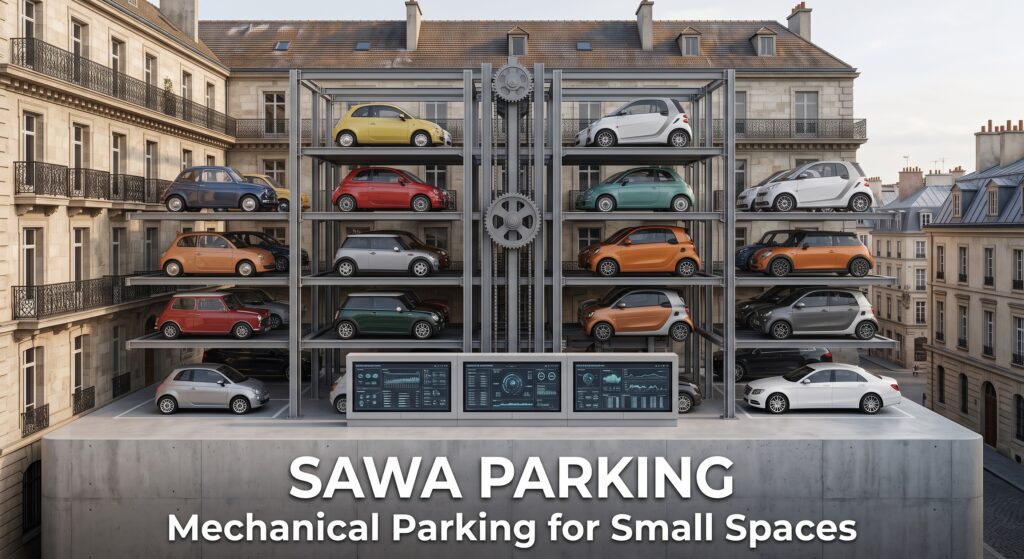
To understand this preference, we need to look beyond machines and examine behavior, context, and daily reality.
1. The Daily Parking Struggle in Egyptian Cities
Parking in Egyptian cities is rarely straightforward. In dense districts, drivers often circle blocks multiple times, negotiate informally, or park in marginal spaces. This daily struggle shapes driver behavior long before they encounter an automatic parking system.
Ask yourself this question:
How often do drivers in Egypt park with complete confidence that their car is safe and correctly positioned?
For many, the answer is rarely. Automatic parking eliminates this struggle entirely. The moment a driver hands over the vehicle to the system, the stress cycle ends. This is a major reason why Egyptian drivers prefer automatic parking—it replaces negotiation and uncertainty with clarity and control.
2. Fear of Damage Is a Strong Behavioral Driver
One of the most common concerns among Egyptian drivers is vehicle damage. Tight spaces, crowded garages, and unpredictable movements increase the risk of scratches, dents, and door impacts.
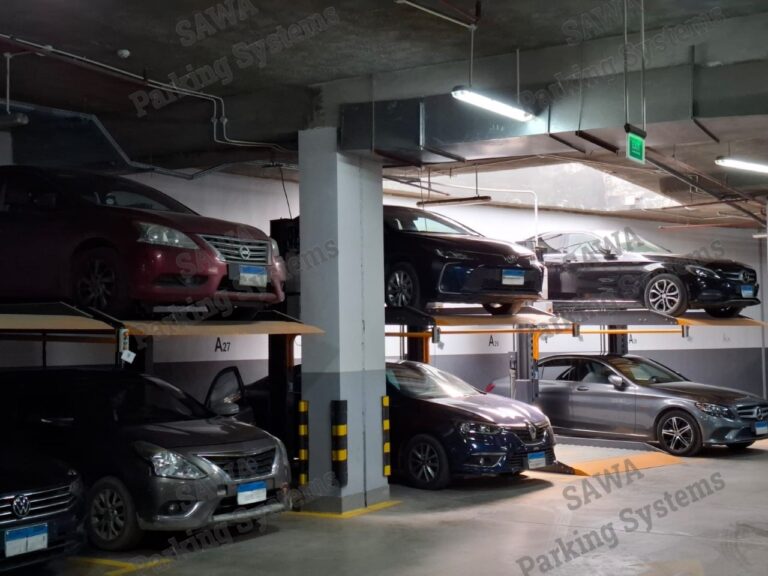
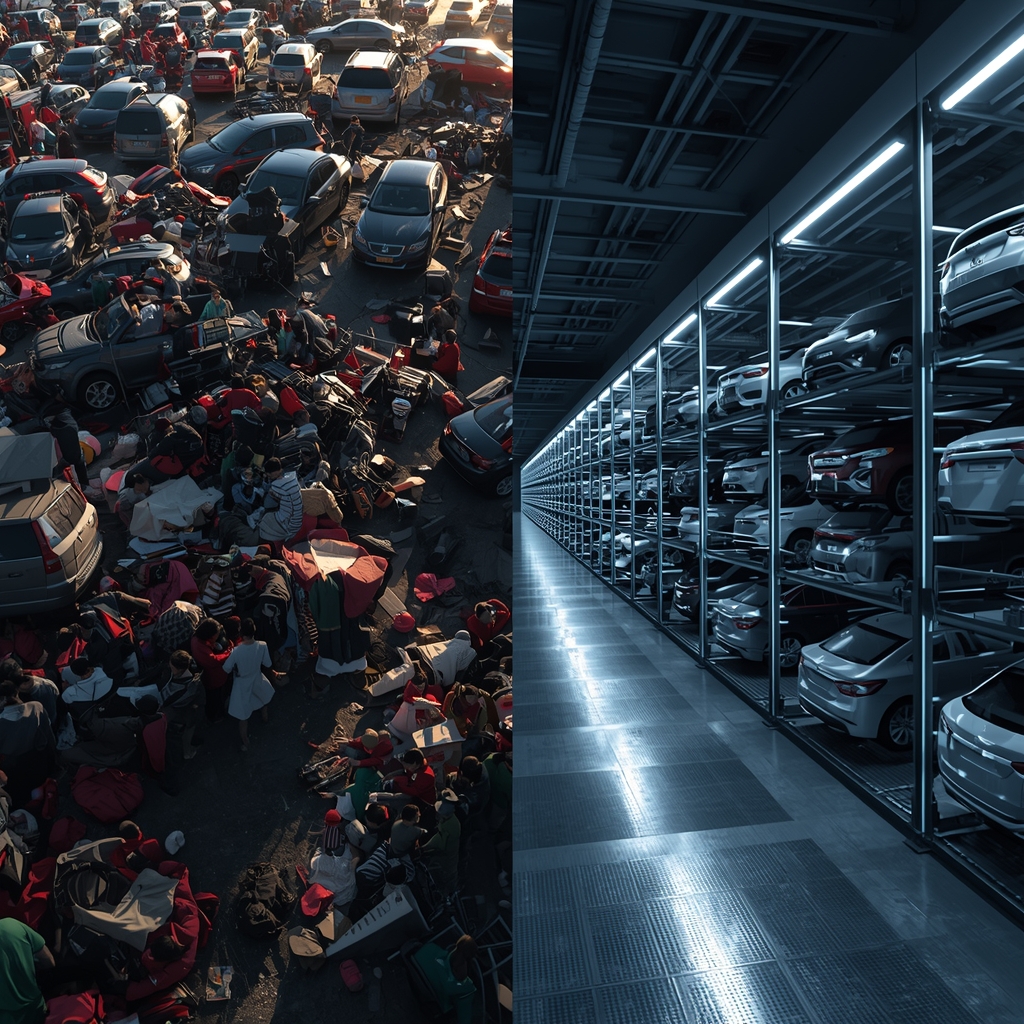
In manual parking environments, even careful drivers cannot control the behavior of others. Automatic parking systems remove this variable. Cars are isolated, moved mechanically, and stored without human interference.
Ask yourself:
Would you trust a stranger parking next to your car—or a calibrated system?
This psychological shift explains why automatic parking feels safer, even before drivers understand how it works technically.
3. Automatic Parking Reduces Social Friction
Parking in Egypt often involves social interaction—sometimes friendly, sometimes stressful. Guards, attendants, other drivers, and pedestrians all influence the experience.
Automatic parking systems reduce these interactions dramatically. The process becomes transactional rather than social. You stop, exit, and leave.
For many Egyptian drivers, this reduction in friction is a relief. The preference for automatic parking is not just about space—it is about avoiding unnecessary confrontation and negotiation.
This behavioral factor is often underestimated, yet it plays a major role in why Egyptian drivers prefer automatic parking when given the choice.
4. Time Sensitivity in Egyptian Urban Life
Time pressure is a defining feature of urban life in Egypt. Late arrivals, unpredictable traffic, and crowded schedules make every minute feel expensive.
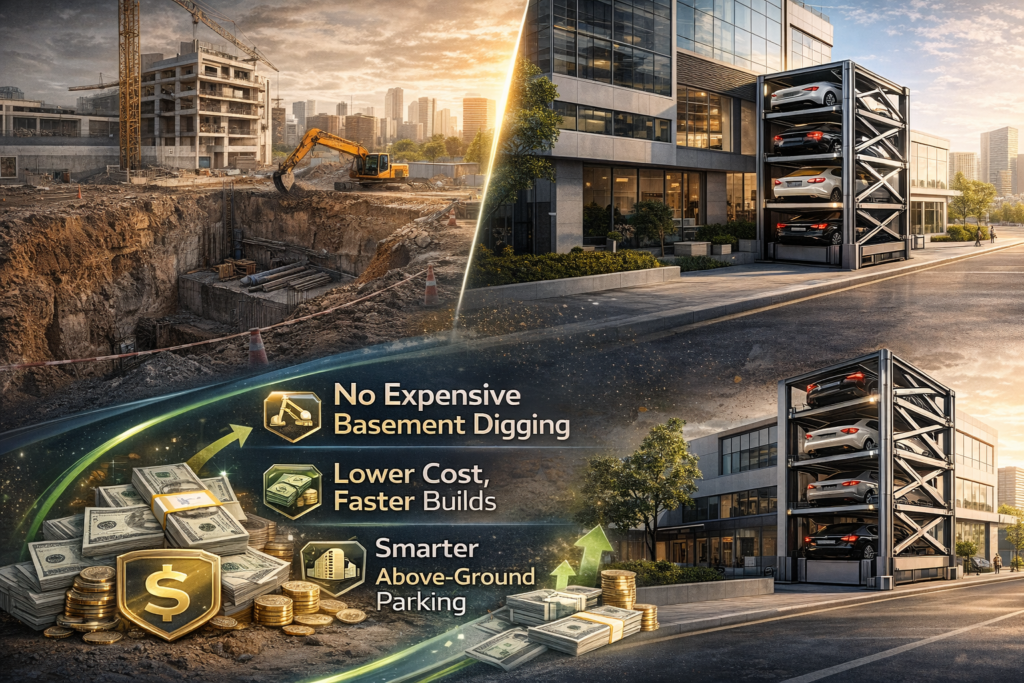
Manual parking introduces delay at the worst possible moment—when the driver has already arrived but cannot stop yet. Automatic parking compresses this moment into a predictable sequence.
Ask yourself:
Is it more frustrating to be late because of traffic—or because you can’t find parking?
For many drivers, the second feels more avoidable. Automatic parking offers exactly that sense of control.
5. Confidence Through Predictability
Egyptian drivers adapt quickly to systems that behave predictably. Once they use automatic parking a few times, uncertainty disappears.
Predictability builds trust. Trust builds preference.
This is why, across multiple projects, SAWA Parking observed that resistance to automatic parking fades rapidly. After initial use, drivers stop questioning the system and begin relying on it instinctively.
Preference is not formed by explanation—it is formed by repetition.
6. Automatic Parking Aligns With Egyptian Driving Behavior
Contrary to common assumptions, automatic parking does not conflict with Egyptian driving habits—it complements them.
Egyptian drivers are highly adaptive. They respond quickly to systems that simplify complex situations. Automatic parking removes the most complex part of driving: final positioning in limited space.
This alignment between system design and user behavior explains why acceptance rates are high once exposure occurs.
7. Cultural Trust in Systems That Remove Human Error
One important factor often ignored when analyzing parking behavior in Egypt is trust. Egyptian drivers tend to trust systems that reduce dependence on other people. This may sound counterintuitive in a social culture, but when it comes to cars, trust becomes extremely practical.
Manual parking environments depend heavily on other drivers behaving correctly. Unfortunately, experience has taught many Egyptian drivers that this is not guaranteed. Automatic parking removes this uncertainty. The system does not rush, misjudge distances, or ignore rules.
Ask yourself honestly:
Would you rather trust dozens of unknown drivers—or a single controlled system?
This cultural preference for predictable systems is a major reason why Egyptian drivers prefer automatic parking once they experience it.
8. Why Valet-Style Parking Feels Familiar in Egypt
Automatic parking succeeds in Egypt partly because it resembles something drivers already know: valet parking. Many Egyptians are comfortable handing over their car if they believe the process is organized and supervised.
Automatic parking builds on this existing behavior but removes human risk. There is no valet driving aggressively, no argument over responsibility, and no ambiguity about who touched the car.
The transition feels natural. Drivers already understand the concept of “I stop here, someone else handles the parking.” Automatic parking simply replaces the human with a controlled system.
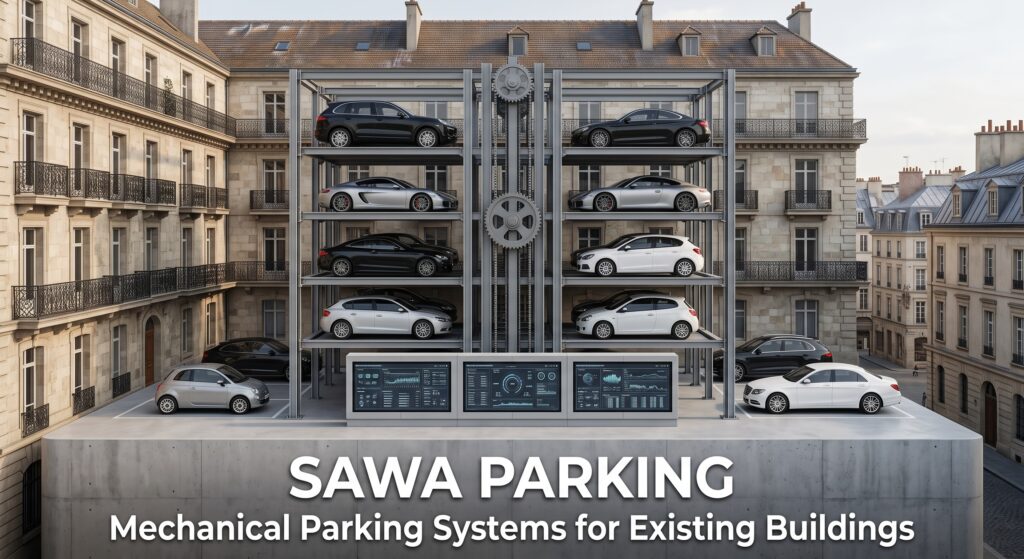
This familiarity accelerates acceptance and reinforces preference.
9. Residential Drivers vs Commercial Visitors: Same Preference, Different Reasons
Interestingly, both residential and commercial users in Egypt prefer automatic parking—but for different reasons.
Residential drivers value safety and peace of mind. They want to know their car is protected overnight, untouched, and secure. Commercial visitors value speed and clarity. They want to arrive, park quickly, and leave without confusion.
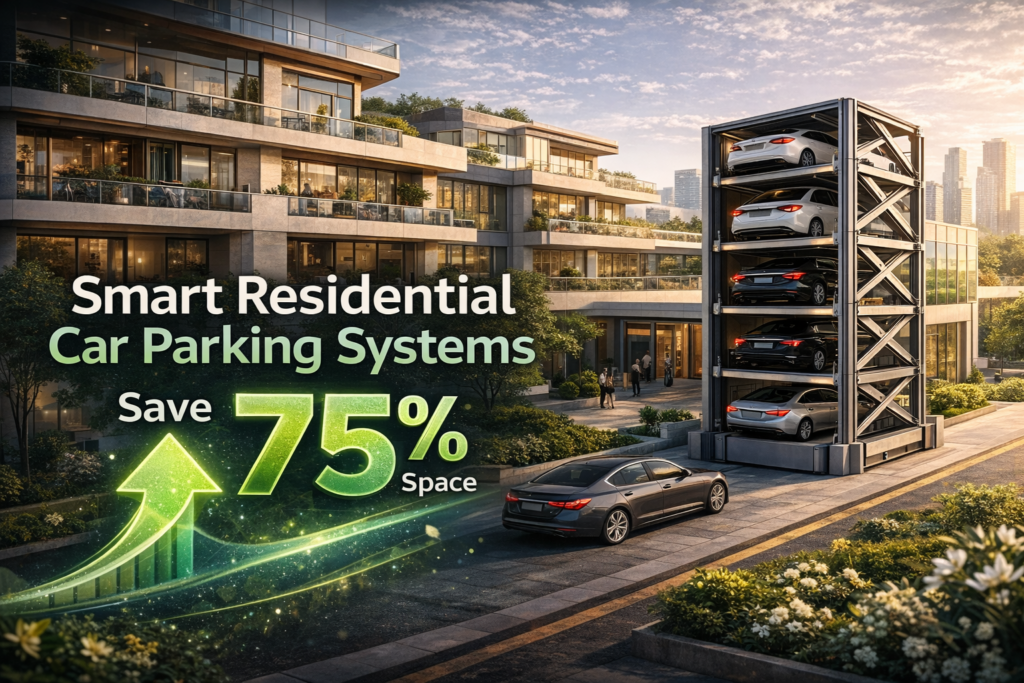
Automatic parking satisfies both needs without compromise. This dual advantage explains why Egyptian drivers prefer automatic parking across different contexts, not just luxury developments.
10. Generational Differences and Changing Expectations
Younger Egyptian drivers adapt to automatic parking almost instantly. They are accustomed to automation, apps, and guided systems. For them, automatic parking feels intuitive.
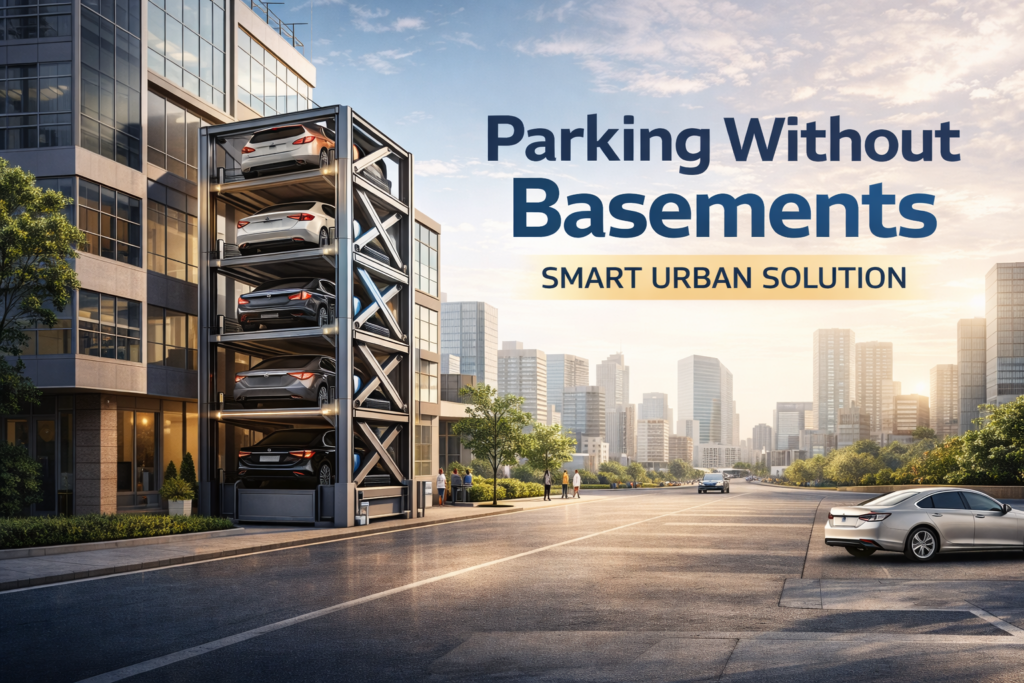
Older drivers may hesitate initially, but their hesitation fades quickly once they experience the reduction in stress. After a few uses, even skeptical users begin to rely on the system.
Ask yourself:
How often do people reject something that clearly makes their life easier—after trying it?
Preference grows across generations, driven by experience rather than explanation.
11. Security Concerns in Egyptian Urban Areas
Security is a major concern in many Egyptian cities, especially in dense or mixed-use areas. Traditional garages expose cars to multiple risks: theft, vandalism, and unauthorized access.
Automatic parking systems eliminate these risks by design. Cars are stored in controlled environments with no public access. This structural security resonates strongly with Egyptian drivers.
For many users, this alone justifies preference. The question becomes not “why automatic parking,” but “why accept less?”
12. Automatic Parking as a Stress-Reduction Tool
Stress is cumulative. Egyptian drivers deal with traffic, noise, unpredictability, and time pressure daily. Parking should not add to this burden.
Automatic parking removes decision-making at the most stressful moment of the journey. You stop, exit, and leave. There is no second-guessing, no adjustment, no anxiety.
This psychological relief is one of the strongest—but least discussed—reasons why Egyptian drivers prefer automatic parking.
Real Project Observations: What Drivers Say After First Use
One of the most telling moments in any automatic parking project is not the launch day—it is the second and third week of operation. This is when real opinions surface, after curiosity fades and routine begins. In multiple projects, Egyptian drivers expressed the same reaction: surprise at how quickly they stopped thinking about parking altogether.
Ask yourself this question:
When was the last time a system worked so smoothly that you forgot it existed?
This reaction is consistent. Drivers initially approach automatic parking cautiously, but after a few uses, they begin to trust it instinctively. That transition from awareness to reliance explains why preference strengthens over time instead of fading.
14. What Surprises Egyptian Drivers the Most
Interestingly, the biggest surprise for Egyptian drivers is not technology—it is calm. Many expect automatic parking to be complicated or slow. Instead, they experience silence, order, and predictability.
The absence of noise, honking, and negotiation changes the emotional tone of arrival. Drivers often report feeling less tense before entering buildings with automatic parking. This emotional shift is subtle but powerful.
Ask yourself:
How often does parking improve your mood instead of worsening it?
This unexpected calm reinforces why Egyptian drivers prefer automatic parking once they experience it firsthand.
15. When Preference Turns into Expectation
Over time, preference evolves into expectation. Drivers who regularly use automatic parking begin to feel frustrated when returning to manual garages. What once seemed normal—tight turns, unclear spaces, and shared risk—starts to feel outdated.
This shift mirrors what happened with elevators replacing stairs or ATMs replacing bank counters. Convenience resets standards.
For Egyptian drivers, automatic parking increasingly feels like a baseline feature rather than a premium one. And once expectations change, going backward becomes difficult.
16. The Role of Building Management in Reinforcing Preference
Automatic parking does not operate in isolation. Building management plays a critical role in shaping user perception. Clear signage, responsive support, and consistent system uptime reinforce trust.
In projects where management invested in proper communication, Egyptian drivers embraced automatic parking faster. Where explanation was poor, hesitation lasted longer—but still faded with use.
Ask yourself:
Is resistance really about technology—or about how it’s introduced?
In most cases, it’s the second.
17. Addressing the Limitations Honestly
No solution is perfect, and Egyptian drivers are practical enough to recognize this. Automatic parking systems require maintenance, power stability, and proper management. Downtime, even if rare, affects perception.
However, when systems are designed and maintained correctly, these limitations are manageable. Transparency matters. Drivers are more accepting of occasional issues when they trust the overall system.
Honest communication strengthens credibility—and credibility strengthens preference.
18. Why Automatic Parking Fits Egypt’s Urban Future
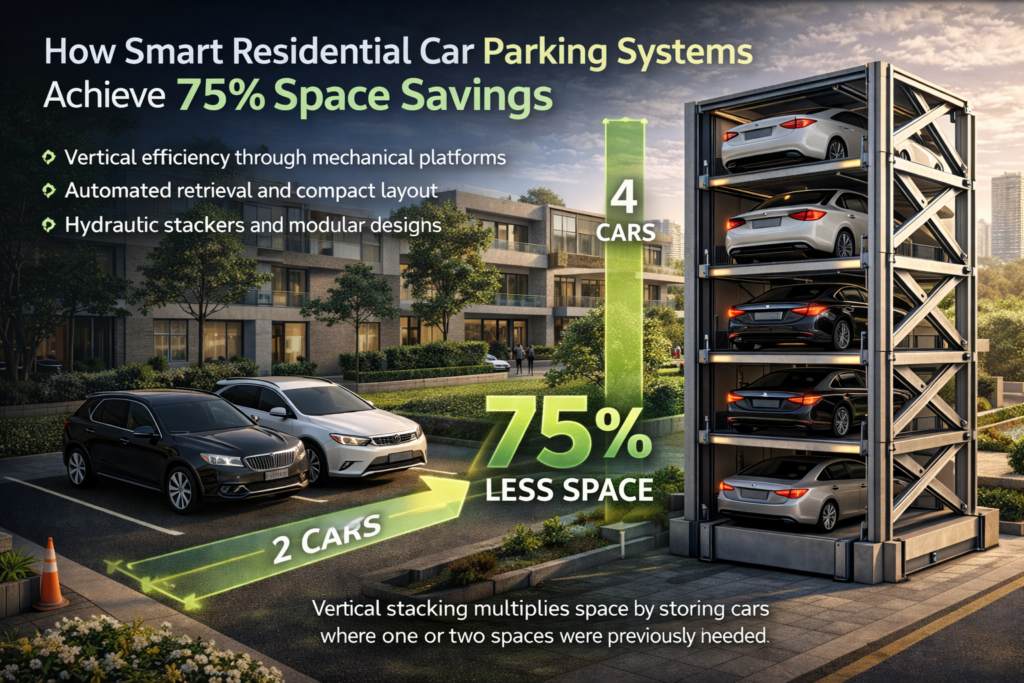
Egyptian cities are growing denser, not wider. Land values are rising, and space is becoming more precious. In this context, automatic parking aligns naturally with future needs.
Drivers intuitively understand this reality. They may not use technical language, but they feel the pressure of space daily. Automatic parking offers relief without demanding behavior change.
This alignment with lived reality explains why Egyptian drivers prefer automatic parking—not as a trend, but as a solution.
19. A Final Question for the Reader
Before we conclude, let’s bring the conversation back to you.
If you could remove just one stressful moment from your daily driving routine, would it be:
- Traffic itself
- Or the moment you arrive and can’t stop?
For many Egyptian drivers, the answer is clear—and automatic parking addresses exactly that moment.
Conclusion: Preference Built on Experience, Not Marketing
Egyptian drivers do not prefer automatic parking because it is modern or impressive. They prefer it because it solves real problems they face every day. It removes uncertainty, reduces stress, improves safety, and restores control at the most frustrating point of the journey.
The preference is not theoretical. It is earned through repetition, trust, and lived experience. As cities evolve and expectations rise, automatic parking is no longer a novelty—it is becoming a natural extension of urban life in Egypt.
And once drivers experience that difference, preference becomes permanent.
References :
- SAWA Parking – Automatic & Smart Parking Systems
https://sawaparking.com/
Primary reference based on real project execution and observed user behavior in Egyptian developments. - Mechanical Parking Systems: Design, Safety, and Applications
Heinz-Jürgen Ahrens – Springer
https://link.springer.com/book/10.1007/978-3-662-55831-5 - Parking Design: A Manual for Architects and Engineers
Albert W. Steiss – Wiley
https://www.wiley.com/en-us/Parking+Design%3A+A+Manual+for+Architects+and+Engineers-p-9780471297102 - The High Cost of Free Parking
Donald Shoup – Routledge
https://www.routledge.com/The-High-Cost-of-Free-Parking/Shoup/p/book/9781138497923