


Introduction: From Optional Feature to Urban Requirement
For many years, automatic parking has been discussed as a premium feature—something associated with luxury buildings or high-end developments. But today, that perception is quietly changing. Cities are growing denser, land is becoming more expensive, and traditional parking solutions are reaching their limits.
This raises a critical question:
When will automatic parking become mandatory rather than optional?
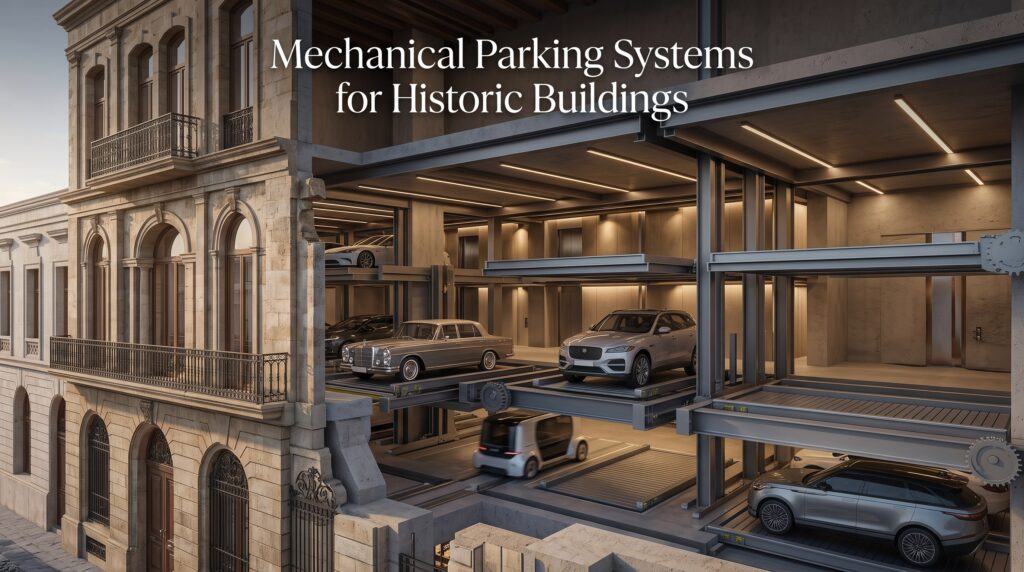
The answer is not tied to a single date or law. Instead, it emerges from a combination of pressure points—urban density, regulation, economics, and user expectations. Automatic parking is not becoming mandatory because governments suddenly love technology. It is becoming unavoidable because old solutions no longer work.
1. Urban Density Is Forcing the Question
Let’s start with the most obvious factor: space.
Cities are not expanding horizontally at the same rate as population growth. In many urban centers, every square meter carries financial weight. Traditional parking consumes too much space for too little return. Ramps, circulation, and safety clearances waste valuable volume.
Ask yourself this:
How long can cities afford to dedicate 40% of parking structures to movement instead of storage?
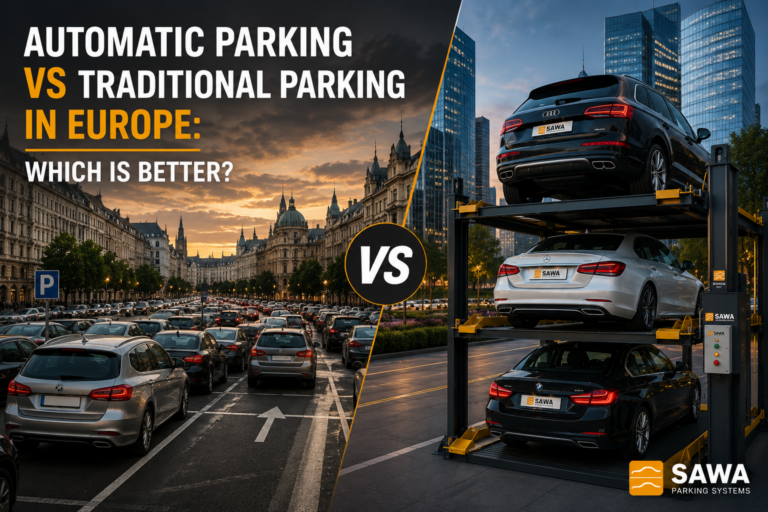
Automatic parking compresses parking into smaller footprints. This efficiency turns parking from a liability into a manageable infrastructure component. As density increases, the question shifts from “should we use automatic parking?” to “how can we avoid it?”
2. Regulations Often Follow Reality, Not Innovation
Many people assume that new technologies become mandatory through legislation first. In reality, the opposite usually happens. Regulations tend to follow practical necessity.
Fire codes, zoning laws, and parking ratios evolve when existing standards fail to serve real conditions. Automatic parking is beginning to appear in regulatory discussions not because it is new—but because it solves problems current regulations cannot.
Ask yourself:
Why would regulators insist on outdated parking standards when better solutions exist?
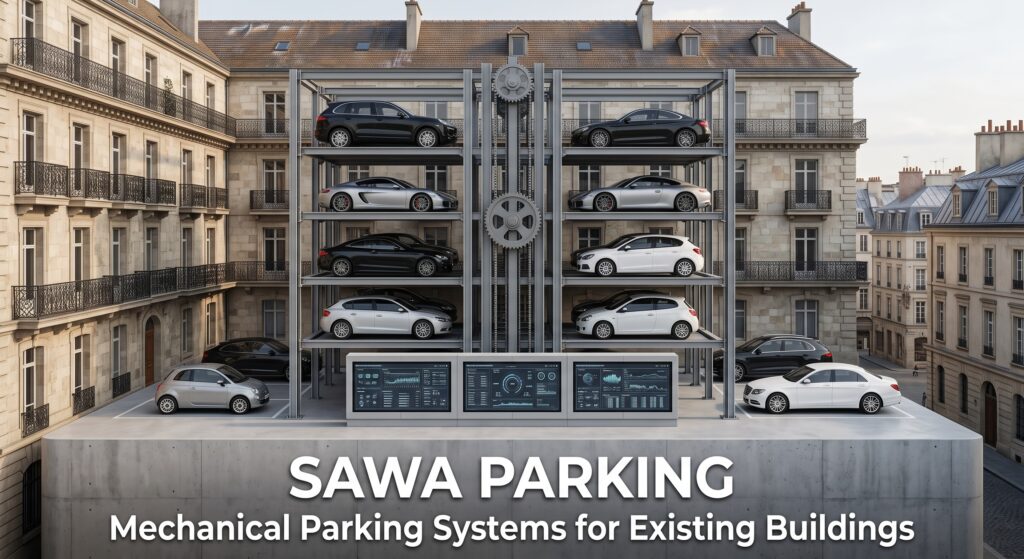
When traditional parking layouts cannot meet required ratios without excessive excavation or cost, regulators start accepting—and eventually favoring—automated solutions.
3. Environmental Pressure Is Changing the Rules
Environmental impact is no longer a secondary concern. Construction volume, excavation depth, and material usage are under scrutiny. Traditional parking structures demand massive amounts of concrete and land disturbance.
Automatic parking reduces excavation, structural volume, and material consumption per parking space. This aligns directly with sustainability goals.
Here’s a question worth asking:
If two solutions meet the same parking demand, why would cities approve the more wasteful one?
Environmental policy is slowly but steadily pushing automatic parking from “alternative” to “preferred”—and preference is often the first step toward mandate.
4. Economic Reality for Developers
From a developer’s perspective, mandates rarely feel ideological—they feel financial.
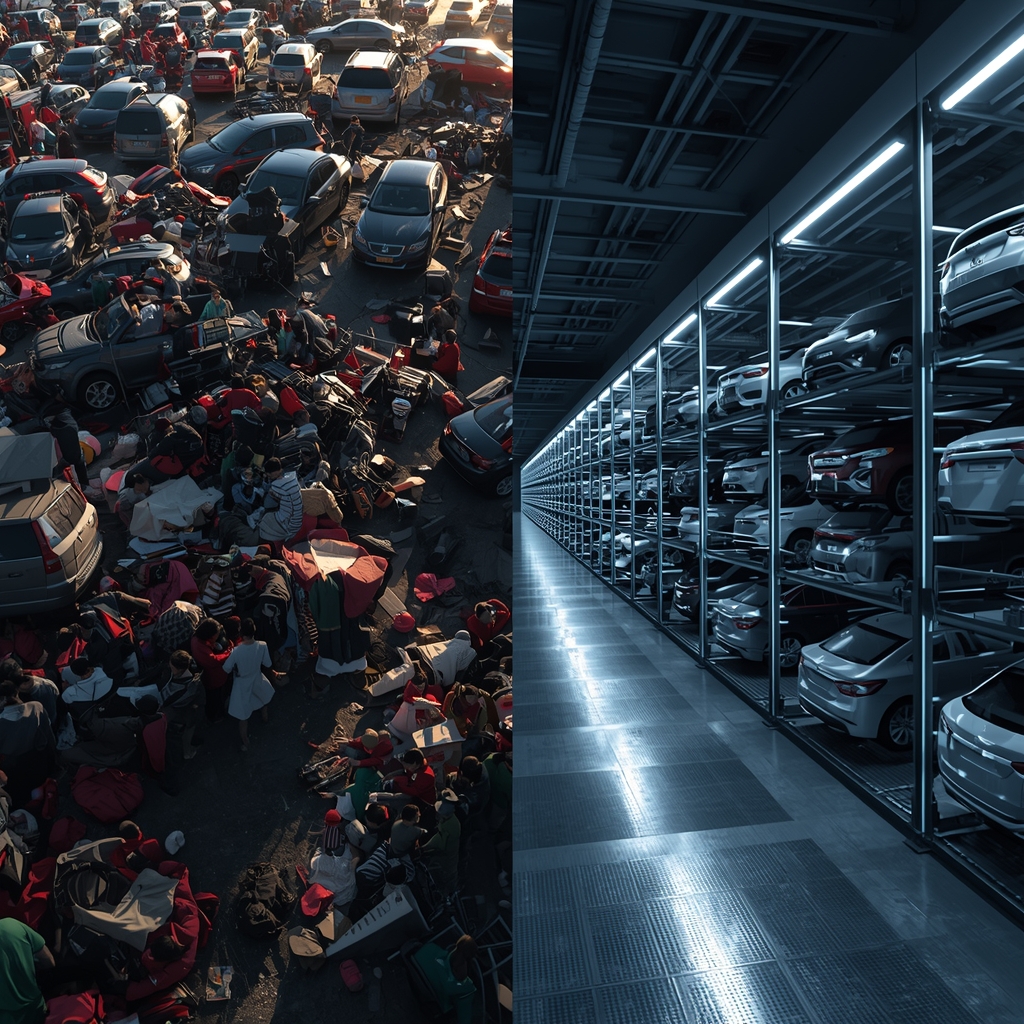
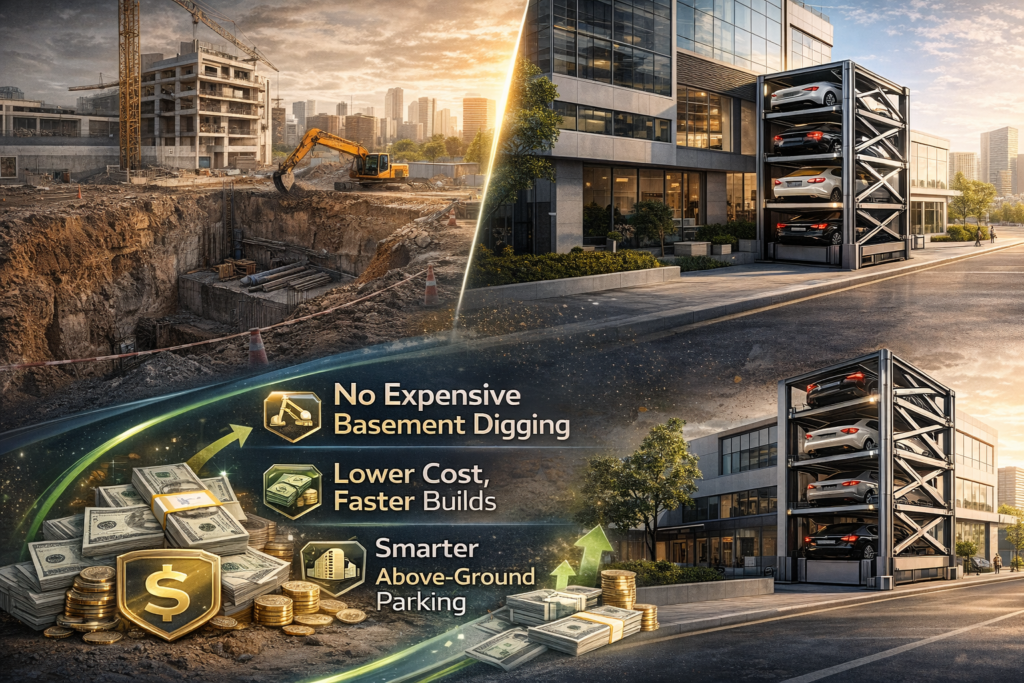
Traditional parking becomes economically unviable in dense developments. Costs rise while usable area shrinks. Automatic parking often delivers higher parking capacity with less structural burden.
Ask yourself:
If a project cannot meet parking requirements without destroying its financial model, what option remains?
In many cases, automatic parking becomes the only feasible solution. At that point, whether it is “mandatory” or not becomes irrelevant—it is simply necessary.
5. User Expectations Are Rising Faster Than Laws
Interestingly, user behavior often changes before regulation.
Drivers who experience automatic parking begin to expect it. They compare buildings, offices, and residential projects based on parking experience. Manual garages start to feel outdated.
Ask yourself:
How long can developers ignore user expectations before losing competitiveness?
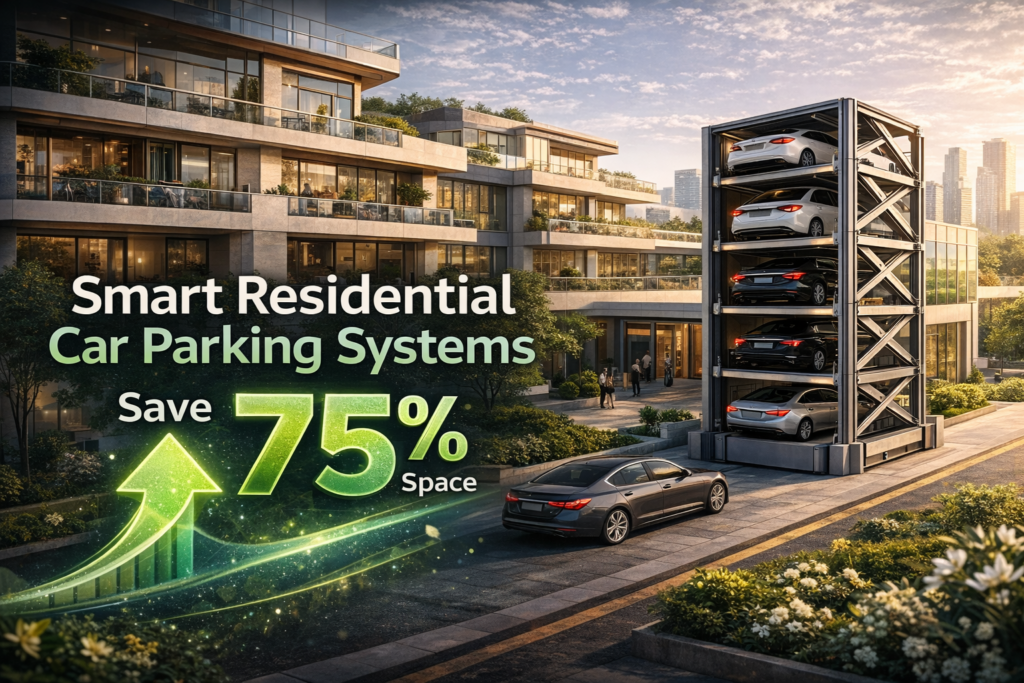
When the market demands a feature consistently, mandates often follow. Automatic parking is approaching this threshold in many urban contexts.
6. Safety and Liability Are Becoming Central Concerns
Manual parking introduces risk—human error, collisions, and damage. As liability standards rise, these risks become costly.
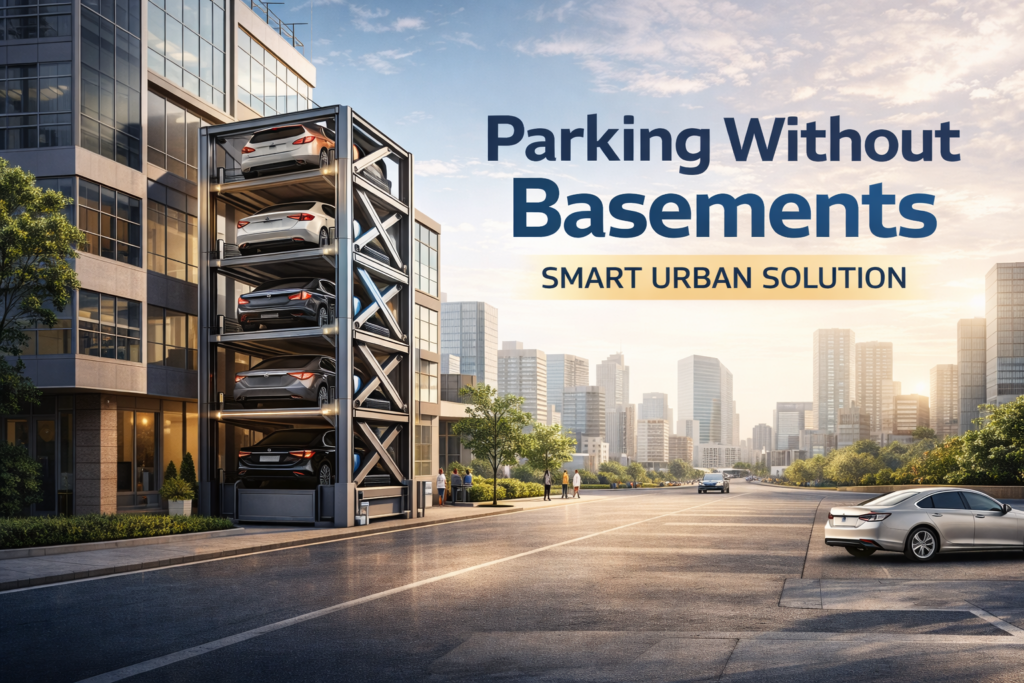
Automatic parking systems reduce incidents dramatically by removing human driving from confined spaces. From an insurance and liability standpoint, this matters.
Ask yourself:
At what point does reduced risk become a regulatory argument?
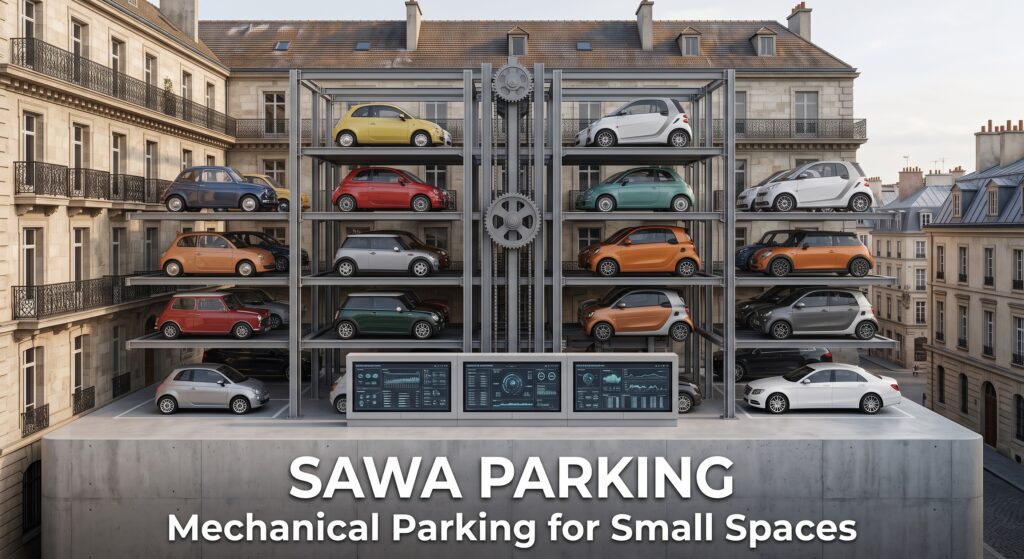
Safety improvements often lead directly to new standards—and standards eventually become requirements.
The idea of automatic parking becoming mandatory does not usually start inside government offices. It starts quietly on the street. When cities notice that congestion is no longer caused only by traffic volume but by parking behavior, attention shifts. Officials begin to realize that regulating movement without regulating arrival is incomplete. At this stage, automatic parking stops being seen as a technical option and starts being viewed as an urban management tool. The question slowly changes from “Is automatic parking allowed?” to “Why are we still approving projects that worsen street congestion?” This shift in mindset is often the first real step toward mandatory adoption.
International experience shows a clear pattern. Automatic parking rarely becomes mandatory overnight. Instead, cities introduce incentives, exceptions, and flexible codes that favor automated solutions. Developers are allowed to meet parking ratios only through automation in constrained sites. Over time, what was once an exception becomes the norm. Ask yourself: how many building standards today were once considered optional luxuries? Elevators, fire systems, and accessibility features followed the same path. Automatic parking is moving along a similar trajectory, driven not by trend, but by necessity.
Another critical driver is public safety and liability. As cities become more legally complex, responsibility for accidents, damage, and operational failures increases. Manual parking garages expose users and operators to continuous risk. Cars move in tight spaces, pedestrians cross circulation paths, and human error becomes unavoidable. Automatic parking reduces these risks structurally, not procedurally. When regulators compare incident data over time, the argument becomes difficult to ignore. At some point, the question stops being whether automatic parking is better, and becomes why higher-risk systems are still acceptable.
Economic pressure accelerates this transition even further. Traditional parking structures are expensive, inefficient, and increasingly incompatible with high-density development. Excavation depth increases, structural spans grow, and valuable square meters are lost to ramps and circulation. Automatic parking changes the equation entirely. It allows developers to meet requirements without sacrificing sellable area. Over time, regulators recognize that insisting on manual parking in dense environments indirectly discourages development or inflates housing costs. Automatic parking becomes not just a technical solution, but an economic stabilizer.
User expectations quietly reinforce all of this. Drivers who experience automatic parking begin to see manual parking as outdated. They ask why they should accept stress, uncertainty, and risk when better solutions exist. This behavioral shift matters more than it appears. When users complain about parking quality, not just availability, pressure builds on developers and municipalities alike. Eventually, regulations respond to protect users from outdated infrastructure, just as they have in other building systems.
At this point, it becomes clear that “mandatory” does not necessarily mean legally forced in every context. In many cases, automatic parking becomes mandatory by default. Projects simply cannot meet regulations, budgets, or user expectations without it. Developers adopt it not because they are required to, but because there is no rational alternative. This is often how the most effective mandates emerge—through inevitability rather than enforcement.
So when will automatic parking become mandatory? The honest answer is that in many dense urban environments, it already is. Not on paper, but in practice. The combination of space constraints, economic logic, safety expectations, and user behavior leaves little room for traditional solutions. Automatic parking becomes the only system capable of meeting modern demands without compromise.
If you think about it this way, the more relevant question is not when laws will change, but how long cities and developers can continue pretending that parking problems can be solved with yesterday’s tools. History suggests the answer is: not much longer.
As automatic parking continues to spread, one pattern becomes impossible to ignore: cities do not adopt it because they want to experiment, but because traditional parking systems stop delivering acceptable outcomes. Congestion near destinations increases, construction costs rise, and public dissatisfaction grows. At this stage, regulators begin to act defensively, not innovatively. They search for solutions that already exist and have proven results. Automatic parking fits this role perfectly because it does not require behavioral change from users, only structural change in how cars are stored.
Another important factor pushing automatic parking toward mandatory status is data. Modern cities increasingly rely on measurable performance indicators—traffic flow, incident rates, land efficiency, and environmental impact. Automatic parking performs better across many of these metrics, especially in dense areas. Once performance data becomes part of regulatory decision-making, older systems struggle to justify their continued approval. At that point, mandates are no longer ideological; they are evidence-based.
Private sector pressure also plays a quiet but decisive role. Large developers, operators, and institutional investors prefer predictable systems. They want parking solutions that reduce complaints, liability, and operational uncertainty. As more large projects adopt automatic parking voluntarily, it becomes the industry baseline. Regulators rarely force markets to move against themselves. Instead, they codify what the market has already accepted. This is often how optional systems become standard practice.

Over time, the definition of “acceptable parking” evolves. What was once considered advanced becomes expected, and what was once acceptable becomes outdated. Automatic parking is entering this phase now. In many cities, approving large developments with inefficient manual parking increasingly feels irresponsible rather than conservative. The system itself does not need to be mandated explicitly—its alternatives simply lose credibility.
From a long-term perspective, mandatory adoption rarely arrives as a single announcement. It arrives as a series of small decisions: zoning flexibility for automated systems, stricter efficiency requirements, environmental conditions, and safety expectations. Each step narrows the space for manual solutions until automatic parking becomes the default option.
So when will automatic parking become mandatory? The most accurate answer is that it becomes mandatory when cities can no longer afford the consequences of ignoring it. In some places, that moment has already arrived. In others, it is approaching faster than regulations can keep up. The shift is not about technology—it is about survival within limited urban space.
Automatic parking does not replace urban planning, public transport, or smart mobility strategies. But without it, those strategies remain incomplete. As cities continue to densify and expectations rise, automatic parking moves from innovation to infrastructure—and infrastructure, eventually, is always regulated.
Conclusion
Automatic parking is becoming mandatory not because laws suddenly demand it, but because reality does. Urban density, economic pressure, safety concerns, environmental responsibility, and user expectations all point in the same direction. Traditional parking systems are no longer capable of supporting modern cities without creating additional problems.
In this context, automatic parking represents a structural correction rather than a technological upgrade. Its transition from optional feature to unavoidable requirement follows the same path as many systems before it. What starts as a solution for special cases gradually becomes the only solution that makes sense.
The real question is no longer if automatic parking will become mandatory, but where it already has—and who will adapt in time.
References & Further Reading
- SAWA Parking – Automatic & Smart Parking Systems
https://sawaparking.com/
Primary reference based on real project execution, system integration, and long-term operational experience. - Mechanical Parking Systems: Design, Safety, and Applications
Heinz-Jürgen Ahrens – Springer
https://link.springer.com/book/10.1007/978-3-662-55831-5 - Parking Structures: Planning, Design, Construction, Maintenance, and Repair
Mary S. Smith & William J. Dunn – Springer
https://link.springer.com/book/10.1007/978-3-319-06179-2 - The High Cost of Free Parking
Donald Shoup – Routledge
https://www.routledge.com/The-High-Cost-of-Free-Parking/Shoup/p/book/9781138497923