



Automatic Parking as a Value Multiplier, Not a Utility
For decades, parking has been treated as a technical requirement—something a property must provide, not something that adds measurable value. But this perception is changing rapidly. In modern real estate markets, parking quality influences pricing, demand, and long-term asset performance.
This shift explains why automatic parking increases property value in ways that traditional parking never could. The impact is not limited to aesthetics or convenience. It affects land efficiency, unit pricing, operational cost, and buyer perception simultaneously.
Ask yourself this question:
If two properties offer the same location and design, but one solves parking better, which one feels more valuable?
1. Land Efficiency as the First Source of Value
Land is the most expensive component of any real estate project. When parking consumes excessive space, it directly reduces sellable or rentable area. Traditional parking structures waste significant volume on ramps, circulation, and safety clearances.
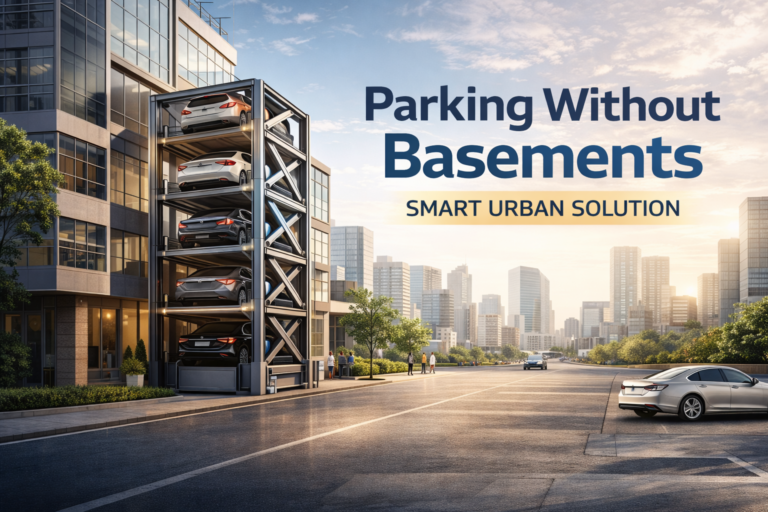
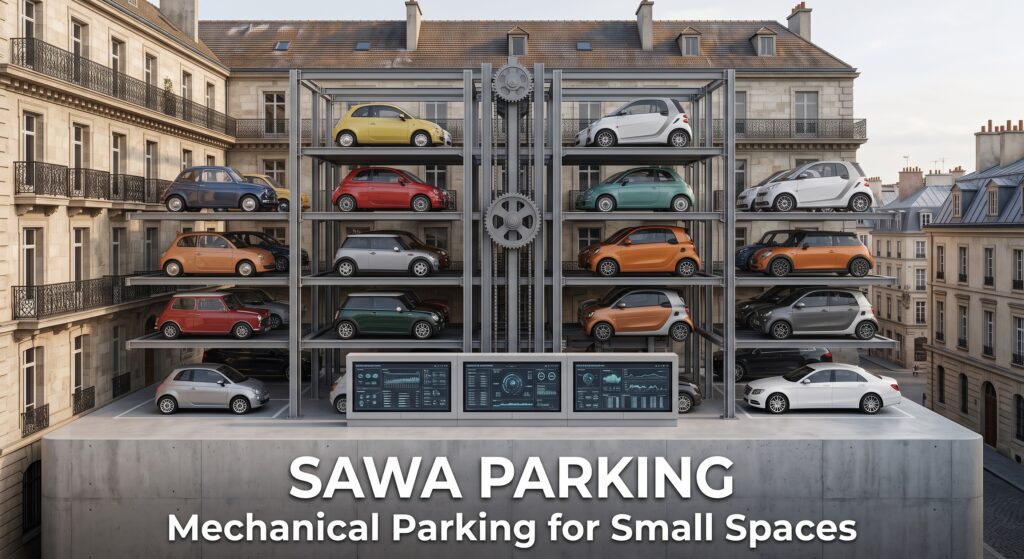
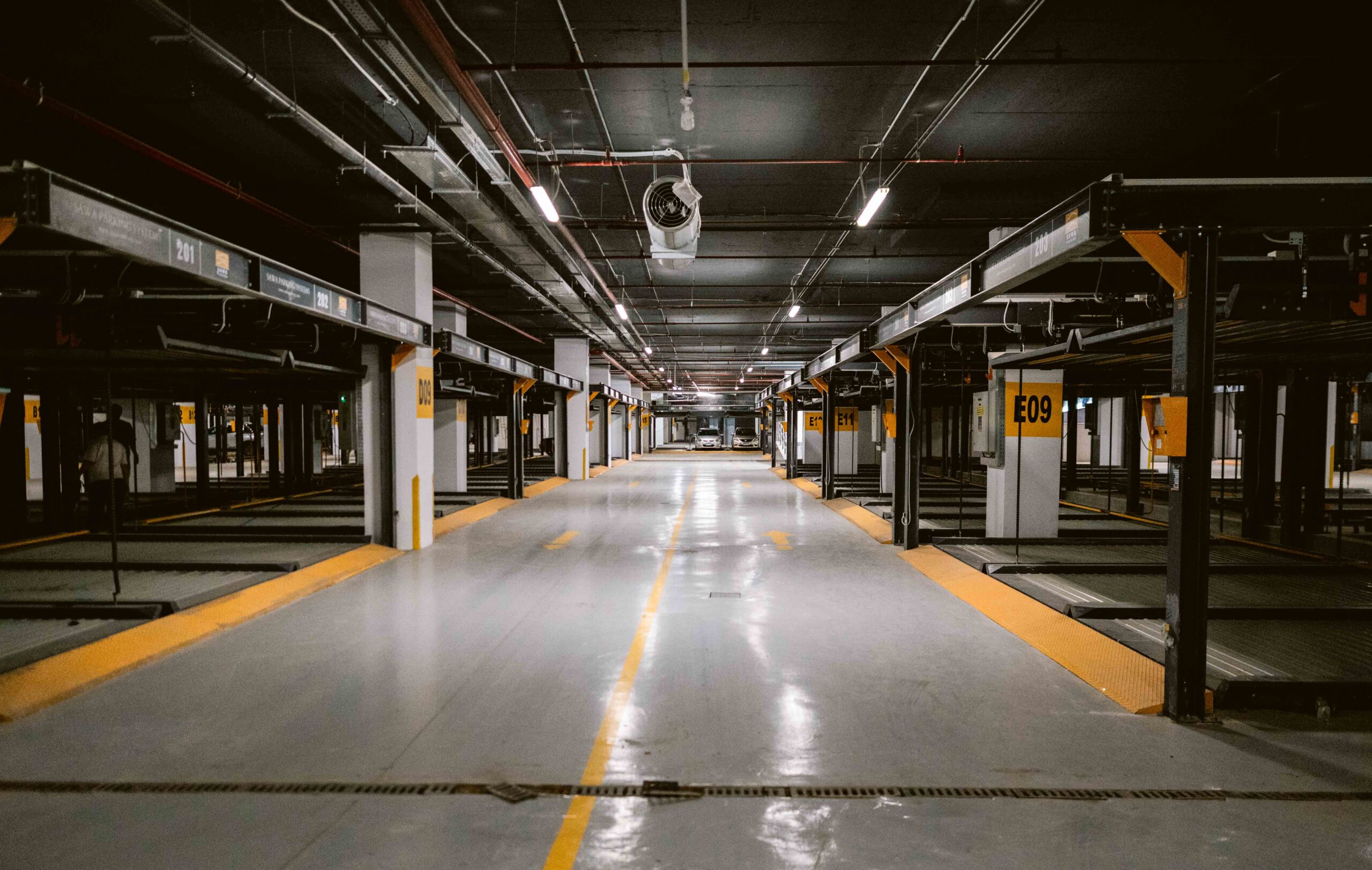
Automatic parking systems compress parking into smaller footprints. By eliminating ramps and reducing circulation space, developers reclaim valuable square meters. This reclaimed space can be converted into additional units, amenities, or commercial areas.
This is the first and most tangible way automatic parking increases property value—by transforming wasted space into revenue-generating assets.
2. Higher Parking Ratios Without Expanding the Building
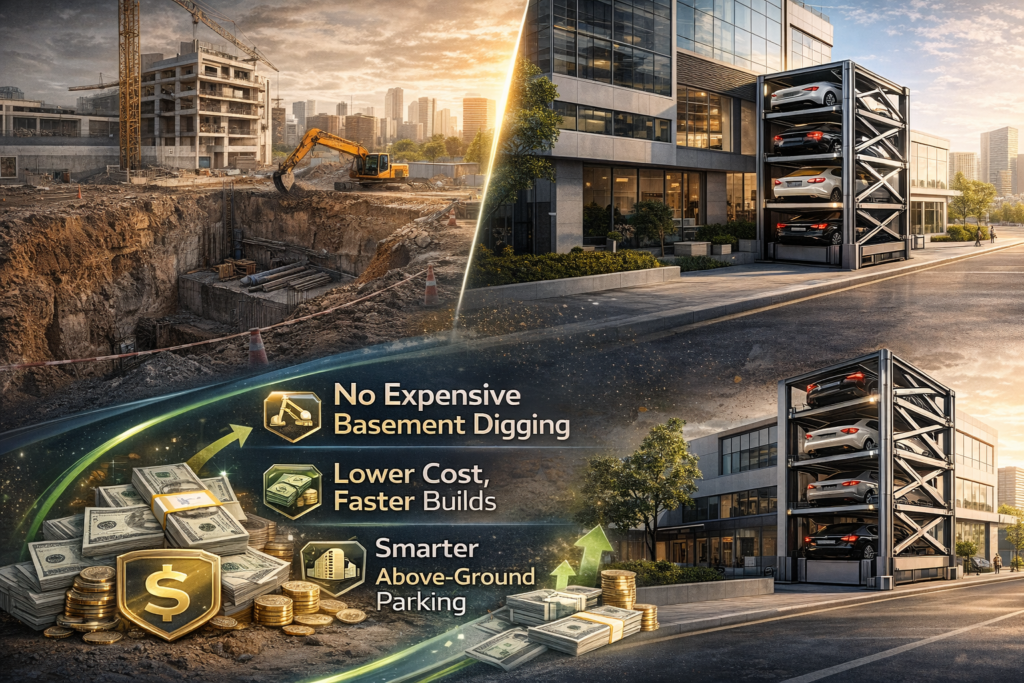
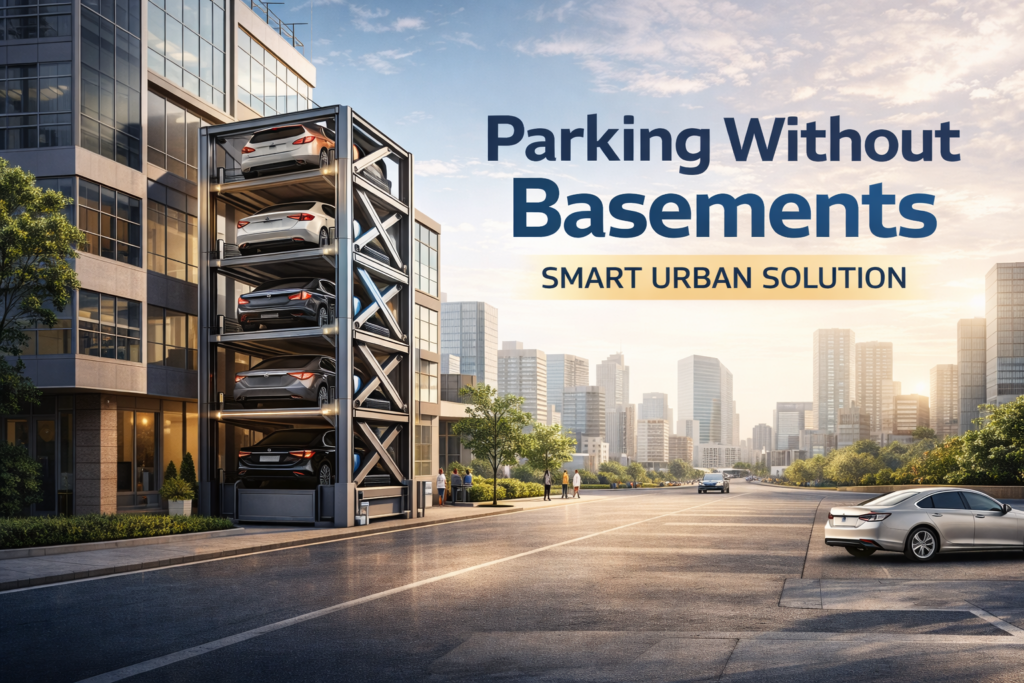
Parking ratios are often a limiting factor in development approval and marketability. In dense urban projects, meeting required ratios using manual parking can force deeper excavation or larger basements.
Automatic parking systems allow developers to achieve higher parking ratios within the same building envelope. This flexibility improves unit count, simplifies approvals, and strengthens project feasibility.
Ask yourself:
How much value is created when a project meets regulations without structural compromise?
In many cases, the answer is the difference between a viable project and a compromised one.
3. Buyer Perception and Willingness to Pay
Property value is not determined by cost alone—it is shaped by perception. Buyers and tenants increasingly associate automatic parking with quality, safety, and modern living.
Manual parking often feels stressful and outdated. Automatic parking feels organized and controlled. This emotional response influences decision-making, even when buyers cannot articulate it clearly.
Because automatic parking increases property value, properties that offer it often command higher prices or rent premiums—not because of technology alone, but because of perceived lifestyle improvement.
4. Reduced Operating and Maintenance Costs Over Time
Operating costs affect net property value, especially for investors. Manual parking requires lighting, ventilation, security patrols, and ongoing maintenance across large areas.
Automatic parking reduces operational footprint. Less lighting, limited ventilation zones, and reduced human activity lower long-term expenses. Predictable maintenance further stabilizes costs.
From an investment perspective, lower operating expenses translate directly into higher asset value. This financial logic is a key reason why automatic parking systems attract institutional investors.
5. Safety and Risk Reduction as Value Drivers
Risk impacts value more than many developers realize. Manual parking exposes properties to vehicle damage claims, personal injury incidents, and security issues.
Automatic parking removes most of these risks structurally. Cars are stored without human interaction, pedestrian access is controlled, and movement is automated.
Ask yourself:
How does reduced liability affect insurance costs and investor confidence?
By lowering risk, automatic parking increases property value through improved financial stability and reduced long-term exposure.
6. Differentiation in Competitive Real Estate Markets
In saturated markets, differentiation determines success. Properties compete not only on location and design, but on experience.
Automatic parking differentiates projects immediately. It signals innovation, efficiency, and forward-thinking design. This differentiation attracts attention, accelerates sales cycles, and strengthens brand positioning.
In competitive environments, even small advantages compound over time—and parking is one of the most underestimated differentiators.
Residential Properties: Why Homebuyers Value Automated Parking
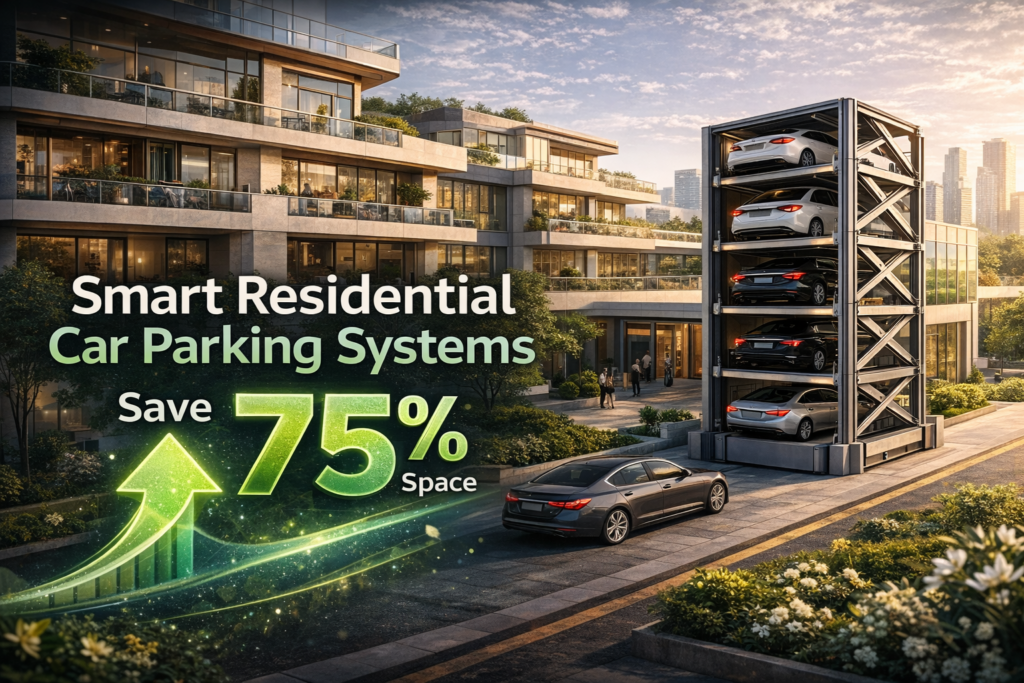
In residential real estate, value is closely tied to daily comfort rather than one-time impressions. Homebuyers evaluate how a building will fit into their routine, and parking plays a much larger role than many developers expect. Manual parking introduces daily friction—tight ramps, unclear spaces, and constant concern over scratches or blocked exits. Automatic parking removes these pain points entirely, transforming parking from a daily hassle into a background service. This improvement in everyday experience is a major reason why automatic parking increases property value in residential projects. Buyers may not always articulate it in technical terms, but they consistently respond to the sense of calm and control that automated parking provides.
Commercial Properties and the Link Between Parking and Revenue
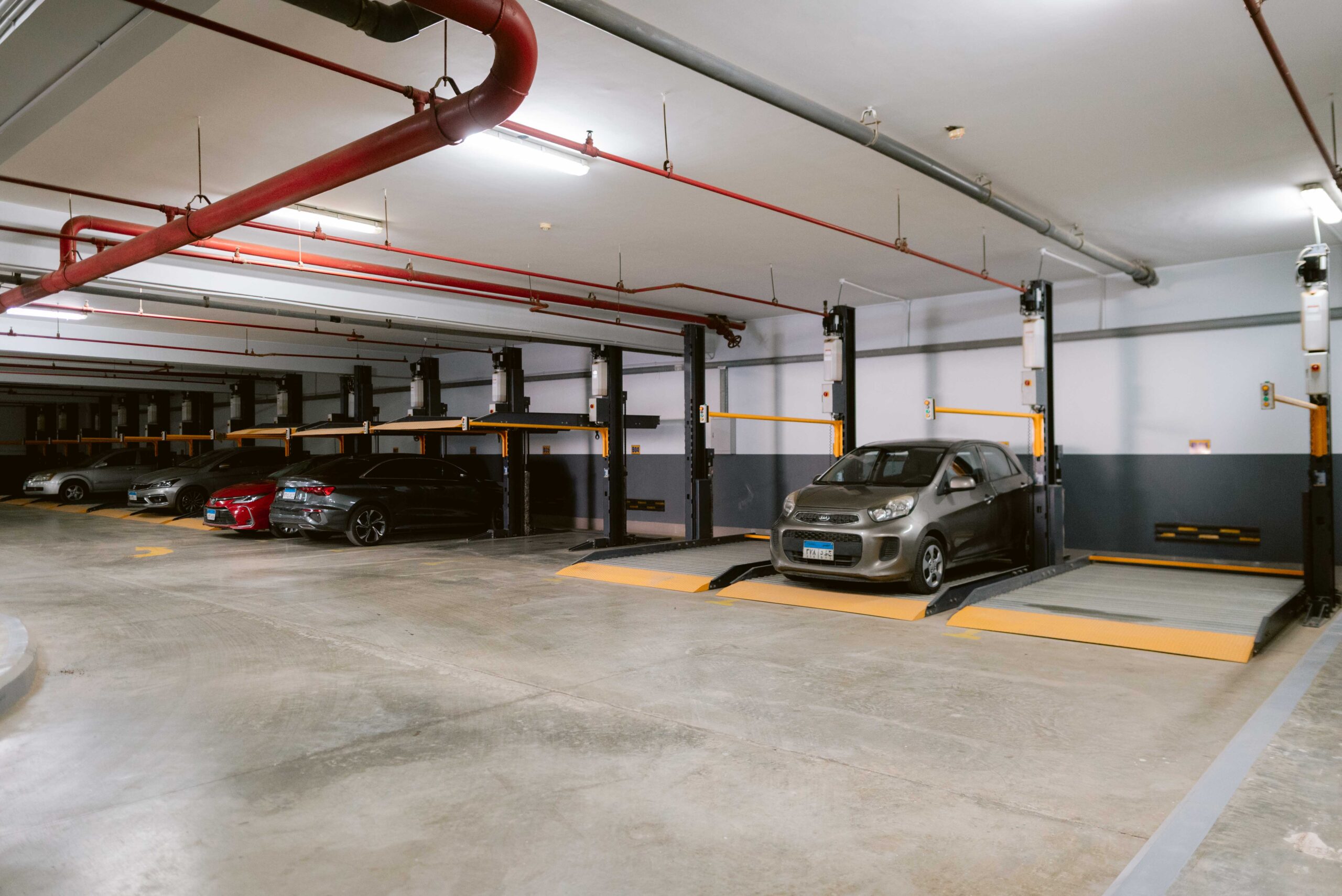
For commercial properties, parking quality directly affects revenue performance. Offices, malls, and mixed-use developments rely on smooth arrival and departure cycles. Manual parking slows turnover, creates congestion, and increases user frustration—especially during peak hours. Automatic parking streamlines access, reduces waiting times, and improves visitor flow. When customers or employees can park quickly and predictably, dwell time inside the property increases, which positively impacts commercial performance. This operational efficiency is a clear demonstration of how automatic parking increases property value by supporting revenue-generating activities rather than obstructing them.
Rental Yield and Long-Term Income Stability
Rental value is influenced not only by location and unit size, but by operational reliability. Tenants prefer buildings that reduce daily stress and uncertainty. Automatic parking contributes to this preference by offering consistent, predictable performance. Unlike manual garages, where usage quality deteriorates over time, automated systems maintain the same level of functionality year after year. This consistency stabilizes rental demand and reduces vacancy risk. From an investor’s perspective, stable demand translates into stable income, reinforcing the financial logic behind why automatic parking increases property value over the long term.
Resale Value and Market Liquidity
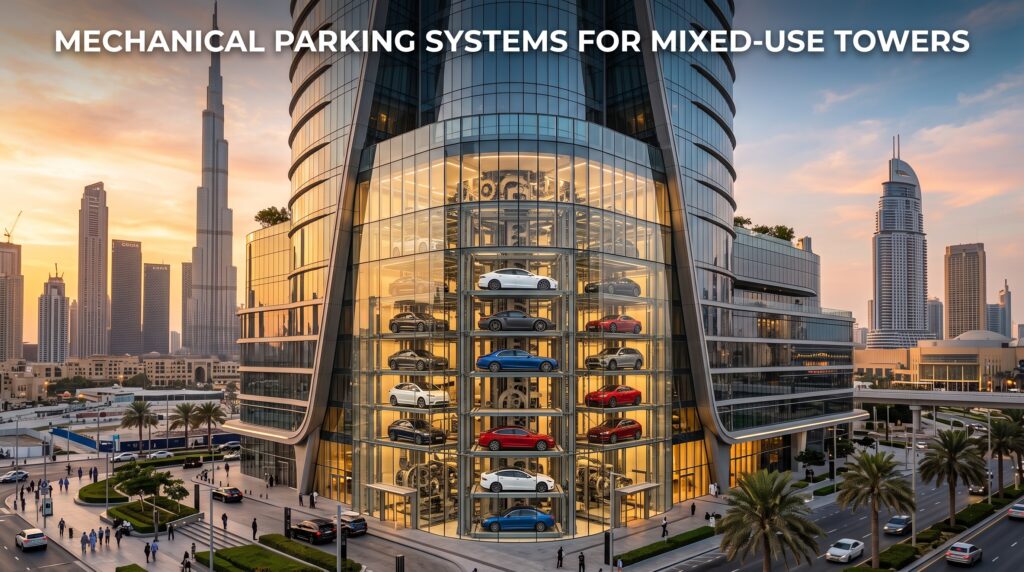
Properties that resell easily tend to hold higher value. Automatic parking enhances resale potential by future-proofing the asset. As cities grow denser and expectations rise, properties with outdated parking solutions become less attractive to buyers. Automated parking positions a building ahead of this curve. When resale time comes, the property does not need retrofitting or explanation—it already meets modern standards. This improved liquidity is another reason why automatic parking increases property value, particularly in competitive urban markets where buyers compare features aggressively.
Investor Perspective: Predictability Over Novelty
Institutional investors prioritize predictability. They value systems that reduce operational surprises, legal exposure, and long-term maintenance uncertainty. Automatic parking aligns with this mindset by offering controlled environments and standardized operation. Manual parking introduces too many variables—driver behavior, damage claims, and inconsistent usage patterns. Automated systems replace variability with structure. This predictability increases investor confidence, lowers risk premiums, and strengthens asset valuation. From an investment standpoint, automatic parking increases property value because it aligns with risk-managed asset strategies rather than speculative features.
Urban Density and the Scarcity Premium
As urban density increases, scarcity becomes a value multiplier. Parking spaces become more expensive to provide, and inefficient systems amplify this cost. Automatic parking allows developers to deliver more parking within limited space, effectively increasing supply without expanding land use. This efficiency creates a scarcity premium: properties that solve parking well stand out sharply from those that do not. In dense cities, this distinction can significantly influence pricing. Once again, automatic parking increases property value by responding directly to the pressures of limited urban space.
Brand Perception and Project Positioning
Beyond numbers and efficiency, automatic parking contributes to brand positioning. Properties equipped with automated systems are perceived as modern, well-planned, and future-oriented. This perception affects how projects are marketed and remembered. Strong brand positioning accelerates sales, attracts higher-quality tenants, and supports premium pricing. Parking may seem like a backend feature, but its impact on brand identity is real. This intangible advantage further explains why automatic parking increases property value beyond measurable square meters.
Conclusion: Parking as an Active Value Driver
Automatic parking changes the role of parking in real estate from a passive requirement into an active value driver. It improves land efficiency, enhances user experience, reduces risk, and stabilizes long-term income. These factors combine to influence both perception and performance. As real estate markets evolve, properties that treat parking as strategic infrastructure consistently outperform those that treat it as a checkbox. For developers, investors, and end users alike, the conclusion is clear: automatic parking increases property value not by adding complexity, but by removing friction where it matters most.
References & Academic Sources
- SAWA Parking – Smart & Automatic Parking Solutions
https://sawaparking.com/
Primary reference based on real project implementation, property impact analysis, and parking system integration within residential and commercial developments. - Pojani, D., & Stead, D. (2018). Sustainable Urban Transport Planning
Springer
https://link.springer.com/book/10.1007/978-3-319-51826-5
Examines how transport and parking infrastructure influence urban value, land efficiency, and real estate performance. - Litman, T. (2021). Parking Management Best Practices
Victoria Transport Policy Institute
https://www.vtpi.org/park_man.pdf
Provides economic and operational analysis of parking efficiency and its impact on property value and urban development. - Shoup, D. (2017). Parking and the City
Routledge
https://www.routledge.com/Parking-and-the-City/Shoup/p/book/9781138825863
Academic exploration of parking systems as value drivers in real estate and urban economics.