


Automatic Parking as an Income Engine, Not a Cost Center
For decades, parking has been treated as a necessary expense—something developers were forced to build to meet regulations rather than something that could actively contribute to revenue. This mindset is no longer accurate. In modern developments, parking is increasingly evaluated as a financial component with direct and indirect income potential.
This shift explains how automatic parking generates revenue in ways traditional parking never could. Automation transforms parking from a static requirement into a dynamic asset that supports business performance, asset valuation, and long-term financial sustainability. To understand this transformation, we must look beyond parking fees and examine how automated systems change economic behavior across an entire property.
Automatic Parking : Increasing Usable Floor Area Without Expanding the Site
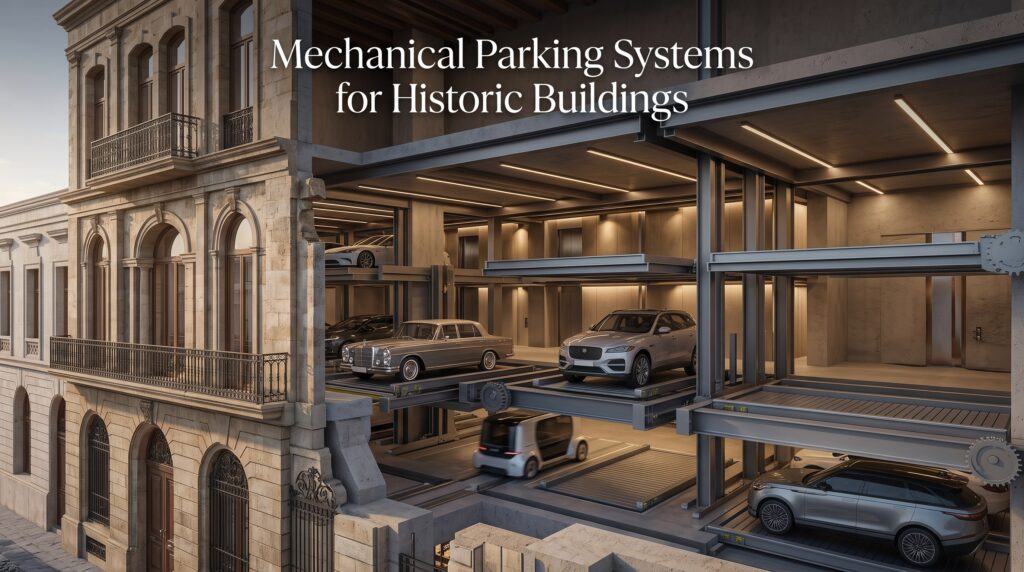
One of the most direct ways automatic parking generates revenue is by increasing usable floor area. Traditional parking consumes a large portion of a building’s volume through ramps, circulation, and clearance requirements. This space produces no income.
Automatic parking compresses parking into smaller footprints. The space saved can be converted into retail units, offices, residential apartments, or amenities. Each square meter recovered becomes a revenue-generating asset.
Ask yourself this question:
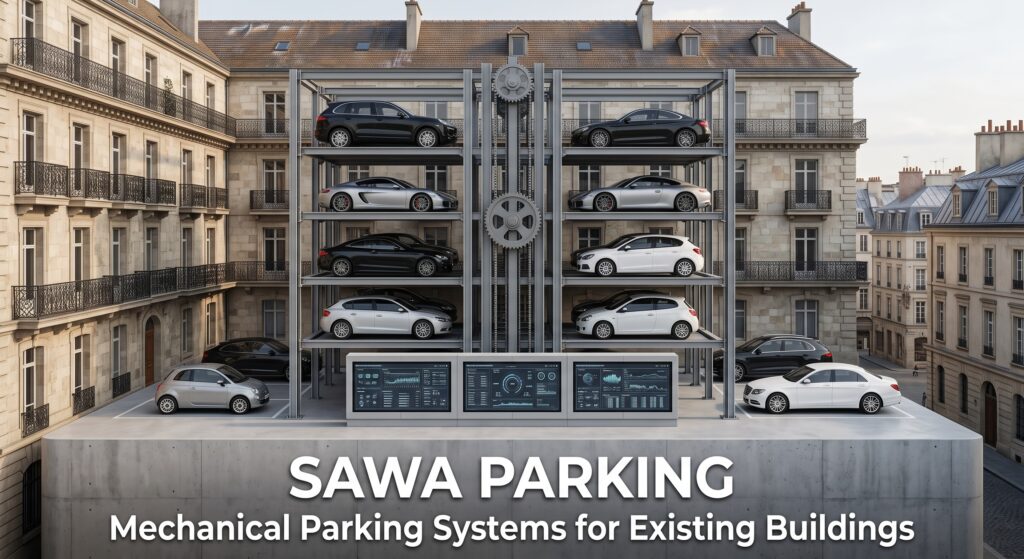
What is the financial value of space that no longer needs to be sacrificed for parking movement? In many projects, the additional sellable or rentable area alone justifies the investment in automation.
Higher Parking Capacity Creates Monetization Opportunities
Automatic parking systems often accommodate significantly more vehicles within the same volume. This increased capacity allows properties to monetize parking directly through subscriptions, visitor fees, or bundled services.
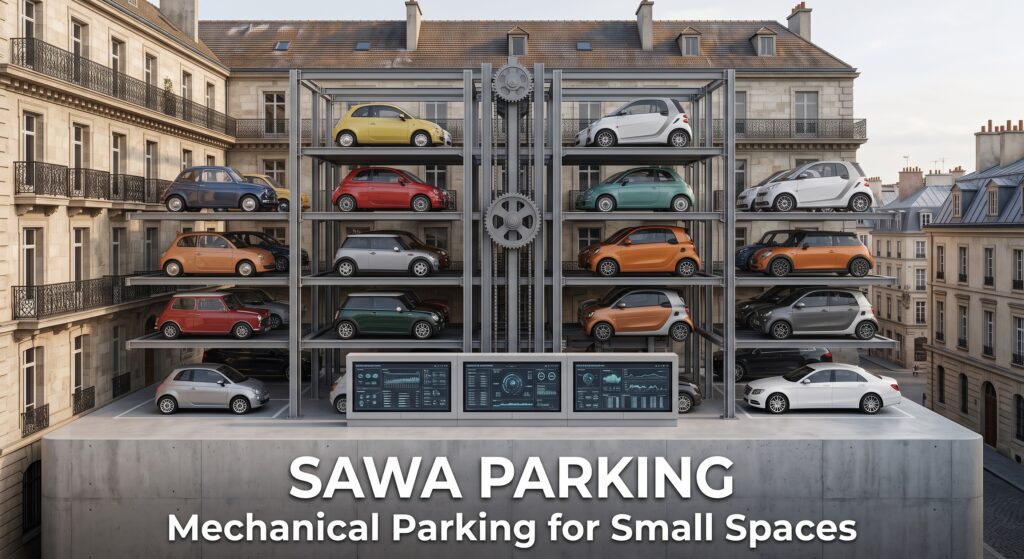
In commercial environments, higher capacity enables longer dwell times and higher visitor turnover. In residential or mixed-use developments, surplus parking can be leased or sold separately. This is a clear example of how automatic parking generates revenue by turning capacity efficiency into a financial lever rather than a spatial constraint.
Faster Turnover Improves Commercial Performance
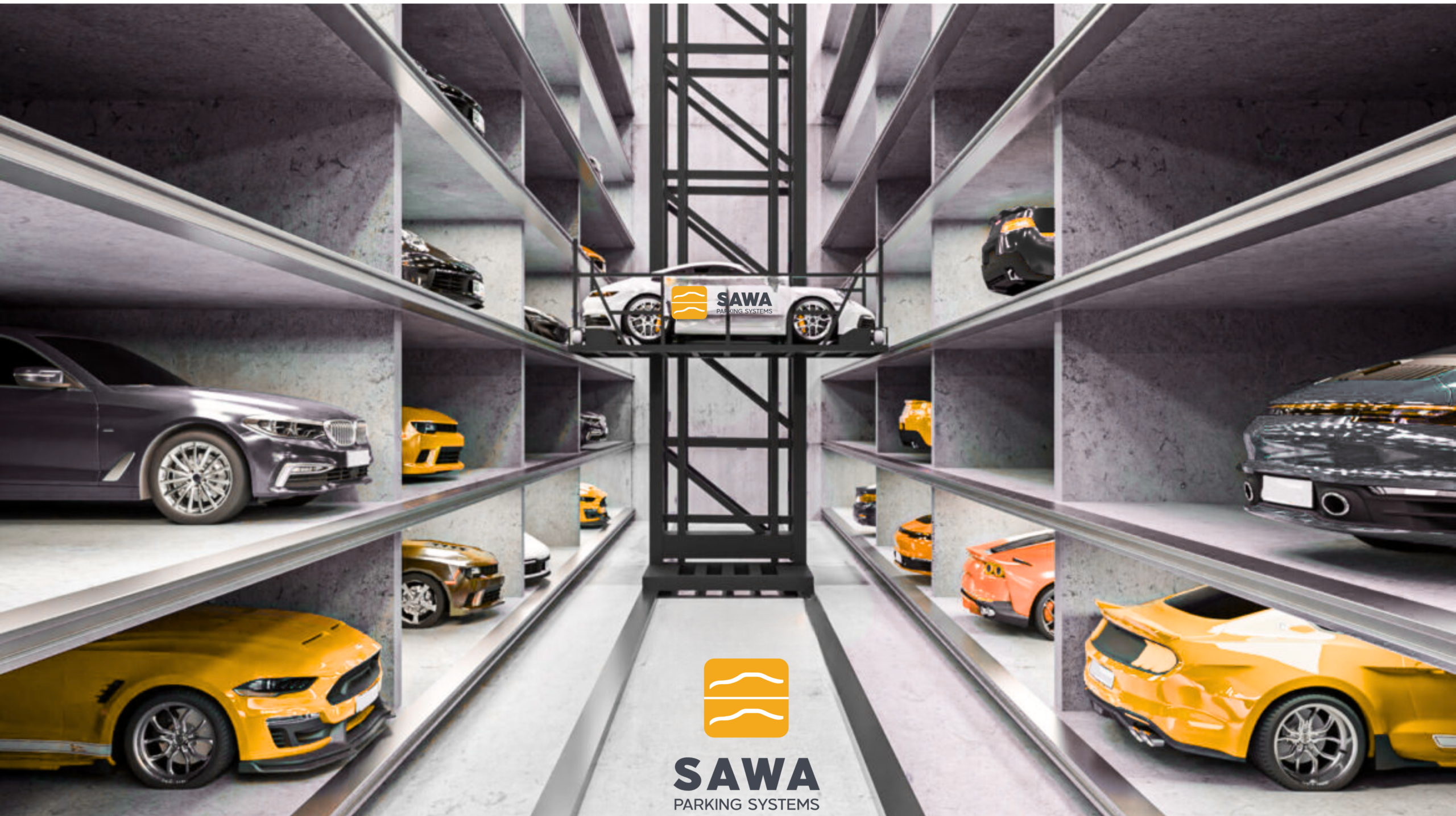
In retail and entertainment environments, time matters. Visitors who struggle to park are more likely to leave early or avoid returning altogether. Automatic parking reduces arrival and departure friction, improving visitor flow.
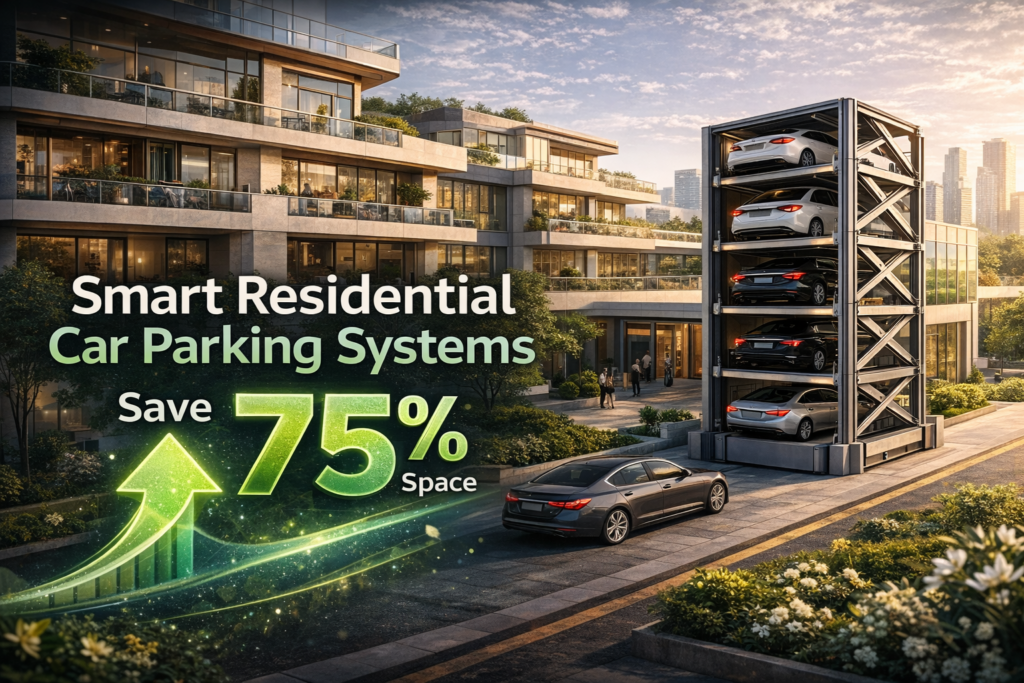
Faster turnover means more customers served within the same time frame. This directly supports retail revenue and tenant performance. While parking itself may not charge premium fees, its efficiency enables downstream income generation.
This indirect revenue effect is one of the most powerful—and often overlooked—ways automatic parking contributes financially.
Premium Pricing Through Differentiation
Properties that offer automatic parking differentiate themselves in competitive markets. Differentiation supports premium pricing, both in sales and rentals.
Buyers and tenants are willing to pay more for convenience, safety, and modern infrastructure—even if they do not consciously label it as “automation.” The value is felt in daily experience.
This willingness to pay is a key mechanism through which automatic parking generates revenue, especially in high-density urban markets where alternatives are limited.
Reduced Operational Costs Improve Net Income
Revenue is only half the equation. Net income depends equally on cost control. Automatic parking reduces operational expenses by limiting lighting, ventilation, staffing, and security requirements across large areas. Predictable maintenance schedules further stabilize costs.
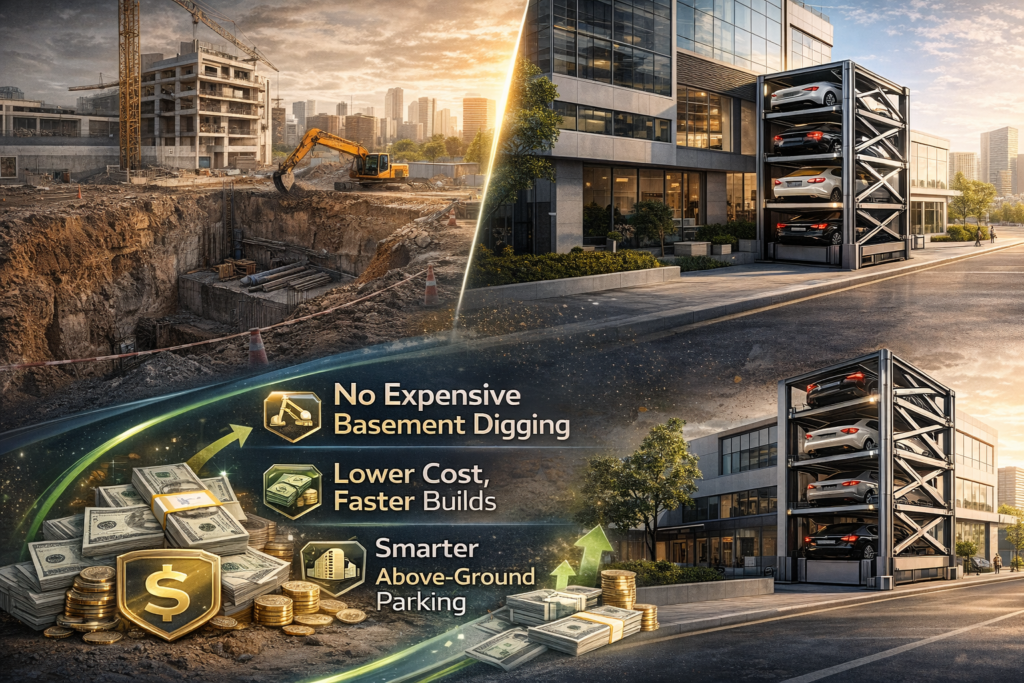
Lower operating expenses improve net operating income, which directly increases asset value. In investment terms, this efficiency multiplies returns without increasing risk.
Parking as a Service Model
Automation enables new business models. Parking can be offered as a managed service rather than static infrastructure.
Subscription-based parking, dynamic pricing, and usage-based billing become feasible when systems track usage precisely. These models are difficult to implement in manual parking environments.
This flexibility illustrates another dimension of how automatic parking generates revenue—by enabling monetization strategies that were previously impractical.
Supporting Ancillary Revenue Streams
Automatic parking also supports ancillary revenue indirectly. Properties with efficient parking attract higher-quality tenants, longer lease terms, and stronger brand partnerships.
For malls, efficient parking supports events, promotions, and extended operating hours. For offices, it improves employee satisfaction and retention. For residential projects, it enhances resale value. Each of these outcomes contributes to financial performance, reinforcing the role of parking as an economic enabler.
Risk Reduction as Financial Value
Financial performance is not only about income—it is about risk. Manual parking introduces risks related to damage, theft, and liability. These risks translate into insurance costs, claims, and reputation damage.
Automatic parking reduces exposure structurally. Lower risk improves insurance terms and investor confidence. From a financial standpoint, reduced volatility is a form of value creation. This risk-adjusted perspective is critical to understanding how automatic parking generates revenue beyond visible cash flows.
Long-Term Asset Appreciation
Assets that operate efficiently and remain relevant over time appreciate more reliably. Automatic parking future-proofs properties against rising density, changing regulations, and evolving user expectations.
This future resilience supports long-term appreciation and liquidity. Investors recognize assets that require fewer retrofits and remain compliant longer.
In this sense, automatic parking contributes to revenue not just annually, but across the entire asset lifecycle.
Conclusion: Revenue Is Created Where Friction Is Removed
Automatic parking generates revenue not by charging more, but by removing friction. It unlocks space, improves flow, reduces costs, supports premium positioning, and stabilizes long-term performance.
When parking is treated as an active financial component rather than a passive requirement, its economic potential becomes clear. Automation transforms parking from a burden into an engine of value creation.
For developers, operators, and investors, the message is simple: automatic parking generates revenue because it aligns space, behavior, and economics into a single efficient system.
References :
- SAWA Parking – Automated Parking Systems & Revenue Models
https://sawaparking.com/
Primary reference based on real-world automated parking implementations, space optimization strategies, and revenue-driven project outcomes. - Brueckner, J. K. (2011). Lectures on Urban Economics
MIT Press
https://mitpress.mit.edu/9780262015135/lectures-on-urban-economics/
Explains how land-use efficiency, parking supply, and density directly influence property income and urban value creation. - Deloitte (2019). Parking of the Future: How Smart Parking Impacts Real Estate Value
Deloitte Insights
https://www2.deloitte.com/insights/us/en/industry/real-estate/future-of-parking.html
Analyzes how automated and smart parking systems create new revenue streams and improve asset performance. - RICS (Royal Institution of Chartered Surveyors). Commercial Property Valuation
RICS Professional Statement
https://www.rics.org/uk/upholding-professional-standards/sector-standards/valuation/
Professional framework linking operational efficiency, reduced risk, and parking infrastructure to asset valuation.