


automatic parking traffic reduction
When traffic congestion is discussed, one solution almost always dominates the conversation: public transport, especially metro systems. Governments invest billions, cities redesign master plans, and commuters are encouraged to abandon cars altogether. But let’s pause for a moment and ask a less obvious question:
Is traffic congestion only a transportation problem? This question sits at the heart of automatic parking traffic reduction.
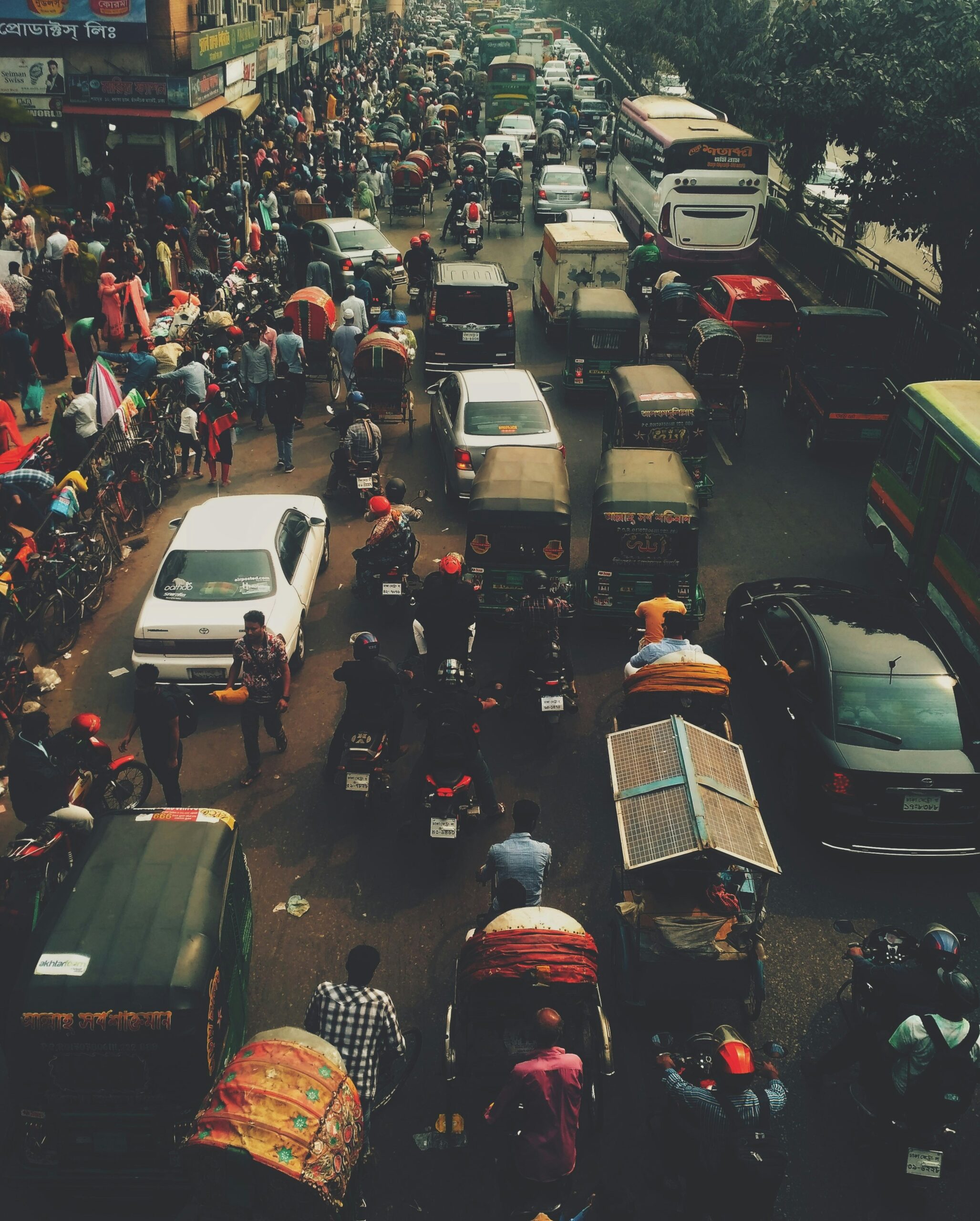
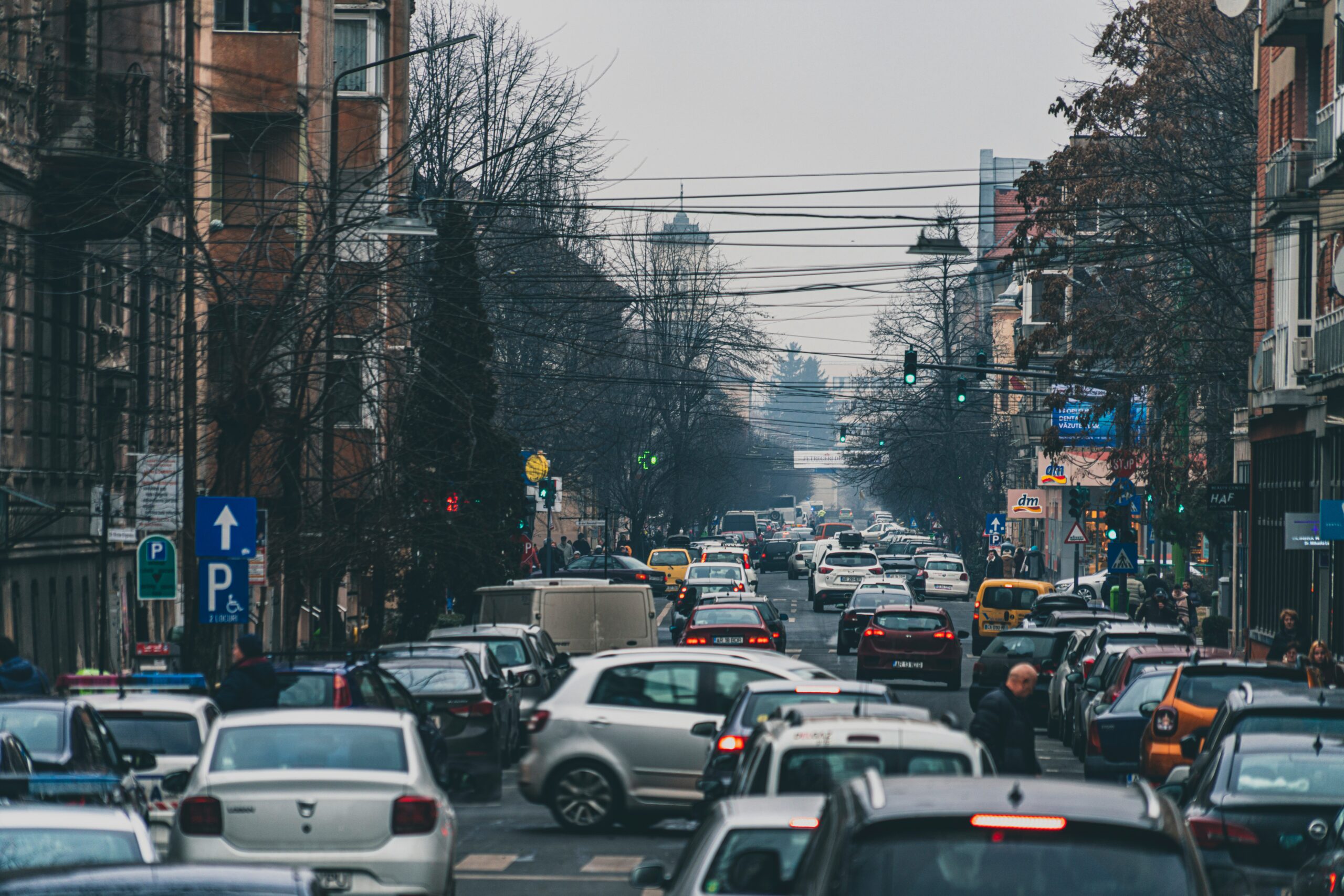
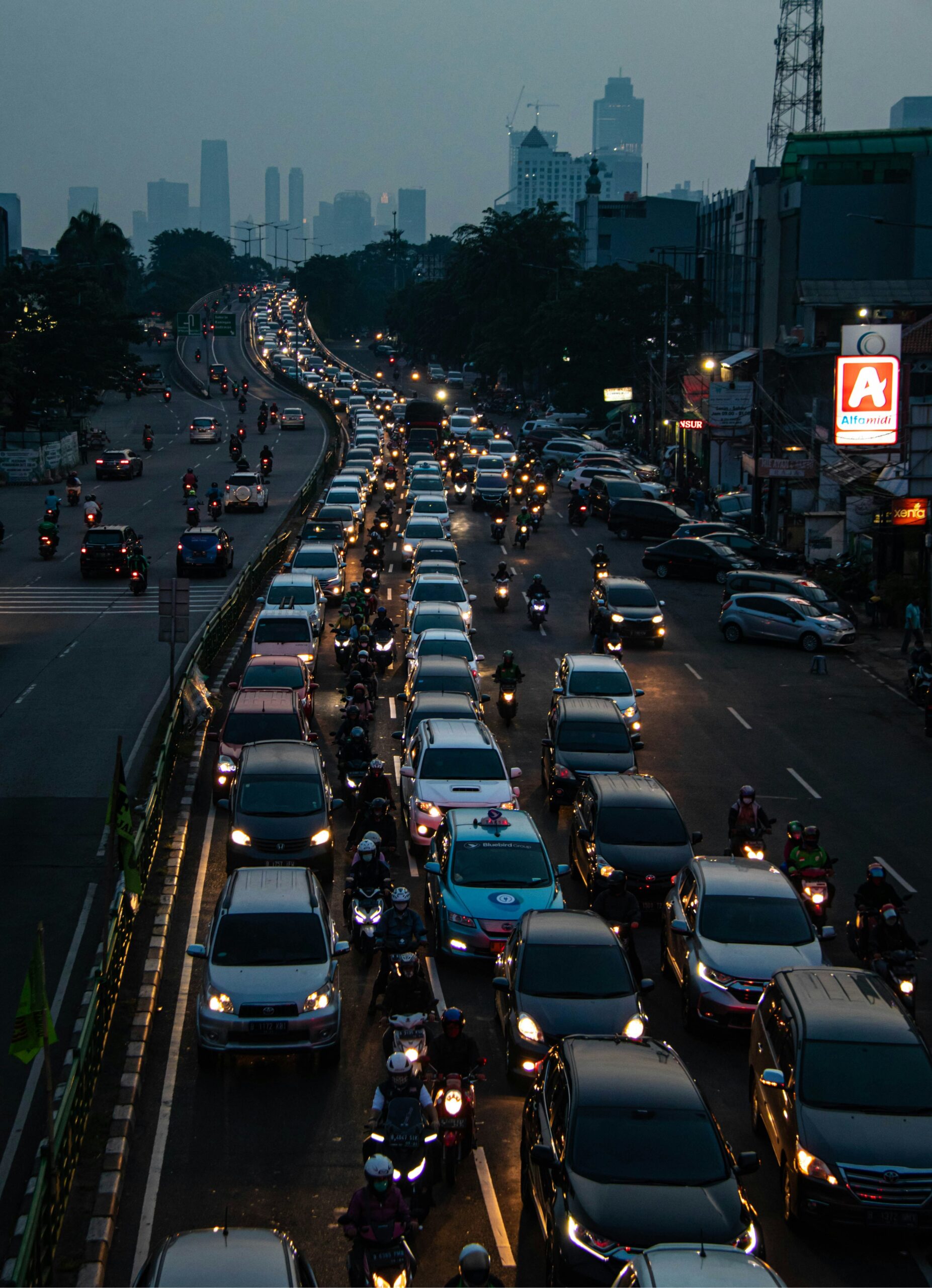
Traffic is not created only by people moving from point A to point B. A significant portion of congestion happens after people arrive—when drivers slow down, stop suddenly, circle blocks, or double-park while searching for a space. These micro-actions accumulate into macro congestion. Automatic parking directly targets this overlooked layer of traffic behavior. So before comparing automatic parking with metro systems, we need to understand what kind of traffic we are actually trying to reduce.
1. Where Traffic Really Comes From: The Parking Search Problem
Let’s start with a simple scenario.
You reach your destination. The building is right there. But there’s no visible parking space. What do you do?
You slow down.
You circle the block.
You hesitate at intersections.
You stop briefly “just in case.”
Now multiply this behavior by hundreds of drivers in the same district.
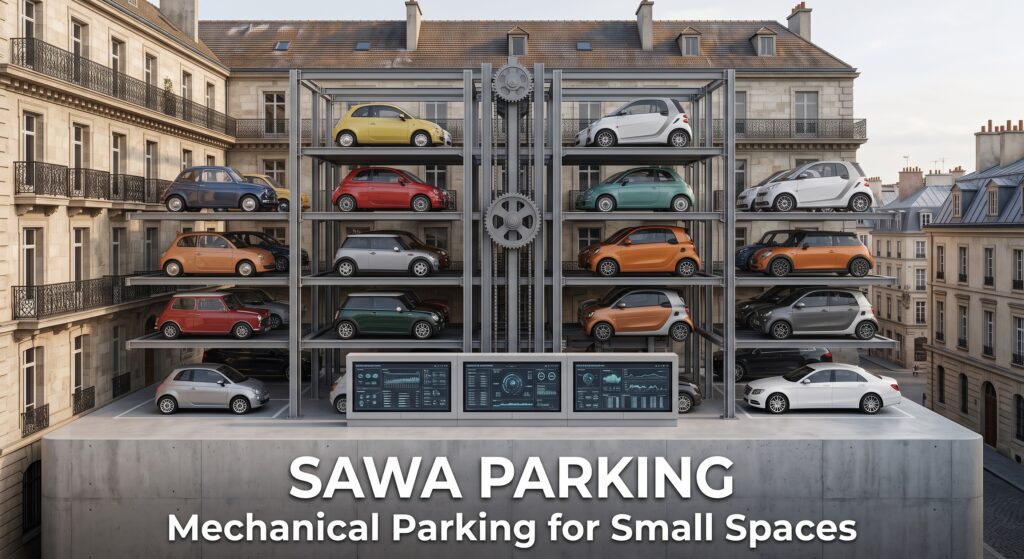
Studies and real-world observations consistently show that a large percentage of inner-city traffic is generated by drivers searching for parking, not by through-traffic. This is where automatic parking traffic reduction becomes relevant. Automatic parking eliminates the search phase entirely. Vehicles enter, stop once, and disappear from the street.
Metro systems reduce traffic by moving people. Automatic parking reduces traffic by removing cars from circulation faster. These are fundamentally different mechanisms.
2. Metro Systems: What They Solve—and What They Don’t
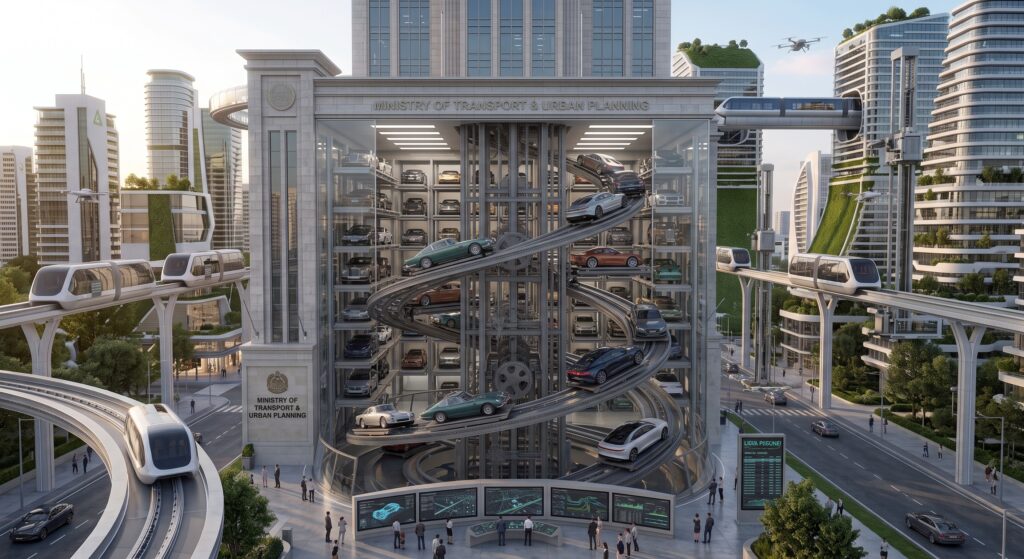
Metro systems are powerful tools. They move large numbers of people efficiently across long distances. But let’s be honest and analytical for a moment.
Metro systems:
- Reduce long-distance car trips
- Serve commuter corridors
- Require massive infrastructure investment
- Take years, sometimes decades, to implement
Now ask yourself this question as a city resident:
Does a metro stop traffic around shopping streets, clinics, offices, or residential blocks?
Not really. Even in cities with excellent metro coverage, local congestion remains. Why? Because local traffic is driven by access, not transport. People still arrive by car for short trips, deliveries, family needs, or convenience. And when they arrive, they still need to park. Automatic parking addresses this exact layer of the problem.
3. Automatic Parking Traffic Reduction at the Micro Level
Traffic engineers often distinguish between macro traffic (city-wide movement) and micro traffic (local street behavior). Automatic parking operates almost entirely at the micro level—and that’s its strength.
Ask yourself:
How many traffic jams start because of a slow-moving car looking for parking?
Automatic parking systems shorten the time a car spends on the street after arrival. No circling. No hesitation. No sudden stops. The automatic parking traffic reduction effect happens immediately at street level.
In SAWA Parking projects located in dense urban areas, local traffic flow improved not because fewer cars came—but because cars left the street faster.
4. The Time Factor: Seconds That Turn Into Congestion
Let’s talk about time.
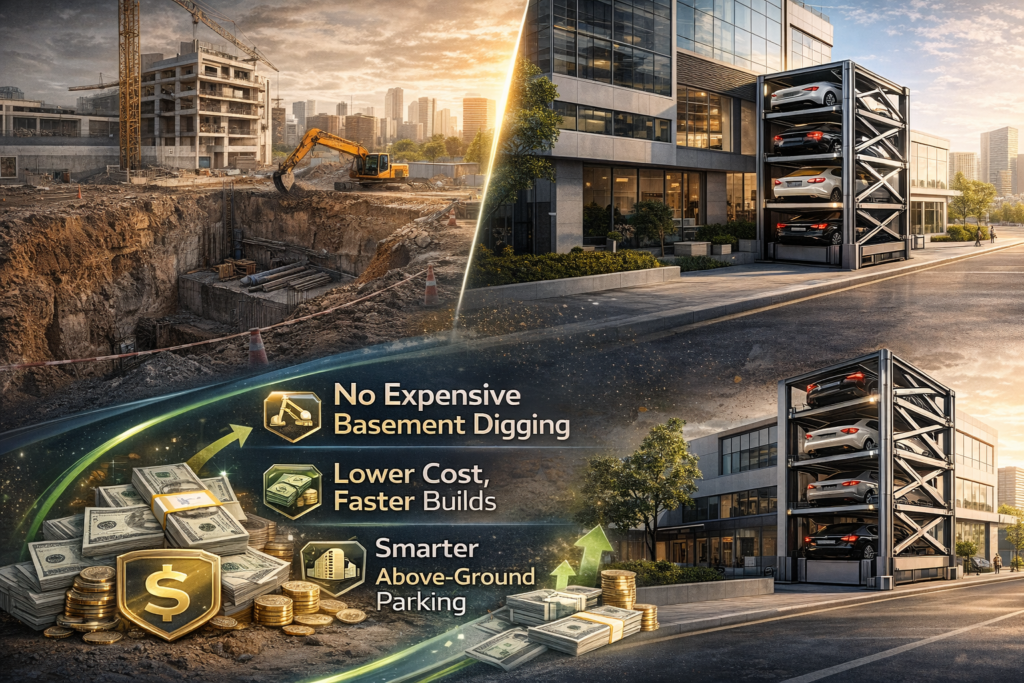
A single driver searching for parking may waste 3–7 minutes. That doesn’t sound dramatic—until you consider scale. Ten drivers doing this simultaneously block intersections, delay buses, and create unpredictable movement patterns.
Now ask:
What happens if those 3–7 minutes are reduced to 30 seconds?
That is exactly what automatic parking systems do. They compress the arrival phase into a predictable, controlled action. The result is smoother traffic flow and fewer bottlenecks.
Metro systems reduce trip duration. Automatic parking reduces arrival duration. Both matter—but they operate in different parts of the traffic equation.
5. Why Automatic Parking Complements, Not Competes With Metro
Here’s a critical point many debates miss.
This is not an “either/or” discussion.
Automatic parking and metro systems do not compete—they operate on different layers. Metro systems reduce demand for car travel. Automatic parking reduces the negative impact of car arrival.
Think of it this way:
- Metro systems manage movement
- Automatic parking manages arrival and storage
Cities that ignore parking behavior while investing in transport often fail to see expected congestion reductions. The missing link is automatic parking traffic reduction at the destination level.
6. The Human Behavior Angle: Why Drivers Still Use Cars
Let’s ask a slightly uncomfortable question.
If metro systems are so effective, why do people still drive?
Because real life is messy.
People carry groceries.
Parents travel with children.
Professionals visit multiple locations.
Delivery and service vehicles operate constantly.
Automatic parking does not try to eliminate cars. It tries to make their presence less disruptive. That’s a crucial distinction. Traffic reduction strategies that ignore human behavior often fail.
Automatic parking works with behavior, not against it.
7. Local Streets vs Transport Corridors
Metro systems shine on corridors. Automatic parking shines on streets.
Traffic congestion complaints are rarely about highways alone. They are about:
- Narrow streets
- Commercial districts
- Residential blocks
- Hospital zones
These are areas where automatic parking traffic reduction has immediate, visible impact. Cars stop blocking lanes. Illegal parking decreases. Traffic becomes more predictable.
In multiple SAWA Parking case studies, residents reported improved street conditions even though the number of cars did not decrease. The difference was organization, not volume.
8. A Question for You as a Reader
Let’s pause and reflect. If you live or work in a busy area, what causes you more frustration?
- Cars driving through the area
- Or cars stopping, searching, blocking, and hesitating?
Most people choose the second. This is why automatic parking deserves to be discussed alongside major transport solutions—not as a replacement, but as a missing piece.
-
Intersection Congestion: The Hidden Battlefield of Traffic
Let’s talk about intersections—the real pressure points of any city. Ask yourself this question:
Why do intersections get blocked even when traffic volume is not extreme?
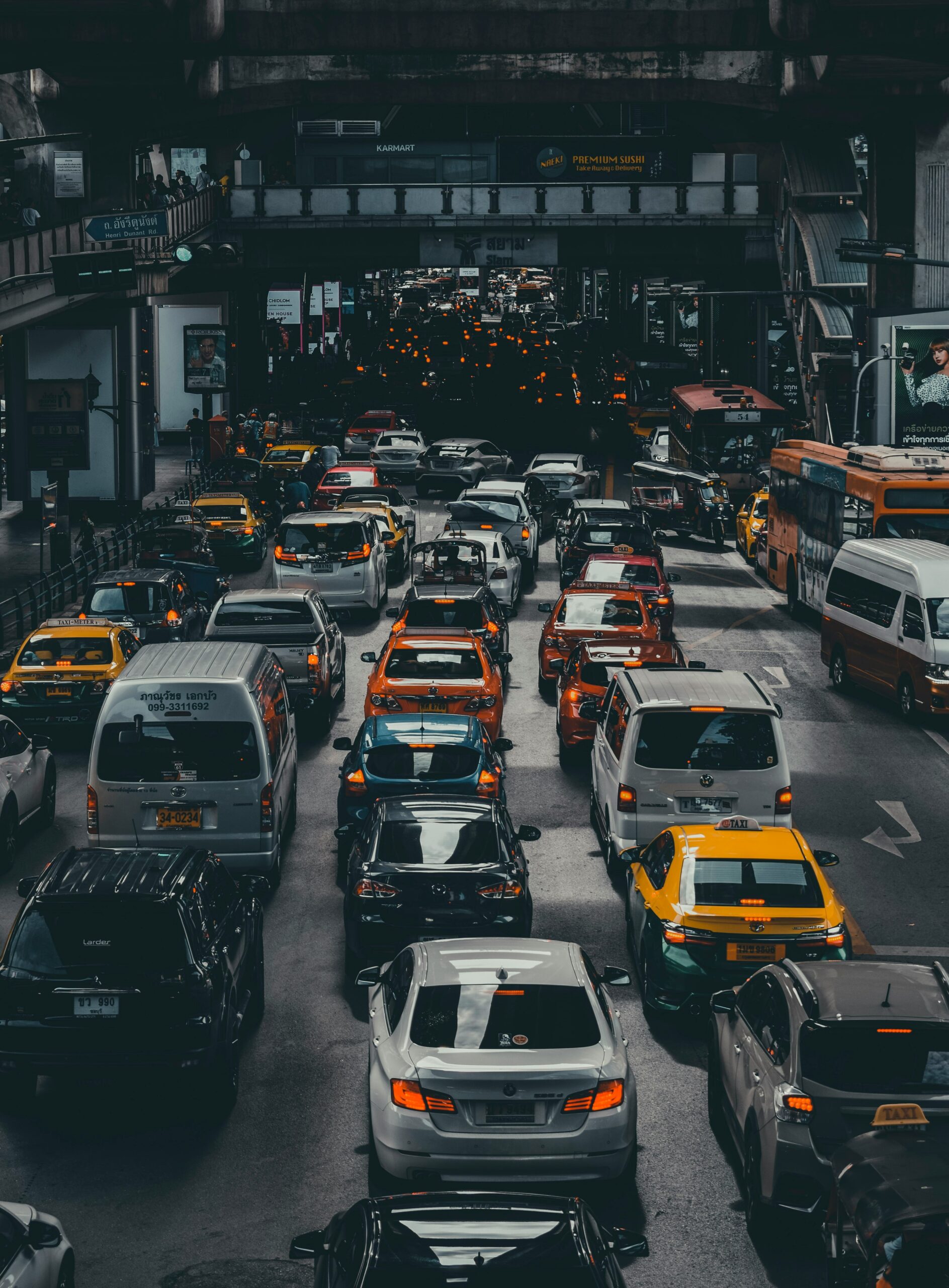
In many cases, the answer is simple: vehicles stopping unexpectedly. A driver slows down looking for parking, another hesitates behind them, and suddenly the intersection loses its rhythm. Metro systems do nothing to solve this problem because they operate far from street-level decision points.
This is where automatic parking traffic reduction shows its strongest effect. By removing hesitation near destinations, automatic parking systems reduce sudden braking, illegal stopping, and unpredictable lane changes around intersections. The result is not fewer cars—but better flow.
10. Retail Streets and Commercial Zones: Where Traffic Behavior Matters Most
Now imagine a busy commercial street.
Shops, cafés, clinics, banks—all attracting short-duration visits. Most drivers are not commuting; they are stopping briefly. This creates a constant churn of vehicles entering, slowing, searching, and leaving.
Here’s a question worth asking:
Can a metro system realistically replace these short car trips?
In practice, no. People still arrive by car for convenience. Automatic parking targets this reality directly. Instead of forcing behavior change, it organizes behavior.
In areas where SAWA Parking systems were installed near commercial zones, street congestion decreased even though customer numbers increased. The difference was not traffic volume—it was arrival efficiency.
11. Comparing Time Savings: Metro vs Automatic Parking
Let’s compare time, not ideology.
Metro systems save time during the journey. Automatic parking saves time after arrival. Both are valuable, but they operate at different moments.
Ask yourself:
Which causes more frustration—travel time or arrival chaos?
For many urban users, the stress peaks at the destination. Automatic parking traffic reduction works by compressing the arrival phase into a predictable, short action. Instead of multiple minutes of uncertainty, arrival becomes a controlled sequence measured in seconds.
This time compression has a ripple effect: fewer blocked lanes, smoother pedestrian movement, and calmer streets.
12. The Psychological Impact on Drivers and Traffic Flow
Traffic is not just physical—it’s psychological.
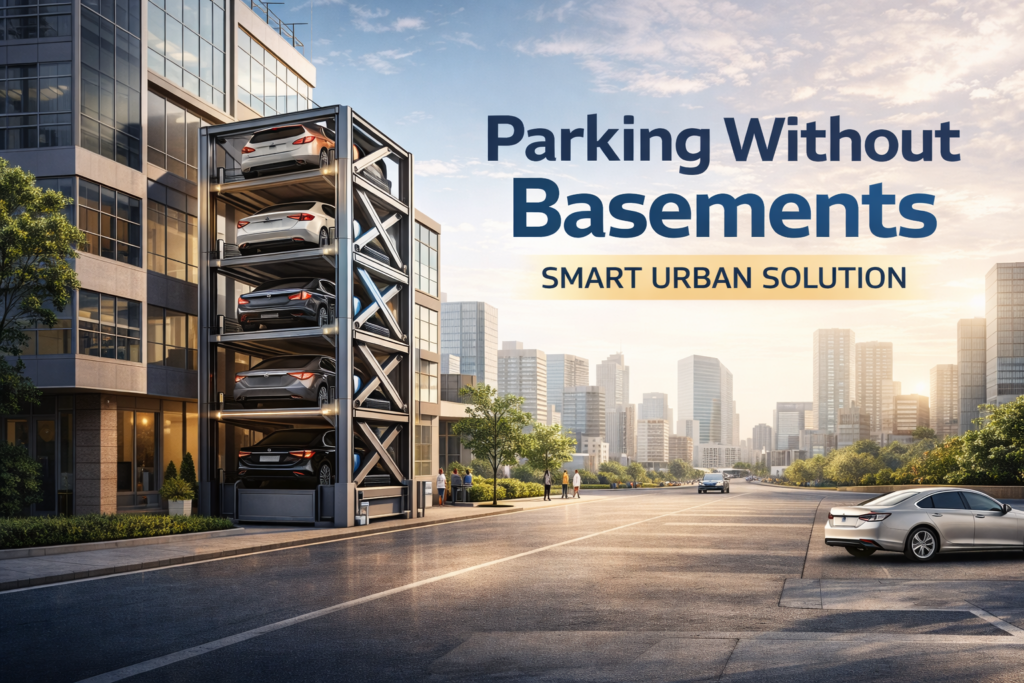
Drivers who are unsure where to park behave differently. They slow down more than necessary. They hesitate. They block others unintentionally. These micro-behaviors accumulate into congestion.
Automatic parking removes uncertainty. When drivers know exactly where to go and what will happen next, their behavior becomes predictable. Predictability is the foundation of traffic flow.
This is an often-overlooked dimension of automatic parking traffic reduction: it stabilizes human behavior, not just vehicle movement.
13. Why Metro Systems Alone Cannot Solve Local Congestion
Let’s challenge a common assumption.
Many cities invest heavily in metro systems expecting dramatic traffic relief everywhere. But local congestion often remains unchanged. Why?
Because metro systems address movement between areas, not activity within areas. Once people arrive at a destination zone, the metro’s role ends. Parking behavior takes over.
Automatic parking fills this gap. It manages what happens after the journey ends. Without this layer, metro investments fail to deliver their full potential in dense districts.
14. Delivery Vehicles, Service Cars, and the Reality of Urban Life
Here’s another uncomfortable truth.
Cities are not just made of commuters. They are powered by:
- Delivery vehicles
- Service technicians
- Emergency access
- Short-term stops
These vehicles cannot rely on metro systems. They must use streets. Automatic parking systems reduce conflicts by providing fast, organized drop-off and storage options.
Ask yourself:
How many traffic jams are caused by delivery vans stopping “just for a minute”?
Automatic parking traffic reduction tackles exactly this behavior by removing excuses for street blocking.
15. Urban Density: When Space Becomes the Real Constraint
As cities densify, the issue is no longer how many people move—but where vehicles pause.
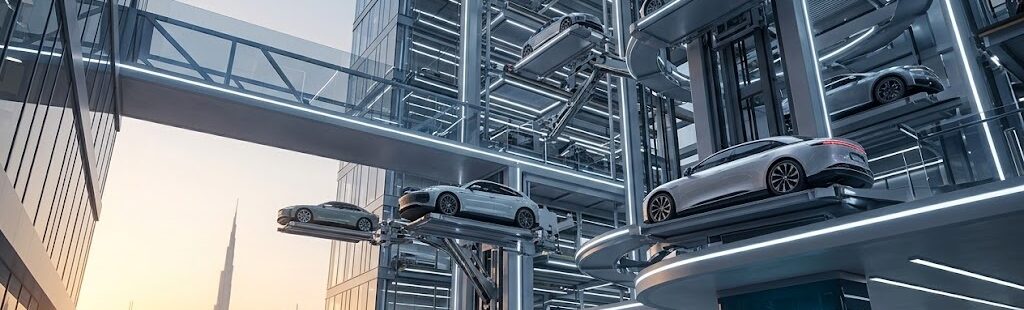
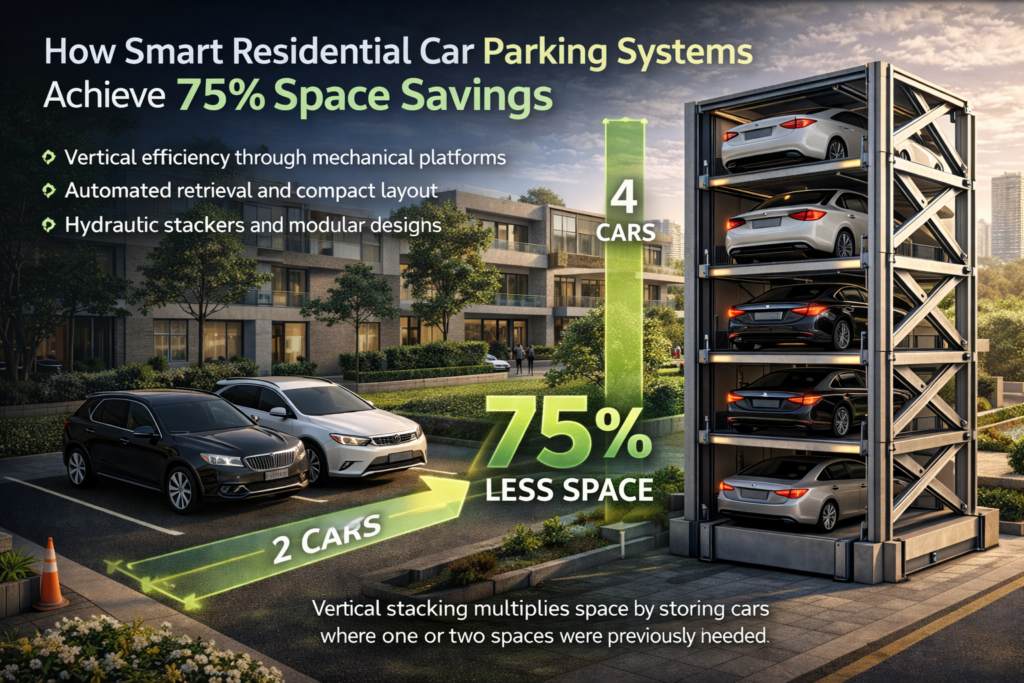
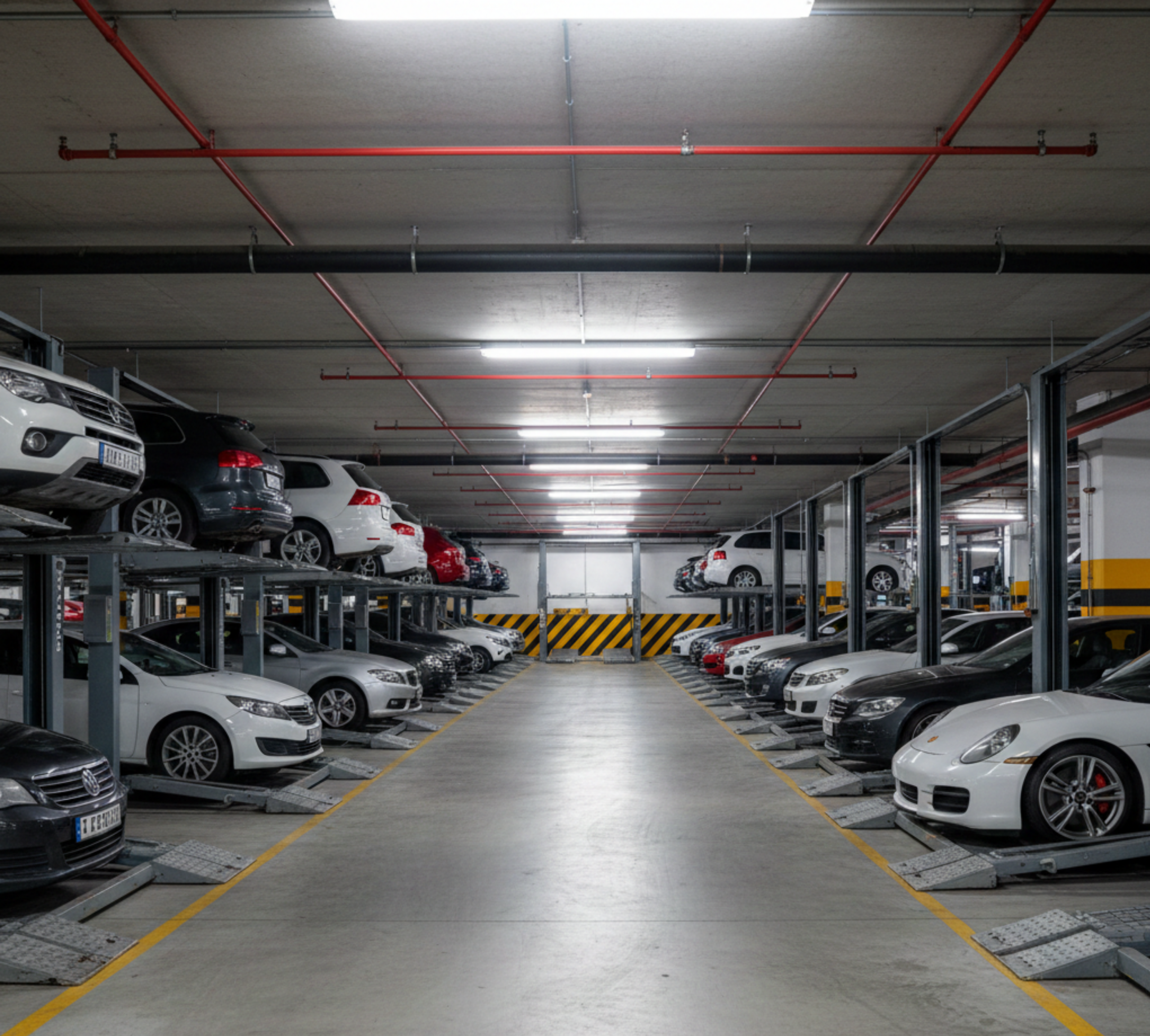
Metro systems move people efficiently, but they don’t create space. Automatic parking systems do. By stacking, storing, and isolating vehicles, they release street space back to movement.
In high-density districts, this spatial efficiency often has a more immediate impact on congestion than new transport lines that take years to complete.
16. A Direct Question for City Planners and Developers
Let’s flip the perspective.
If you were planning a new development today, what would you prioritize?
- Faster movement through the city
- Or smoother arrival at the destination?
The honest answer is usually: both.
But too often, arrival is ignored. Automatic parking traffic reduction exists because cities realized that movement without arrival management creates incomplete solutions.
17. Limitations of Automatic Parking (Because No Solution Is Perfect)
Now let’s be fair.
Automatic parking is not a magic wand. It does not eliminate cars. It does not replace public transport. And it requires proper planning, investment, and maintenance.
However, its strength lies in precision. It solves a specific problem extremely well: destination-level congestion. When applied strategically, it delivers measurable benefits without forcing lifestyle changes.
Understanding these limitations makes the comparison with metro systems more honest—and more productive.
18. When Automatic Parking Outperforms Metro in Traffic Impact
Here’s a provocative thought.
In certain contexts—dense commercial streets, residential clusters, mixed-use developments—automatic parking can reduce visible congestion more effectively than metro systems.
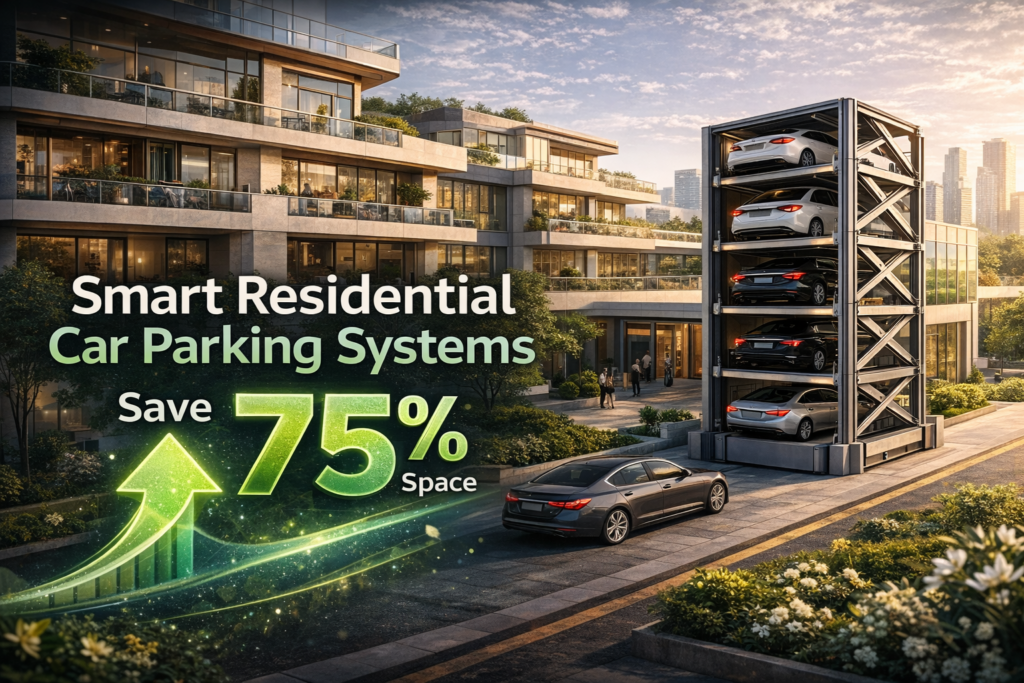
Not because it moves more people, but because it removes friction exactly where congestion forms.
This is why cities that combine transport investment with parking automation see better results than those that focus on transport alone.
19. Another Question for You
Think about your own city.
Where does traffic frustrate you most?
- On highways?
- Or near destinations?
Your answer usually reveals where solutions should be applied first.
20. When Metro Systems Are the Right Answer
Let’s be clear and fair.
There are situations where metro systems are irreplaceable. Long commuting corridors, daily mass movement between suburbs and city centers, and high-volume peak-hour transport demand require public transit solutions. No parking system—automatic or manual—can replace this role.
But here is the critical question:
Does solving long-distance movement automatically solve congestion everywhere else?
The answer, in most cities, is no.
Metro systems excel at transporting people between zones, not at organizing what happens inside zones. This distinction matters more than many planners admit.
21. When Automatic Parking Traffic Reduction Becomes More Effective
Automatic parking becomes most effective when congestion is caused by arrival behavior, not travel distance.
Think about:
- Residential neighborhoods
- Commercial streets
- Medical districts
- Shopping areas
- Mixed-use developments
In these areas, traffic is rarely caused by commuters passing through. It is caused by vehicles stopping, slowing, searching, and blocking.
Here, automatic parking traffic reduction often delivers faster and more visible results than metro investment. Why? Because it addresses congestion at its point of formation.
22. The Combined Model: Why Cities Need Both
The most successful cities do not choose between automatic parking and metro systems—they combine them.
Metro systems reduce the need for long car trips.
Automatic parking reduces the negative impact of cars that still exist.
Ask yourself:
Why would a city solve only half the equation?
This layered approach recognizes reality instead of fighting it. Cars are not disappearing overnight. Until they do, their interaction with streets must be managed intelligently.
23. Developer Perspective: Traffic Reduction Starts at the Project Level
Let’s shift perspective again—this time to developers.
A single development can either:
- Add stress to surrounding streets
- Or quietly absorb its own traffic
Automatic parking allows projects to internalize parking demand instead of pushing it onto public roads. From a developer’s point of view, automatic parking traffic reduction is not just a city benefit—it’s a project risk-management strategy.
Projects that ignore this often face complaints, access issues, and reputational damage long after completion.
24. What Happens If Automatic Parking Is Ignored?
Let’s ask an uncomfortable but necessary question:
What happens when cities invest in transport but ignore parking behavior?
The result is familiar:
- Cars still arrive
- Streets still clog
- Illegal parking increases
- Enforcement becomes reactive
Metro systems move people efficiently, but arrival chaos remains untouched. Automatic parking was created specifically to close this gap.
25. Measuring Impact: Why Automatic Parking Feels More Immediate
Another key difference lies in perception.
Metro systems take years to build and decades to mature. Their impact is gradual. Automatic parking systems, by contrast, deliver immediate behavioral change.
The day an automatic parking system becomes operational:
- Search traffic disappears
- Street hesitation drops
- Illegal stops decline
This immediacy is why residents often feel improvement faster with parking automation than with large-scale transport projects.
26. A Question City Leaders Should Ask Themselves
Before approving the next major infrastructure project, decision-makers should ask:
Are we reducing movement problems… or arrival problems?
If congestion complaints focus on local streets, destinations, and access points, then automatic parking traffic reduction may deliver higher returns than another transport corridor.
27. Final Comparison: Not Which Is Better, But Which Is Missing
So, can automatic parking reduce traffic more than metro systems?
The honest answer is:
In specific contexts, yes. In others, no.
Automatic parking does not replace metro systems. But metro systems cannot replace automatic parking either. They solve different layers of the same problem.
Traffic is not a single issue—it is a system of behaviors. And behaviors change only when friction is removed at the right moment.
28. Final Question for You as a Reader
Before we conclude, let’s make this personal again.
In your daily experience, what causes more frustration?
- Getting to your destination
- Or dealing with chaos once you arrive?
Your answer usually reveals which solution would make the biggest difference in your environment.
Conclusion: Traffic Reduction Is About Arrival, Not Just Movement
Traffic congestion is often framed as a transportation challenge. In reality, it is just as much a parking and arrival challenge.
The concept of automatic parking traffic reduction shifts focus from how people move to how vehicles behave at destinations. By removing search time, hesitation, and disorder, automatic parking systems reduce congestion at the exact points where it forms.
Metro systems remain essential for mass movement. But without automatic parking to manage arrival behavior, their impact remains incomplete. Cities, developers, and planners who understand this connection build environments that move—and arrive—more smoothly.
References :
- SAWA Parking – Automatic & Smart Parking Systems
https://sawaparking.com/
Primary reference based on real project experience and implemented automatic parking solutions. - Mechanical Parking Systems: Design, Safety, and Applications
Heinz-Jürgen Ahrens – Springer
https://link.springer.com/book/10.1007/978-3-662-55831-5 - Parking Structures: Planning, Design, Construction, Maintenance, and Repair
Mary S. Smith & William J. Dunn – Springer
https://link.springer.com/book/10.1007/978-3-319-06179-2 - The High Cost of Free Parking
Donald Shoup – Routledge
https://www.routledge.com/The-High-Cost-of-Free-Parking/Shoup/p/book/9781138497923