


Car Stacker Parking Lift: A Practical Solution for Modern Parking Challenges
1. Why Car Stacker Parking Lift Is Gaining Global Adoption
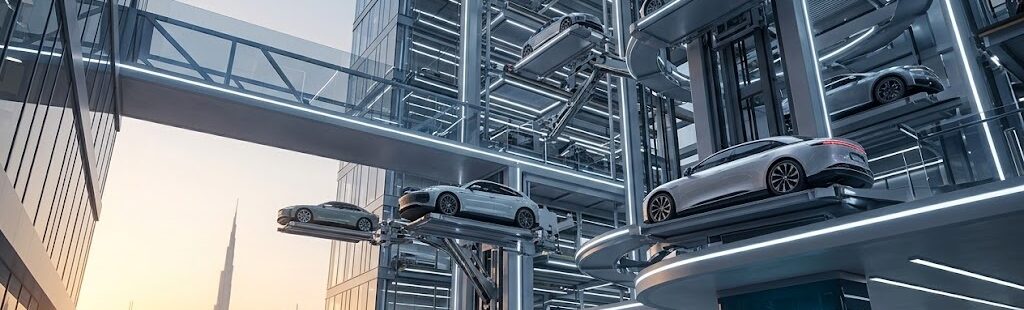
The car stacker parking lift has become one of the most widely adopted parking solutions in modern residential and commercial developments. As urban density increases and available land becomes more valuable, developers can no longer rely on traditional parking layouts that consume excessive space. Car stacker systems provide a direct response to this challenge by allowing multiple vehicles to be parked vertically within the same footprint.
Unlike conventional garages, a car stacker parking lift eliminates the need for ramps and internal circulation lanes. This efficiency makes it particularly attractive for projects with limited land or strict zoning requirements. At SAWA Parking, car stacker systems have been implemented in a wide range of projects where maximizing parking capacity was critical to project feasibility. Reviewing real parking implementations clearly demonstrates how stacker systems solve space limitations without increasing construction complexity.
2. What Is Car Stacker Parking and How Does It Work?
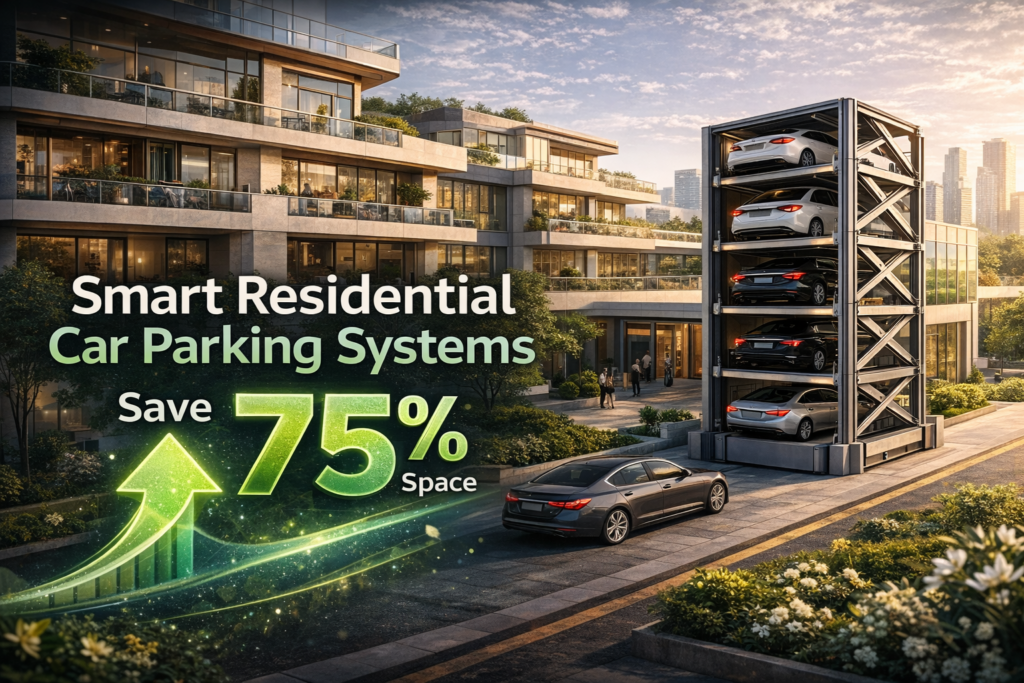
To understand the value of a car stacker parking lift, it is important to answer a common question: what is car stacker parking? Simply put, it is a mechanical system that stacks vehicles vertically using lifting platforms. Each platform is designed to safely carry a vehicle and move it to a higher or lower position.
When users ask how does a parking lift work, the answer lies in controlled mechanical or hydraulic movement. Vehicles are driven onto a platform, the lift raises or lowers the car, and the system locks into place securely. SAWA Parking designs stacker systems with intuitive operation and multiple safety layers, ensuring smooth performance in daily use. Developers often explore technical options through available parking systems before selecting the most suitable configuration.
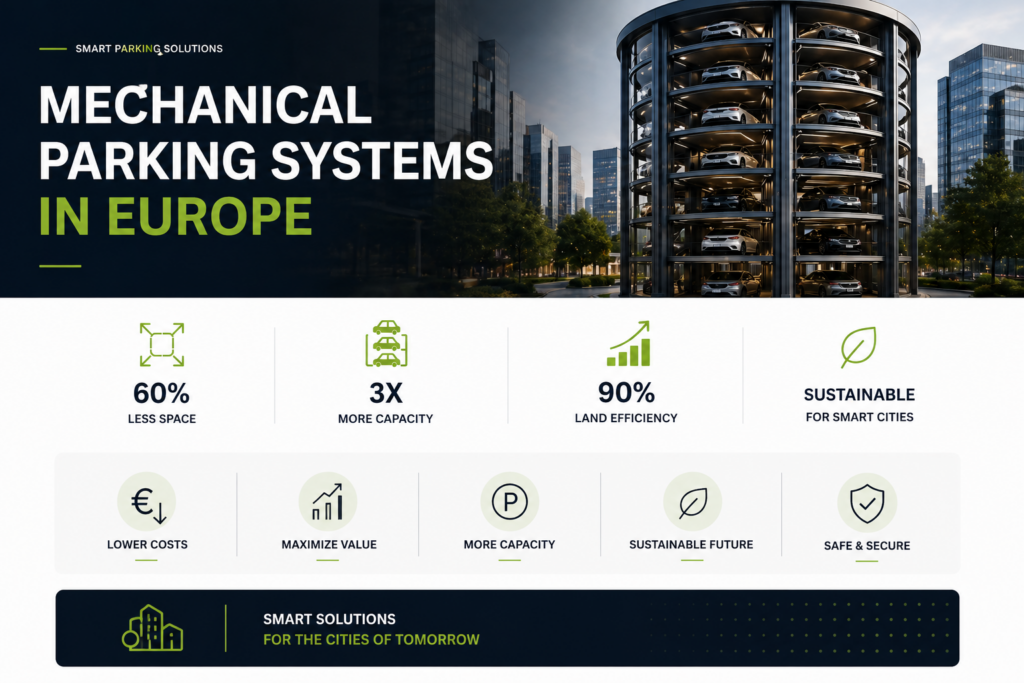
3. Understanding 2 Car Stacker Lift Systems
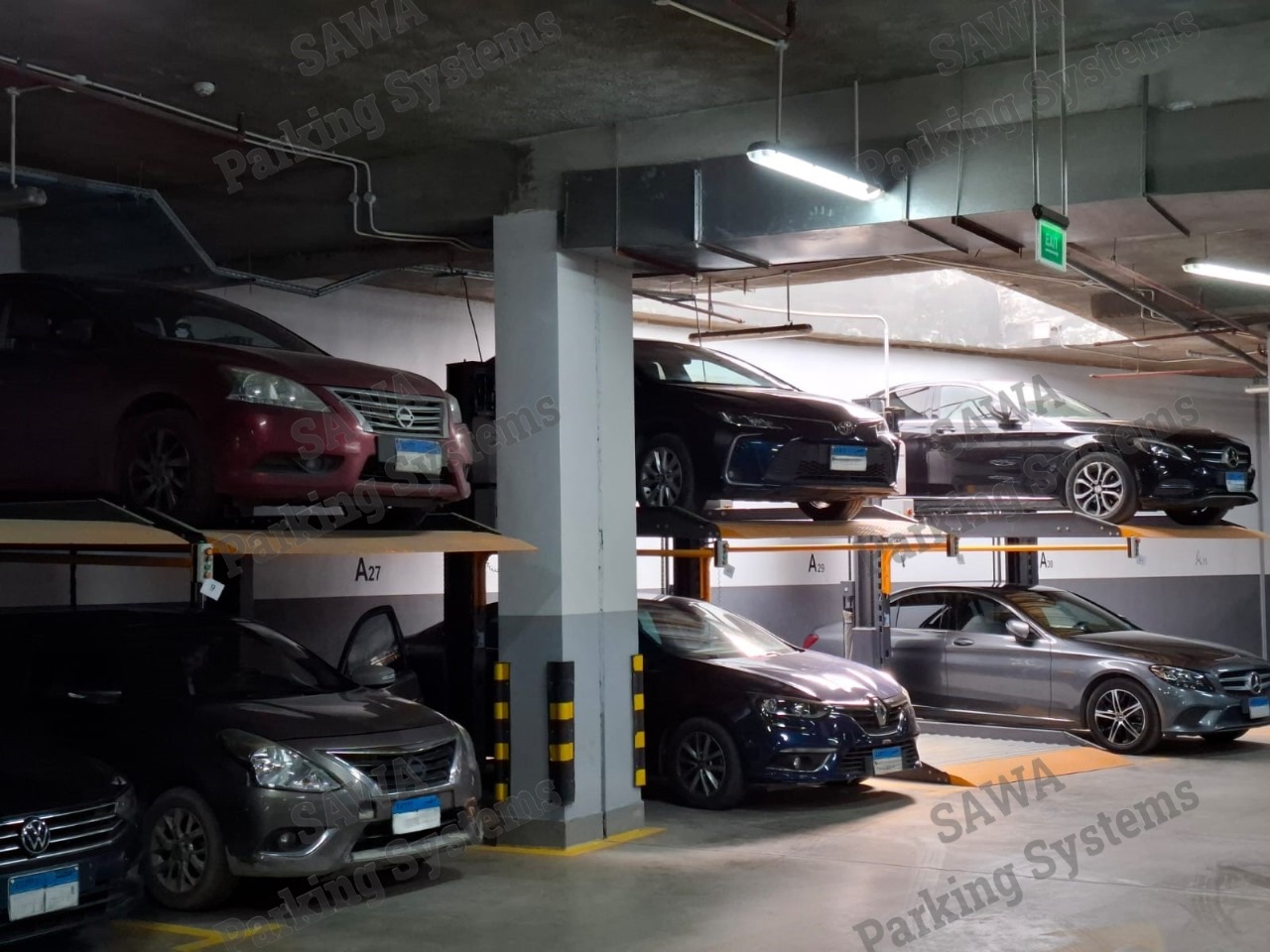
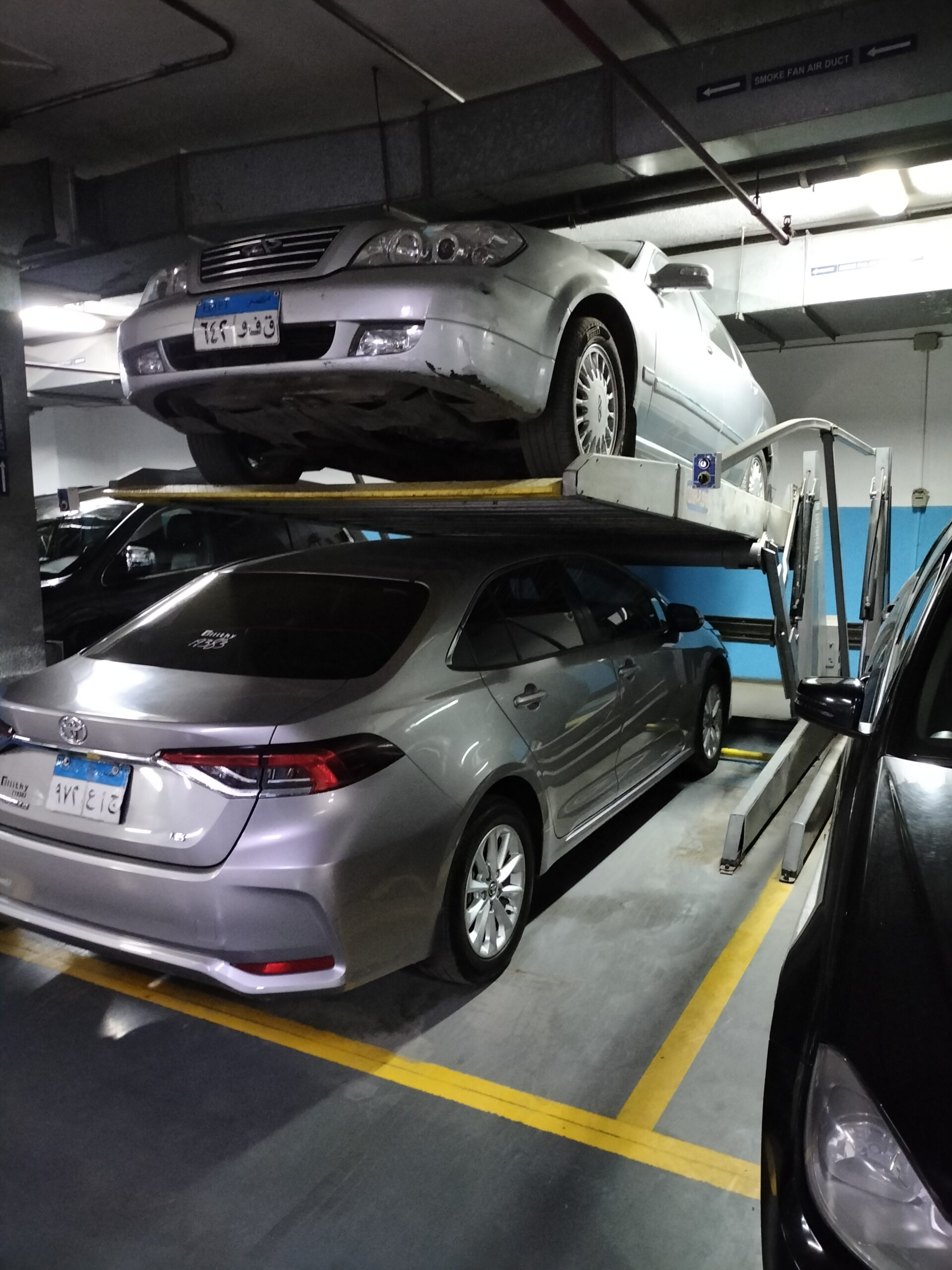
A 2 car stacker lift is one of the most common configurations used in residential garages and small commercial projects. This system allows two vehicles to occupy the space traditionally required for one parking spot, making it highly efficient for low to medium capacity needs.
SAWA Parking has delivered 2 car stacker lifts in projects where ceiling height was sufficient but horizontal space was restricted. These systems are especially popular in private villas, apartment buildings, and retrofit garages. For homeowners searching for the best car storage lifts for home garage, two-car stackers offer a balance between simplicity, safety, and cost efficiency.
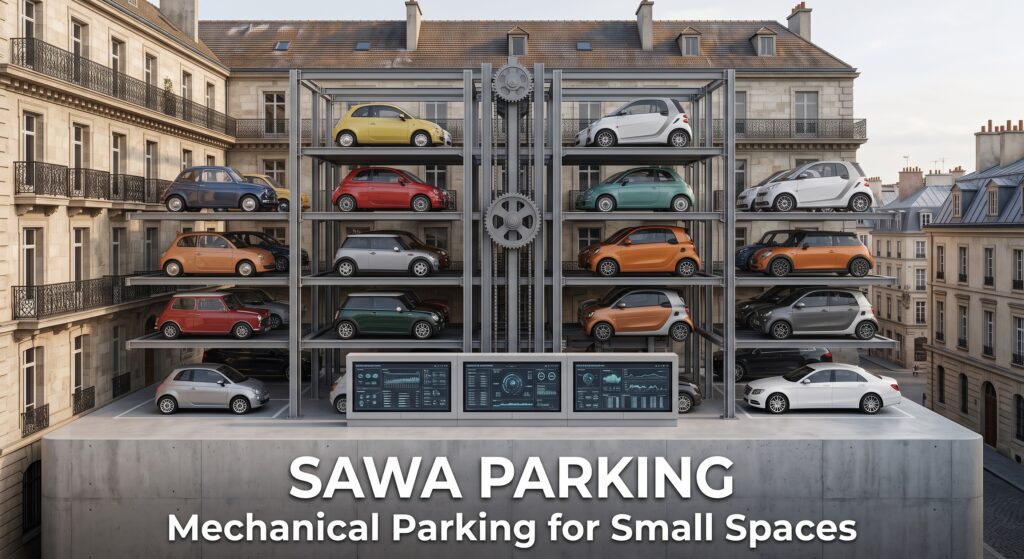
4. 3 Car Stacker Lift and Triple Stacker for Parking
For projects requiring higher parking density, a 3 car stacker lift or triple stacker for parking becomes a powerful solution. These systems stack three vehicles vertically, dramatically increasing parking capacity without expanding the building footprint.
Triple stacker systems are commonly used in commercial environments where parking demand is high but land availability is limited. SAWA Parking engineers these systems to ensure structural stability, smooth operation, and long-term reliability. Developers considering higher-capacity solutions often review commercial parking projects to understand how triple stackers perform under real operational conditions.
5. Car Stacker Parking Lift for Home Garage Applications
Homeowners increasingly seek efficient parking solutions that protect their vehicles while optimizing garage space. A car stacker parking lift for home garage allows multiple vehicles to be stored safely without expanding the garage area.
SAWA Parking has supported residential clients by offering compact stacker systems tailored to private use. These systems prioritize ease of use, safety, and low maintenance. Compared to traditional storage methods, car stackers provide a cleaner, more organized garage environment while preserving vehicle condition.
6. Commercial Parking Lift Solutions for High-Demand Projects
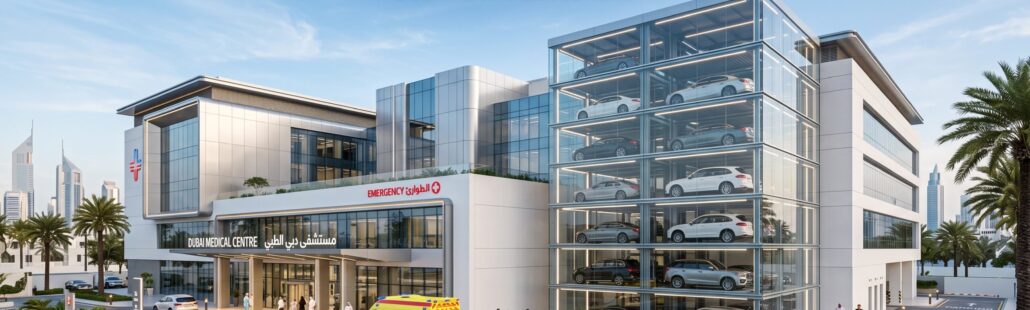
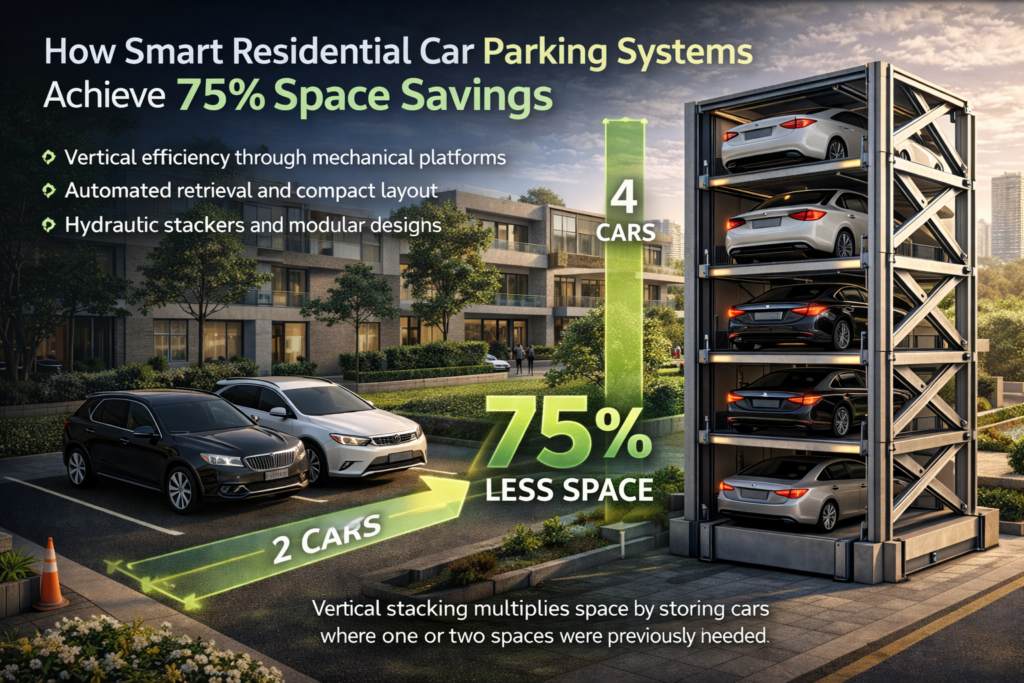
In commercial developments, parking efficiency directly affects user experience and operational flow. A commercial parking lift enables businesses to accommodate more vehicles without costly structural expansion. Offices, clinics, showrooms, and mixed-use buildings all benefit from stacker systems.
SAWA Parking adapts car stacker parking lift designs to meet commercial usage demands, including higher load cycles and faster operation. Reviewing smart parking solutions helps developers evaluate how stacker systems integrate into commercial layouts.
7. Car Lift Parking Garage Integration
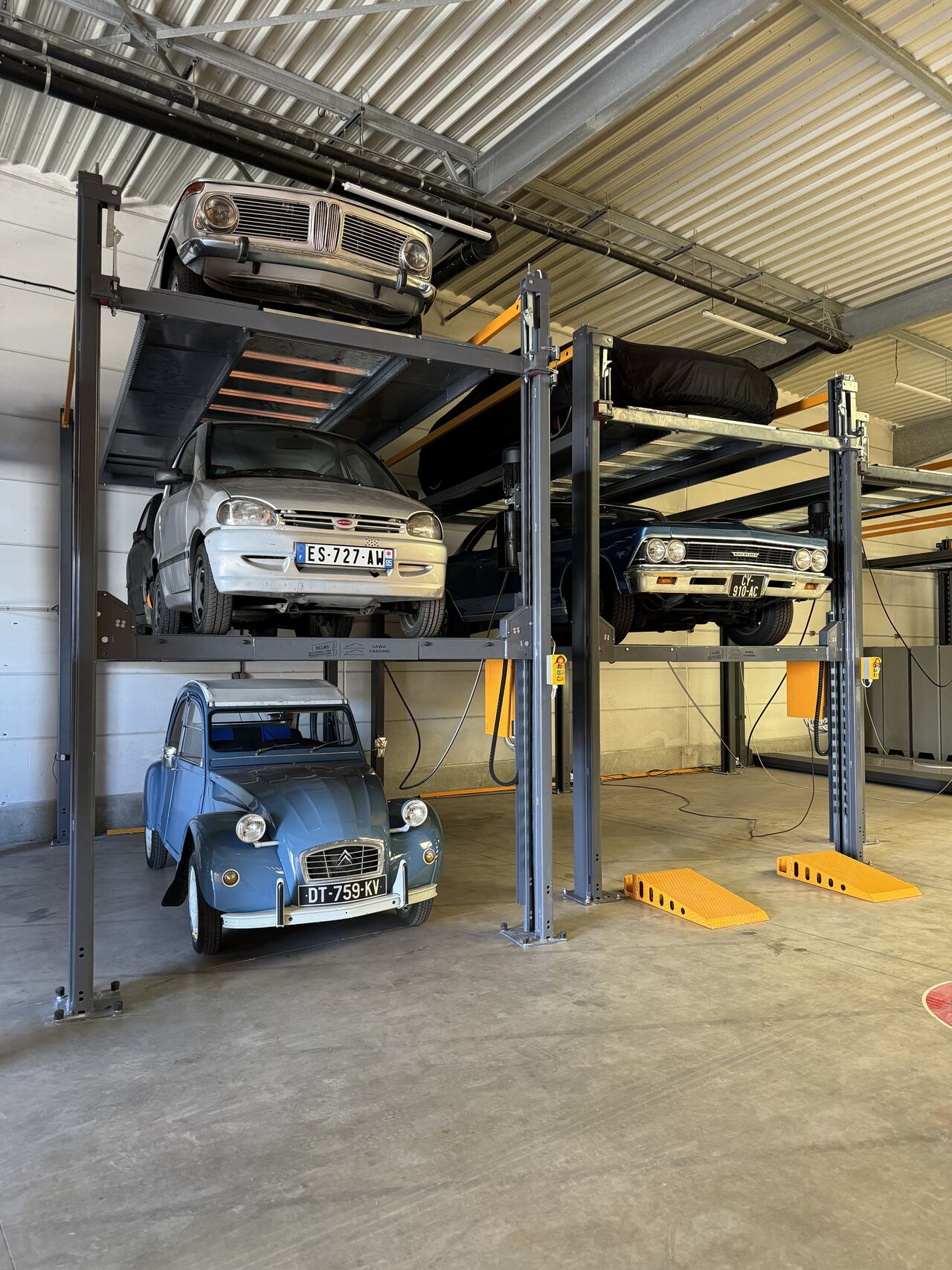
A car lift parking garage combines vertical lifting technology with structured parking layouts. Instead of relying on ramps, these garages use stacker lifts to move vehicles efficiently between levels.
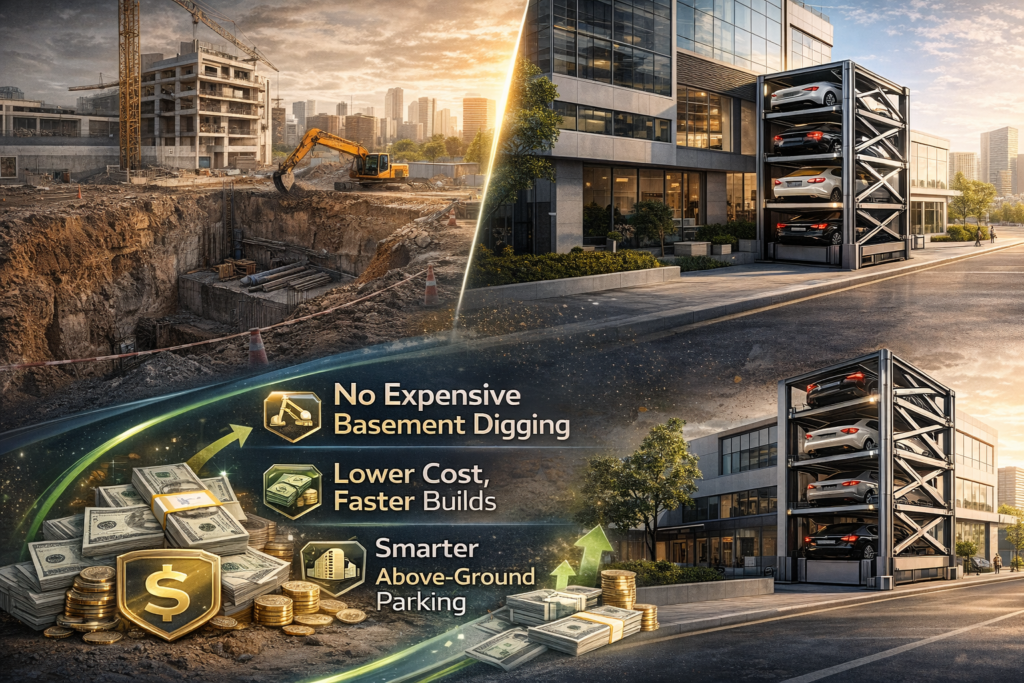
SAWA Parking has implemented car lift parking garage solutions in projects where conventional ramps were not feasible. This approach reduces construction cost, simplifies circulation, and enhances safety. Developers who consult early through professional parking consultation often discover opportunities to redesign garages more efficiently using stacker systems.
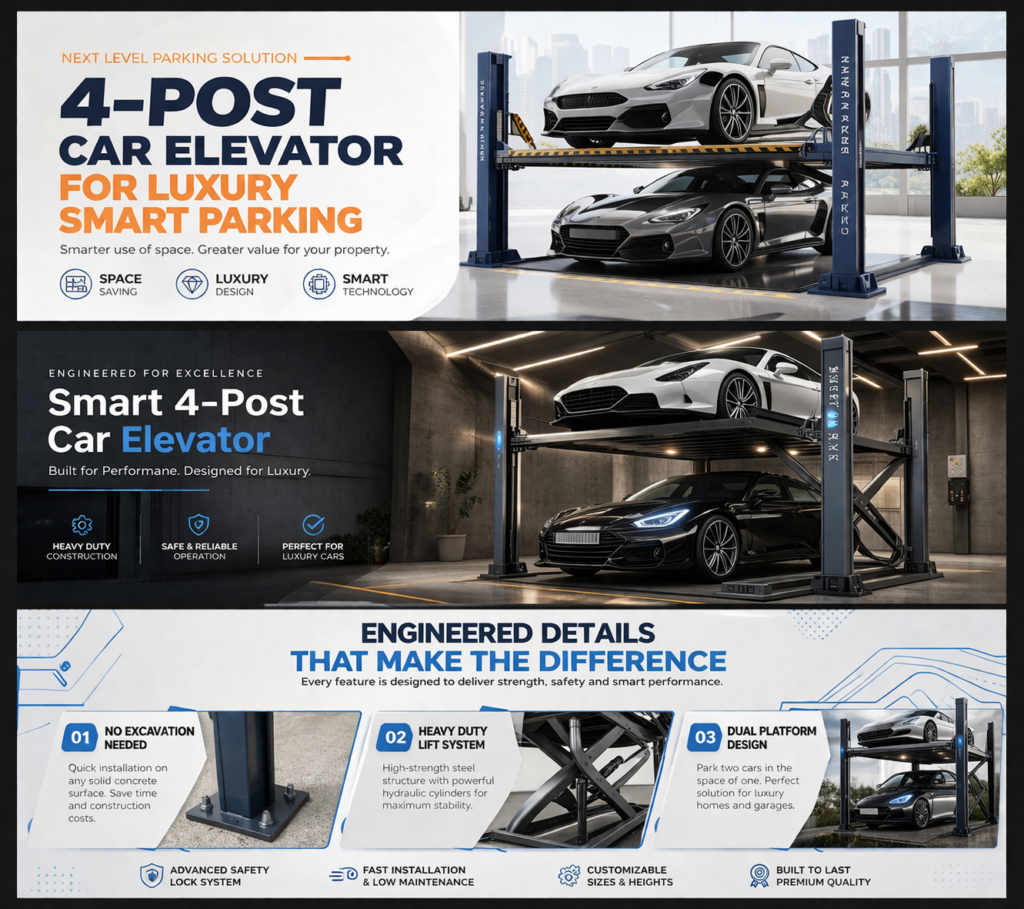
8. How Much Does a Car Elevator Cost Compared to Stacker Systems?
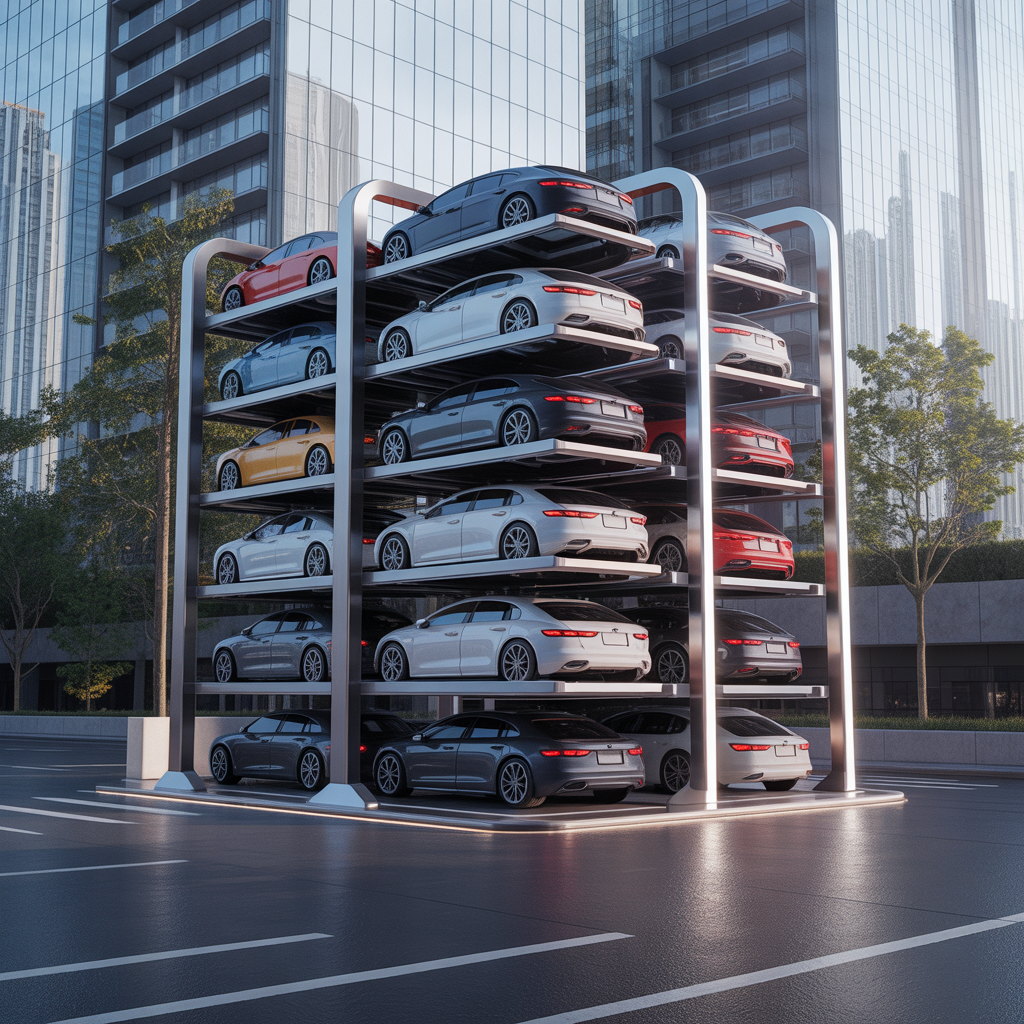
A frequent question raised by developers is how much does a car elevator cost compared to a car stacker parking lift. While car elevators are ideal for moving vehicles between floors, they often serve a different purpose than stacker systems.
Stacker systems focus on storage efficiency, while elevators focus on vertical transport. In many projects, SAWA Parking combines both solutions to optimize performance and cost. Evaluating car stacker lift price alongside elevator cost helps developers select the right mix of systems rather than relying on a single solution.
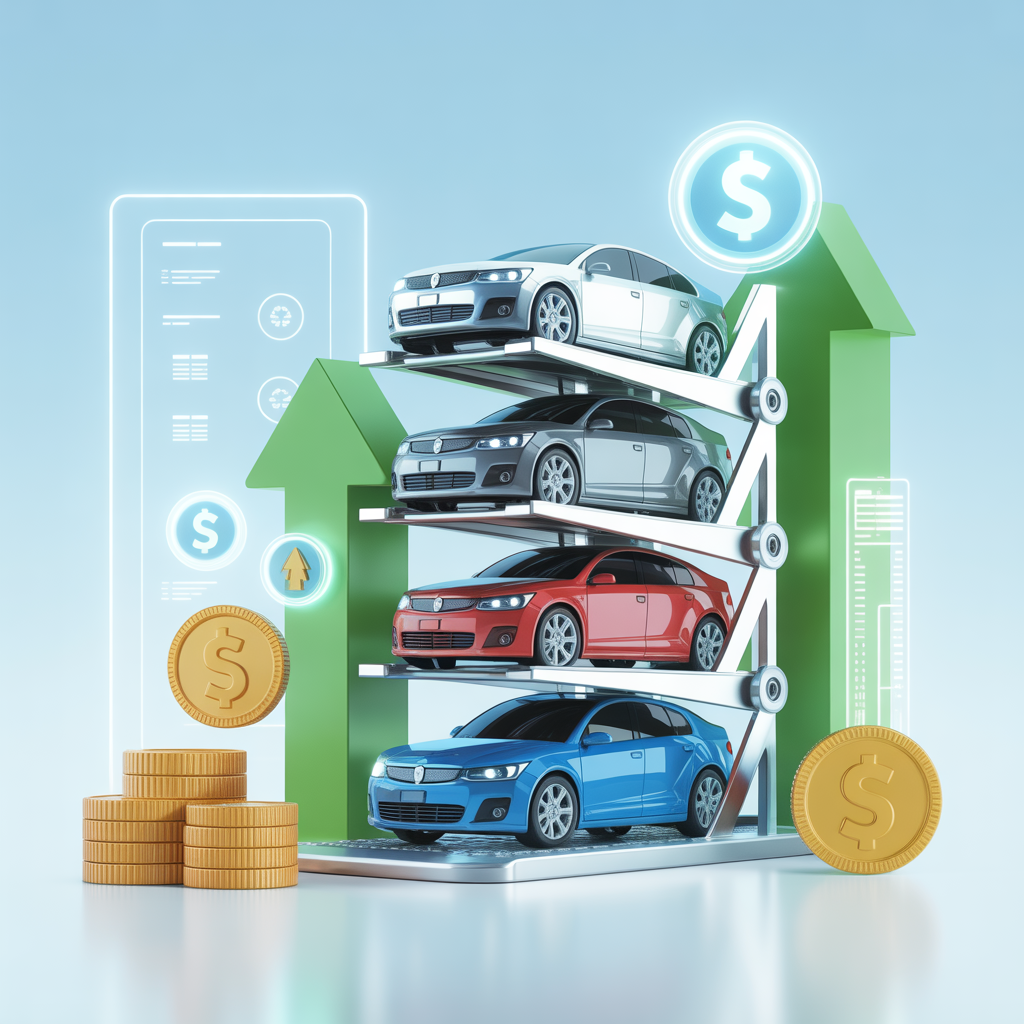
9. Car Stacker Lift Price and Economic Value
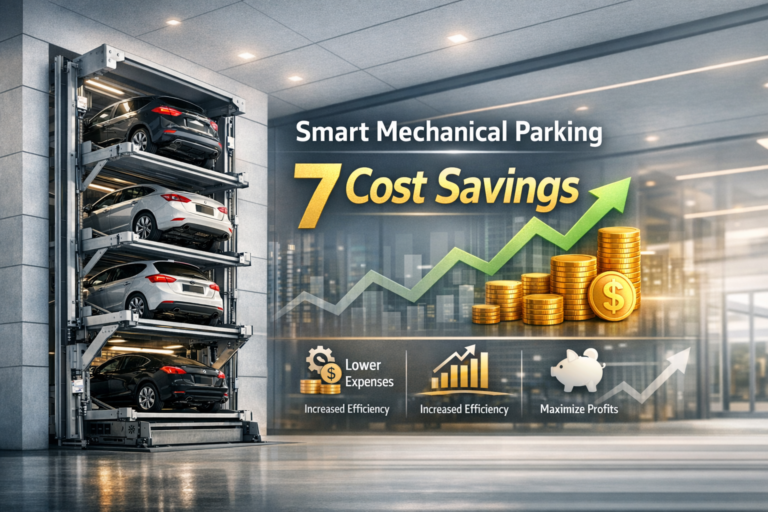
Understanding car stacker lift price requires looking beyond equipment cost. Factors such as installation, maintenance, energy consumption, and lifecycle performance all contribute to overall value.
SAWA Parking designs stacker systems to minimize long-term operational expenses. Reduced manpower requirements and durable components result in lower lifecycle costs compared to traditional parking structures. Developers reviewing real project outcomes often find that stacker systems deliver faster return on investment.
10. Safety and Engineering Standards in Car Stacker Parking Lift Design
Safety is a fundamental aspect of any car stacker parking lift. SAWA Parking integrates mechanical locks, sensors, and control systems to ensure secure operation. Each system undergoes rigorous testing to meet load and safety standards.
By focusing on engineering quality rather than minimal cost, SAWA Parking ensures that stacker systems perform reliably over time. This approach reduces downtime and enhances user confidence in both residential and commercial environments.
11. Operational Efficiency and Maintenance Considerations
Operational efficiency plays a critical role in the long-term success of stacker systems. Simple mechanical design, accessible components, and robust materials contribute to lower maintenance requirements.
SAWA Parking prioritizes serviceability, allowing maintenance tasks to be performed quickly without disrupting daily operations. This focus ensures that car stacker parking lifts remain dependable assets rather than operational burdens.
12. Car Stacker Parking Lift as a Smart Urban Strategy
As cities continue to densify, vertical parking solutions become essential infrastructure components. A car stacker parking lift supports smart urban development by maximizing land use and reducing the environmental impact of parking construction.
SAWA Parking’s experience across diverse urban environments demonstrates how stacker systems align with smart city objectives. Exploring SAWA Parking provides insight into how these solutions support modern urban mobility strategies.
13. Real-World Scenarios Where Car Stacker Parking Lift Solves Critical Constraints
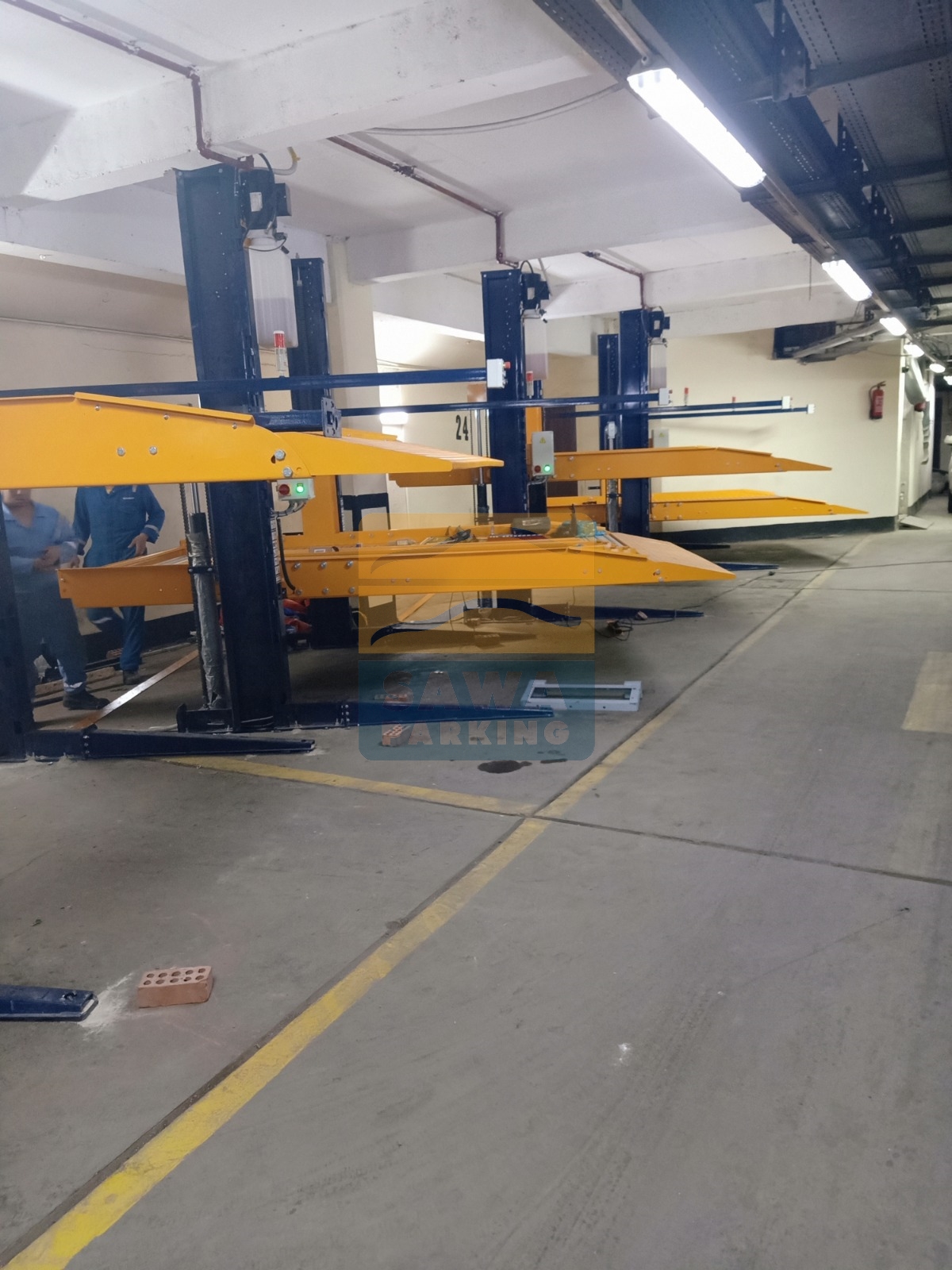
In real projects, parking challenges rarely appear in isolation. They are usually the result of combined constraints such as limited land, zoning regulations, ceiling height restrictions, and budget pressure. In many of these cases, a car stacker parking lift becomes the most practical solution because it addresses multiple constraints simultaneously.
One common scenario involves residential buildings located in dense urban neighborhoods where land prices are high and plot sizes are limited. Traditional ramp-based garages fail to deliver sufficient parking capacity without sacrificing sellable area. SAWA Parking has delivered car stacker systems in such environments to double or triple parking capacity while maintaining the original architectural layout.
Another frequent scenario is retrofit projects where existing buildings require additional parking without structural demolition. In these cases, a car stacker parking lift fits within existing garages and transforms underutilized space into functional parking capacity—something conventional systems cannot achieve.
14. Use Cases for Residential Developers and Private Property Owners
Residential developers represent one of the largest user groups for car stacker parking lift systems. In apartment buildings, parking ratios directly influence market value and buyer confidence. A well-designed stacker system allows developers to meet or exceed parking requirements without expanding construction volume.
Private property owners also benefit from these systems, particularly in villas and high-end residences. A 2 car stacker lift enables homeowners to store multiple vehicles safely while preserving garage aesthetics. SAWA Parking customizes these systems to match residential usage patterns, ensuring ease of operation and minimal maintenance.
In gated communities, stacker systems support phased development by allowing parking capacity to scale alongside occupancy growth—an advantage rarely achievable with traditional garages.
15. Commercial Use Cases: Offices, Clinics, and Mixed-Use Buildings
Commercial developments present unique parking challenges driven by peak-hour demand and high vehicle turnover. A commercial parking lift provides a controlled and efficient solution for offices, clinics, retail spaces, and mixed-use buildings.
SAWA Parking has implemented car stacker parking lift systems in commercial projects where zoning regulations limited building height or footprint. By stacking vehicles vertically, these projects achieved compliance without sacrificing functionality. The result is smoother traffic flow, reduced congestion, and improved user experience.
For mixed-use developments, stacker systems allow parking capacity to adapt dynamically based on time of day—serving office users during business hours and residential users in the evening.
16. Comparing Car Stacker Parking Lift vs Traditional Parking Garages
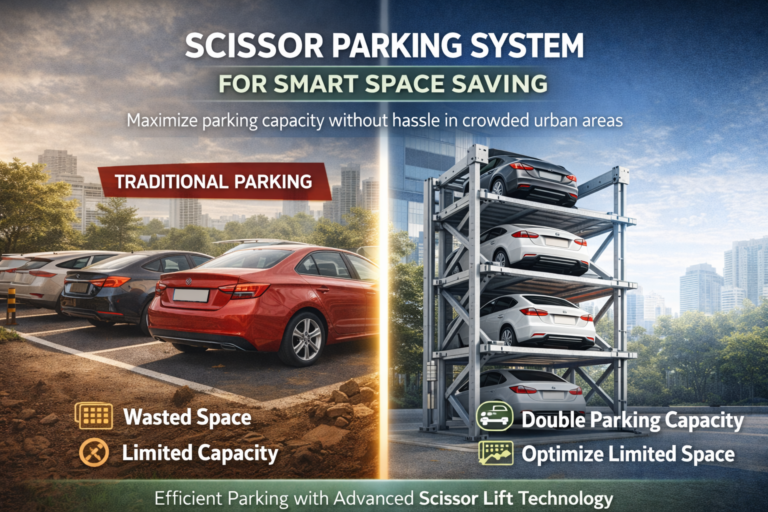
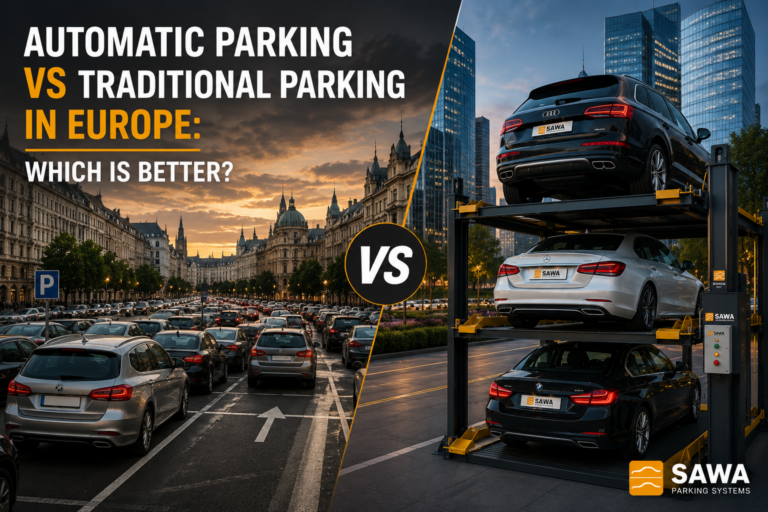
When comparing a car stacker parking lift with traditional parking garages, the difference becomes clear in both efficiency and cost. Traditional garages rely heavily on ramps, circulation lanes, and large structural spans, which consume valuable space.
Stacker systems eliminate these inefficiencies by focusing on vertical storage. This results in higher parking density within the same footprint. SAWA Parking frequently conducts feasibility comparisons for developers, demonstrating how stacker systems outperform traditional garages in land utilization and construction timelines.
From a long-term perspective, stacker systems also reduce operational costs by minimizing lighting, ventilation, and manpower requirements.
17. Car Stacker Parking Lift vs Car Elevators: Choosing the Right System
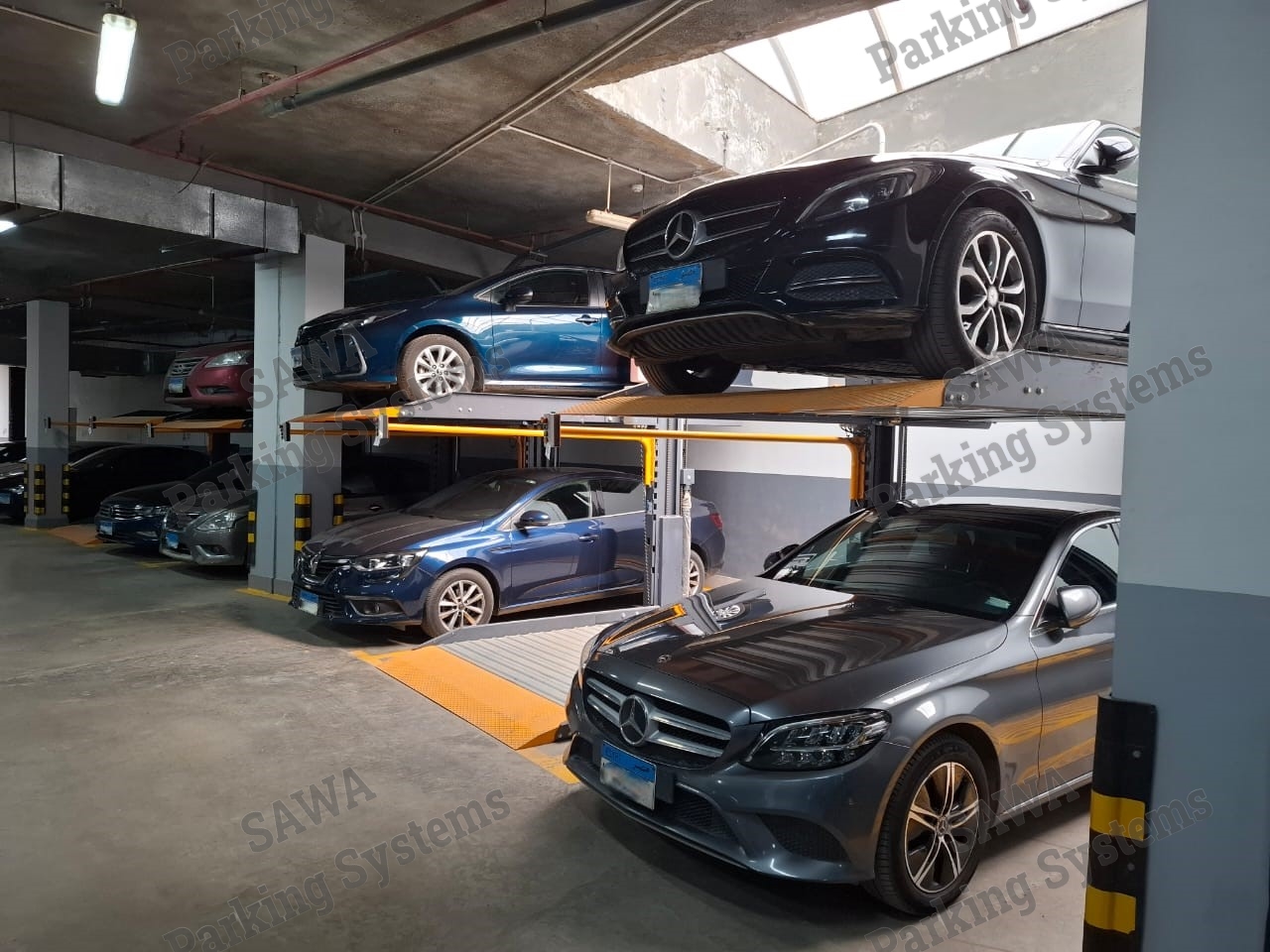
Developers often ask whether a car stacker parking lift or a car elevator is the better choice. The answer depends on the project’s primary objective. Stacker systems focus on vehicle storage efficiency, while car elevators are designed for vertical transport between levels.
In many projects, SAWA Parking combines both systems strategically. For example, a car elevator may serve as the main access point, while stacker lifts maximize storage capacity on each level. This hybrid approach delivers optimal performance without unnecessary cost.
Understanding this distinction prevents system misapplication—one of the most common parking design mistakes in complex developments.
18. Capacity Planning and Scalability with Car Stacker Systems
One of the most overlooked advantages of car stacker parking lift systems is scalability. Unlike fixed concrete garages, stacker systems can often be expanded or reconfigured as parking demand increases.
SAWA Parking designs systems with future growth in mind, allowing developers to add additional stacker units or upgrade from a 2 car stacker lift to a 3 car stacker lift when required. This flexibility protects long-term asset value and reduces the need for costly structural modifications.
Scalability is particularly valuable in phased developments where parking demand evolves gradually over time.
19. Lifecycle Cost Comparison: Stacker Systems vs Conventional Parking
While initial equipment pricing is important, lifecycle cost analysis reveals the true value of car stacker parking lift systems. Reduced excavation, lower concrete volume, and faster installation contribute to lower upfront costs.
Over time, stacker systems also deliver operational savings through reduced energy consumption and simplified maintenance. SAWA Parking prioritizes durability and serviceability, ensuring systems remain reliable throughout their lifecycle.
Developers who evaluate total cost of ownership often find that stacker systems outperform conventional parking by a significant margin.
20. Safety Scenarios and Risk Mitigation in Daily Operation
Safety concerns often arise when considering mechanical parking systems. SAWA Parking addresses these concerns by integrating multiple safety layers into every car stacker parking lift.
Scenarios such as power failure, improper vehicle positioning, or unauthorized access are mitigated through mechanical locks, sensors, and controlled logic systems. These features ensure safe operation under both normal and exceptional conditions.
By designing systems around real-world usage scenarios, SAWA Parking minimizes operational risk and enhances user confidence.
21. Decision-Making Framework for Developers Choosing Car Stacker Systems
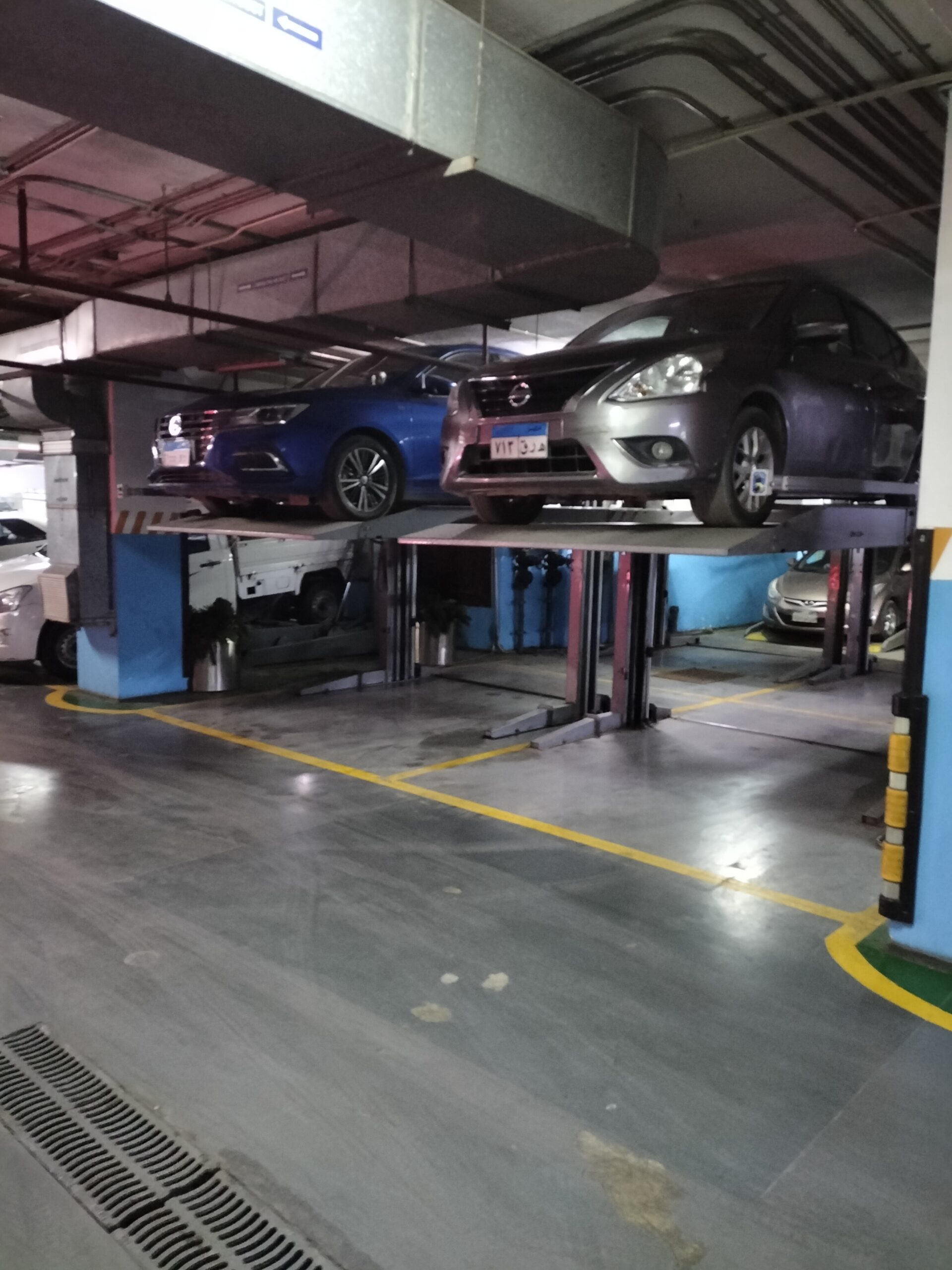
Selecting the right parking system requires a structured decision-making approach. SAWA Parking guides developers through key evaluation criteria, including site constraints, capacity requirements, budget, and long-term operational goals.
This framework ensures that the chosen car stacker parking lift aligns with project objectives rather than being a reactive decision. Early evaluation prevents costly redesigns and ensures smooth integration with architectural and structural plans.
Developers who follow this approach consistently achieve better outcomes than those who treat parking as an afterthought.
22. Car Stacker Parking Lift as a Strategic Asset in Urban Development
In modern cities, parking is no longer just a functional necessity—it is a strategic asset. A car stacker parking lift supports urban efficiency by reducing land consumption and enabling higher-density development.
SAWA Parking’s experience across diverse urban projects demonstrates how stacker systems contribute to smarter, more sustainable city infrastructure. These systems align with long-term urban mobility strategies and evolving regulatory frameworks.
Conclusion: Car Stacker Parking Lift Delivers Practical, Scalable Value
The car stacker parking lift stands out as a versatile and proven solution for modern parking challenges. Through real-world implementation, SAWA Parking has demonstrated how stacker systems solve spatial constraints, reduce construction cost, and improve operational efficiency.
By combining scalability, safety, and long-term value, car stacker systems transform parking from a limitation into a strategic advantage. For developers, property owners, and urban planners, the car stacker parking lift represents a future-ready solution grounded in practical execution.
Why Car Stacker Parking Lift Is a Long-Term Solution
The car stacker parking lift is more than a mechanical device—it is a strategic solution for modern parking challenges. By increasing capacity, reducing construction cost, and improving operational efficiency, stacker systems deliver real value across residential and commercial projects.
Real-world experience from SAWA Parking installations confirms that car stacker systems offer flexibility, reliability, and strong economic performance. For developers and property owners facing space limitations, car stacker parking lifts provide a proven and practical answer.
External References (Books)
- SAWA Parking – Smart Parking Systems
https://sawaparking.com/ - Mechanical Parking Systems: Design, Safety, and Applications
Heinz-Jürgen Ahrens – Springer
https://link.springer.com/book/10.1007/978-3-662-55831-5 - Parking Structures: Planning, Design, Construction, Maintenance, and Repair
Mary S. Smith & William J. Dunn – Springer
https://link.springer.com/book/10.1007/978-3-319-06179-2 - Parking Design: A Manual for Architects and Engineers
Albert W. Steiss – Wiley
https://www.wiley.com/en-us/Parking+Design%3A+A+Manual+for+Architects+and+Engineers-p-9780471297102